The Philippine business landscape is dominated by large, well-established companies that have not only driven the country’s economic growth but have also consistently adapted to meet global challenges. This article explores the biggest corporations in the Philippines, examining their key strategies, recent developments, and contributions to the national and global economy.
1. Ayala Corporation: Leading Through Diversification and Innovation
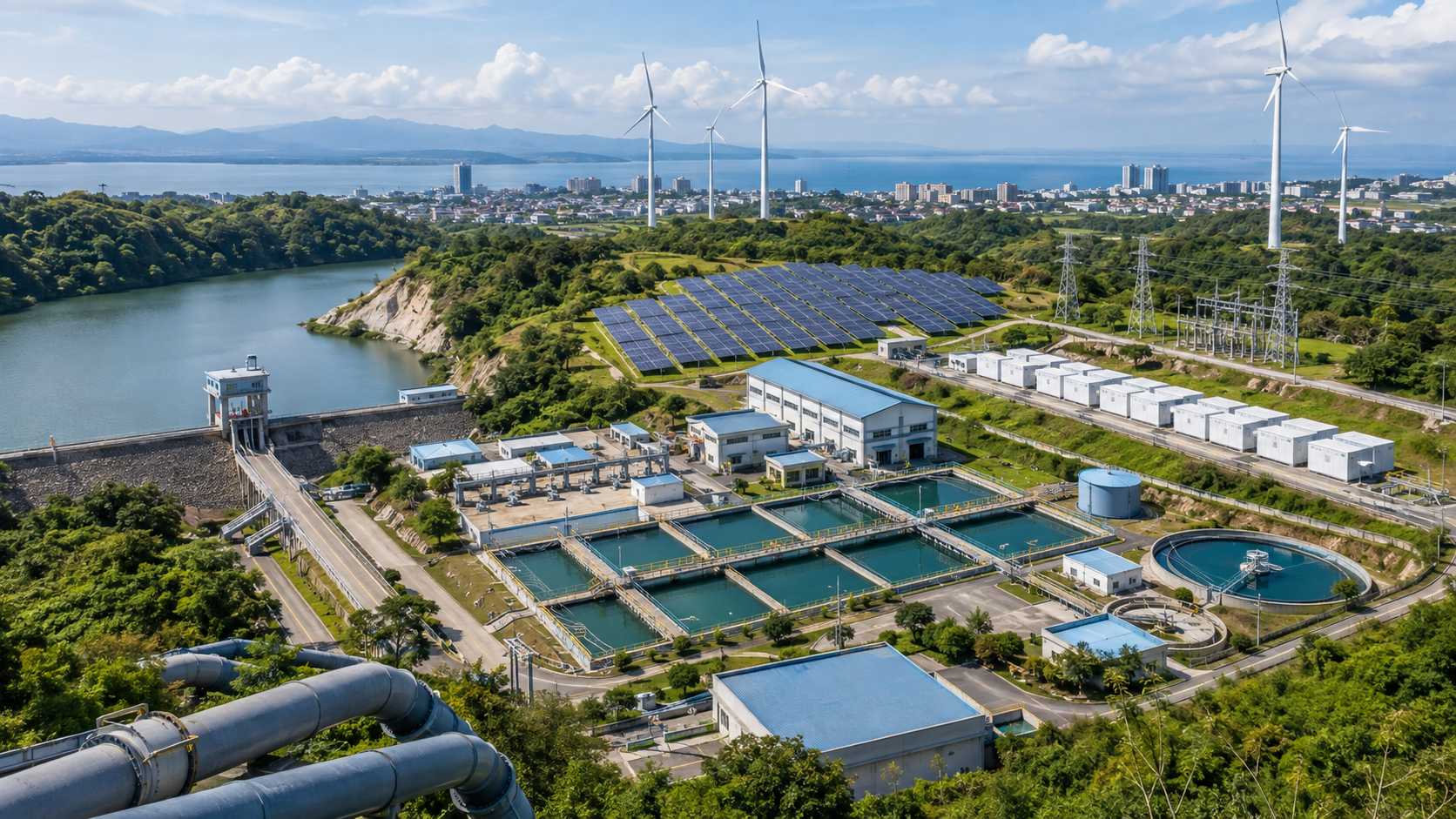
Ayala Corporation stands as a pillar of the Philippine economy. The company operates across a wide range of industries, from real estate to telecommunications and water utilities. With a legacy dating back to 1834, Ayala has continually expanded its business portfolio, focusing on both traditional sectors and emerging industries.
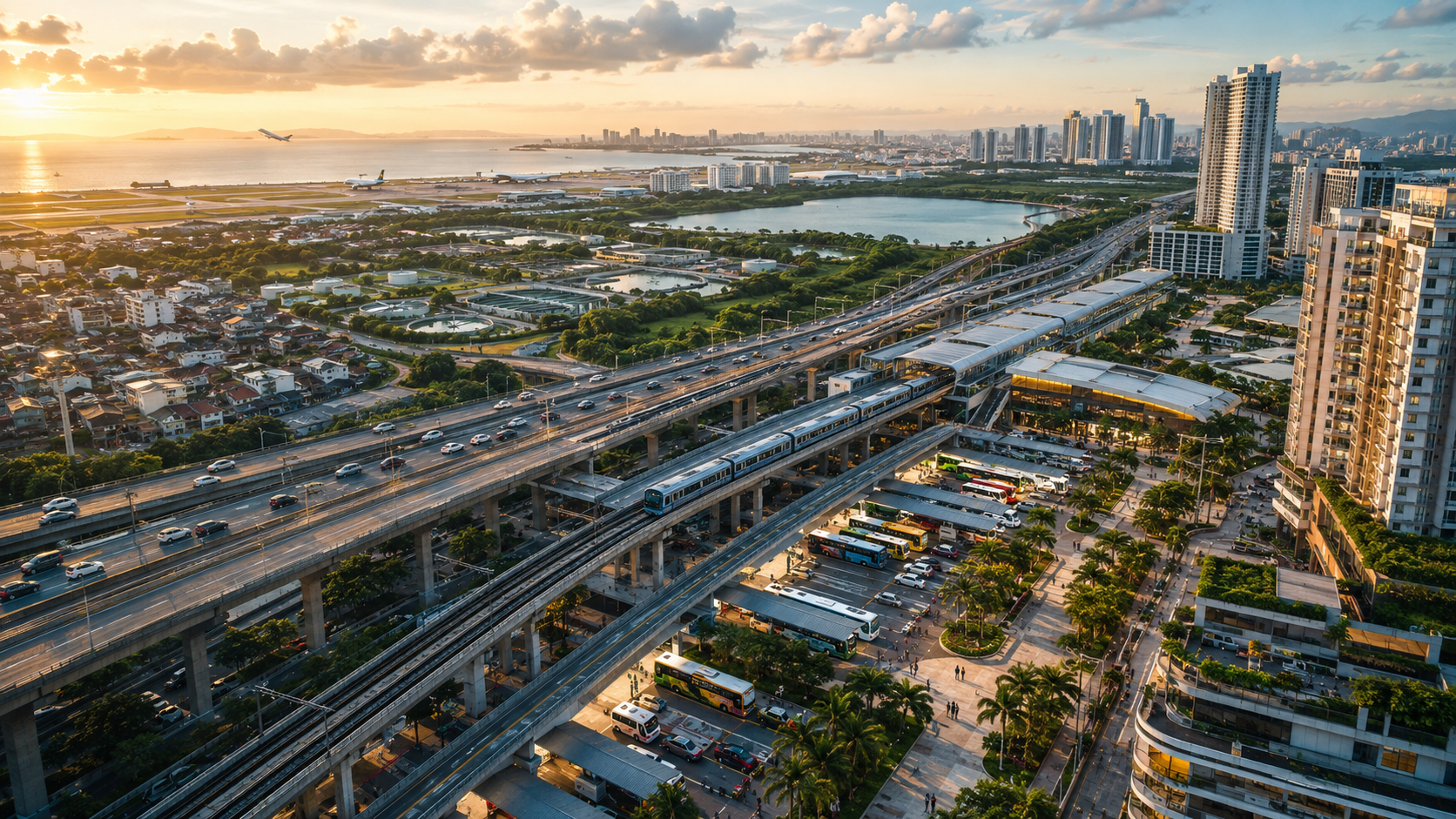
Recently, Ayala has been at the forefront of sustainable development. Through its real estate subsidiary, Ayala Land, the company has pioneered eco-friendly urban planning initiatives. Ayala is also heavily invested in digital transformation, particularly through its telecommunications arm, Globe Telecom. With the rise of smart cities and the growing demand for digital services, Ayala Corporation remains one of the leading drivers of innovation in the Philippines.
2. SM Investments: Dominating Retail, Real Estate, and Financial Services
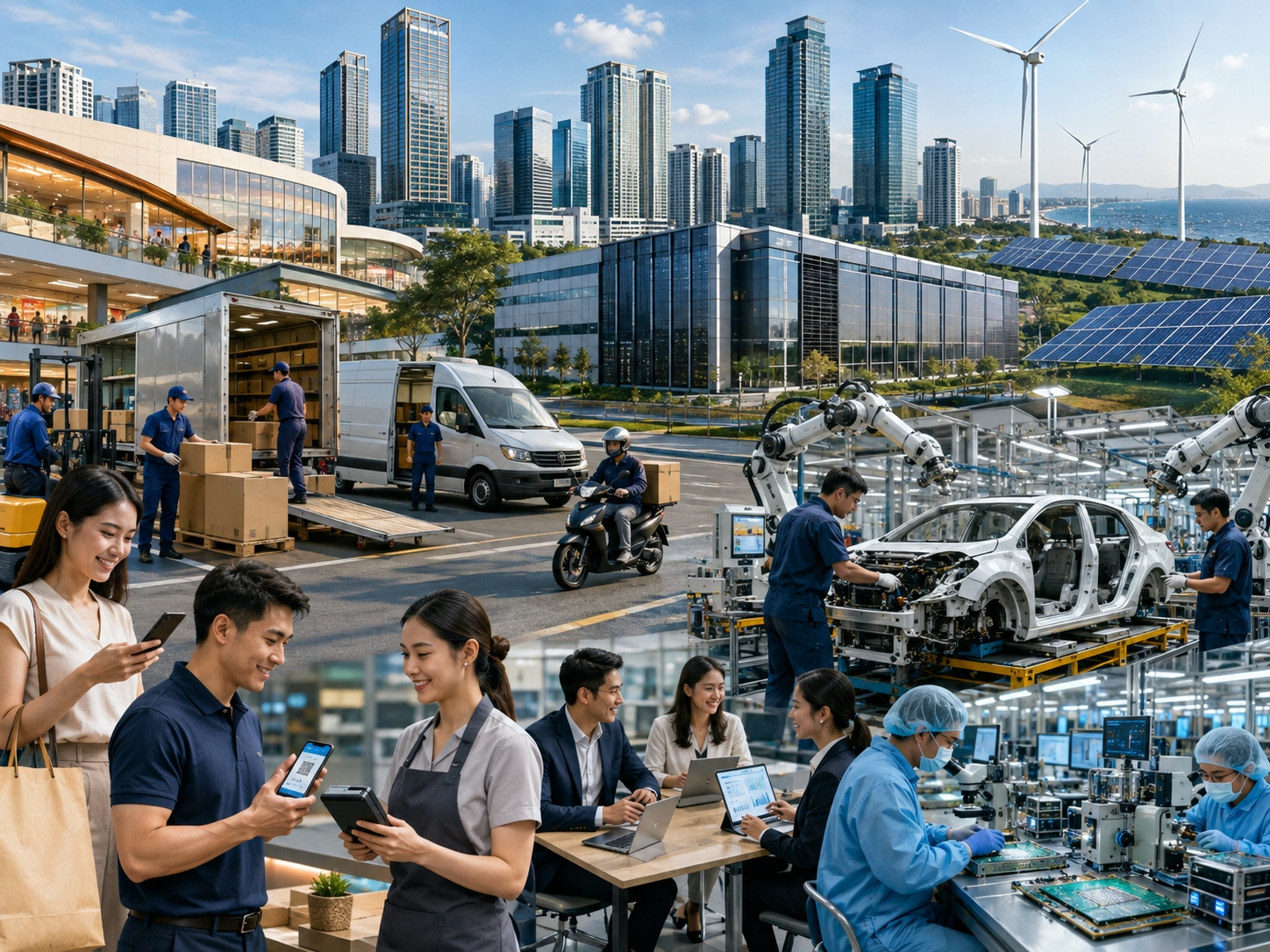
SM Investments Corporation has cemented its position as one of the Philippines’ largest and most influential conglomerates. The company’s retail arm, which includes the famous SM Supermalls, has become an essential part of Filipino daily life. SM Prime Holdings, its real estate arm, has transformed the urban landscape by developing residential communities and shopping malls across the country.
Recently, SM has ventured into digital retail, leveraging e-commerce platforms to enhance customer experiences. The company has also expanded its presence in the banking sector, with BDO Unibank playing a key role in the country’s financial services. SM’s ability to innovate and adapt to changing market conditions has enabled it to maintain a dominant position in the Philippine economy.
3. San Miguel Corporation: A Diversified Conglomerate with Ambitious Goals
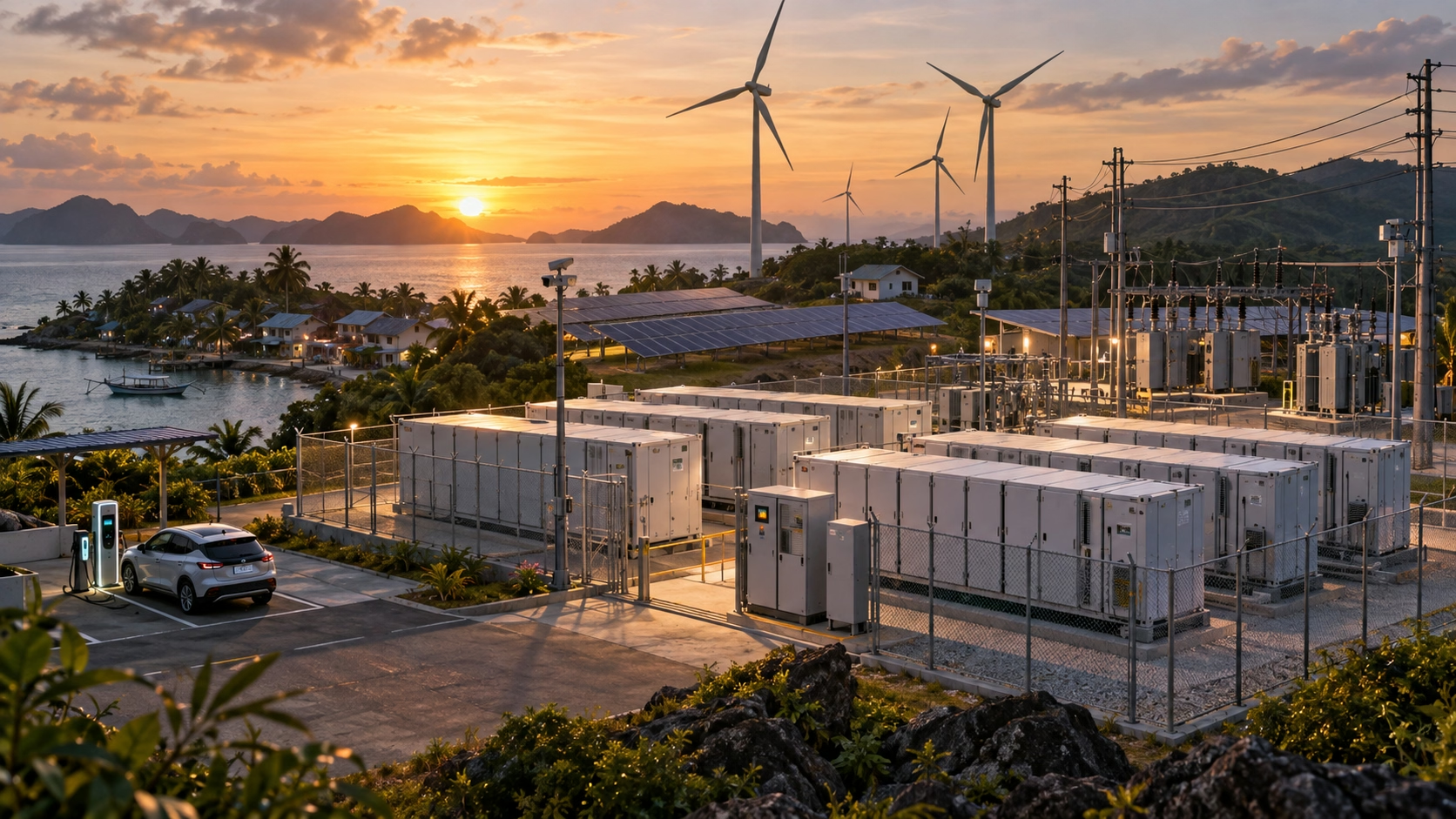
San Miguel Corporation has expanded far beyond its origins as a brewery, becoming one of the largest and most diversified conglomerates in Southeast Asia. Its business interests now cover food, beverages, energy, infrastructure, and packaging. The company has made a significant impact on the country’s energy sector, investing in power plants and renewable energy projects.
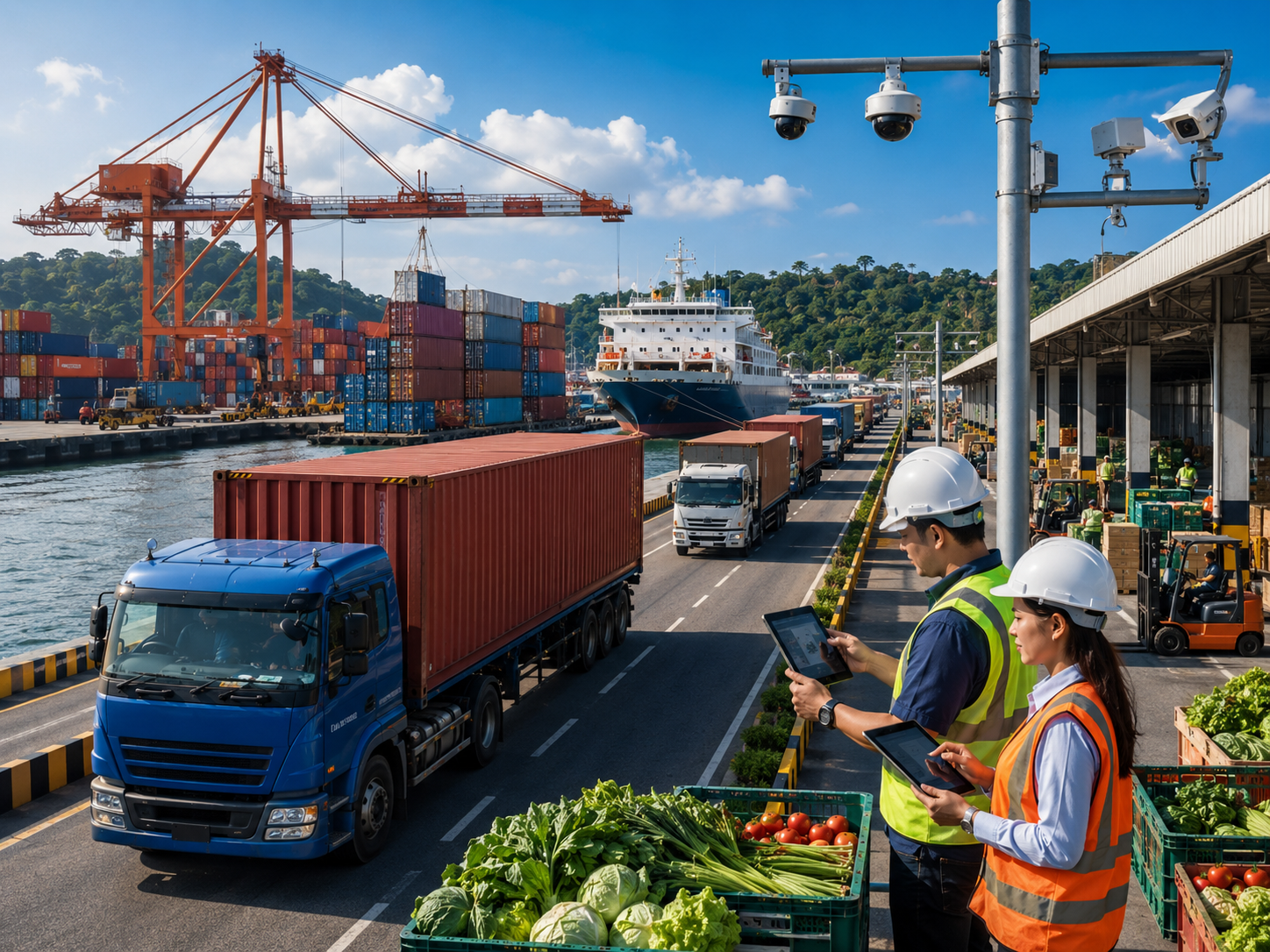
San Miguel’s commitment to environmental sustainability is evident in its push for cleaner energy alternatives. The company’s infrastructure division has also been instrumental in modernizing the country’s roads, airports, and seaports, helping to improve transportation and logistics in the Philippines. San Miguel’s ability to diversify and innovate has made it a key player in the nation’s economic development.
4. JG Summit Holdings: Expanding Across Industries and Borders
JG Summit Holdings is another major player in the Philippine economy, with interests spanning food manufacturing, telecommunications, and petrochemicals. One of the company’s standout achievements is the success of its low-cost airline, Cebu Pacific, which has helped to revolutionize air travel in the region.
The company has also been expanding its digital presence, particularly through Globe Telecom, where it has made significant investments in network infrastructure. JG Summit’s food division, Universal Robina Corporation, has experienced significant international growth, strengthening its market presence in Asia and beyond.
5. PLDT Inc.: Driving Digital Transformation in the Philippines
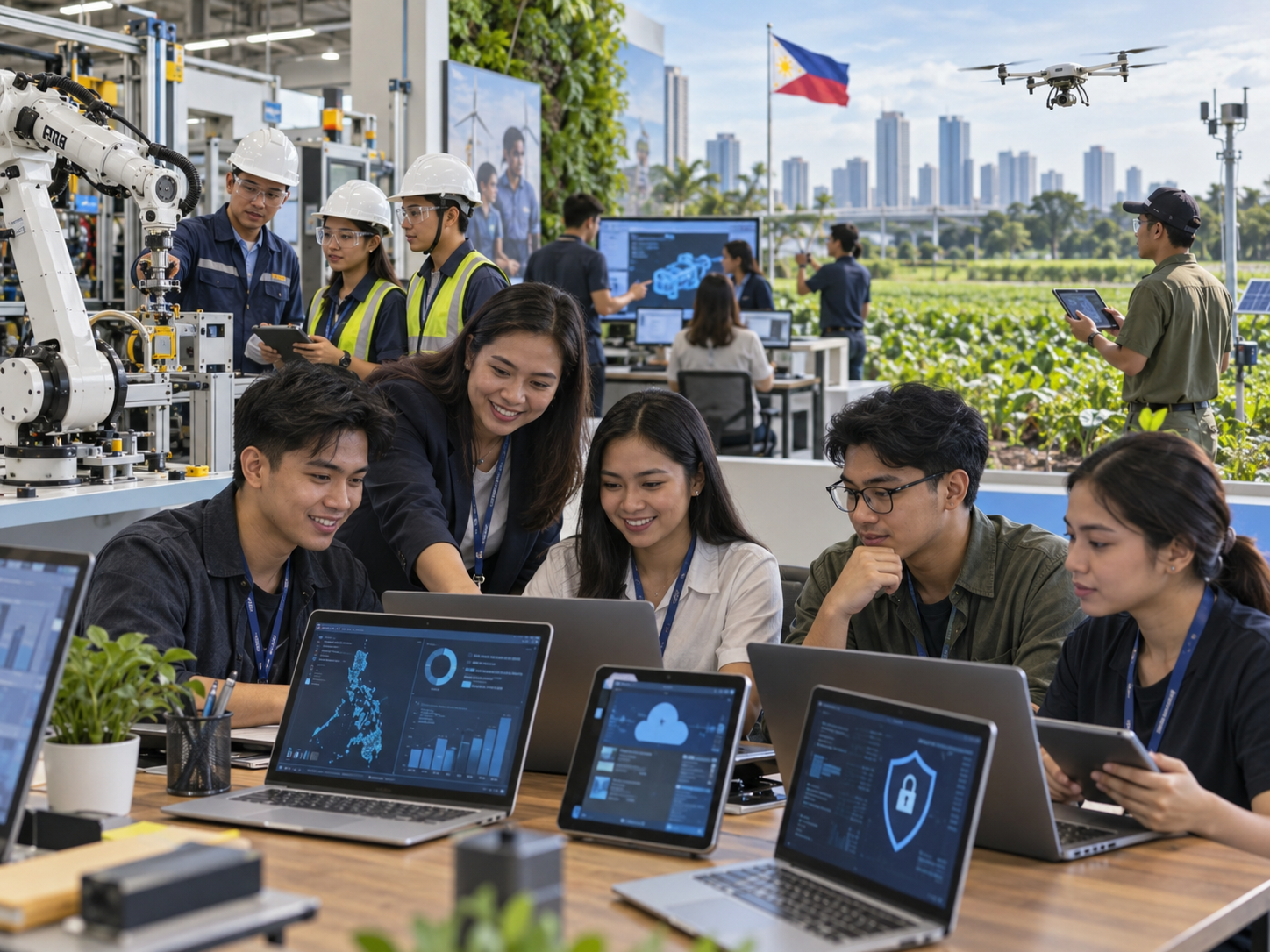
PLDT Inc. is the Philippines’ largest telecommunications company, providing essential services such as internet, landline, and mobile phone services. The company has undergone a digital transformation, focusing on high-speed internet solutions, digital payment systems, and cloud computing services.
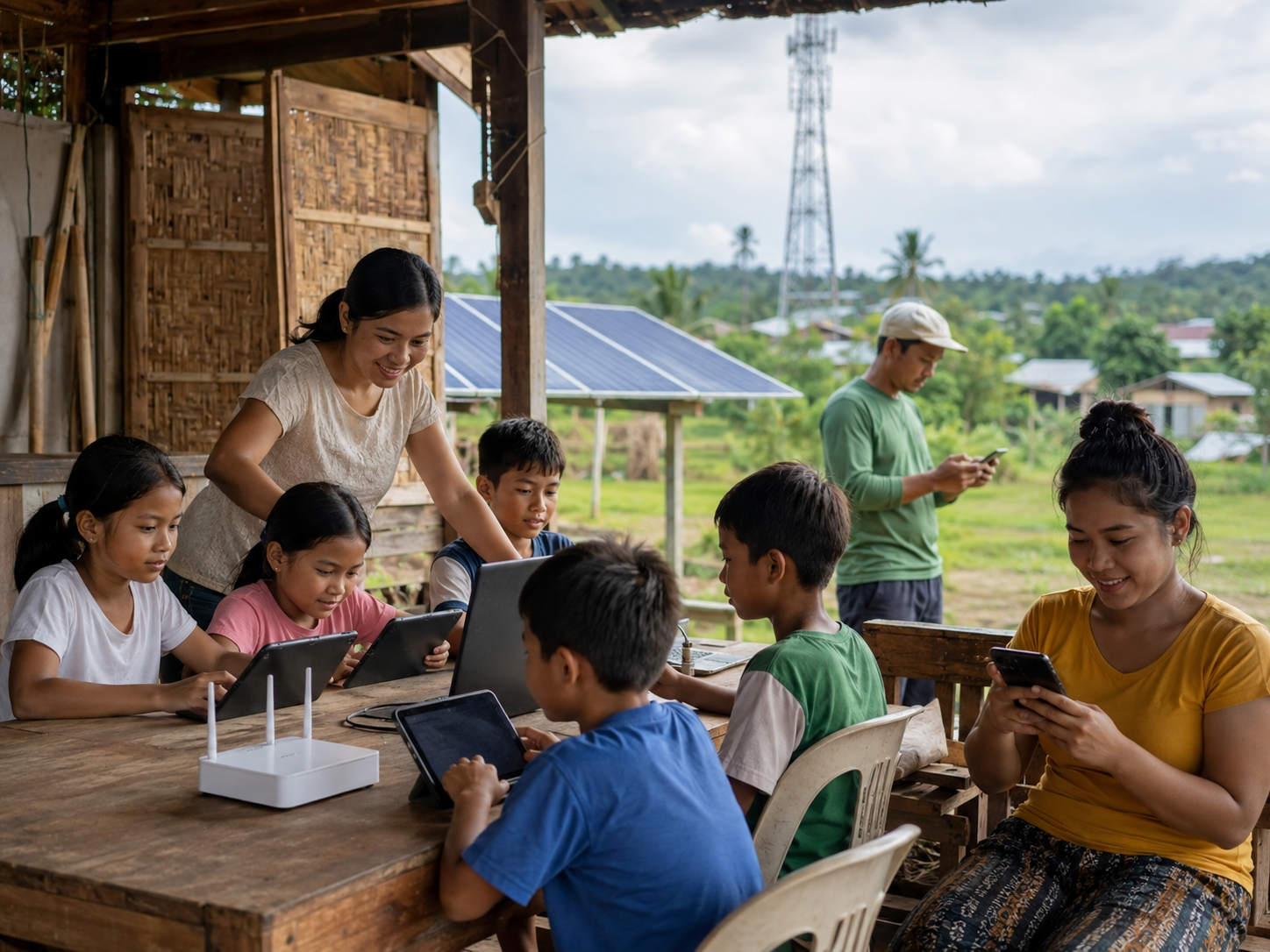
PLDT’s aggressive investments in fiber optics and next-generation technologies position it as a leader in the country’s digital economy. As the demand for reliable internet services continues to rise, PLDT is poised to play a key role in the development of the Philippines’ digital infrastructure.
Conclusion
The largest companies in the Philippines are instrumental in shaping the country’s economic future. By diversifying their operations, investing in sustainable practices, and embracing technological advancements, these companies have proven their resilience and adaptability. As they continue to expand and innovate, they will remain central to the Philippines’ economic success and global competitiveness.