

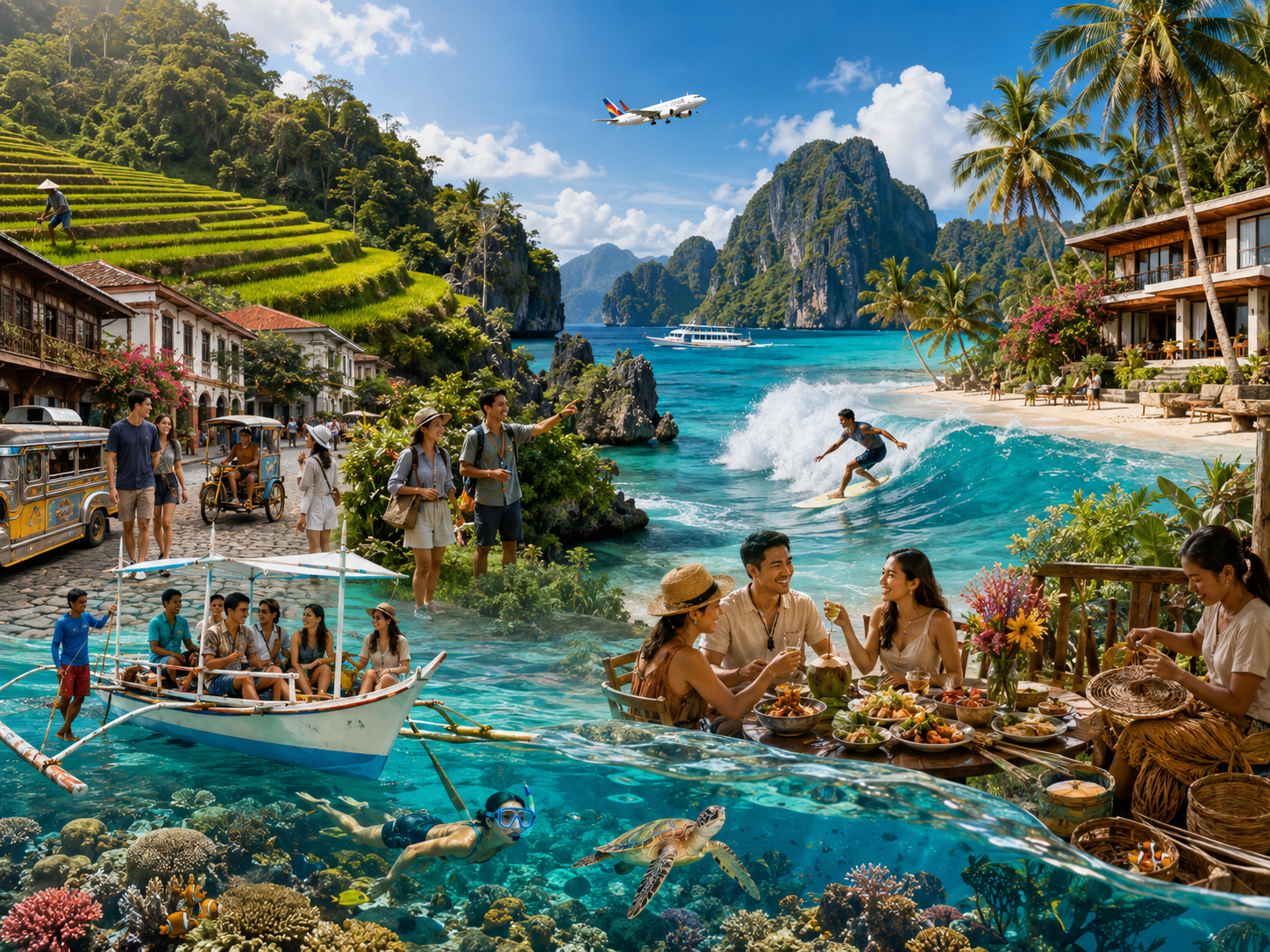
Philippine tourism has changed significantly because of the active involvement of local enterprises. For many years, the country was known mainly for its tropical beaches, friendly people, and colorful festivals. Today, tourism has become a more complex and dynamic industry, supported by Filipino companies in transportation, hospitality, technology, food, retail, and local experiences. These businesses help turn natural beauty and cultural heritage into organized, marketable, and memorable travel products.
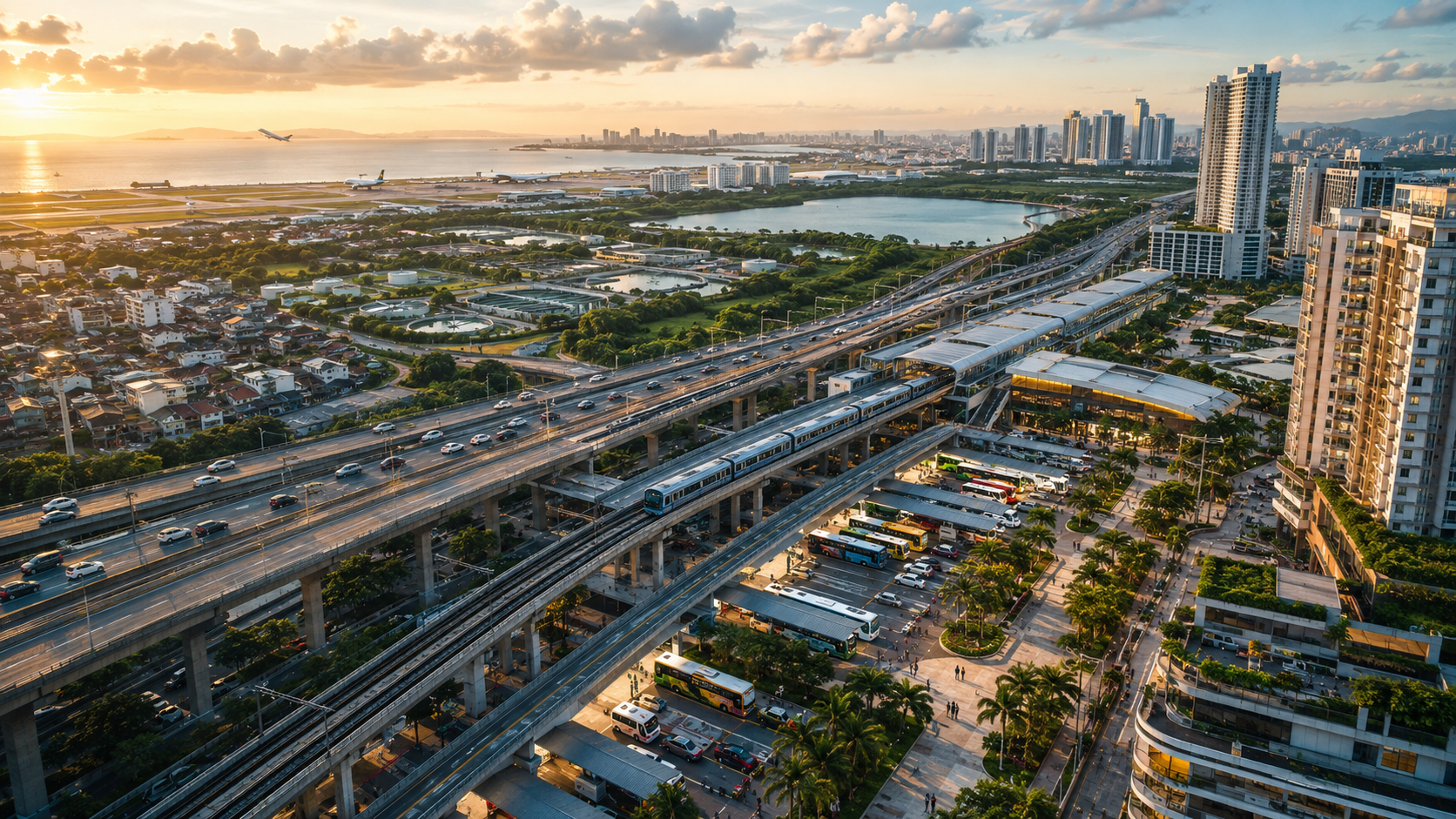
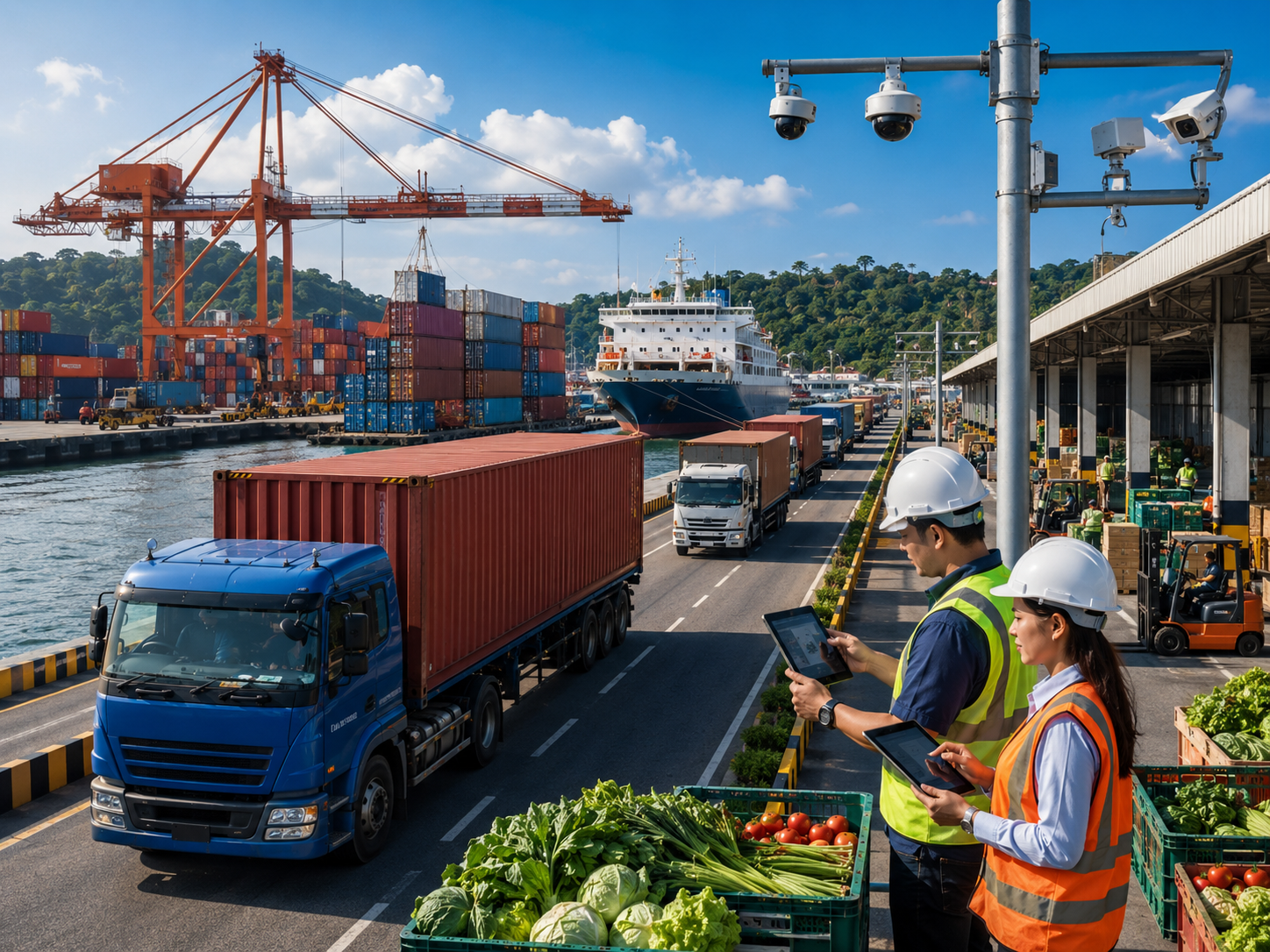
Transportation is one of the strongest examples of this transformation. Since the Philippines is made up of thousands of islands, tourists need reliable ways to move between destinations. Local airlines such as Cebu Pacific and Philippine Airlines have made popular locations easier to reach by offering routes to tourism hubs across Luzon, Visayas, and Mindanao. Sea transport companies and local boat operators also support island tourism by connecting smaller communities to larger travel circuits. Without these services, many destinations would remain difficult for visitors to access.
Accommodation development has also improved the tourism landscape. Filipino hotel chains, resort developers, and independent property owners have created a wide range of lodging choices. In Boracay, Palawan, Cebu, Bohol, and Metro Manila, local hospitality groups have raised service quality while still reflecting Filipino warmth. Boutique resorts and locally owned guesthouses often emphasize regional materials, local cuisine, and community-based services. This makes the visitor experience feel more authentic compared with standardized global hotel models.
Technology has further accelerated the industry’s progress. Many local companies now use websites, mobile apps, online booking tools, and social media marketing to reach travelers. Small tour operators can promote island-hopping packages, cultural tours, food trips, and adventure activities directly to customers. Local financial technology companies also support tourism by making digital payments more common. When visitors can pay through mobile wallets or online transfers, transactions become faster and safer for both tourists and business owners.
Another important change is the rise of experience-based tourism. Local companies are no longer selling only hotel rooms or transportation tickets. They are creating activities that allow visitors to understand Filipino life more deeply. Examples include guided heritage walks, diving lessons, cooking classes, farm tourism, weaving demonstrations, surfing schools, and eco-tours. These products are often managed by local entrepreneurs who know the stories, customs, and environmental conditions of their communities.
The role of local companies is also visible in sustainability efforts. In environmentally sensitive areas, businesses must balance profit with conservation. Some resorts use eco-friendly designs, reduce plastic waste, support marine protection, or hire local residents. Community-based tour operators may limit group sizes, train local guides, and educate visitors about responsible behavior. These efforts are important because the long-term success of Philippine tourism depends on preserving beaches, forests, reefs, rivers, and cultural sites.
Local food businesses add another layer to the tourism experience. Filipino cuisine is becoming a stronger attraction, with regional dishes such as lechon, kinilaw, adobo, sisig, halo-halo, and fresh seafood becoming part of travel memories. Restaurants, cafés, food markets, and pasalubong shops help tourists discover the diversity of Philippine culture through taste.
The growth of Philippine tourism through local enterprises proves that domestic businesses are not just supporting players. They are builders of access, identity, innovation, and community value. By combining business creativity with local knowledge, Filipino companies are helping the country become a richer and more competitive tourism destination.






Leave a Reply