

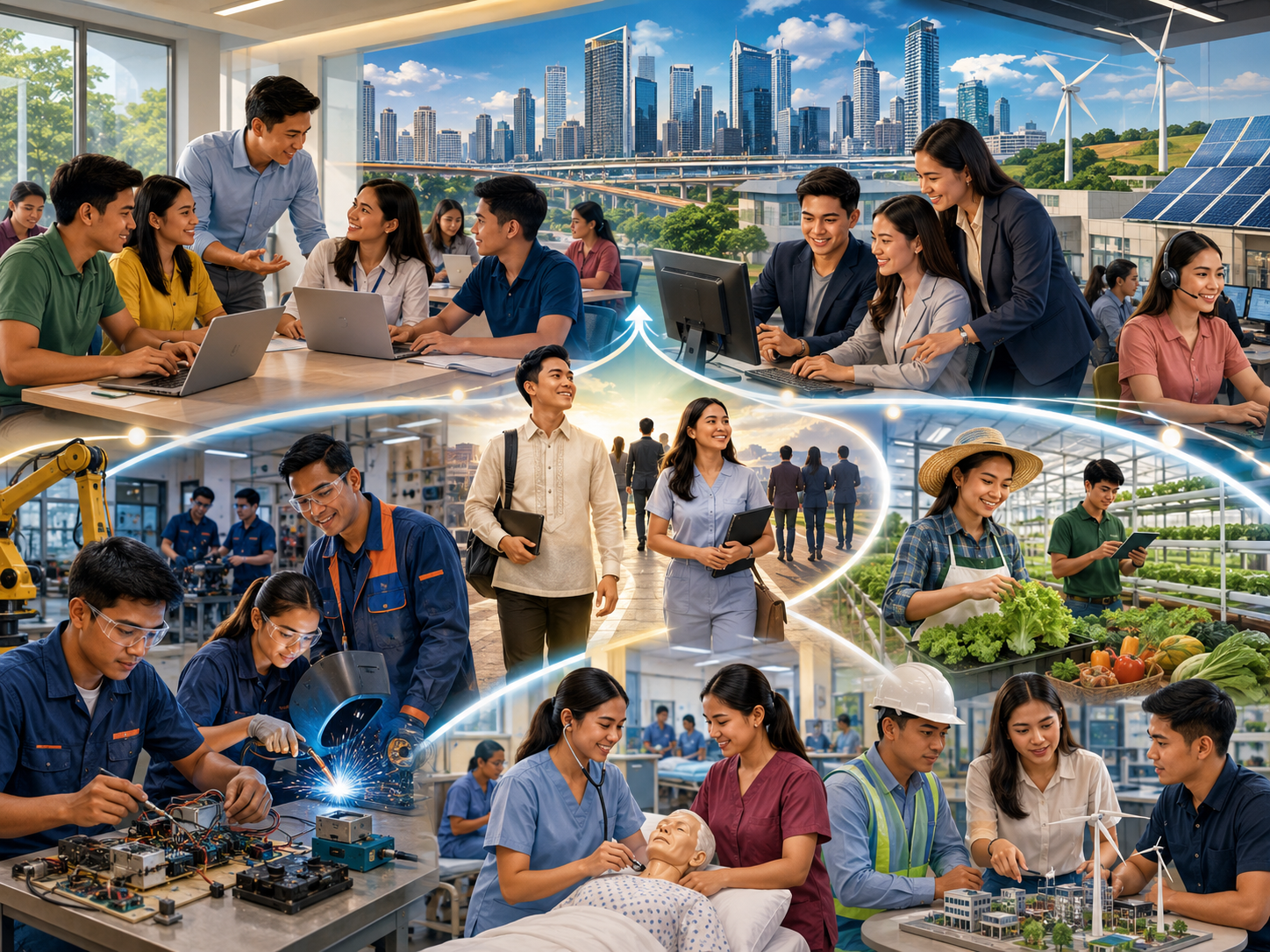
In the Philippines, preparing workers for the future has become a shared responsibility between the education sector and the business community. The labor market is changing quickly as technology, global competition, and new business models influence the kinds of skills employers need. Traditional classroom instruction remains important, but it cannot fully respond to these changes without active input from industries. For this reason, collaboration between schools and companies is becoming one of the most practical ways to develop a workforce that is skilled, adaptable, and globally competitive.
A major challenge in the country is the mismatch between what many students learn and what companies expect from employees. Graduates may hold degrees or certificates, yet some still lack hands-on experience, workplace discipline, digital confidence, or communication skills. Business participation can help reduce this gap. When employers help shape training programs, students gain exposure to current tools, technologies, and professional practices. This makes education more relevant and allows young workers to move more smoothly from school to employment.
Technical-vocational education is one of the strongest areas for collaboration. The Philippines has many learners who choose practical career pathways in fields such as welding, food service, caregiving, electrical installation, tourism, agriculture, and automotive repair. These fields require direct practice, updated tools, and knowledge of industry standards. Companies can support training centers by donating equipment, offering trainers, accepting apprentices, and giving feedback on graduates’ performance. Through these efforts, students learn not only how to perform tasks but also how to meet expectations related to safety, quality, punctuality, and customer service.
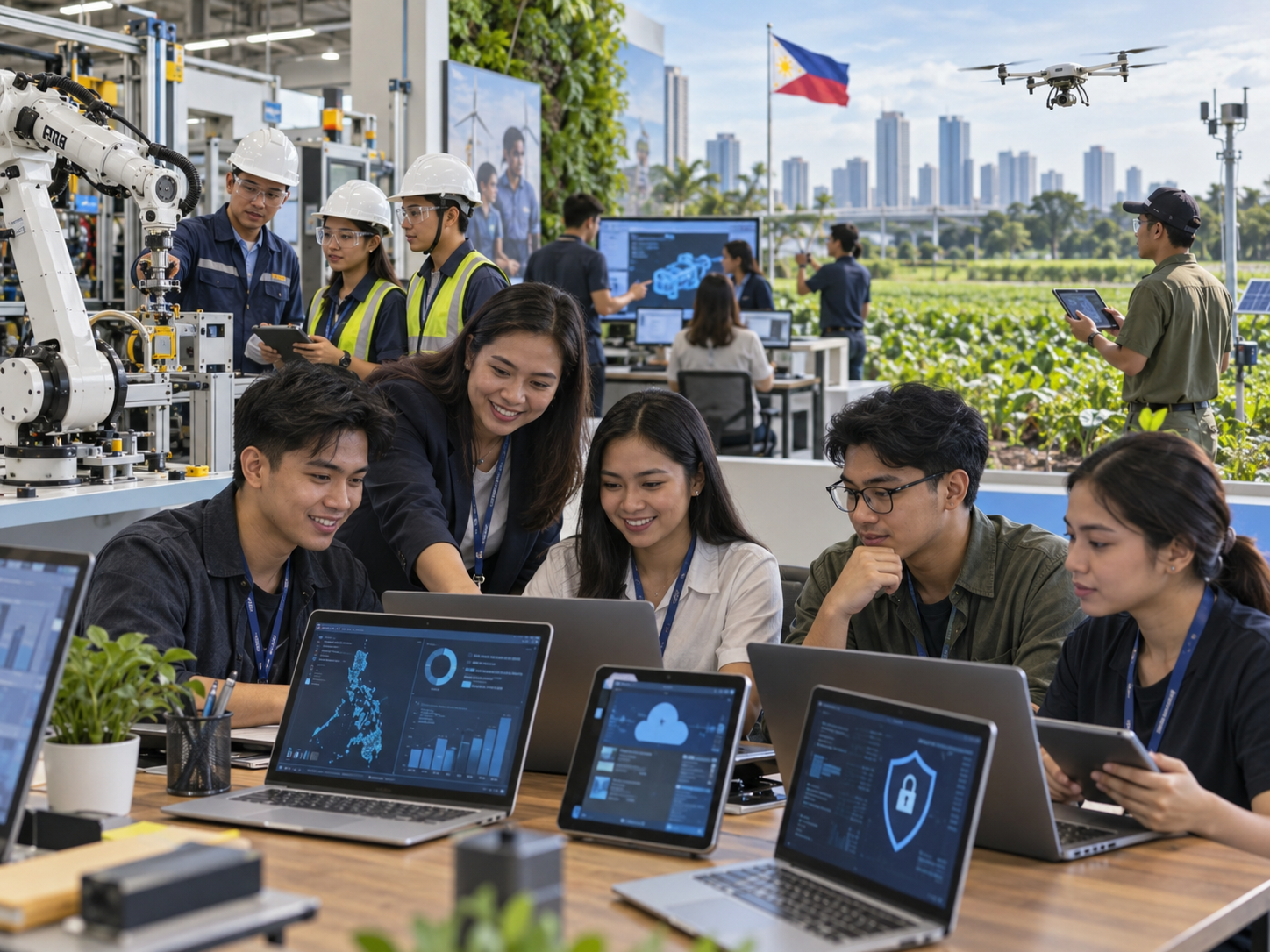
Universities and colleges also need stronger links with industry. In business, engineering, information technology, education, health sciences, and communication programs, employers can serve as partners in curriculum review and career preparation. For example, IT companies can help schools include training in artificial intelligence tools, data management, software testing, and cybersecurity. Banks and financial technology firms can share insights on digital payments, risk management, and customer experience. Creative agencies can guide students in content production, branding, and multimedia storytelling. These partnerships help academic programs stay connected to real economic trends.
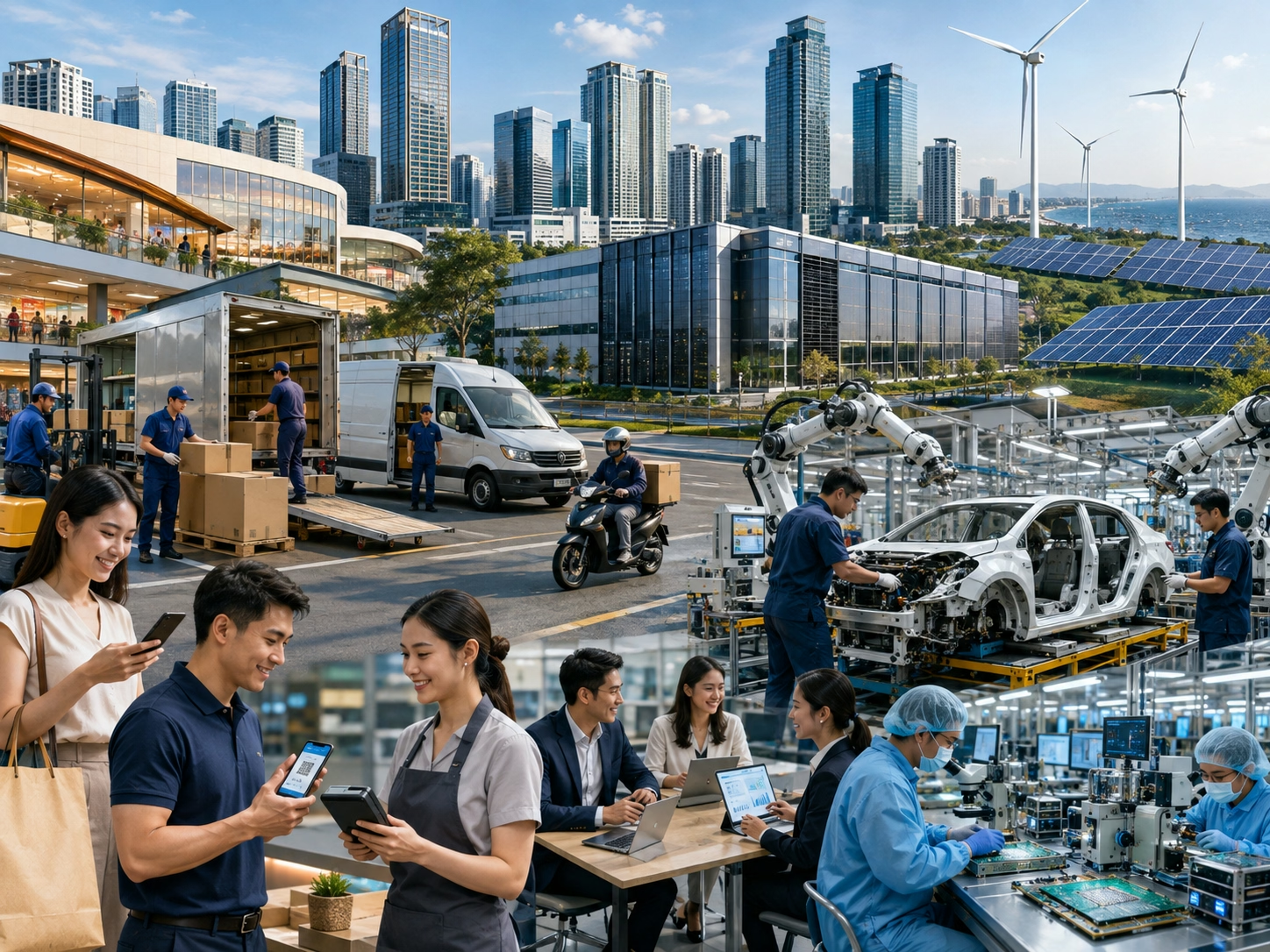
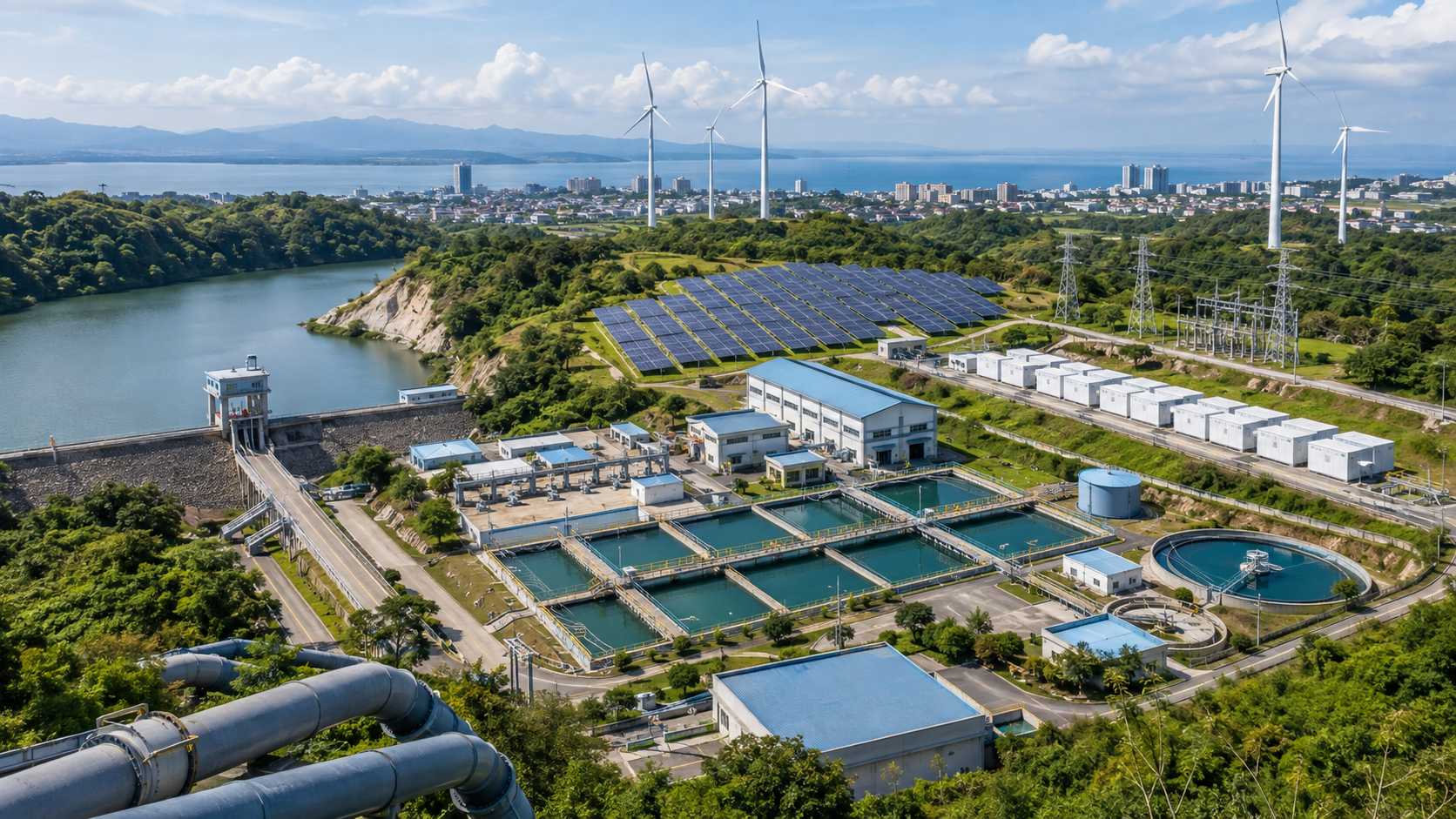
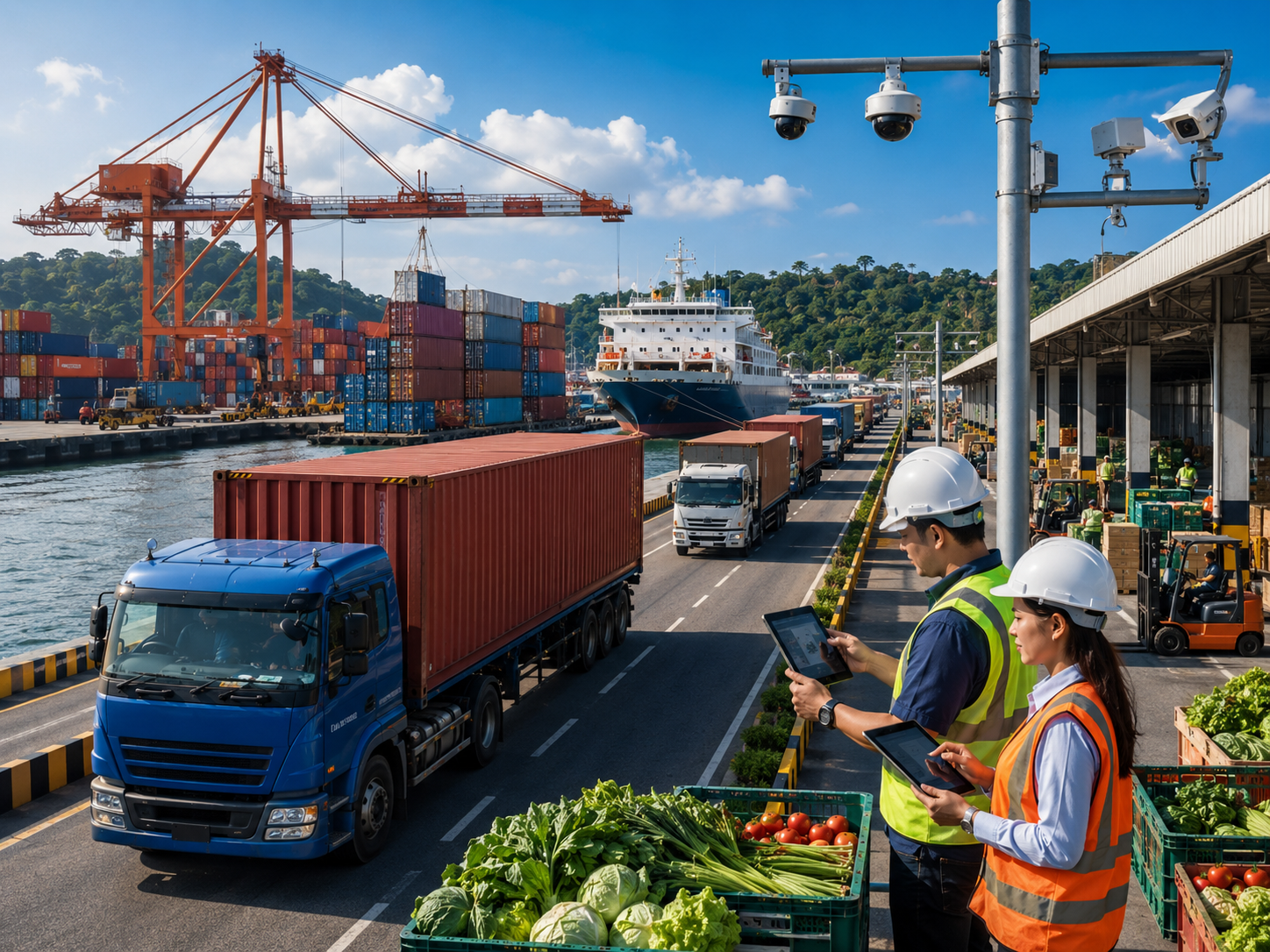
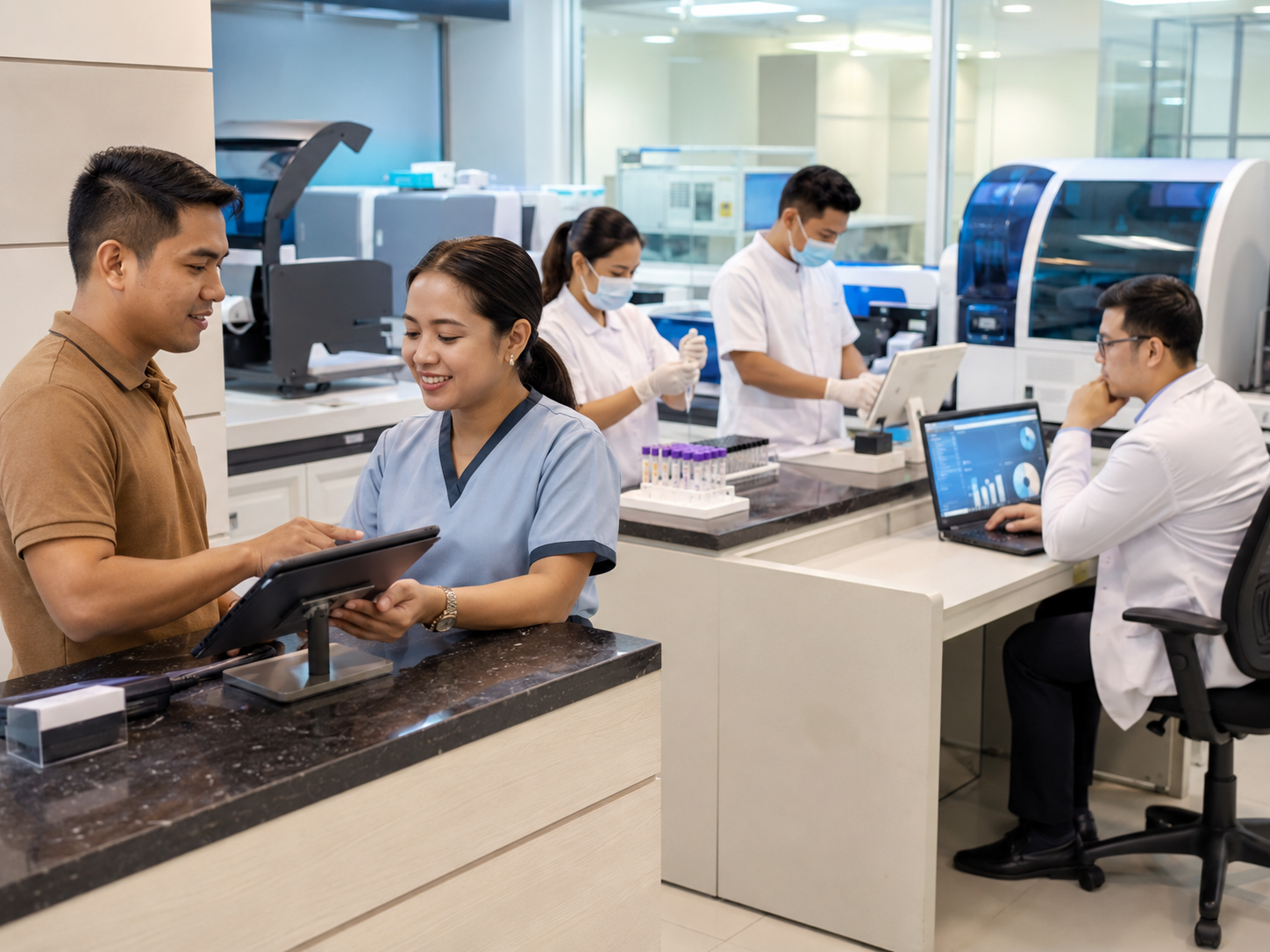
For businesses, working with schools is a practical talent development strategy. Instead of waiting until graduates apply for jobs, companies can help shape future workers earlier. Internship programs, mentorship, job shadowing, and workplace immersion give employers a chance to identify promising students and develop their skills. This can be especially useful for industries facing talent shortages or rapid expansion, such as business process outsourcing, logistics, healthcare support, renewable energy, and advanced manufacturing.
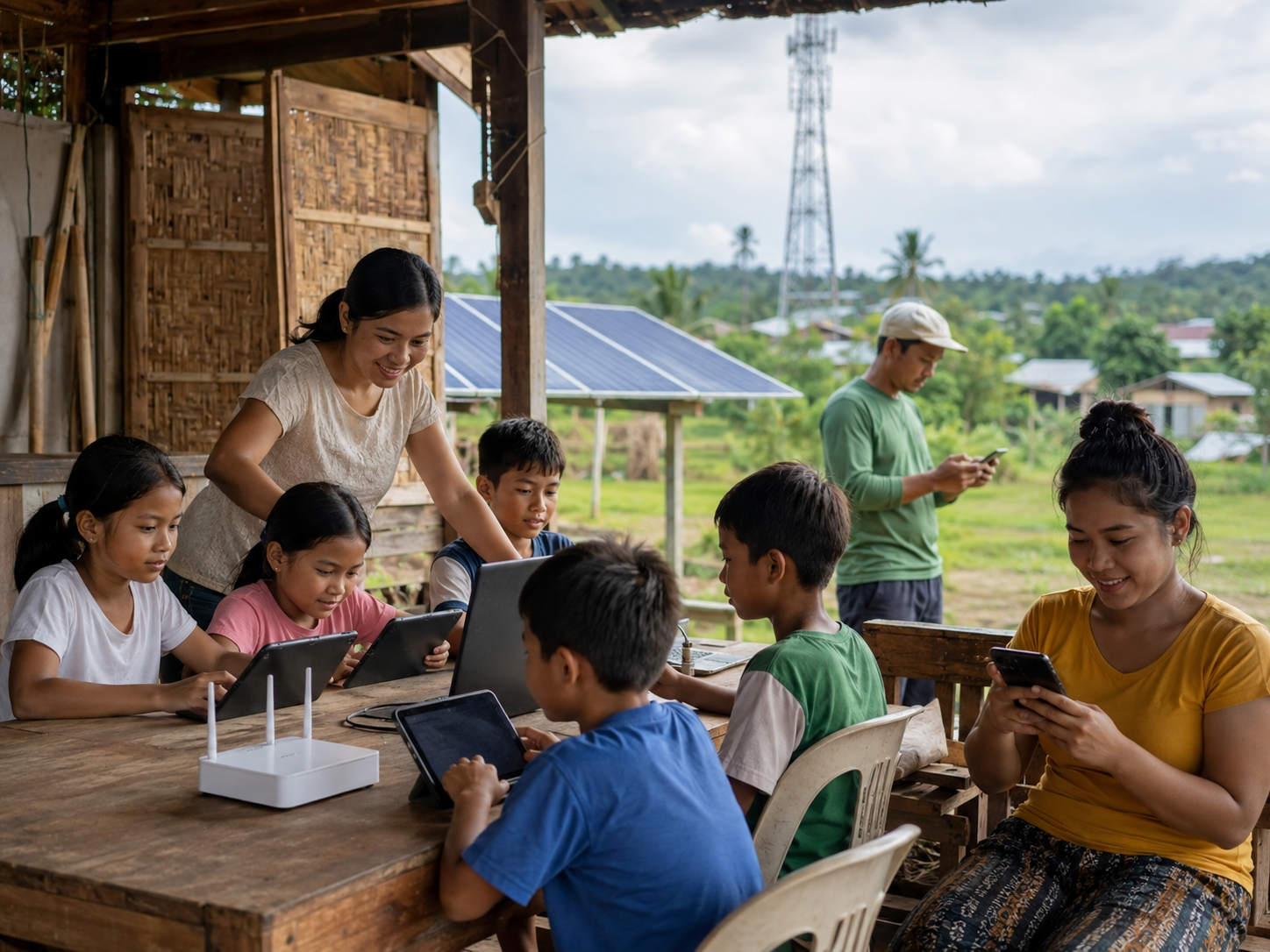
The benefits can also reach communities beyond major cities. Many young Filipinos in rural and provincial areas have limited access to high-quality training and professional networks. Business-education partnerships can bring industry-relevant programs to these locations through mobile training centers, online learning, local enterprise projects, and partnerships with local government units. This helps reduce inequality and encourages regional development. When students do not need to move immediately to urban centers to gain skills, more communities can participate in economic progress.
To make these collaborations successful, both sides must commit to long-term cooperation. Schools should remain open to industry feedback, while companies should respect the broader mission of education. Training must not focus only on immediate job tasks. Future workers also need critical thinking, emotional intelligence, entrepreneurship, environmental awareness, and the ability to keep learning as industries change.
The Philippines can build a stronger future workforce by connecting education with real business needs. When schools provide strong foundations and companies offer practical experience, students become better prepared for meaningful careers. This partnership can improve employability, strengthen industries, and support national growth in a changing global economy.




Leave a Reply