

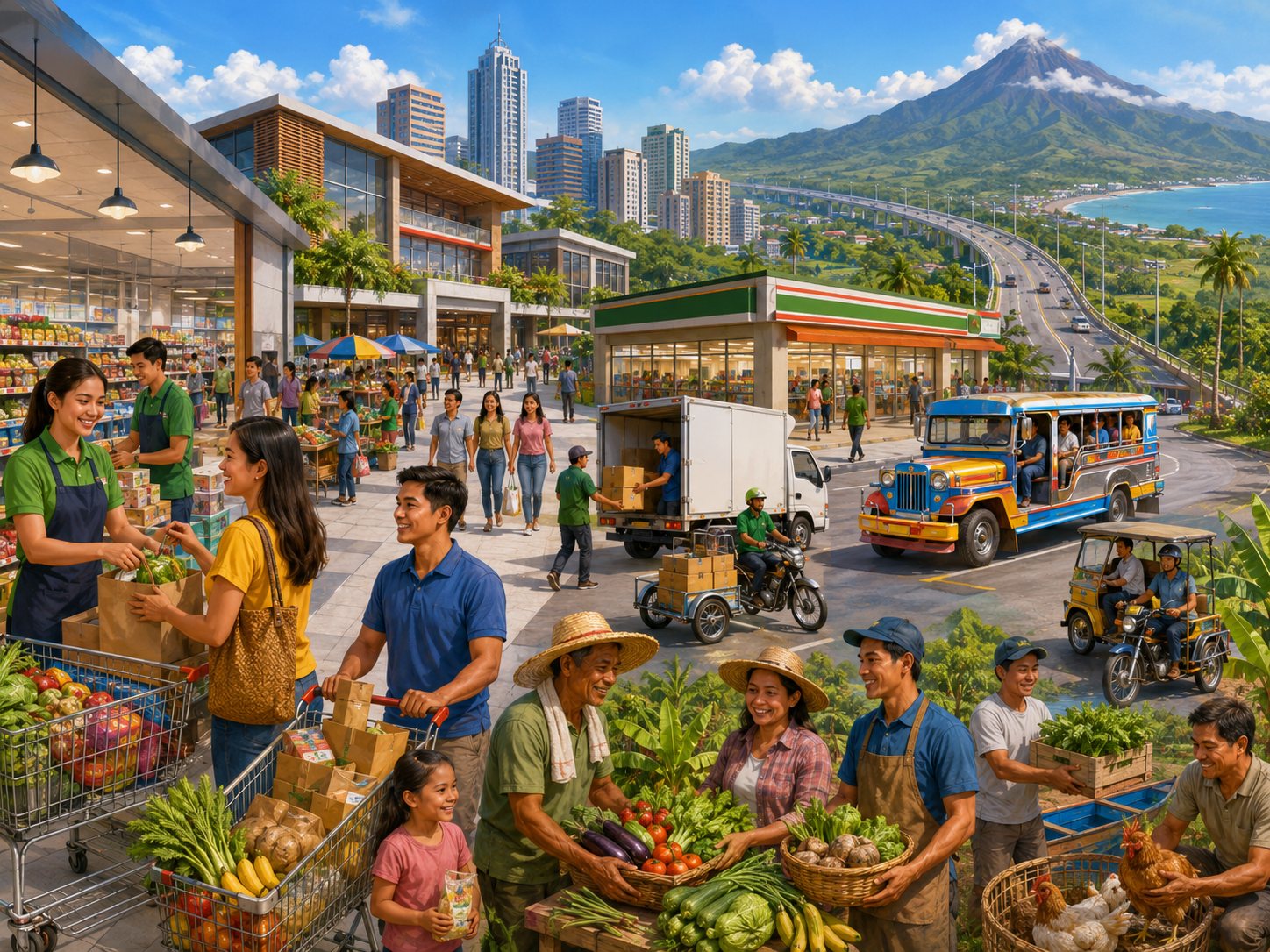
Retail enterprises have become a cornerstone of economic activity in the Philippines, influencing both urban and rural communities. Over the years, the proliferation of supermarkets, convenience stores, and shopping malls has significantly altered the economic landscape. Beyond providing goods and services, retail businesses have become vital engines of employment, infrastructure development, and local entrepreneurship.
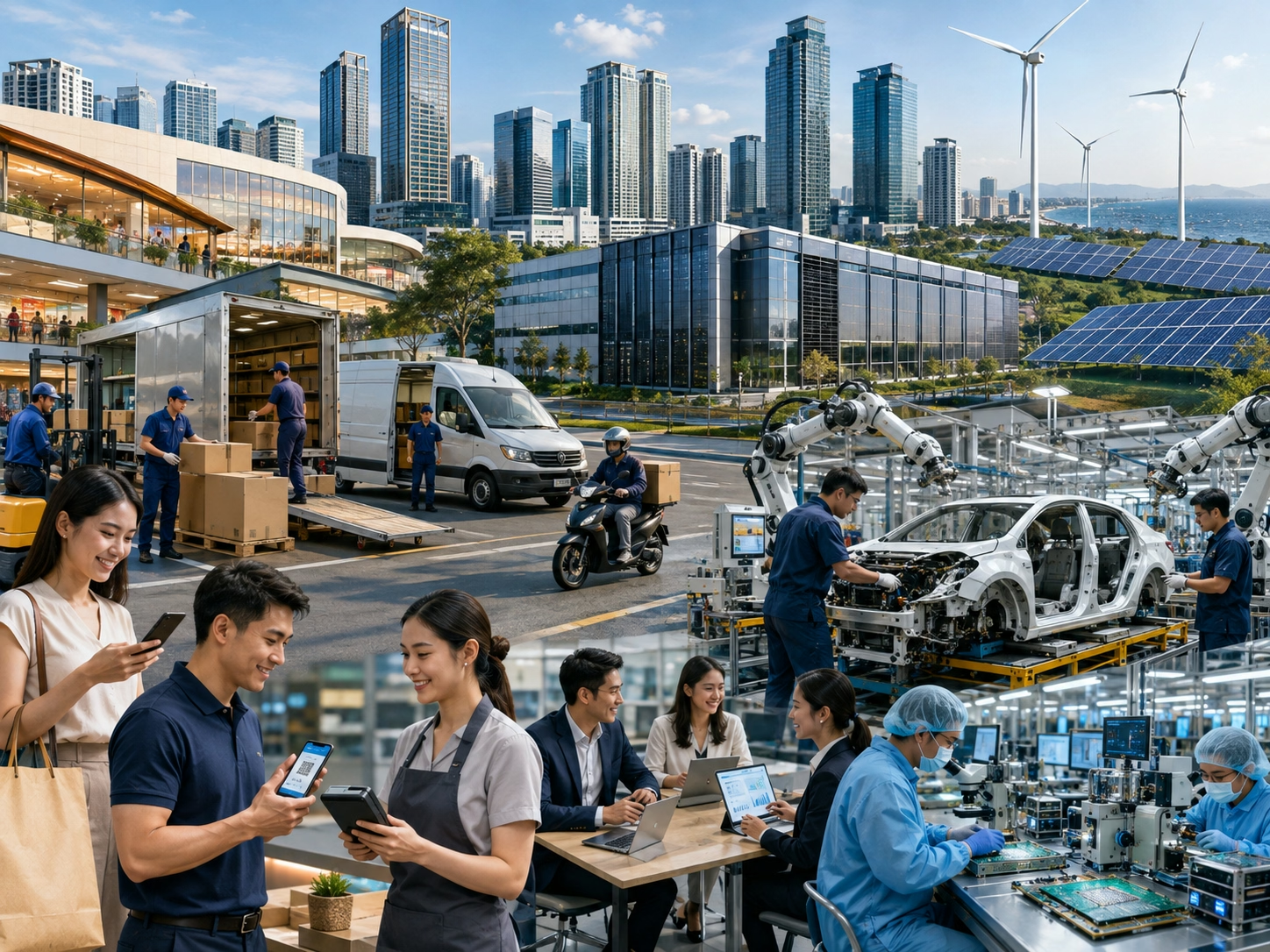
Employment generation is one of the most immediate ways retail businesses affect local economies. Large retail chains such as SM Supermalls, Robinsons, and 7-Eleven employ thousands of workers, including sales staff, logistics personnel, and management professionals. These positions not only provide income but also offer skill development through in-house training programs. Many employees gain valuable experience in customer service, inventory management, and retail operations, which enhances their long-term employability in the job market.
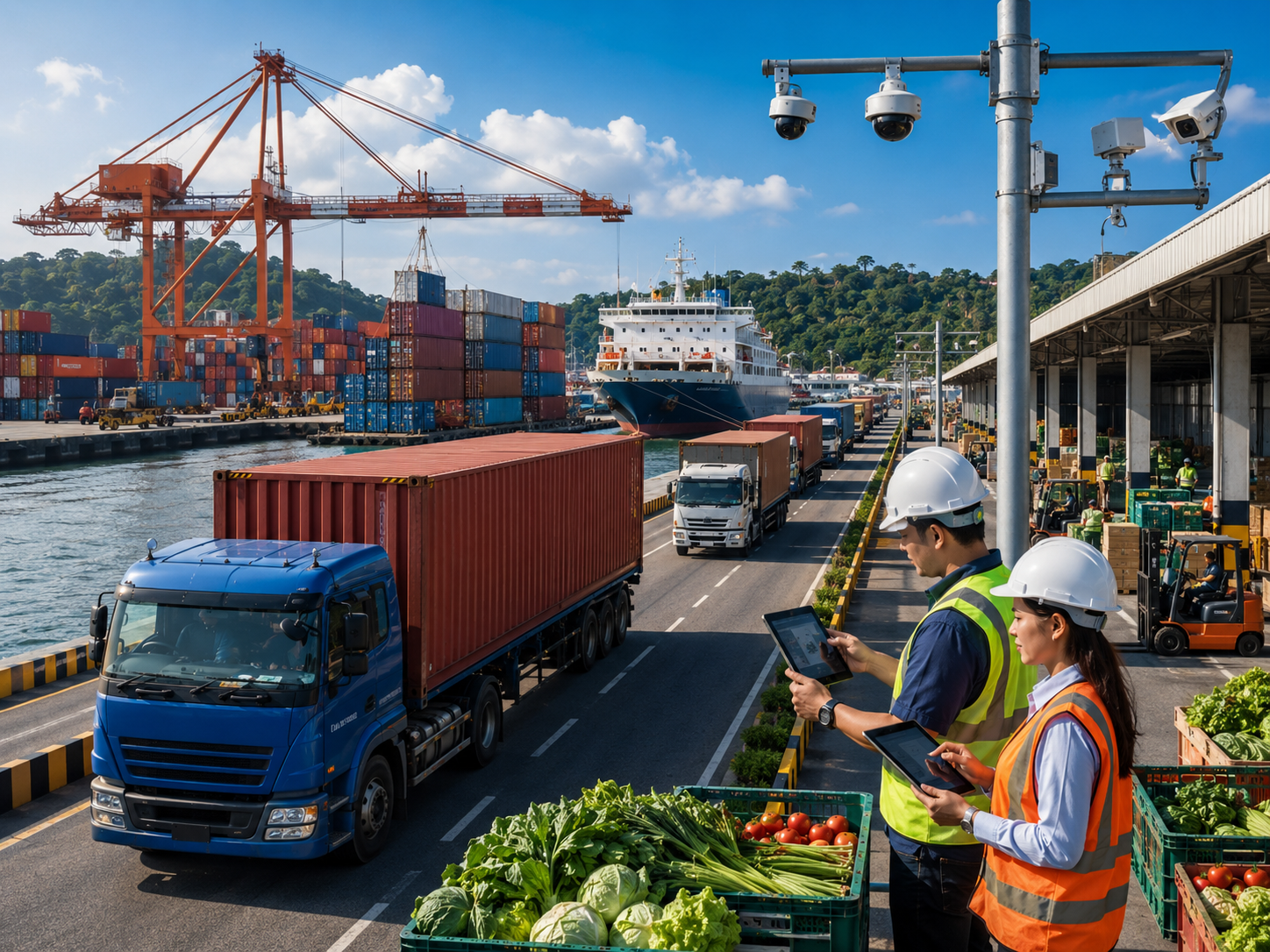
Another critical impact is the integration of local suppliers into the supply chain. Retail stores frequently source products such as fruits, vegetables, seafood, and manufactured goods from nearby communities. By purchasing from local producers, retail chains boost the income of small and medium-sized enterprises (SMEs) and contribute to the sustainability of local industries. For instance, Filipino farmers benefit from a stable market for their crops, reducing uncertainty and encouraging investment in improved agricultural techniques.
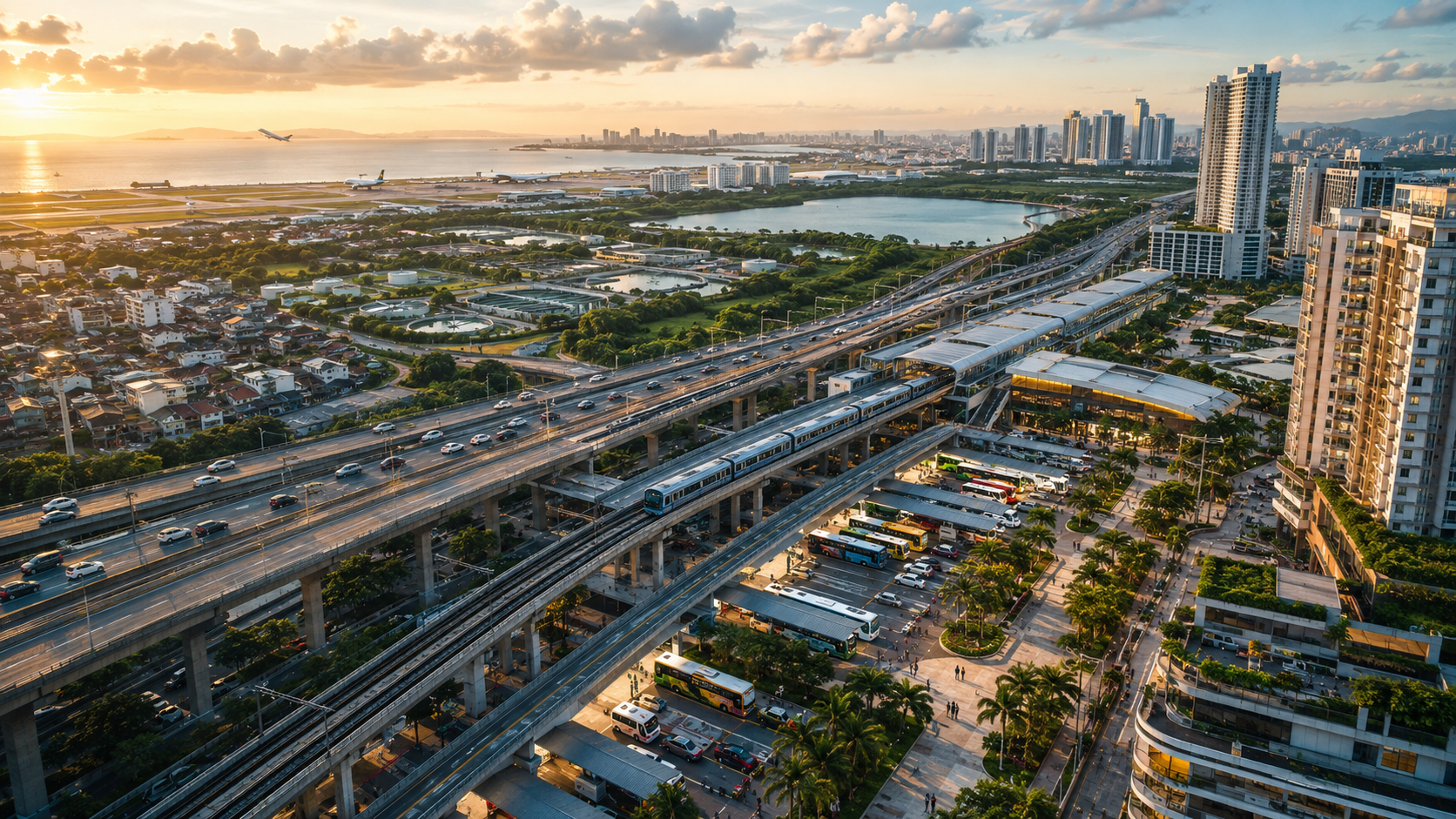
The presence of large retail companies also fosters infrastructure and urban development. The construction of malls and distribution centers often leads to the expansion of roads, transportation networks, and utility systems, benefiting surrounding neighborhoods. These developments attract ancillary businesses like restaurants, banks, and entertainment venues, creating economic clusters that provide additional jobs and services to local residents.
Consumer behavior is another area influenced by retail expansion. Modern retail stores offer convenience, competitive pricing, and a broad selection of products, altering how communities shop. Promotions, loyalty programs, and digital payment systems further encourage organized consumption, improving the efficiency of local commerce. As a result, local economies experience higher circulation of money, stimulating demand for both goods and services.
Despite the benefits, retail expansion can present challenges for smaller independent businesses. Large chains with economies of scale often sell products at lower prices, making it difficult for family-owned stores to compete. This dynamic can lead to reduced diversity in the retail market. Policymakers and business networks are increasingly focusing on collaborative models, encouraging large retailers to partner with local suppliers and support smaller enterprises to sustain a balanced economic ecosystem.
In sum, retail companies significantly shape local economies in the Philippines by generating jobs, supporting local producers, driving infrastructure growth, and influencing consumption patterns. While competitive pressures exist for small businesses, the net impact of retail on economic development and social well-being is substantial. Understanding this multifaceted influence is crucial for policymakers, entrepreneurs, and communities seeking sustainable economic growth.


Leave a Reply