


In the modern era, the digital economy has reshaped industries worldwide, and the Philippines is no different. Philippine companies have been instrumental in driving the country’s digital transformation, creating a thriving digital ecosystem that benefits both businesses and consumers. With the growing importance of online platforms, mobile services, and digital tools, companies in the Philippines have actively contributed to building a robust digital economy.
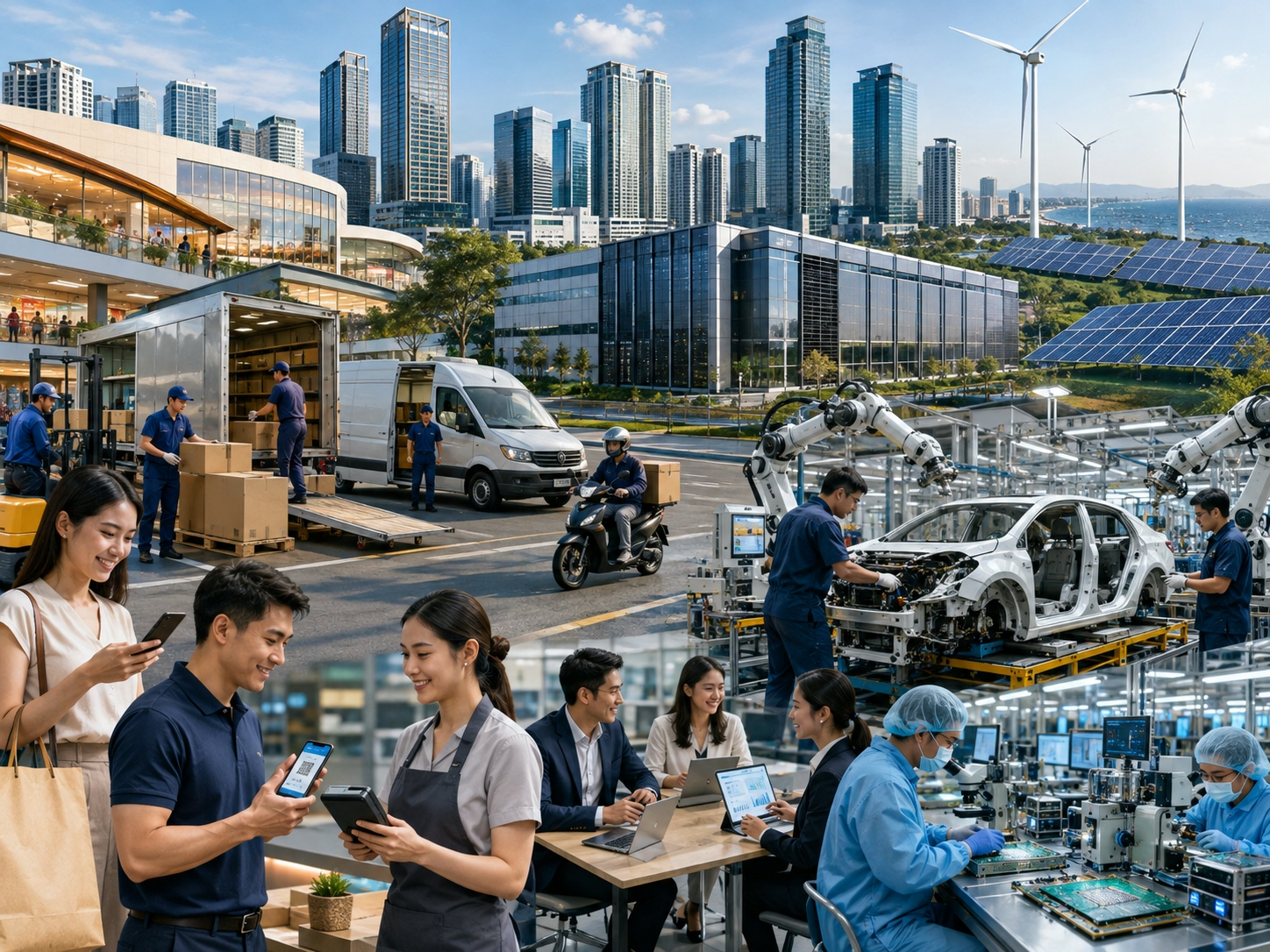
One of the primary ways companies in the Philippines support the digital economy is through their commitment to digital transformation. Many businesses, especially in finance, retail, and telecommunications, have integrated advanced technologies into their operations. For example, financial institutions have adopted digital banking services, mobile payments, and online loan platforms, making it easier for Filipinos to manage their finances and conduct transactions without the need to visit physical branches.
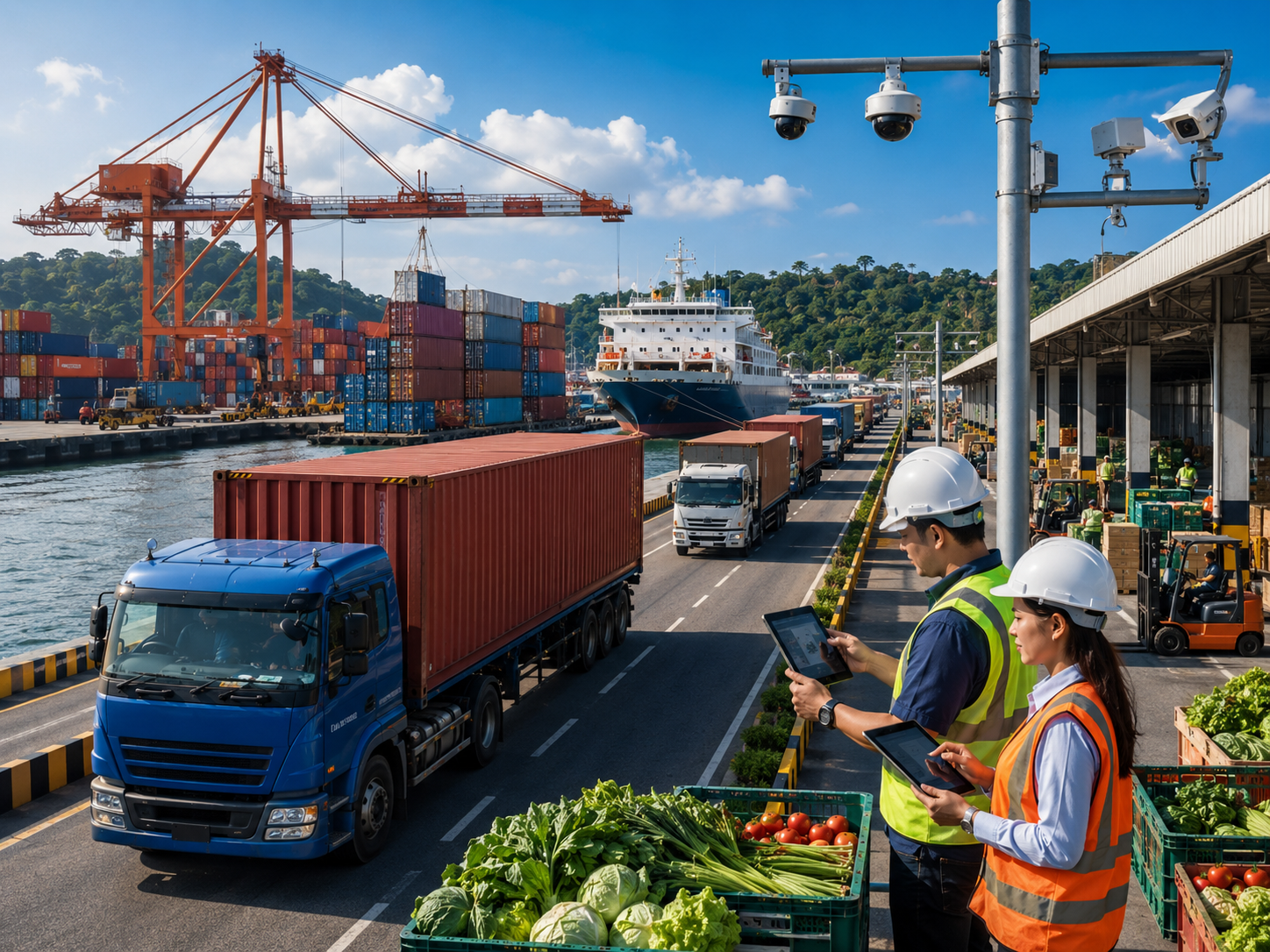
Similarly, the retail industry has undergone a massive shift as companies embrace e-commerce platforms. Online marketplaces, such as Lazada and Shopee, have become household names in the Philippines, offering convenience for consumers who can shop for products from a range of categories at their fingertips. This has also sparked growth in the logistics sector, as companies strive to ensure efficient delivery systems to meet the demands of online shopping.
Telecommunication providers like Globe and Smart have been pivotal in improving the country’s digital infrastructure. By expanding mobile coverage and internet access in both urban and rural areas, these companies have made it easier for Filipinos to connect with the digital world. As internet penetration increases, more Filipinos can take part in the digital economy, whether by accessing online education, starting digital businesses, or working remotely.
Another area where Filipino companies have made significant strides is in the business process outsourcing (BPO) sector. This industry, which has become one of the Philippines’ top economic drivers, continues to expand as more businesses around the world seek affordable and skilled labor for their digital services. The country’s talented workforce, combined with a favorable business environment, has attracted international companies to outsource customer service, IT, and other business functions to the Philippines.
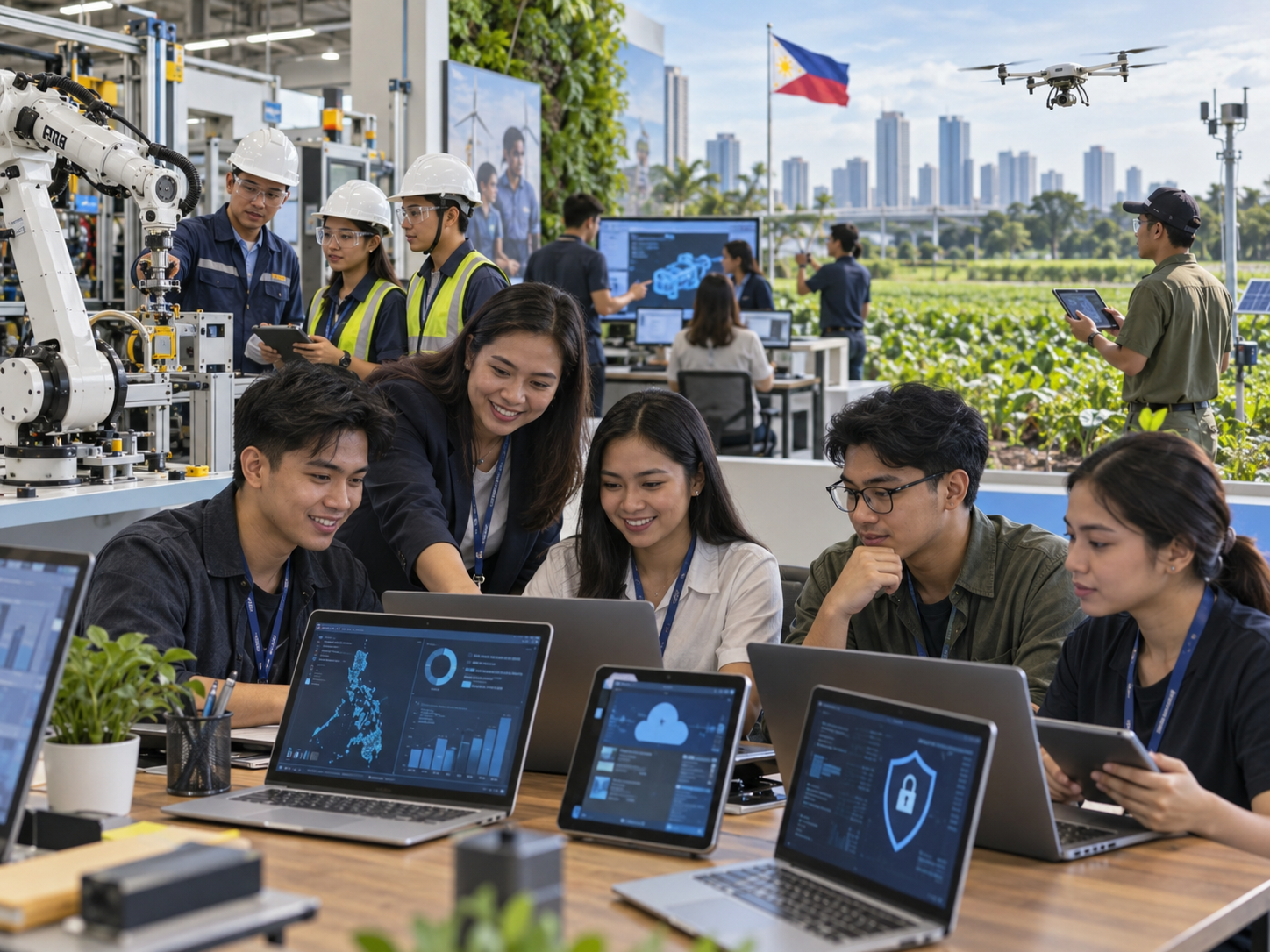
Cybersecurity is another area where companies in the Philippines are stepping up. As the digital economy grows, so does the risk of cyber threats. To protect their data and systems, businesses are investing heavily in cybersecurity measures, such as encryption, firewalls, and threat intelligence services. This focus on cybersecurity helps maintain the integrity and trust of digital platforms, which is essential for long-term growth.
Furthermore, Philippine businesses are contributing to the global digital economy by tapping into emerging technologies. Companies in various sectors are exploring artificial intelligence, blockchain, and the Internet of Things (IoT) to improve efficiencies and offer new services. These innovations are setting the stage for even more digital disruption and transformation in the years to come.
The government’s role in promoting the digital economy in the Philippines cannot be overlooked. Through initiatives aimed at improving internet infrastructure, digital literacy, and access to technology, the government has created a favorable environment for businesses to flourish. Public-private partnerships have been crucial in fostering the growth of the digital economy, which has ultimately benefited the country’s economy as a whole.






Leave a Reply