

The Philippines’ Clean Energy Shift Is Becoming a Business Story
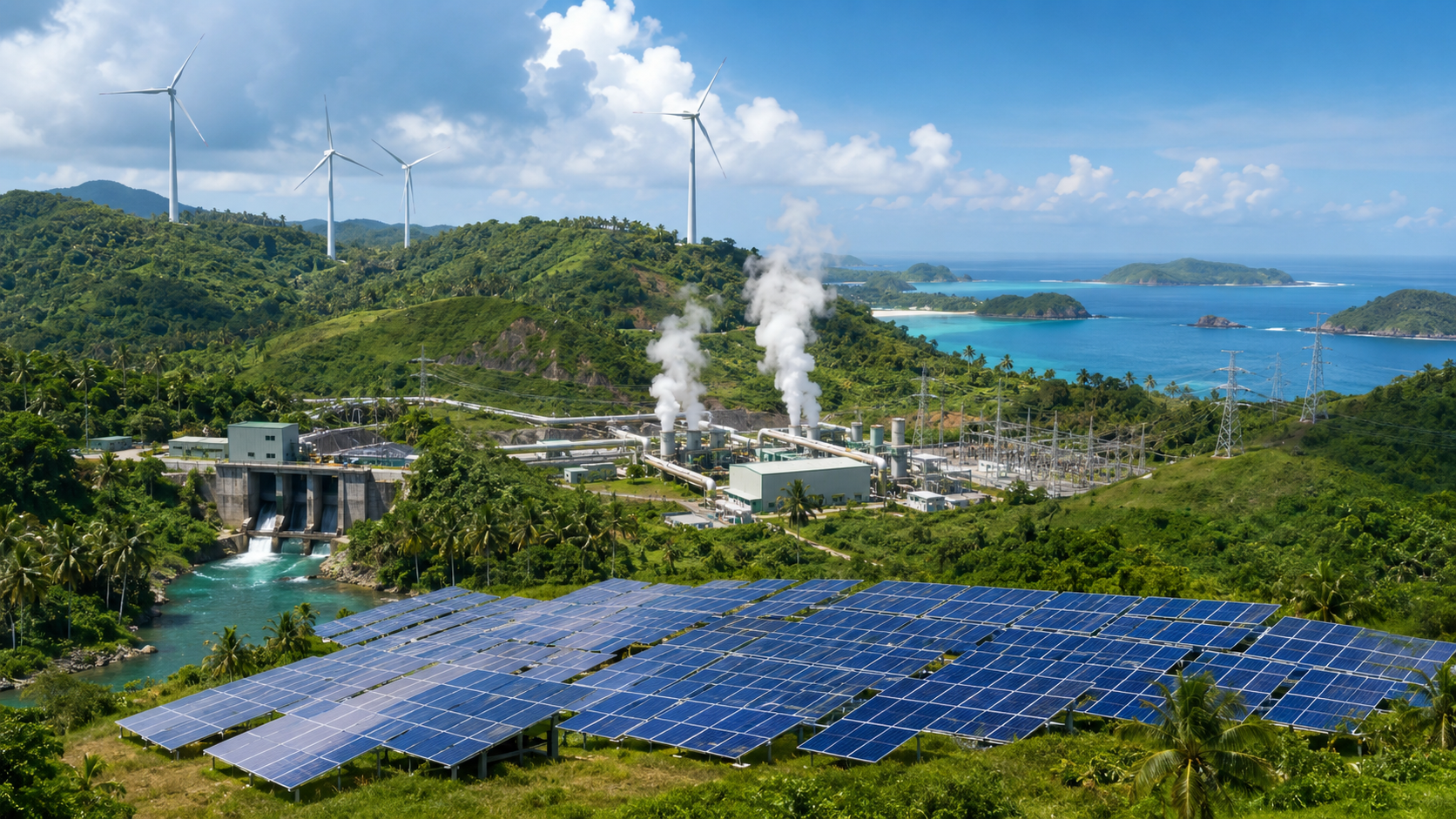
Renewable energy in the Philippines is no longer driven only by policy announcements or climate pledges. It is increasingly being shaped by companies that see clean power as a growth market. Across the country, local firms are investing in solar, wind, geothermal, hydro, and hybrid energy projects that could redefine how electricity is produced and delivered.
This business momentum is aligned with national policy. The Department of Energy has identified renewable energy as a key pillar of the country’s long-term power strategy, including the goal of reaching a 35% renewable share in the generation mix by 2030 and 50% by 2040.
ACEN Shows How Philippine Capital Can Go Global
ACEN has become a standout example of how a Philippine company can use renewable energy as a platform for regional growth. Backed by the Ayala Group, ACEN has pursued solar, wind, and other renewable assets in the Philippines and abroad. Its domestic activities are important because they help build investor confidence in the Philippine clean energy market.
The company’s approach reflects a wider change in corporate strategy. Renewable energy is no longer treated as a public relations effort. For ACEN, it is a core business model tied to power demand, carbon reduction, and long-term infrastructure value.
AboitizPower Brings Utility-Scale Discipline
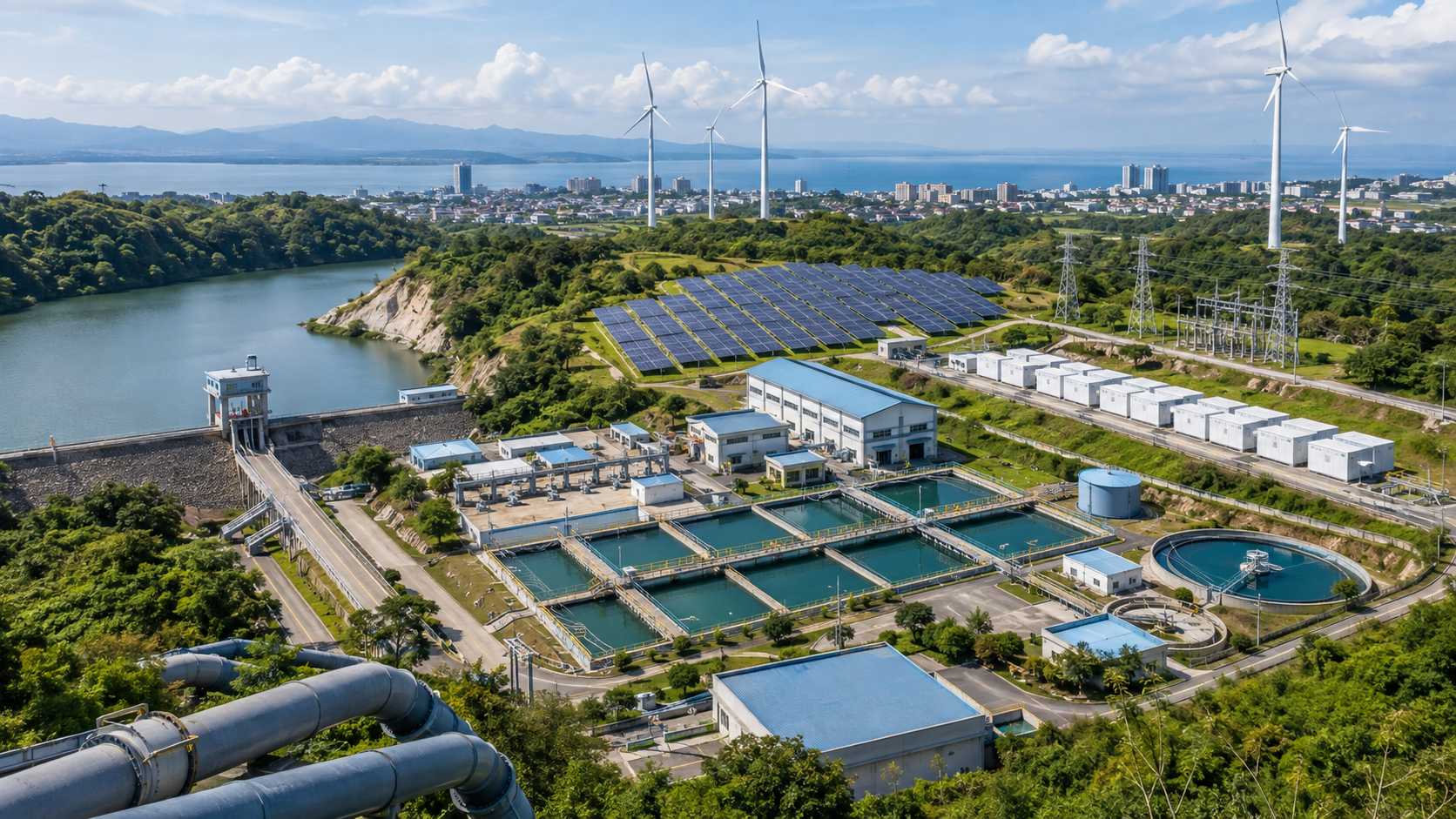
AboitizPower plays a different but equally important role. As one of the country’s major power companies, it has the scale, experience, and customer base needed to make renewable energy expansion more reliable. Its renewable portfolio includes assets such as hydro and geothermal, with increasing attention on solar and other clean energy sources.
The company’s transition is closely watched because large power producers cannot focus only on speed. They must also manage grid requirements, cost pressures, and customer reliability. That makes AboitizPower’s renewable strategy especially relevant to the practical side of the Philippine energy transition.
EDC Keeps Geothermal at the Center of the Debate
The Energy Development Corporation remains one of the country’s most important clean energy players because of its geothermal expertise. In a market where solar and wind are expanding, geothermal provides a crucial advantage: it can generate power continuously.
This matters in the Philippines, where the grid needs dependable supply alongside new variable renewable capacity. EDC’s geothermal assets help show that the renewable transition is not only about building more solar panels. It also requires stable clean power that can support households, businesses, and industries day and night.
Solar Philippines and Citicore Push Solar Into the Mainstream
Solar-focused companies have changed the public conversation about renewable energy. Solar Philippines helped popularize the idea of large-scale solar development, while Citicore Renewable Energy Corporation has built a business around solar platforms and clean power supply.
Their rise is connected to the falling cost of solar technology and the Philippines’ strong sunlight potential. More importantly, these companies are helping prove that solar can be deployed at commercial scale, not just as rooftop systems or small pilot projects.
Alternergy and the Value of Niche Innovation
Alternergy adds another layer to the sector through wind, run-of-river hydro, and other renewable projects. Smaller and mid-sized developers like Alternergy are important because they often move into specialized markets or locations that larger utilities may not prioritize first.
This kind of company helps diversify the renewable energy pipeline and reduces dependence on only a few major players.
A Market Entering a More Competitive Phase
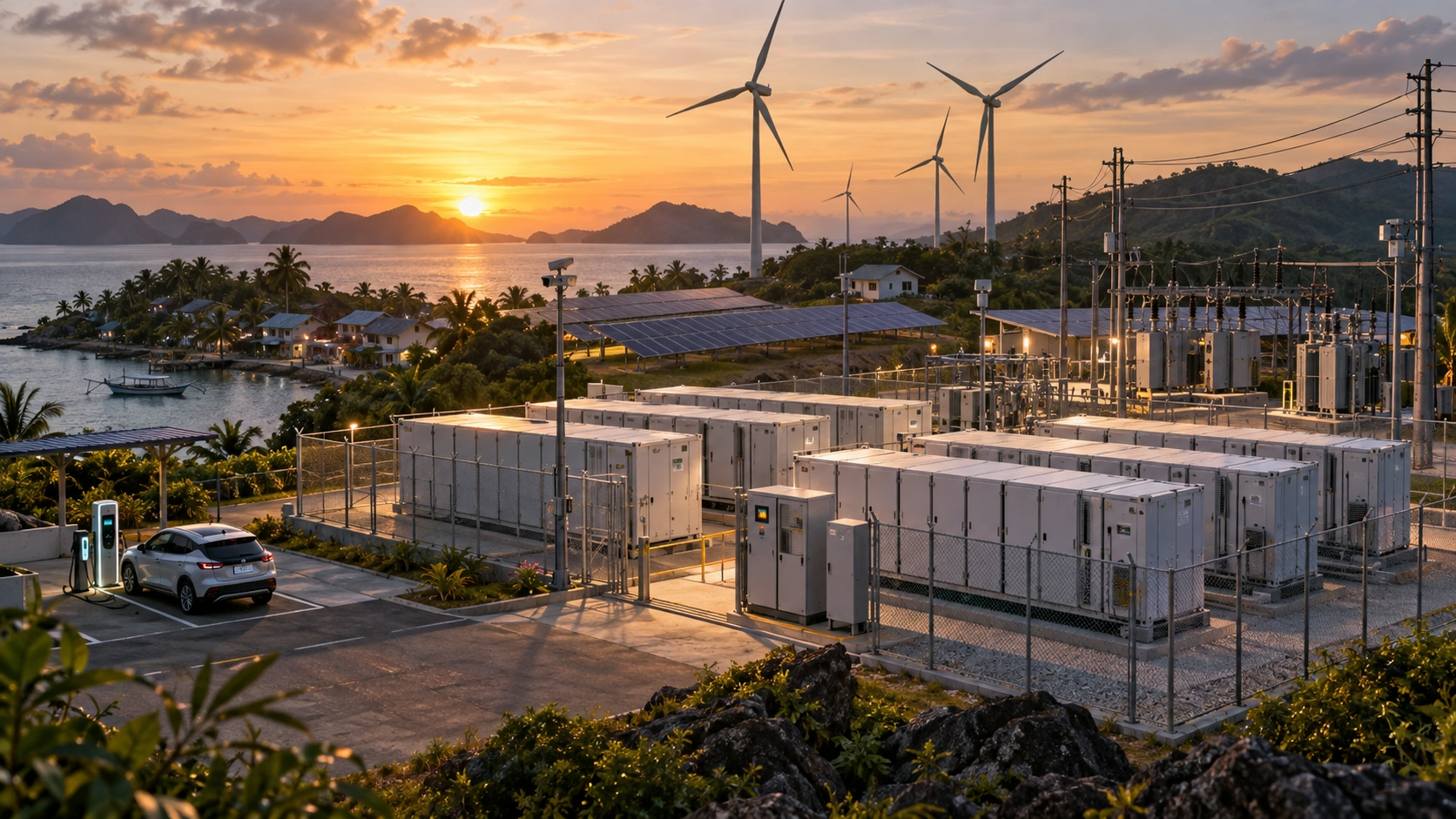
The next stage for Philippine renewable energy will depend on permitting, transmission upgrades, financing, and battery storage. But the corporate direction is already clear. Local companies are no longer waiting for the future of energy to arrive. They are building it through projects that connect climate goals with real economic demand.








Leave a Reply