In the past decade, the Philippines has experienced a significant transformation in its business sector, with a growing emphasis on sustainability and eco-friendly practices. As the country faces the increasing impacts of climate change, businesses are stepping up to contribute to environmental conservation and sustainable development. These green initiatives reflect a global trend towards more responsible consumption and production, with the Philippines playing an active role in this movement.
One of the driving forces behind the rise of green business in the Philippines is the regulatory framework designed to encourage sustainable practices. The Philippine government has put in place several laws aimed at protecting the environment, such as the Clean Water Act and the Renewable Energy Act. These laws incentivize businesses to reduce pollution, invest in renewable energy, and adopt sustainable resource management practices. Consequently, businesses are being urged to consider the environmental impact of their operations and to adopt practices that align with national and international sustainability goals.
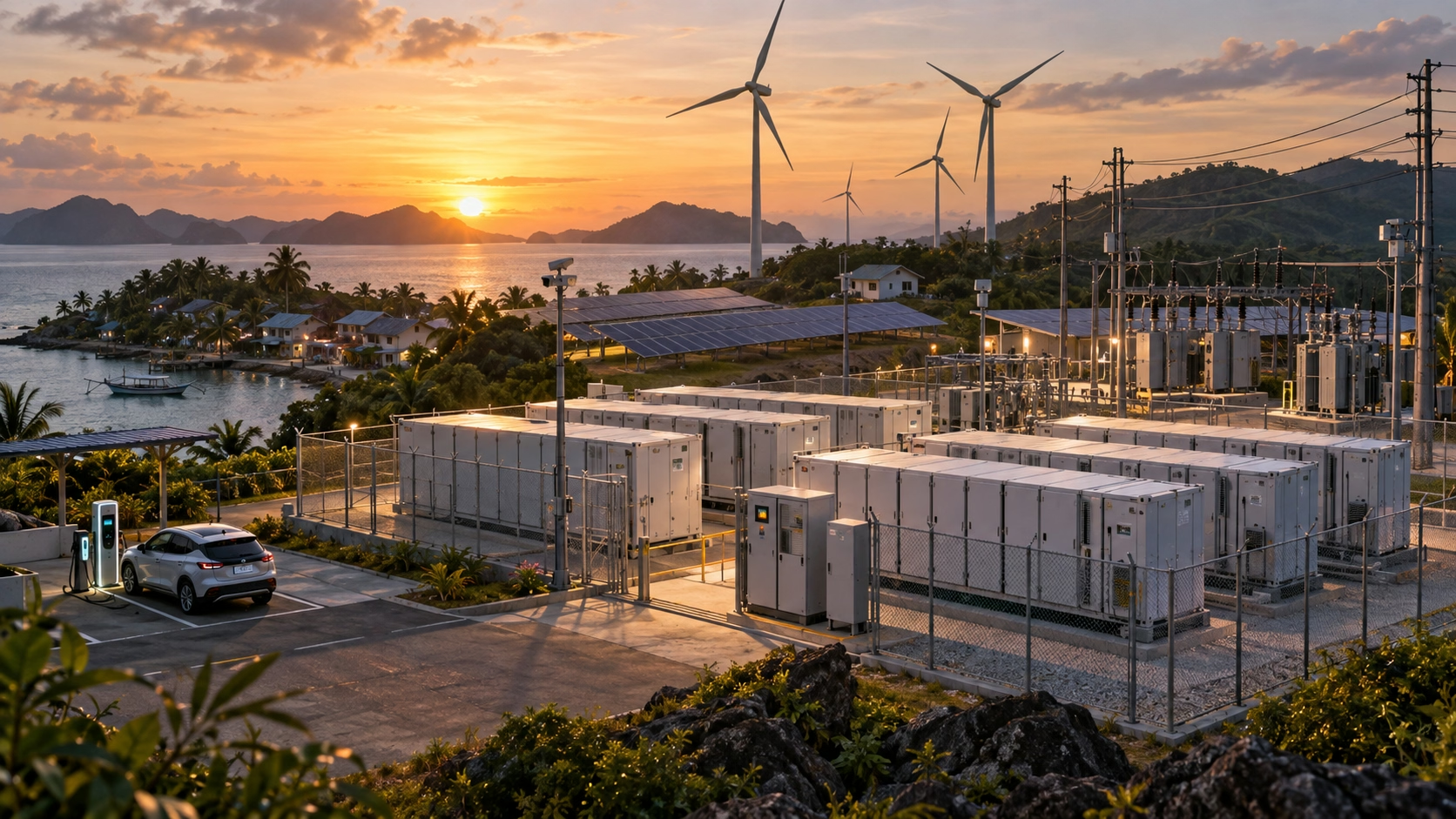
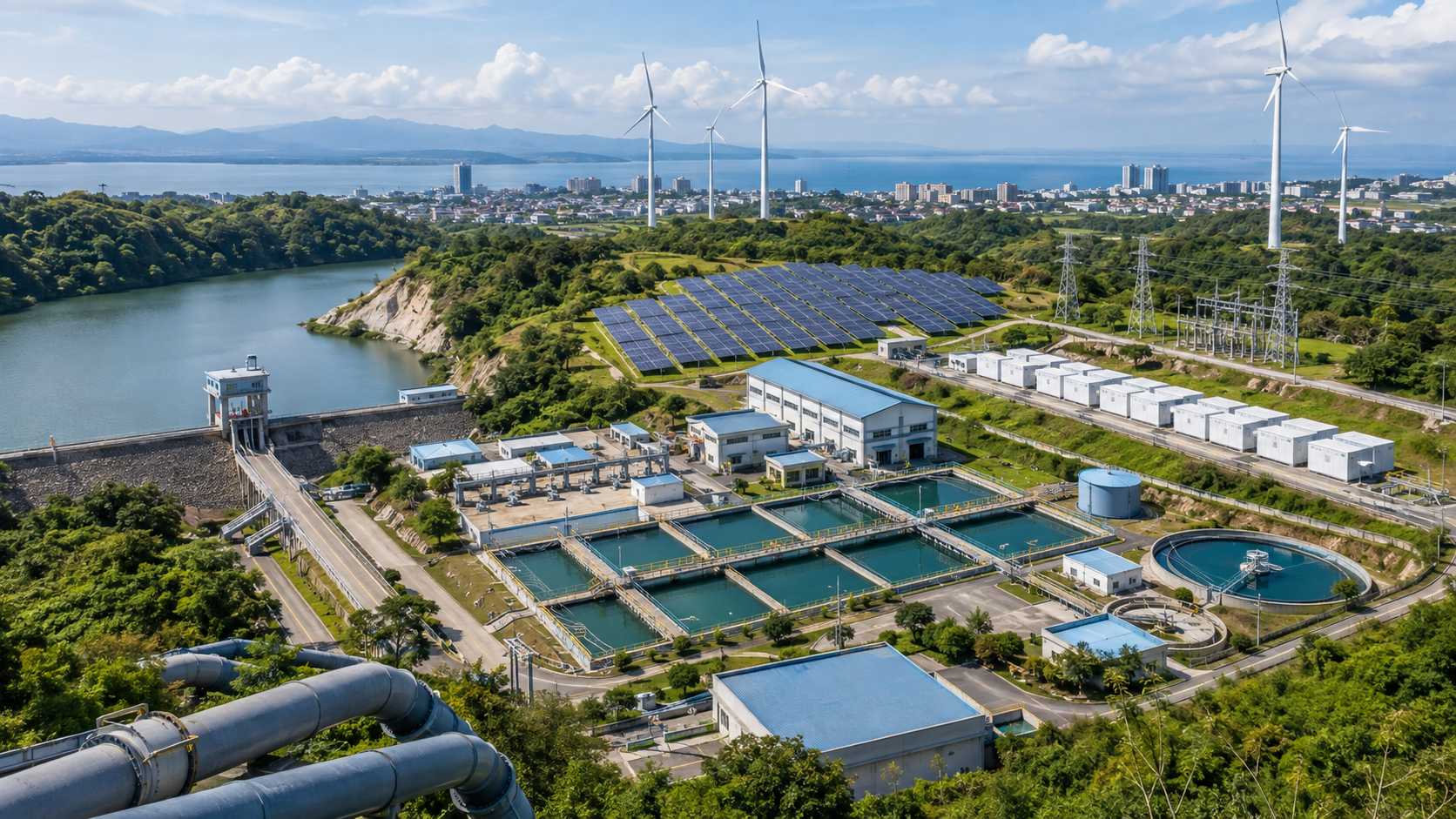
Renewable energy has become a focal point for businesses in the Philippines. With an abundance of natural resources, the country has a unique opportunity to harness solar, wind, and geothermal power for sustainable energy production. Major corporations, such as Ayala Land and Metro Pacific Investments Corporation, have committed to using renewable energy sources in their operations, both to reduce their carbon footprint and to comply with the government’s renewable energy targets. The use of solar panels, wind turbines, and other green technologies is now a common sight in many large-scale commercial and industrial facilities across the country.
In addition to renewable energy, waste reduction has become a priority for Filipino businesses. Companies are investing in waste-to-energy technologies, recycling programs, and waste segregation initiatives. Many businesses in the Philippines are also prioritizing the use of recyclable and biodegradable materials, particularly in packaging. This shift towards eco-friendly packaging solutions is being driven by both consumer demand for greener alternatives and the government’s efforts to reduce plastic waste in the country.
Corporate social responsibility (CSR) has evolved to focus on environmental sustainability. Filipino companies are increasingly aligning their CSR efforts with environmental conservation projects. For instance, the Manila Electric Company (Meralco) has launched programs aimed at promoting energy efficiency and reducing carbon emissions. Similarly, the Aboitiz Group, a prominent player in the energy sector, has been working on reforestation initiatives and promoting responsible water usage.
Moreover, green business practices are not confined to large enterprises. Small businesses are also embracing sustainability, especially in sectors like agriculture and tourism. Organic farming, sustainable seafood, and eco-tourism are growing sectors that are contributing to the green economy. These businesses are not only benefiting the environment but are also appealing to consumers who are increasingly concerned about sustainability.
The rise of green business practices in the Philippines is an exciting development, signaling a shift towards a more sustainable and eco-conscious economy. With continued collaboration between the government, businesses, and consumers, the Philippines is poised to become a regional leader in sustainable business practices.