

Corporate philanthropy in the Philippines was once commonly associated with holiday gift-giving, relief packages, and ceremonial donations. While these activities remain valuable during emergencies, the country’s most established companies are increasingly developing programs that address the causes of poverty and social exclusion.
The shift from charity to sustainable development reflects a broader understanding of corporate responsibility. Communities need more than temporary assistance. They need education, market access, healthcare, financial capability, infrastructure, and opportunities to earn stable incomes.
SM Foundation and the Value of Long-Term Assistance
SM Foundation represents one of the most visible corporate social responsibility platforms in the Philippines. Its activities include scholarship assistance, school facilities, medical missions, community health services, and support for vulnerable sectors.
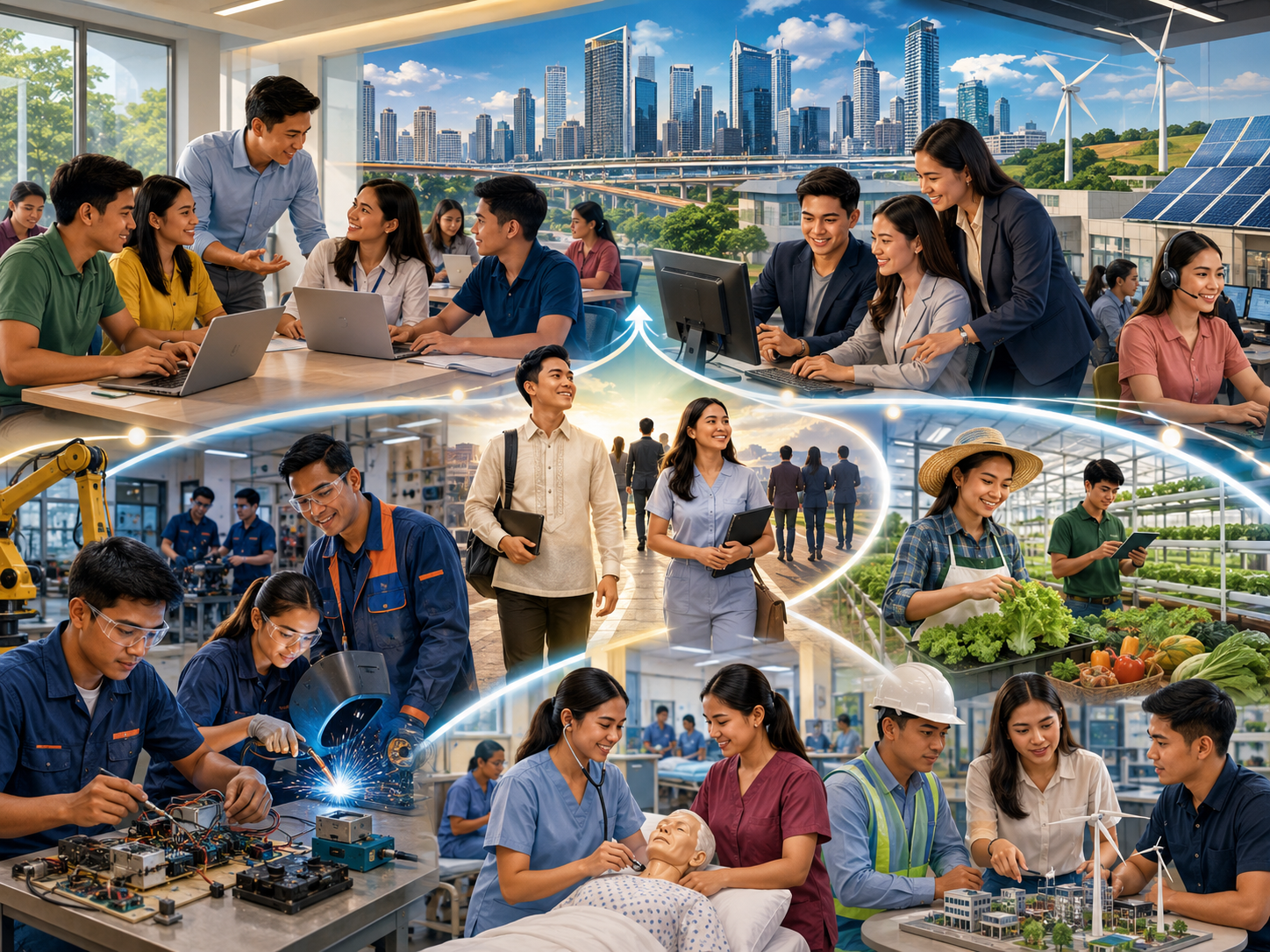
The scholarship program is particularly important because it treats education as a long-term investment. Instead of providing temporary financial relief, the initiative helps qualified students from low-income households complete college programs and improve their employment prospects.
Details about these activities are available through the official SM Foundation website.
Why Education-Based CSR Can Create Lasting Results
Scholarship programs can influence entire households. When a student completes a degree and secures stable employment, the resulting income may support parents, siblings, and future educational expenses.
However, financial support alone may not be sufficient. Strong scholarship initiatives should also provide mentoring, career preparation, internship access, and guidance during the transition from university to employment.
Jollibee Group Foundation and Inclusive Supply Chains
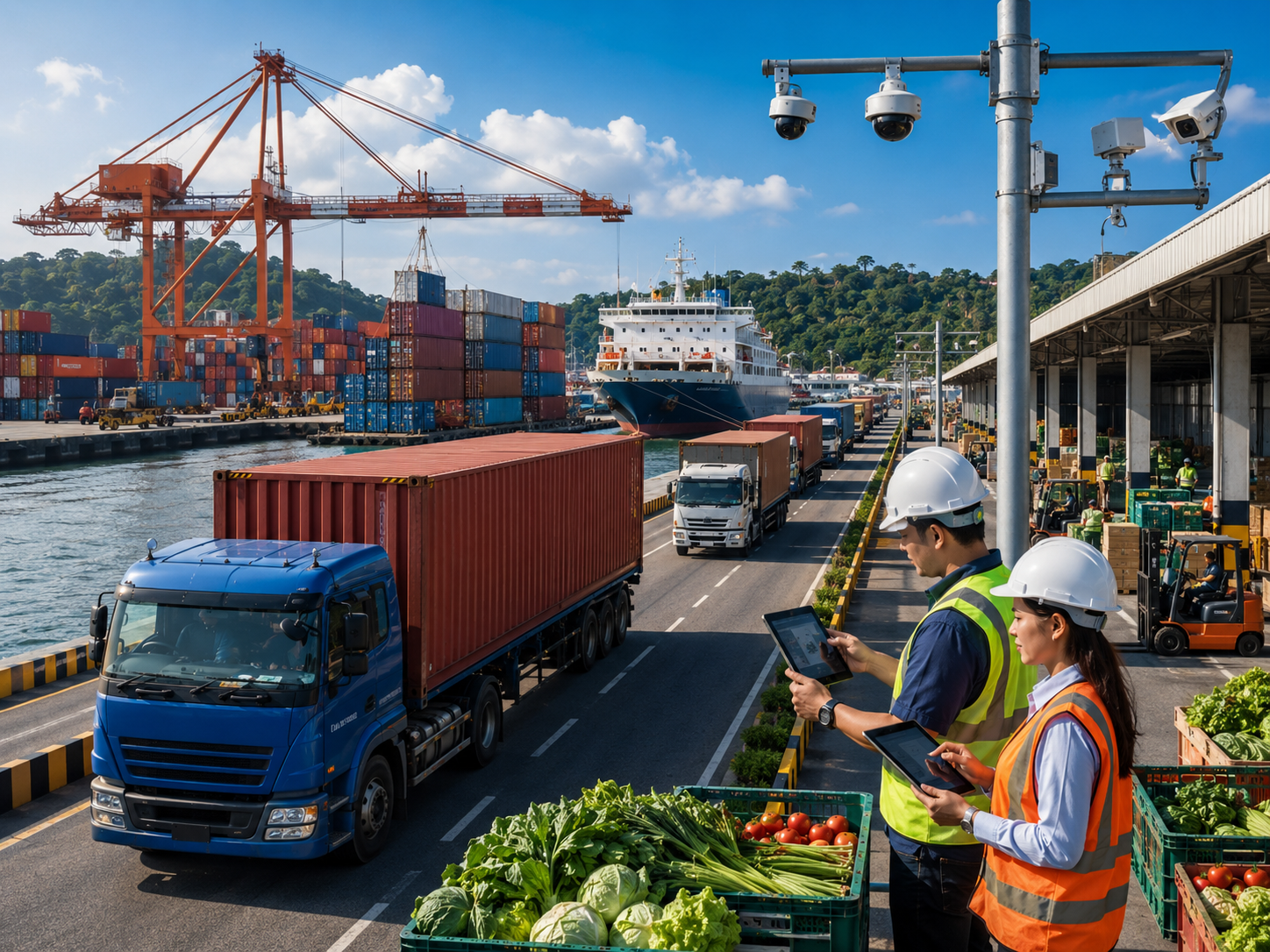
Jollibee Group Foundation demonstrates how CSR can be linked to a company’s core operations. Through farmer-development initiatives, agricultural communities receive training in production planning, entrepreneurship, financial management, and quality control.
Farmers are not treated only as beneficiaries. They are prepared to participate in formal supply chains.
This approach can create more sustainable economic value because it connects community development with real market demand. It also shows how procurement policies can become part of a company’s social-impact strategy.
Ayala and Cross-Sector Collaboration
The Ayala group’s presence in banking, telecommunications, property, healthcare, and infrastructure gives it access to multiple forms of expertise. Its social-development initiatives can therefore involve financial inclusion, educational support, digital tools, community partnerships, and employee volunteering.
A diversified company can achieve greater impact when its subsidiaries collaborate. A community program, for example, may combine internet connectivity, financial education, healthcare access, and livelihood assistance rather than addressing each need separately.
San Miguel and Large-Scale Community Engagement
San Miguel Corporation has the resources to support disaster relief, livelihood projects, environmental initiatives, and infrastructure-related community assistance.
Its scale also creates higher expectations. Communities and regulators increasingly demand clear environmental safeguards, transparent reporting, and evidence that development projects do not transfer social or ecological costs to vulnerable residents.
PLDT and the Digital Responsibility Agenda
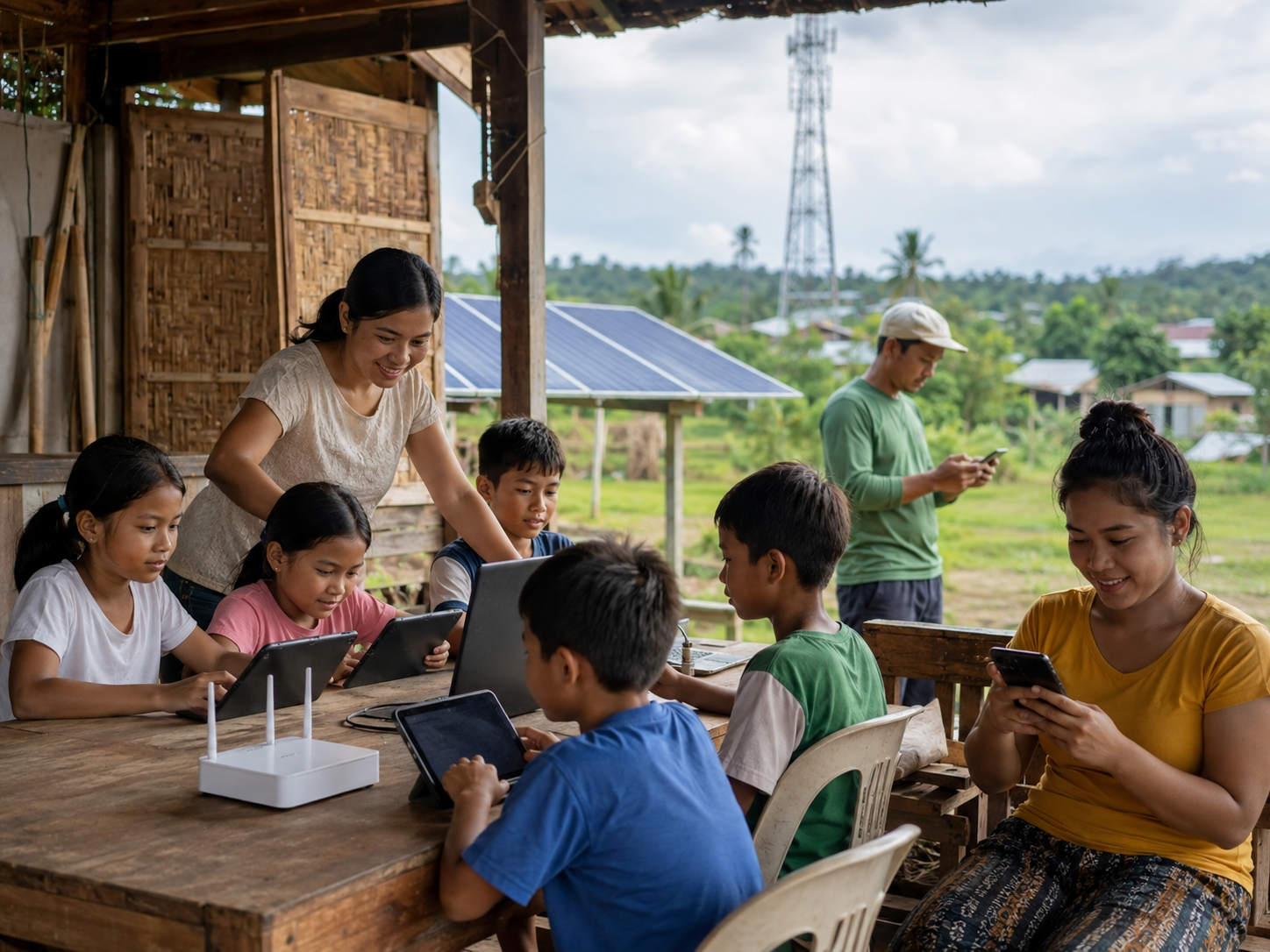
Connectivity has become essential for education, employment, government services, banking, and disaster communication. PLDT and Smart’s digital-inclusion programs address a form of inequality that became especially visible during the expansion of remote learning and online work.
Providing devices or connectivity is useful, but sustainable digital inclusion must also cover online safety, teacher training, technical support, and media literacy.
The New Standard for Philippine CSR
Modern CSR should produce outcomes that remain after a company’s initial intervention ends. The strongest programs build skills, strengthen institutions, create market opportunities, and involve community members in decision-making.
Philippine companies that move beyond publicity-focused donations can become important partners in national development. Their credibility, however, will depend on measurable results, independent evaluation, and honest disclosure of both achievements and limitations.




Leave a Reply