Multinational corporations influence the Philippines in ways that vary significantly by sector. Understanding these differences clarifies how to amplify benefits and curb harms.
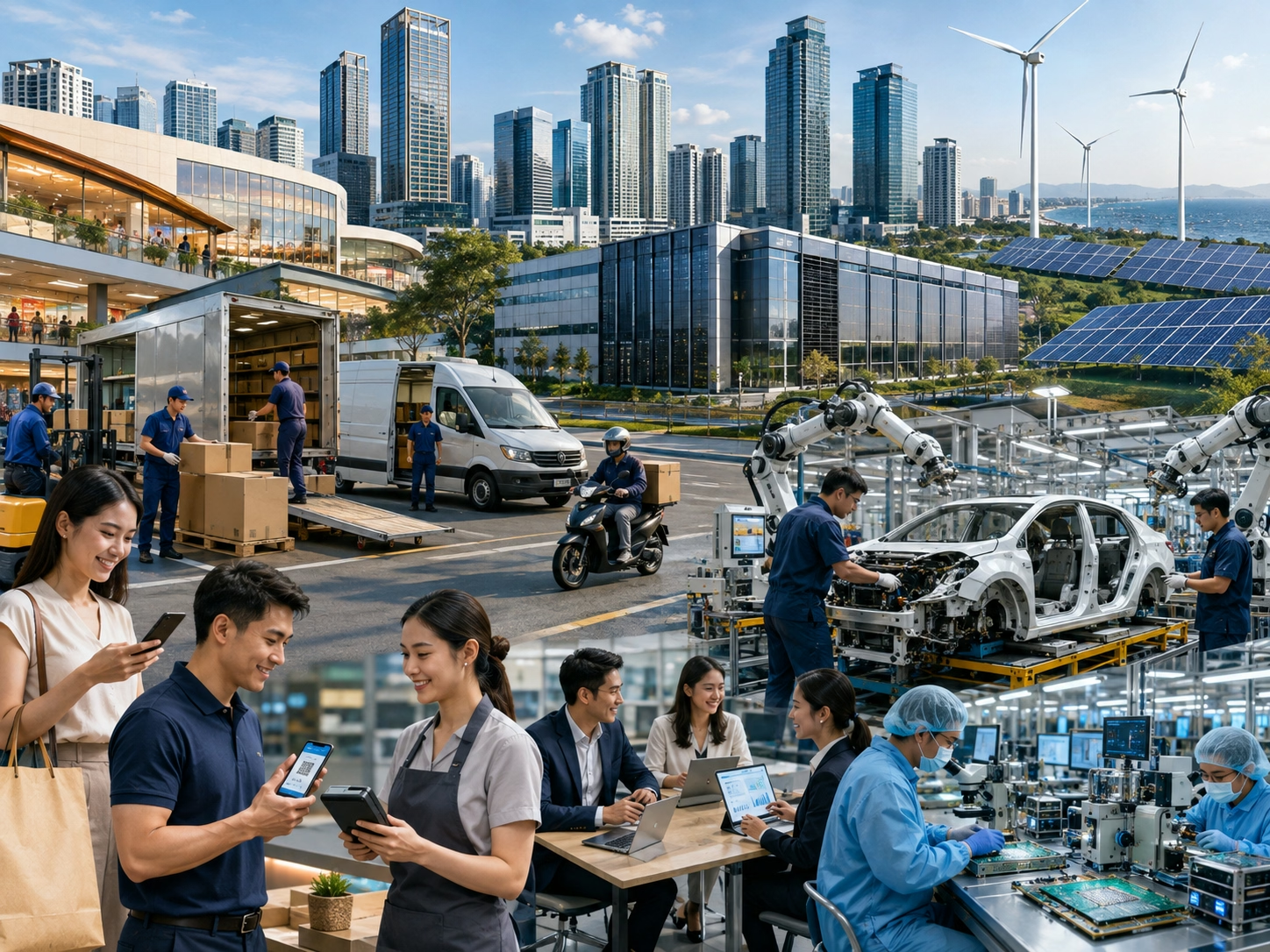
In electronics, global manufacturers established plants to assemble semiconductors, sensors, and consumer components. The economic upside is straightforward: export earnings and formal jobs with safety protocols that exceed local norms. The sector has nudged domestic suppliers to meet ISO standards and adopt lean production, spreading operational discipline. Yet the position is still largely “build-to-spec.” Without local design centers and materials science expertise, value capture remains limited, and exposure to global cycles remains high.
Business process outsourcing shows a contrasting model. International tech and professional services firms built large operations for customer support, finance, HR, and increasingly, higher-value analytics and engineering services. These jobs often provide faster promotions, soft-skill development, and managerial experience. The social fabric shifts as well: greater female participation, opportunities for mid-career shifters, and a cosmopolitan workplace culture. Downsides include nocturnal work patterns and burnout risks; continuous training and wellness programs are essential mitigations.
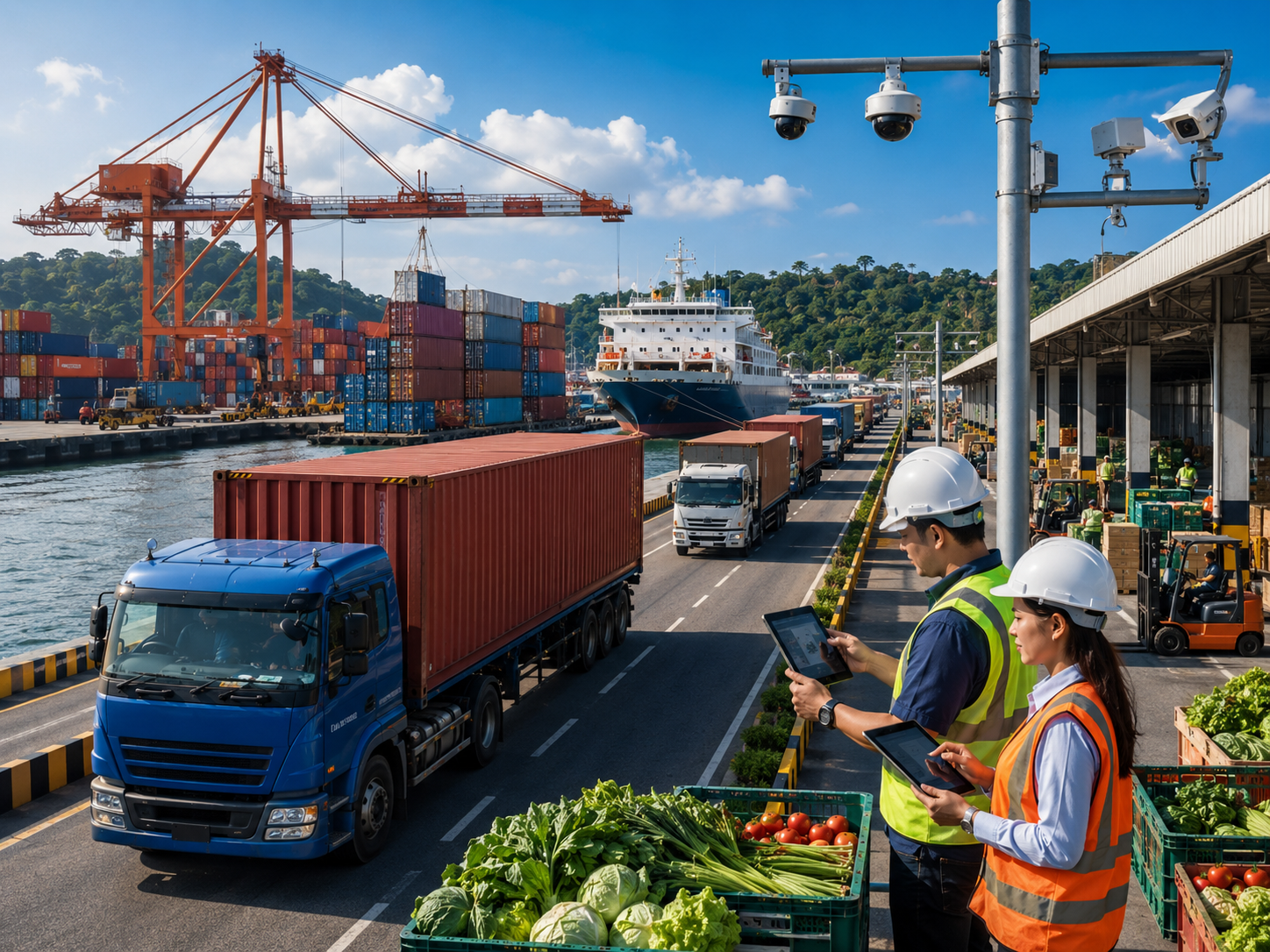
Retail and food service multinationals bring brand variety, franchising opportunities, and supply chain formalization. They invest in cold chains, inventory systems, and food safety, improving consumer welfare. However, dominance by global brands can squeeze traditional sari-sari stores and small eateries. Policymakers can encourage fair leasing practices in malls and provide SME upgrade grants so local businesses can coexist alongside multinational tenants.
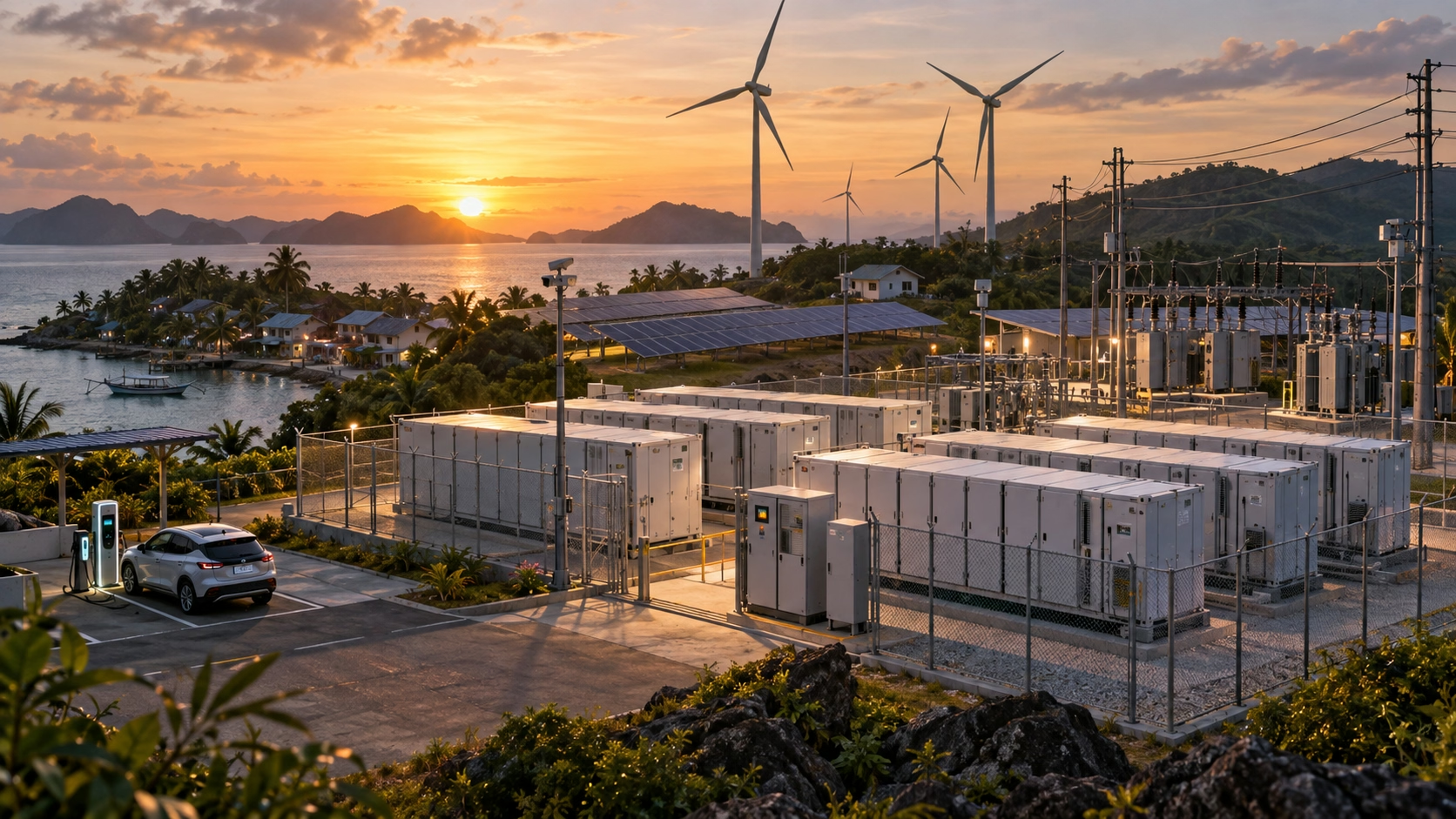
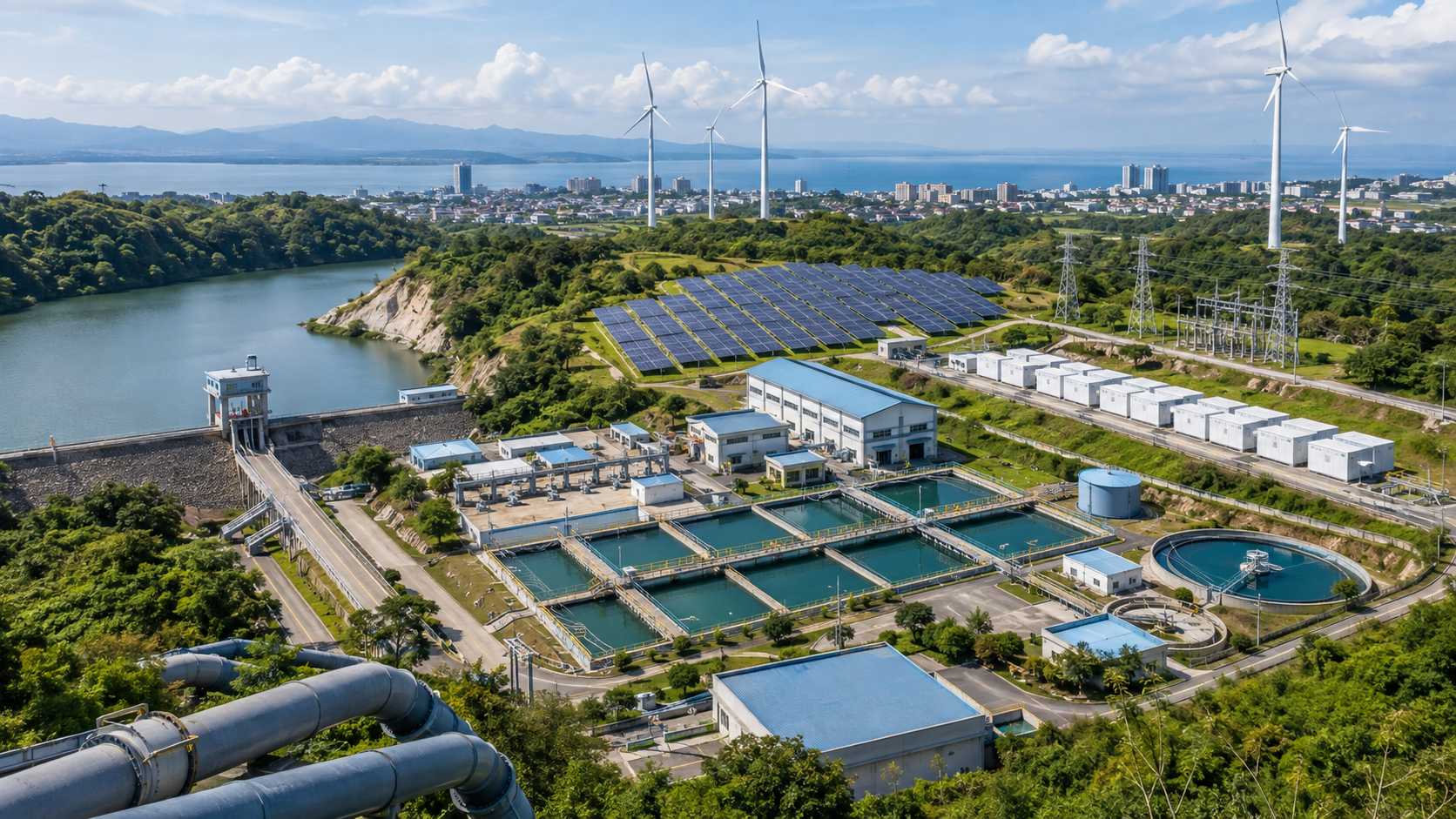
The energy and infrastructure space sees MNCs providing capital and engineering capacity for power plants, grid upgrades, and renewables. Foreign participation accelerates project delivery and introduces technology, from advanced turbines to smart meters. Socially, the impact hinges on community engagement: resettlement standards, local employment quotas, and transparent benefit-sharing agreements foster acceptance. On the climate front, steering foreign capital into solar, wind, and storage avoids lock-in to emissions-intensive assets.
Mining, perhaps the most contentious sector, underscores the stakes. Large foreign-led projects can deliver royalties, roads, and jobs in remote areas—but also risk deforestation, water contamination, and conflicts over land. Stronger requirements for Free, Prior and Informed Consent (FPIC), third-party environmental audits, and enforceable rehabilitation bonds are critical to aligning extractive investment with long-term community welfare.
Across sectors, a common theme is capability diffusion. When MNCs partner with universities for internships, co-develop training academies, or support supplier upgrading programs, the economy moves beyond labor-cost competitiveness toward skills-based advantage. Tax incentives should therefore be conditional: linked to local R&D spending, technology transfer milestones, and inclusion of SMEs in supply chains.
Finally, labor standards deserve vigilant enforcement. Global codes of conduct are meaningful only if subcontractors comply. Empowered labor inspectors, whistleblower protections, and digital grievance channels can close the gap between policy and practice.
The Philippines stands to gain most from MNCs by treating them as catalysts rather than endpoints—inviting investment that builds ecosystems: talent pipelines, competitive suppliers, and institutions capable of sustaining inclusive growth.