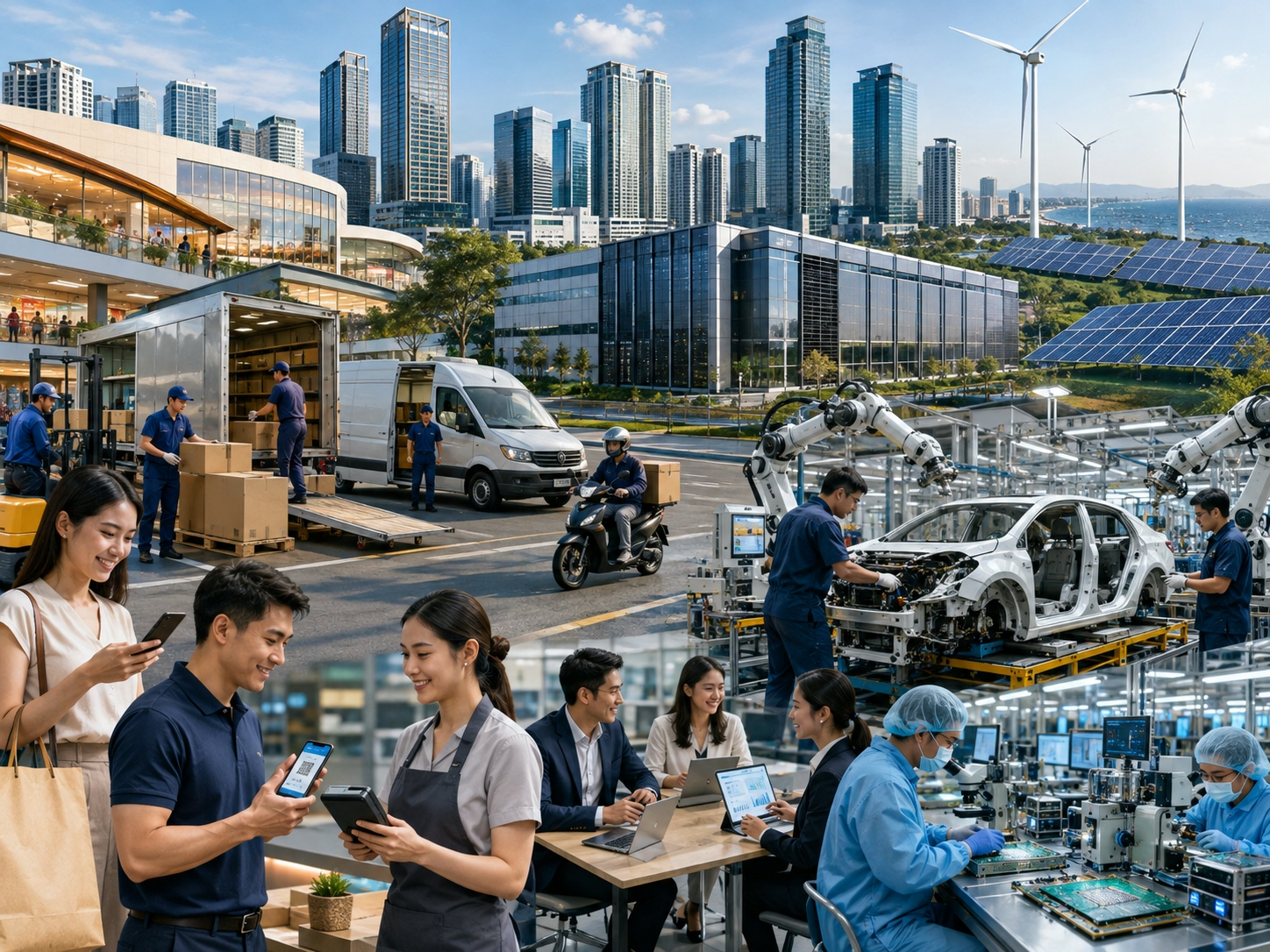
The Philippine government has actively worked to create a favorable environment for business development, aiming to position the country as a top destination for both local and international businesses. With its growing economy, strategic location in Southeast Asia, and government-backed initiatives, the Philippines is becoming a prime spot for business investments. Here, we explore the key policies implemented by the government to stimulate business growth and support entrepreneurs.
Tax Incentives and Support for Foreign Investors
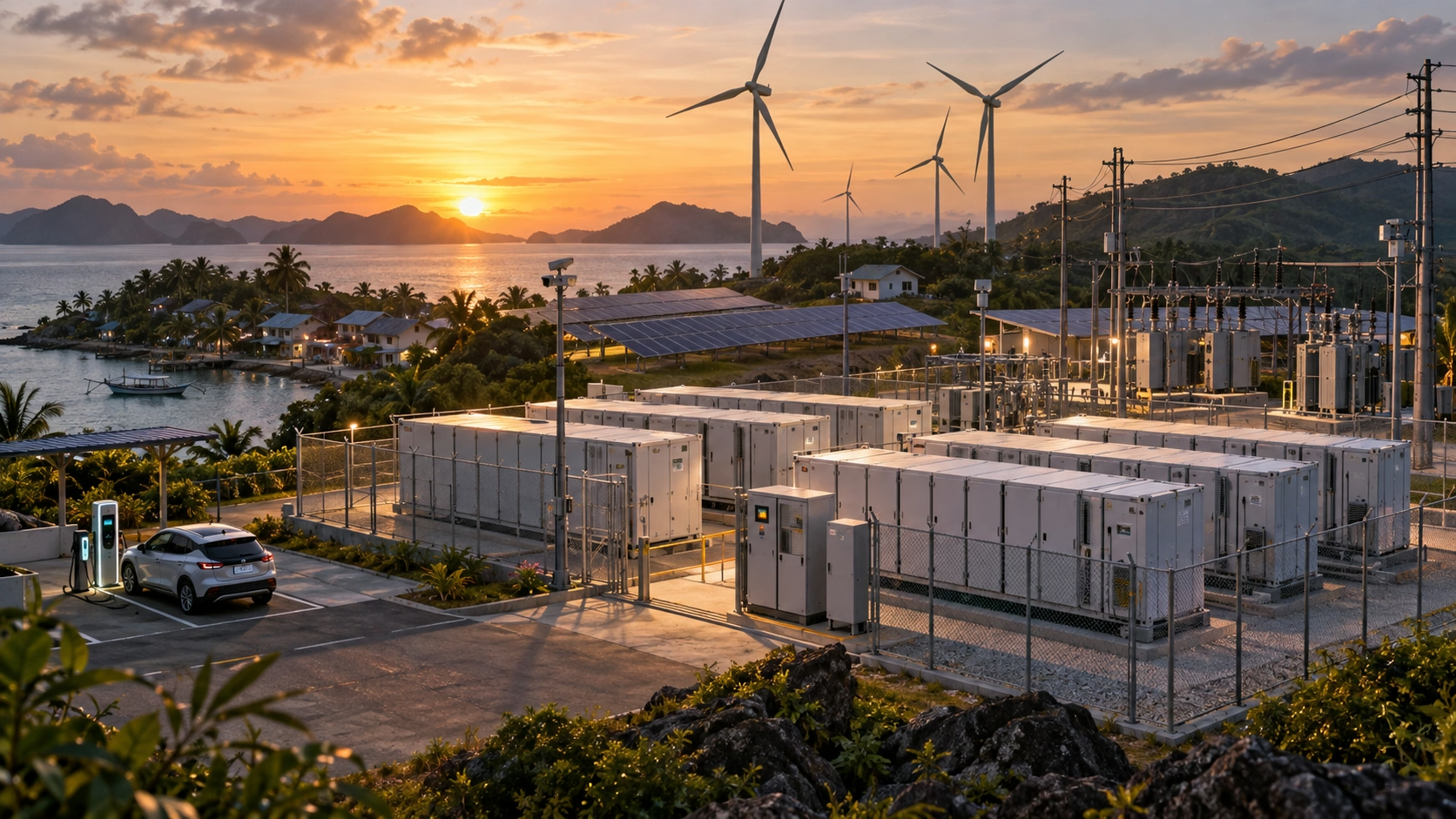
The Philippine government understands that one of the most important factors for attracting foreign investors is a favorable tax environment. The country’s tax policies have been revamped through the Tax Reform for Acceleration and Inclusion (TRAIN) Law, which simplifies the tax structure and lowers personal income tax rates. Additionally, the introduction of the CREATE Act has further improved the country’s investment climate by lowering corporate income tax rates and offering incentives for business owners who invest in strategic sectors such as manufacturing, technology, and renewable energy.
The Philippine Economic Zone Authority (PEZA) plays a crucial role in fostering business development by offering tax breaks to companies that establish operations within designated economic zones. These incentives include exemptions from VAT, duty-free importation of equipment, and income tax holidays for up to eight years.
Ease of Doing Business and Regulatory Reforms
The government’s commitment to making business processes faster and more efficient is reflected in the 2018 Ease of Doing Business Law. This law mandates government agencies to streamline their operations, reduce processing times for business permits and licenses, and cut unnecessary bureaucratic hurdles. These reforms have led to a more streamlined business registration process, allowing entrepreneurs to set up and start their businesses much faster.
The creation of a central online platform for business registrations has also greatly contributed to improving the business climate. Entrepreneurs can now register businesses and apply for permits from the comfort of their homes or offices, avoiding long lines and inefficient procedures.
Infrastructure Investment: A Foundation for Business Success
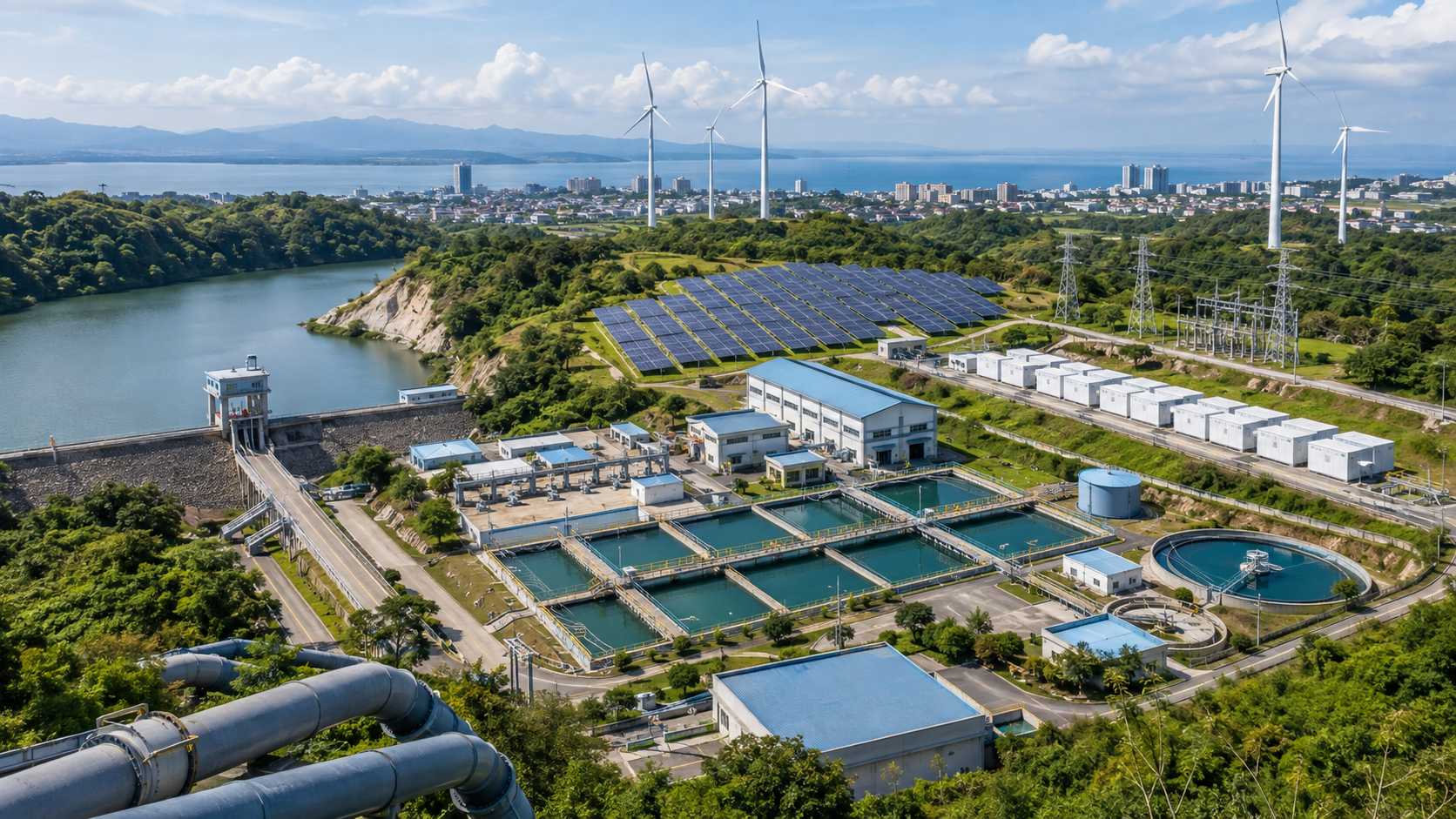
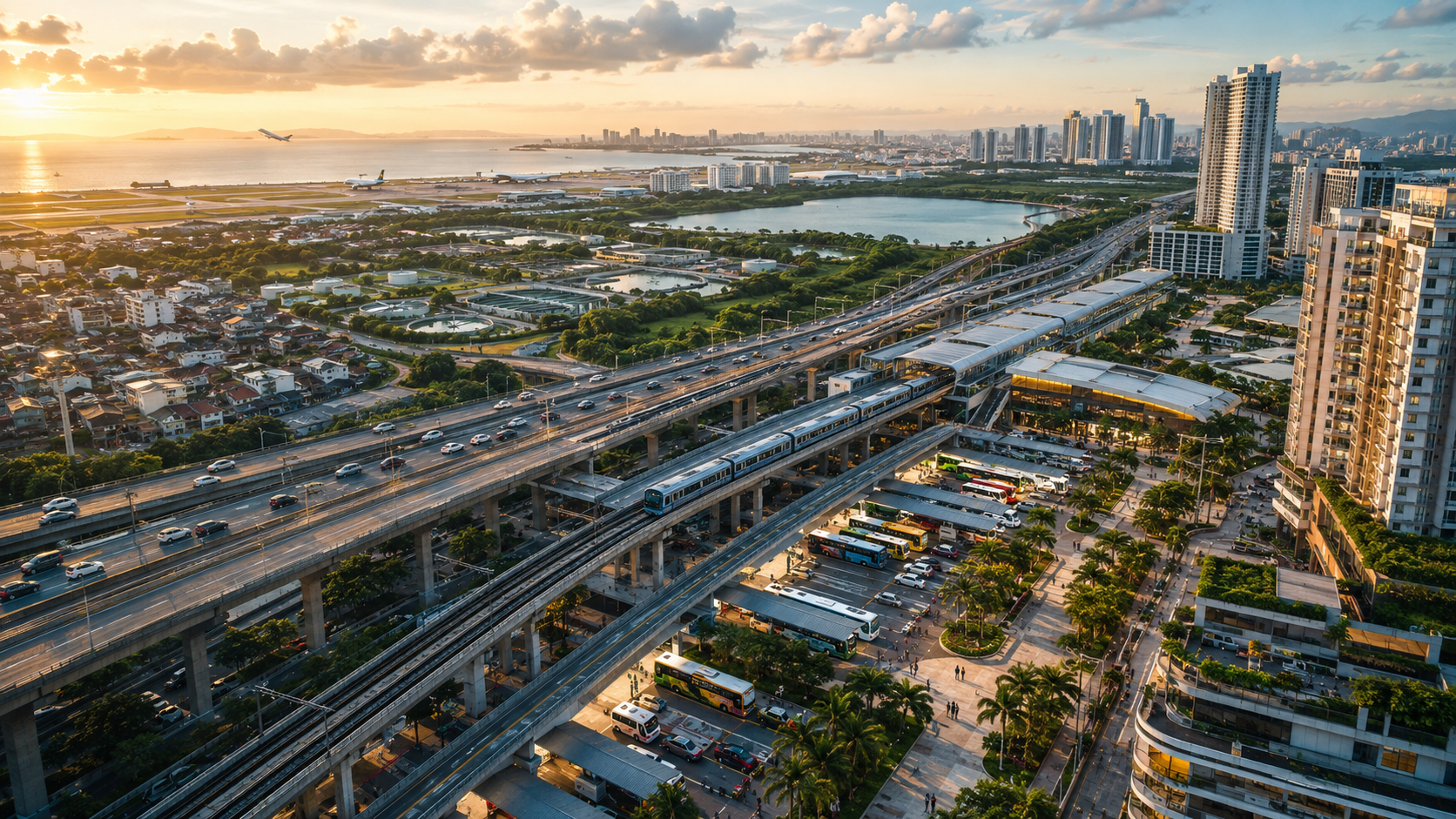
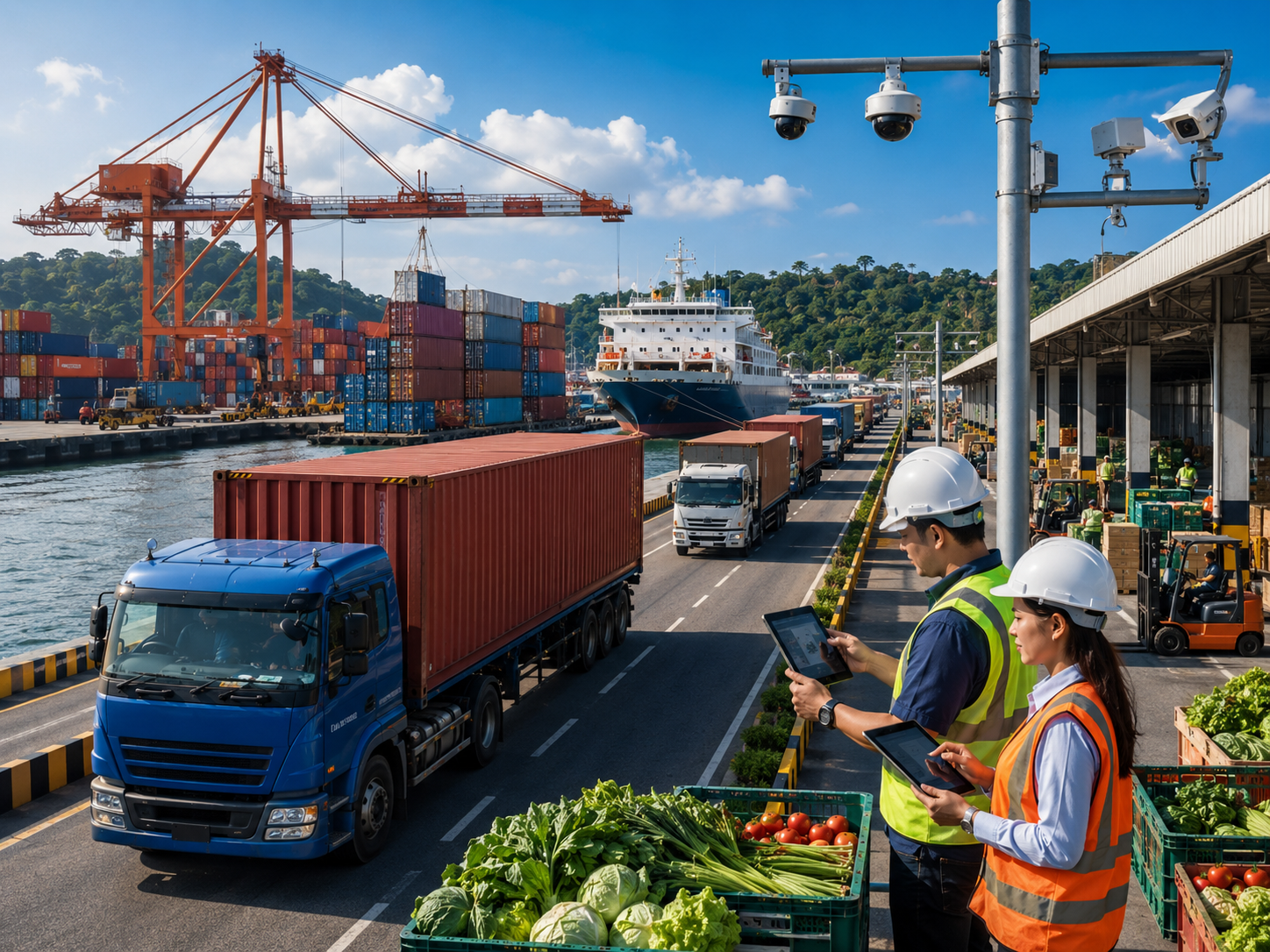
A crucial part of the government’s long-term strategy for business development is infrastructure investment. The “Build, Build, Build” program aims to upgrade the nation’s infrastructure, ranging from roads and bridges to airports and seaports. These investments improve the logistical efficiency of businesses by reducing transportation costs, facilitating smoother trade routes, and promoting regional development.
Furthermore, the expansion of digital infrastructure has become a priority, especially after the pandemic highlighted the importance of a reliable internet connection for businesses to function. The government has been working to enhance internet connectivity nationwide, ensuring that businesses in both urban and rural areas can access online platforms and e-commerce opportunities.
Fostering SME Growth
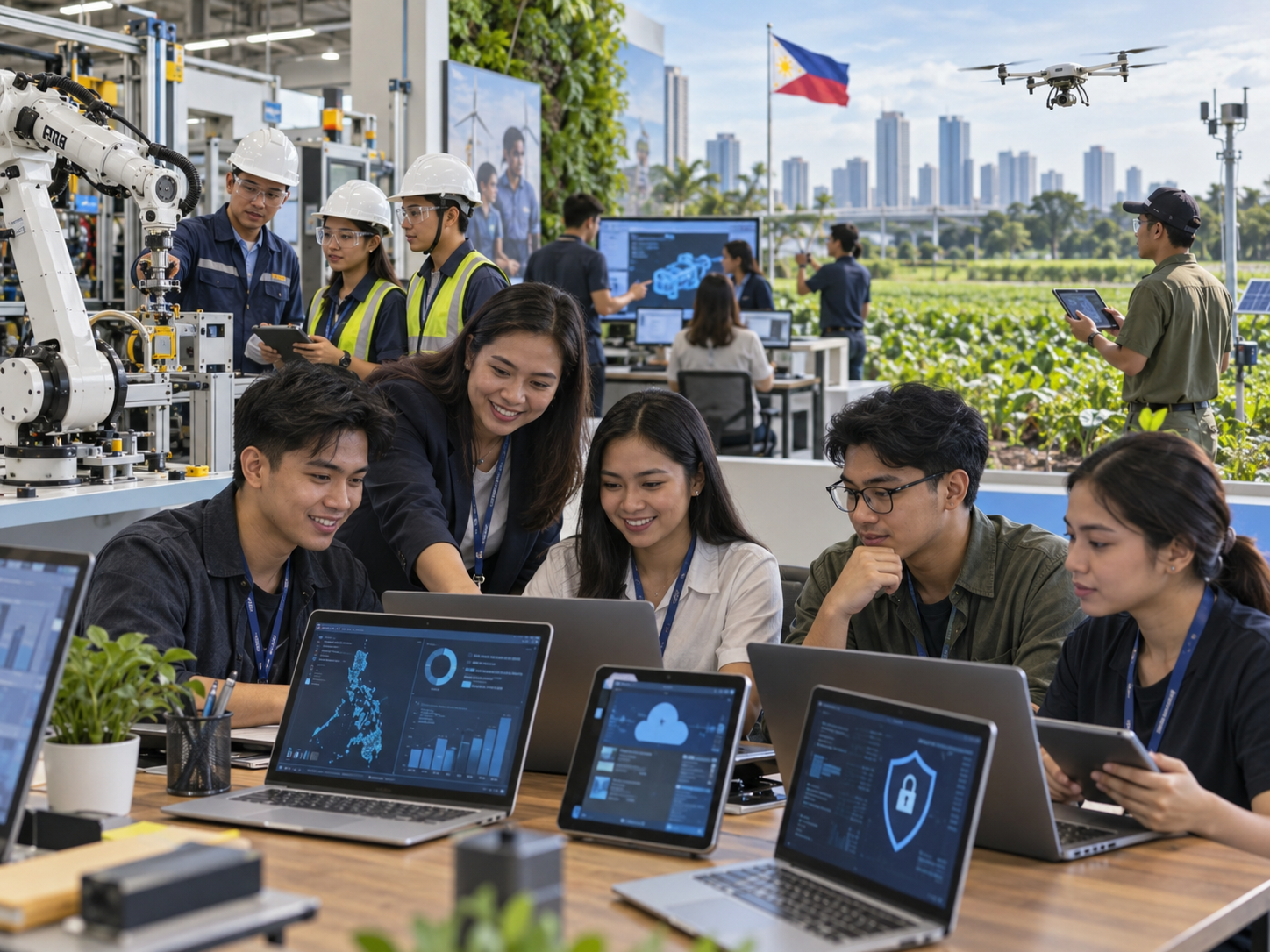
The Philippine government recognizes that small and medium-sized enterprises (SMEs) form the backbone of the country’s economy. To support this crucial sector, the government has enacted policies such as the Go Negosyo Act and established various government agencies that provide financing, business mentorship, and market access for SMEs. These initiatives help young entrepreneurs navigate the challenges of starting and growing businesses.
Additionally, the government has introduced policies to support innovation among SMEs, offering grants, low-interest loans, and access to research and development resources. This has enabled SMEs to enhance their products and services, making them more competitive in the local and global markets.
Conclusion
The Philippine government’s policies and initiatives aim to create a dynamic and competitive business environment. Through tax reforms, ease of doing business improvements, infrastructure investments, and support for SMEs, the government has laid the groundwork for sustained economic growth and a thriving business sector. With continued focus on these areas, the Philippines is poised to remain a strong player in the global business arena.