


For many Filipino families, financial security has traditionally been built around savings, property ownership, and income from employment or business activities. However, economic challenges in recent years have encouraged households to reconsider how they protect their finances against unexpected events.
In 2026, life insurance is gaining greater recognition as an important financial planning instrument rather than simply a product purchased for emergencies. Filipino middle-class families, who often manage multiple financial responsibilities including housing expenses, children’s education, healthcare costs, and retirement preparation, are increasingly looking for ways to protect their financial progress.
Life insurance provides a structured approach to maintaining financial stability by creating a safety net when families experience major disruptions such as the death of a breadwinner, serious illness, or unexpected financial obligations.
The Philippine insurance sector continues to develop as financial awareness increases. Official industry information and regulatory updates from the Insurance Commission of the Philippines can be accessed through:
https://www.insurance.gov.ph/
Rising Living Expenses Increase the Need for Financial Protection
Inflation and Household Budget Pressure
One of the biggest financial concerns affecting Filipino households is the increasing cost of everyday necessities. Food, transportation, education, housing, and healthcare expenses continue to influence how families manage their income.
The Philippine Statistics Authority provides updated economic indicators, including inflation-related data that reflect changes in consumer prices:
https://psa.gov.ph/
For families operating with limited financial flexibility, unexpected events can quickly create serious financial difficulties. A medical emergency or sudden loss of income may force households to borrow money, sell assets, or reduce essential spending.
Life insurance helps address this vulnerability by providing financial support that can prevent families from experiencing severe economic setbacks.
Protecting the Financial Progress of the Filipino Middle Class
Safeguarding Years of Hard Work and Savings
The Filipino middle class represents a growing group of professionals, entrepreneurs, and small business owners who invest years building financial stability. However, accumulated wealth can quickly disappear when families are not prepared for major risks.
For example, a married couple in Cebu with a home loan, children’s education expenses, and business investments may have created a stable lifestyle through years of work. If one spouse unexpectedly passes away, the remaining family member may struggle to maintain those commitments.
A life insurance policy can provide financial resources that help cover outstanding debts, preserve assets, and support future goals.
This makes insurance not only a protection mechanism but also a tool for preserving family wealth.
Life Insurance and Healthcare-Related Financial Risks
Addressing the Growing Cost of Medical Needs
Healthcare expenses are among the most significant financial challenges faced by Filipino households. Even families with regular income can experience financial strain when dealing with serious illnesses requiring long-term treatment.
Many modern insurance products combine life protection with additional benefits such as critical illness coverage, allowing policyholders to receive financial assistance during major health challenges.
This approach reflects a growing understanding that financial security is not only about protecting families after death but also about supporting individuals during difficult medical situations.
For working professionals, this type of coverage can help maintain household stability while focusing on recovery and treatment.
Digital Transformation Makes Insurance More Accessible
Younger Filipinos Are Changing Insurance Buying Habits
Technology has significantly changed how Filipinos research and purchase financial products. Younger consumers increasingly use online platforms to compare insurance plans, understand policy benefits, and access financial education content.
Insurance companies have responded by introducing digital applications, online consultations, and simplified policy management systems.
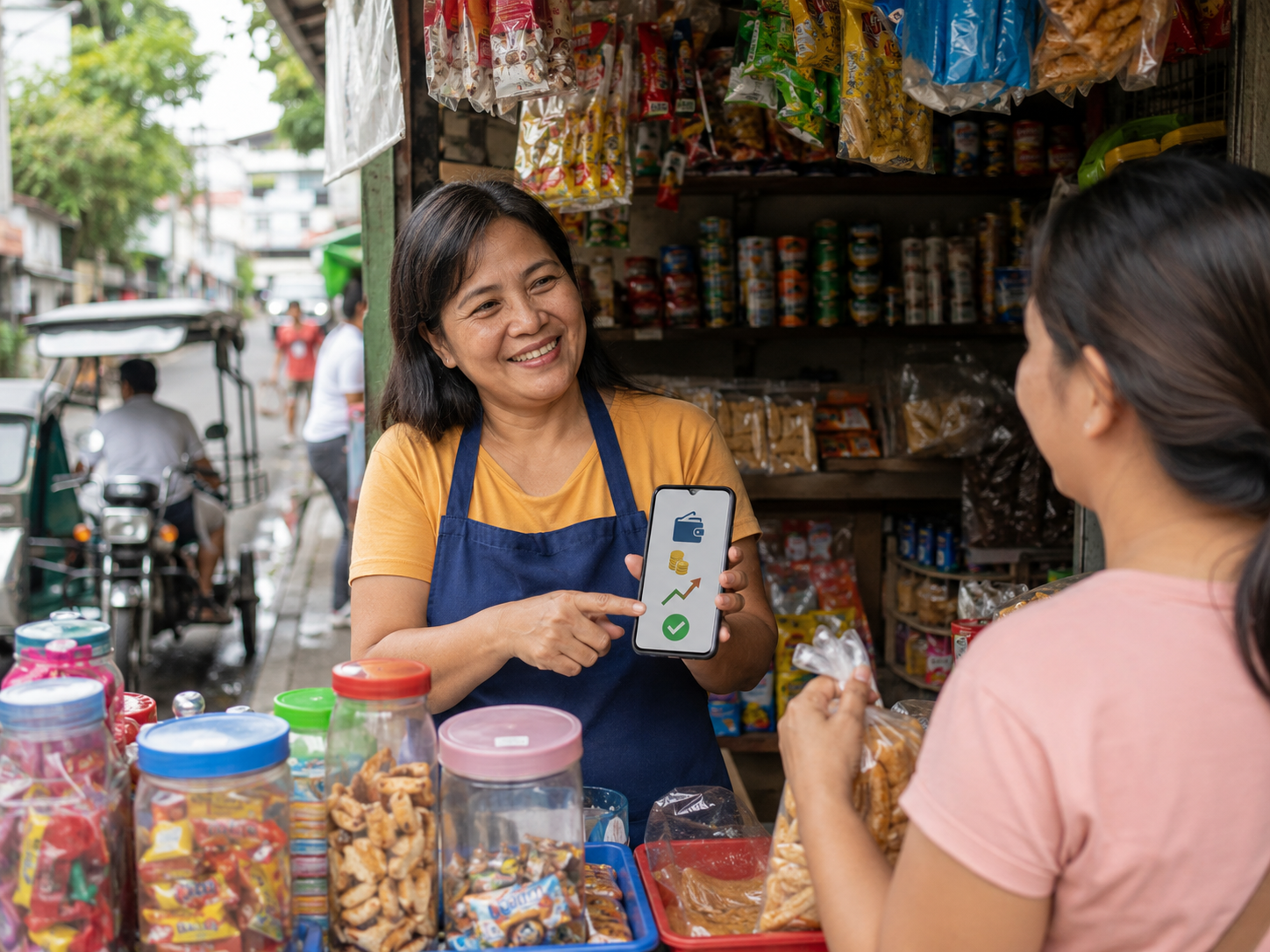
This transformation is particularly important for millennials and Generation Z professionals who prefer convenient financial solutions that can be accessed through smartphones.
Digital accessibility has helped reduce traditional barriers associated with insurance, including complicated procedures and limited understanding of policy options.
The Importance of Early Insurance Planning Among Filipino Workers
Starting life insurance planning at a younger age can provide several advantages, including potentially lower premiums, longer protection periods, and better preparation for future responsibilities.
Many young Filipino professionals underestimate the importance of financial protection because they believe insurance is only necessary after reaching a certain age or achieving higher income levels.
However, unexpected events can affect individuals at any stage of life. Early planning allows workers to build financial resilience before they acquire larger responsibilities such as home loans, business investments, or family commitments.
Creating Stronger Financial Habits Through Insurance Awareness
The increasing popularity of life insurance reflects a broader change in Filipino financial behavior. More households are recognizing that financial success is not only measured by income or savings but also by the ability to withstand unexpected challenges.
Life insurance encourages families to think strategically about their future by balancing immediate needs with long-term protection.
As economic conditions continue to evolve, insurance will remain an important financial tool for Filipino households seeking stability, security, and greater control over their financial journey.










Leave a Reply