

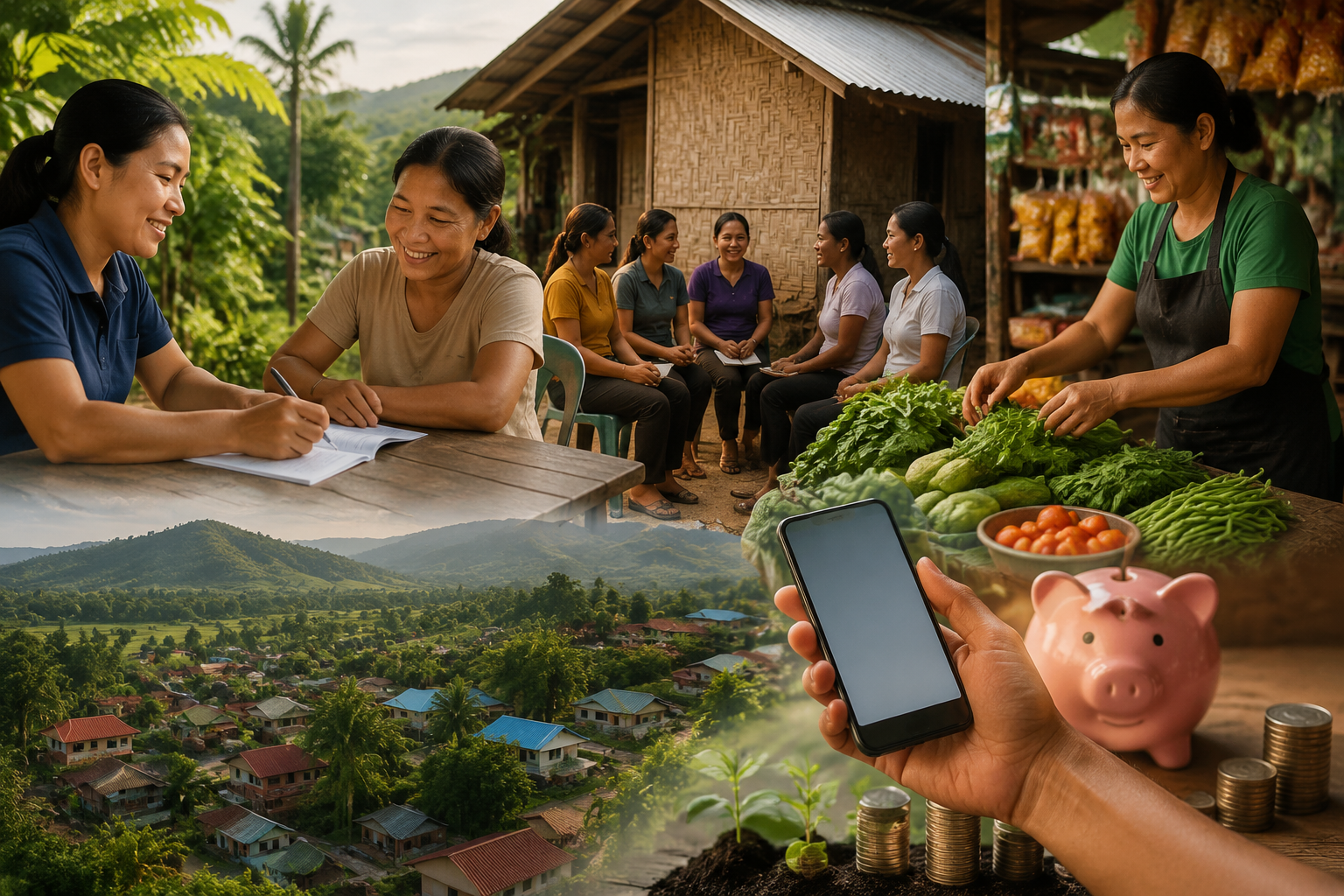
Microfinance in the Philippines is built on a network of institutions that include rural banks, cooperatives, non-government organizations, and specialized microfinance companies. These entities aim to provide financial services to individuals who are typically excluded from mainstream banking systems due to lack of collateral, credit history, or stable income.
A defining feature of this system is its focus on group lending methodologies. Borrowers are often organized into small groups where members collectively guarantee each other’s loans. This approach reduces default risk and encourages accountability, as repayment behavior is influenced by peer relationships within the group.
Economically, microfinance has a direct impact on local development. Small loans allow micro-entrepreneurs to invest in income-generating activities, which in turn stimulates local trade and consumption. In agricultural communities, farmers use microcredit to purchase seeds, tools, and fertilizers, leading to improved productivity and food supply stability.
The circulation of micro-loans within communities creates a multiplier effect. As small businesses grow, they hire additional labor, purchase more goods from suppliers, and contribute to local taxation indirectly through increased economic activity. This strengthens the economic base of rural municipalities and reduces dependency on urban migration for employment opportunities.
Microfinance institutions also encourage savings mobilization. Clients are encouraged to deposit small amounts regularly, helping them build financial buffers for emergencies. This practice reduces vulnerability to economic shocks such as illness, natural disasters, or unexpected expenses.
However, the system is not without limitations. Interest rates in microfinance can be higher than traditional bank loans due to operational costs associated with servicing small and dispersed clients. Additionally, ensuring sustainable repayment without creating financial strain remains a balancing challenge.
Despite these issues, microfinance continues to play a vital role in economic inclusion and grassroots development across the Philippines.








Leave a Reply