

The Philippines’ push to bring formal financial services to every corner of its archipelago has entered a decisive phase in 2026. Data from the Bangko Sentral ng Pilipinas’ Financial Inclusion Dashboard indicates that 68 percent of Filipino adults now own a formal account, reflecting years of investment in digital infrastructure, agent networks, and financial education. Yet the more important story lies in the small island communities and upland villages where cash has long been king.
Why Physical Bank Branches Cannot Reach Everyone
With more than 7,600 islands and mountainous provinces like Ifugao, Mountain Province, and Northern Samar, branch-based banking remains financially unviable in many areas. Transport costs, security concerns, and low transaction volumes make it difficult for traditional banks to serve residents who may transact only a few dollars at a time. Informal credit from landowners or traders often traps rural households in cycles of debt, while savings are vulnerable to theft and inflation.
Agent Banking Turns Neighbourhood Shops into Financial Hubs
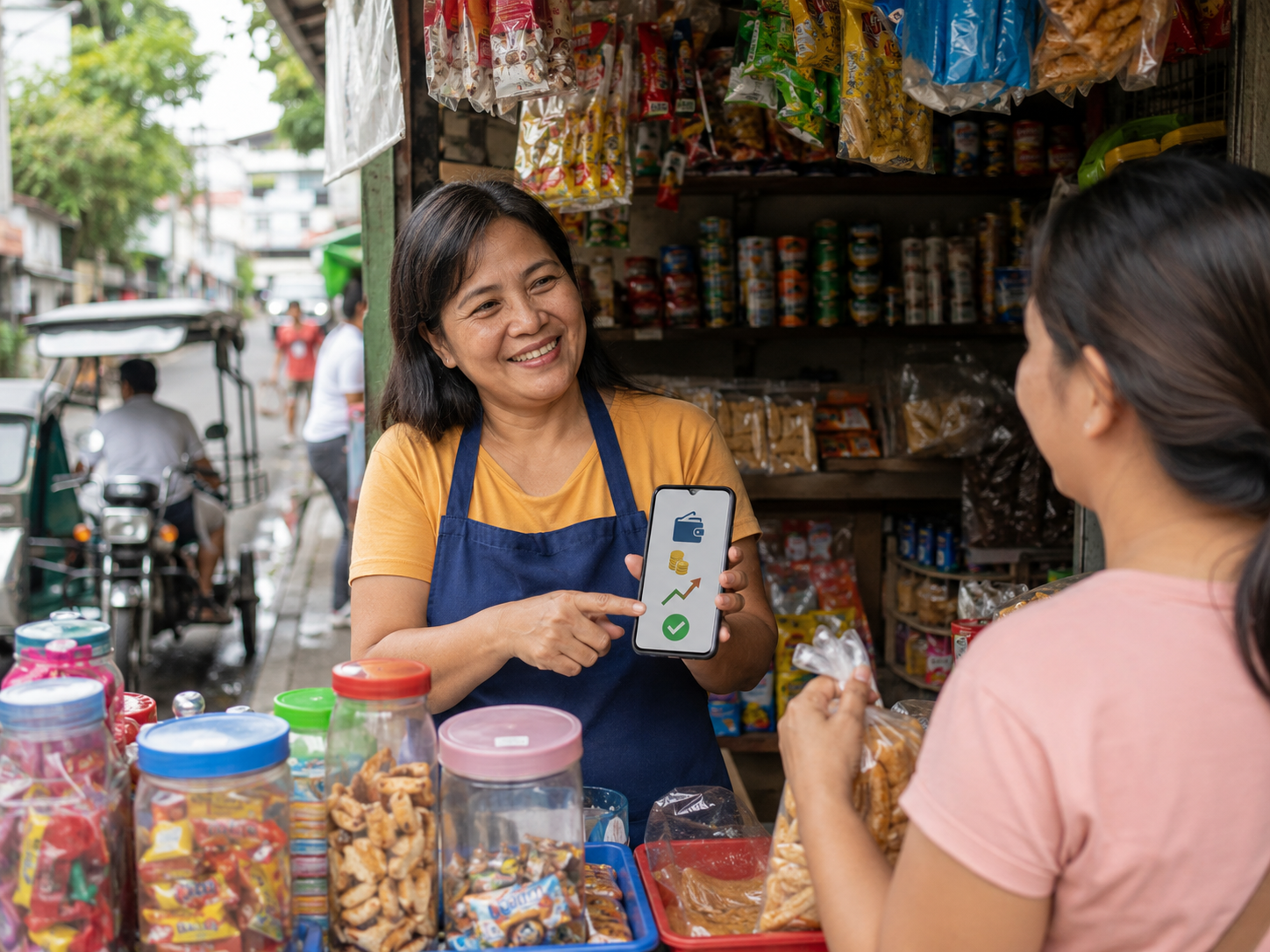
The expansion of cash-in and cash-out agents has been the most visible game changer. In 2026, licensed agent outlets operate in thousands of barangays, including remote municipalities in Batanes, Tawi-Tawi, and Eastern Samar. Sari-sari store owners, cooperatives, and even local pharmacies now process deposits, withdrawals, bill payments, and remittances. The model is low-cost because it uses existing retail infrastructure, and it builds trust because agents are often neighbours. A vegetable farmer in Atok, Benguet, can deposit a day’s earnings through an agent without losing half a day to travel.
QR Codes and the National ID Lower Barriers
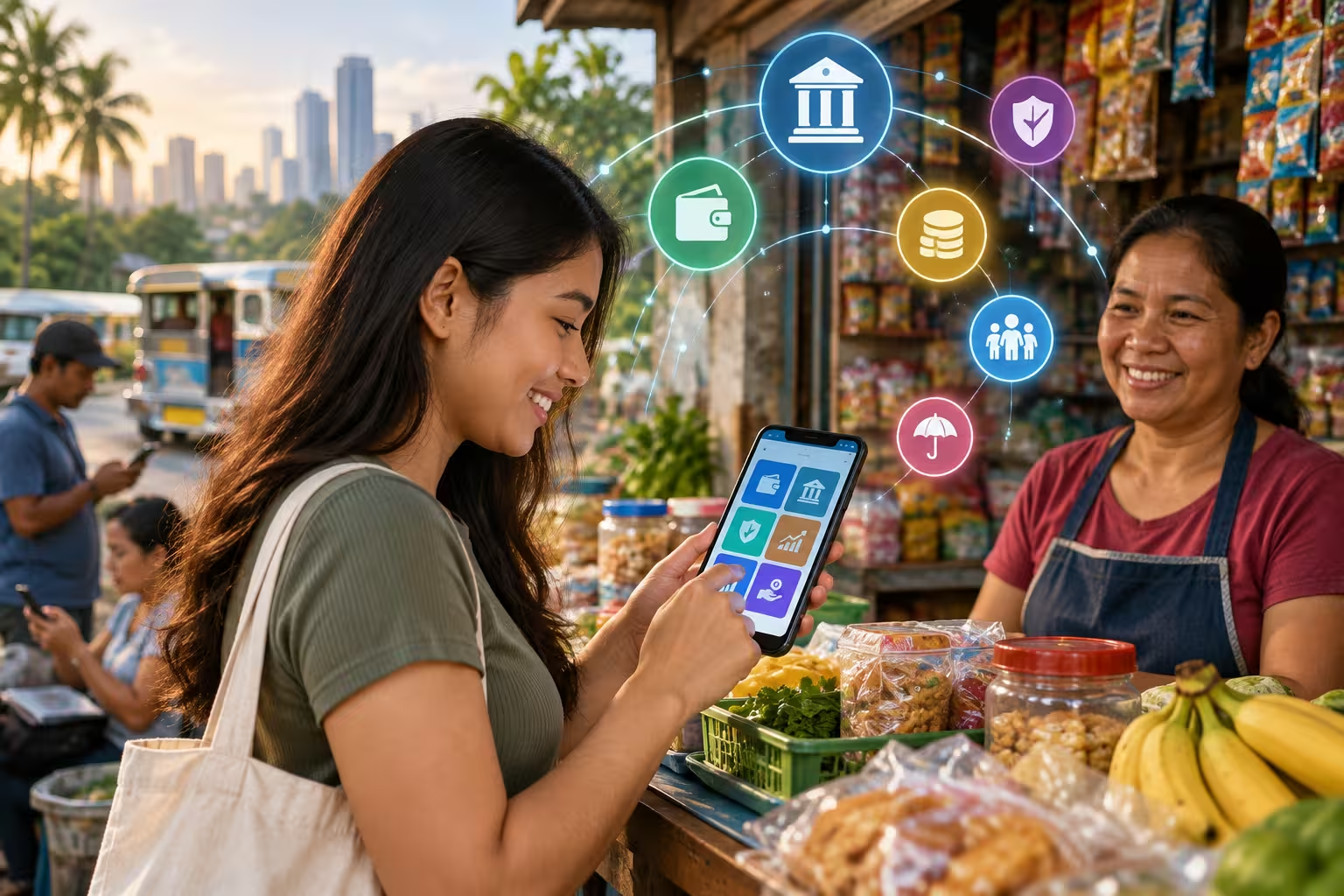
The nationwide rollout of the QR Ph standard and the PhilSys national ID has simplified onboarding for rural users. Digital wallets only need a verified identity and a basic smartphone or even a feature phone via USSD in some pilots. In public markets under the Paleng-QR Ph Plus program, vendors from Baguio to Davao accept QR payments, reducing reliance on cash. Digital banks and microfinance institutions then use transaction data to offer small loans and microinsurance. This data-driven credit scoring is opening doors for farmers and fisherfolk who previously lacked collateral.
A Farmer’s Story from Agusan del Sur
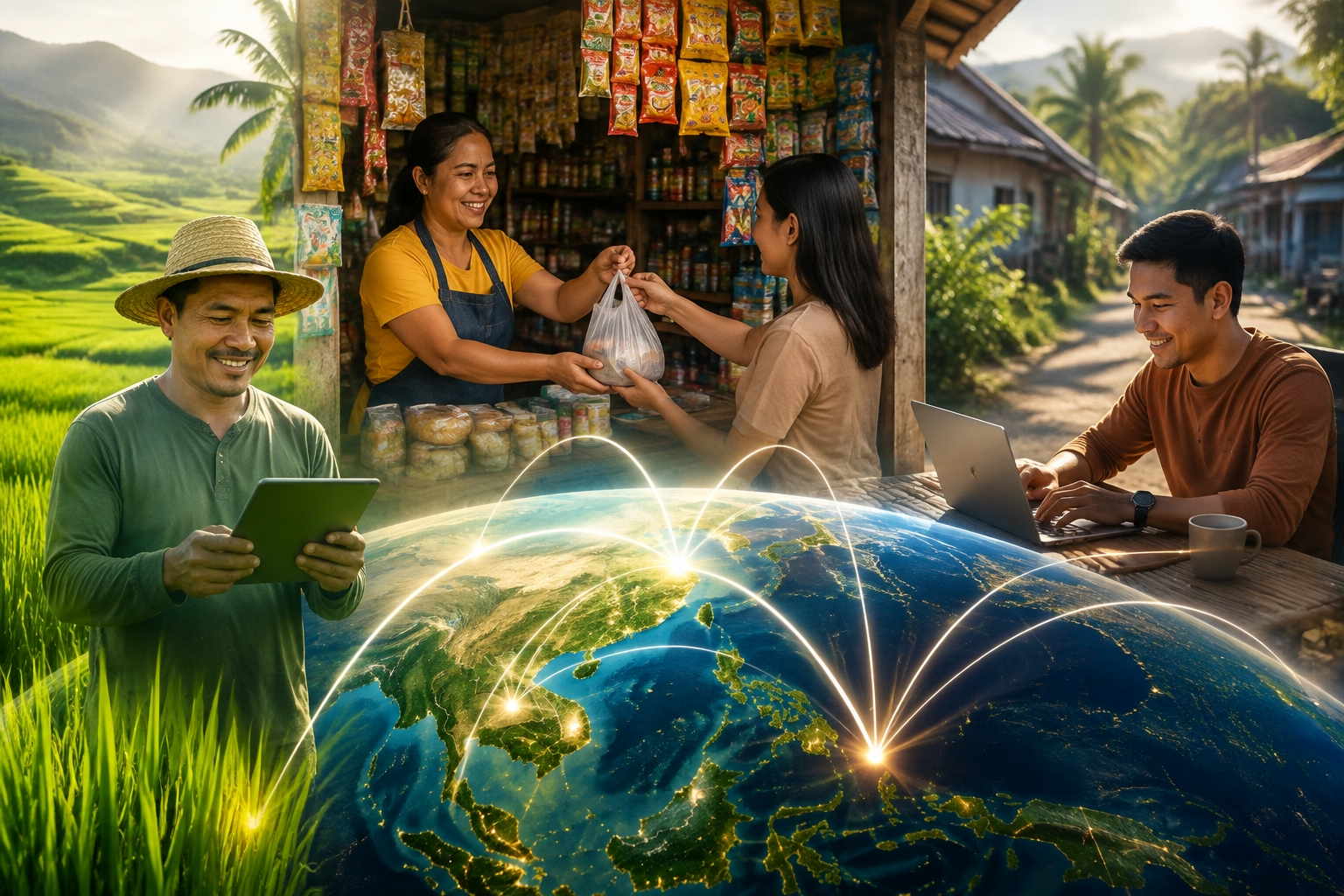
Maria, a rice farmer in Agusan del Sur, used to hide her harvest earnings in a bamboo tube. After a local cooperative introduced her to a mobile wallet linked to her PhilSys ID, she began receiving digital payments for her rice and paying for seeds and fertilizer through QR codes. Her consistent transaction history helped her secure a PHP 15,000 microloan to buy a small thresher. Stories like Maria’s are becoming common as digital records replace informal reputation.
What Still Needs Work in 2026
Connectivity remains the weakest link in mountainous and isolated island areas. Satellite internet is expanding, but data costs can still be high for low-income households. Digital literacy programs need to reach older adults and indigenous communities in their own languages. Consumer protection frameworks must also keep pace with the rise of digital lending to prevent predatory practices. The 2026 progress is encouraging, but sustainable inclusion requires that digital tools translate into real income gains and resilience for the rural poor.







Leave a Reply