

The Evolution of Pondo sa Pagbabago at Pag-asenso
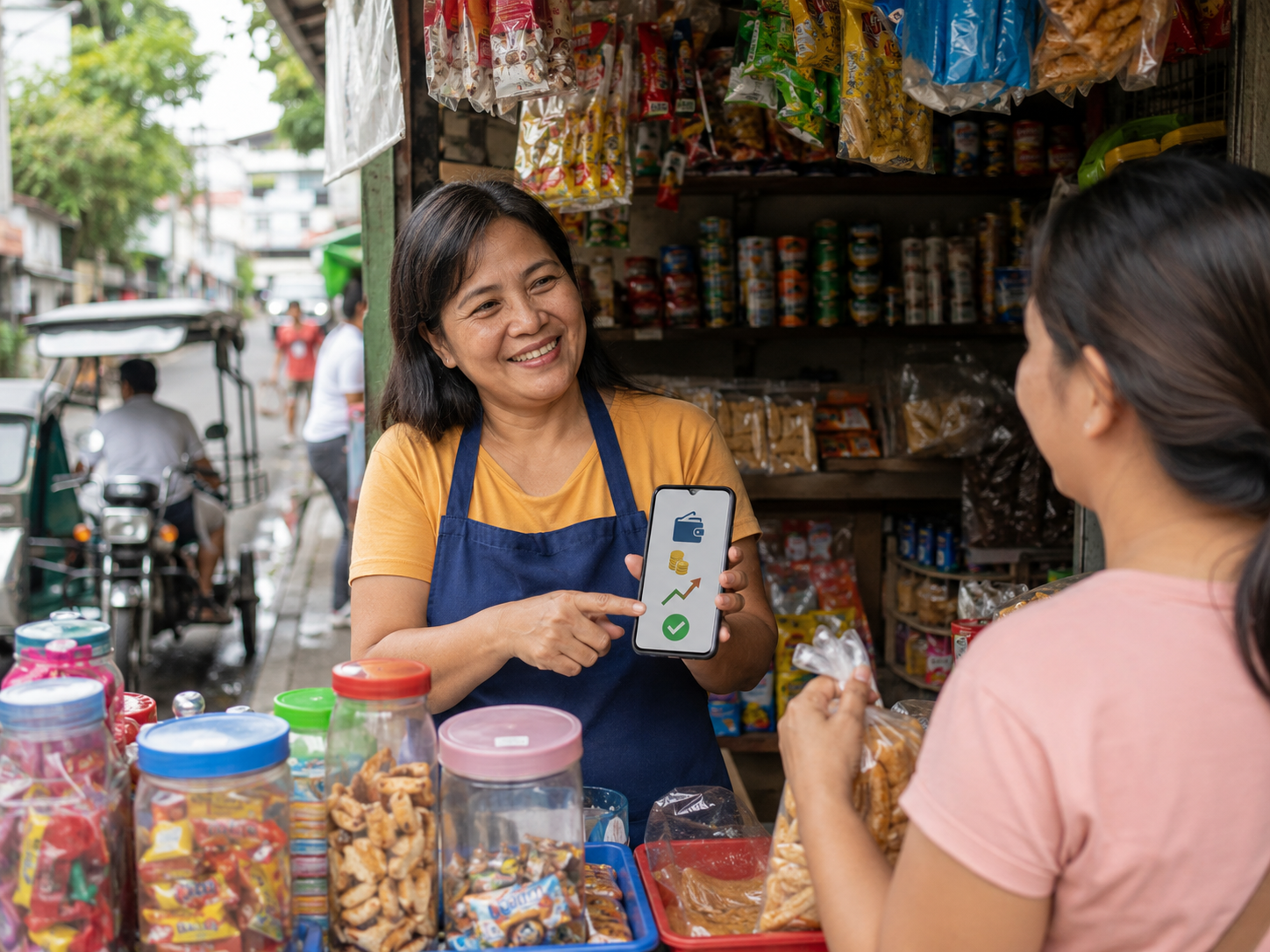
The Department of Trade and Industry’s Pondo sa Pagbabago at Pag-asenso (P3) program was designed to replace the predatory “5-6” lending scheme that trapped micro-entrepreneurs in cycles of debt. Administered by the Small Business Corporation (SB Corp), P3 extends loans at a maximum of 2.5% monthly interest—a dramatic reduction from the 20% charged by informal lenders (DTI – SB Corp). Since its launch, the program has disbursed billions of pesos to sari-sari store owners, carinderia operators, and home-based garment makers. Through 2026, the government has committed to scaling disbursements by deepening partnerships with rural banks and cooperatives.
Streamlined Requirements and Quick Turnaround
A major barrier for micro-businesses has always been documentation. The P3 program addresses this by requiring only a valid government ID, a barangay business permit, and a simple application form. Loan amounts range from PHP 5,000 to PHP 200,000 for micro-enterprises, with flexible repayment terms up to 36 months. SB Corp has introduced a mobile assessment tool that allows loan officers to process applications on-site, cutting approval time from weeks to just three days. This efficiency not only improves the borrower’s experience but also lowers administrative costs.
Complementing Private Sector Lending
The government does not compete with banks but fills a critical gap. Many small enterprises are still deemed too risky by commercial lenders, even with alternative credit scoring. P3 acts as a stepping stone: entrepreneurs who successfully repay P3 loans build a credit history that can later unlock larger financing from formal financial institutions. In 2025, SB Corp signed data-sharing agreements with credit bureaus, ensuring that positive repayment behavior is recorded and visible to all lenders. This creates a pathway from government-subsidized credit to mainstream banking.
Targeting Women and Rural Entrepreneurs
Over 80% of P3 beneficiaries are women. Micro-entrepreneurs in rural areas, where bank branches are scarce, receive loans through accredited rural banks and cooperatives that know their communities intimately. The program has also integrated financial literacy training, teaching basic bookkeeping and cash flow management. A woman selling dried fish in a remote barangay in Samar can access not only capital but also the skills to grow her business sustainably.
Strengthening the Ecosystem Through 2026
Looking ahead, DTI aims to digitize the entire P3 loan cycle, from application to disbursement and collection, using mobile wallets and agent networks. This digital shift, combined with the national ID system, will further reduce turnaround time and fraud risk. With the 2026 deadline for broader financial inclusion, P3 stands as a cornerstone of the Philippine strategy to democratize entrepreneur credit. Its measurable success proves that even the smallest enterprises are creditworthy when given appropriate terms and support.










Leave a Reply