The Philippines’ technology and startup ecosystem has evolved significantly over the last decade. From a focus on traditional industries like BPO, the country has diversified into becoming a thriving destination for tech innovation and entrepreneurship. This article dives into the dynamic forces behind this transformation, the thriving industries within the tech sector, and the specific challenges faced by Filipino entrepreneurs in this evolving landscape.
The Digital Economy: A Driver of Change
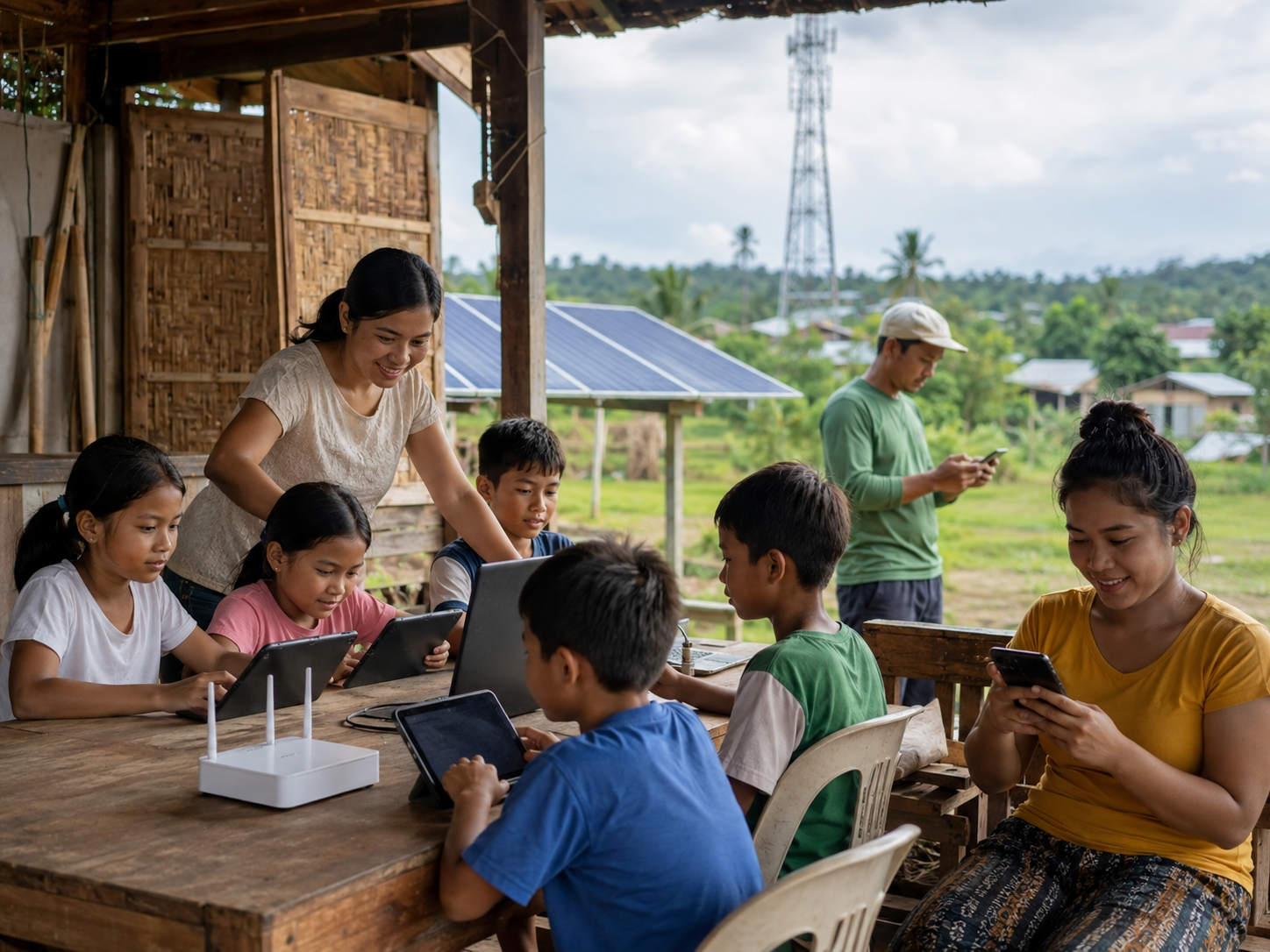
The Philippine tech ecosystem is booming due to the country’s increasing internet penetration and mobile adoption. Approximately 76% of Filipinos have access to the internet, and most access it via smartphones. The widespread adoption of social media platforms, mobile apps, and online services has led to the creation of new business opportunities.
Government initiatives have also been crucial in creating a conducive environment for startups. Programs like the “Philippine Innovation Act” and “National ICT Policy Framework” aim to encourage investment in innovation, providing both financial and technical support for startups across the country.
Key Sectors Contributing to Startup Growth
- Fintech: The fintech space has exploded, driven by a need for accessible financial services. Mobile wallets, digital payment systems, and online lending platforms like GCash, PayMaya, and Tala have revolutionized financial inclusion. The rise of cryptocurrencies and blockchain technology also paves the way for innovative financial products and services.
- E-commerce: With a population that is increasingly shopping online, e-commerce platforms like Lazada, Shopee, and Zalora are seeing significant growth. These platforms cater to the growing demand for convenience, providing everything from daily essentials to luxury goods, and creating opportunities for local businesses to thrive in the digital economy.
- EdTech: The education sector has also been undergoing a digital transformation, accelerated by the COVID-19 pandemic. Companies like Edukasyon.ph and 51Talk have introduced innovative solutions for online learning and skill-building. These startups provide an alternative to traditional education models, offering flexible, accessible, and affordable learning experiences.
- AI and Data Science: The Philippines is slowly emerging as a leader in AI and data science, with companies exploring AI applications in fields such as retail, agriculture, and even healthcare. Startups in this space are leveraging AI tools to improve productivity, reduce costs, and increase efficiency for businesses across different sectors.
Challenges for Filipino Startups
While the Philippines is gaining ground in the tech space, challenges still persist:
- Access to Capital: Despite growing venture capital interest, early-stage startups still struggle to secure funding. Local investors are conservative, and global venture capital firms are often hesitant to invest due to perceived risks in the region.
- Tech Talent Shortage: Although the Philippines has a burgeoning tech talent pool, there is still a shortage of skilled workers, particularly in specialized fields like data science, machine learning, and blockchain development.
- Regulatory Hurdles: The regulatory framework for startups in the Philippines remains complicated. While there have been reforms, navigating the legal landscape can be an obstacle for new businesses.
Conclusion
The technology and startup ecosystem in the Philippines holds enormous potential, driven by a young population, a growing digital economy, and government support. However, to truly realize this potential, the country must continue to improve its access to capital, foster tech talent development, and streamline regulatory processes.