


A quiet revolution is taking place in the Philippine financial sector. The traditional image of banking—long queues, marble floors, and negligible interest—is being dismantled by a fleet of agile, app-based financial technology companies. In 2026, the competition for depositors’ funds is no longer a subtle marketing exercise; it is a full-blown price war that is redefining the yield curve for savings.
The narrative of the Philippine banking industry is shifting from a concentration of power in the hands of a few conglomerates to a more dynamic, fragmented, and consumer-centric market.
The Catalyst of Digitalization
The surge in competition is anchored in the Digital Banking License framework established by the central bank. This allowed new players to operate without a physical branch network, drastically reducing operating costs. These digital banks, including UNO Digital Bank, Overseas Filipino Bank, and Tonik, utilize this cost advantage to offer interest rates that dwarf those of traditional banks.
In 2025 and leading into 2026, these rates have served as the “market maker.” When a digital bank raises its rate to attract funds for a new loan product, traditional banks feel the pressure.
The Response of Universal Banks
Universal banks are not sitting idly by. The “Big Three” have recognized that while they cannot always match the 6% rates of digital banks on a mass-market scale without hurting their net interest margins, they can compete through differentiation.
- Security and Trust: Traditional banks are heavily leveraging their “too big to fail” status. They emphasize that while digital banks offer higher rates, the stability of a universal bank is unmatched.
- Hybrid Models: Banks like UnionBank and RCBC have launched their own digital arms (e.g., UnionDigital) to compete head-to-head with fintechs while keeping their main brand for corporate and high-net-worth clients.
- Time Deposits: Traditional banks are aggressively pushing time deposit products, which lock in funds for a fixed period at a higher rate, ensuring liquidity stability for the bank.
Data and the Personalization of Rates
The competition has moved beyond simple savings accounts. In 2026, we are seeing the rise of tiered interest rates based on behavior.
According to data from the Philippine Deposit Insurance Corporation (PDIC), the total insured deposits continue to grow, indicating that more Filipinos are entering the formal banking system. Banks are using data analytics to segment this growing market. If you maintain a certain balance, credit your salary to the account, or use the bank’s credit card, the interest rate on your savings often jumps significantly.
This shift transforms the depositor from a passive participant into a valued client whose business is being actively negotiated for.
The Challenge of Financial Inclusion
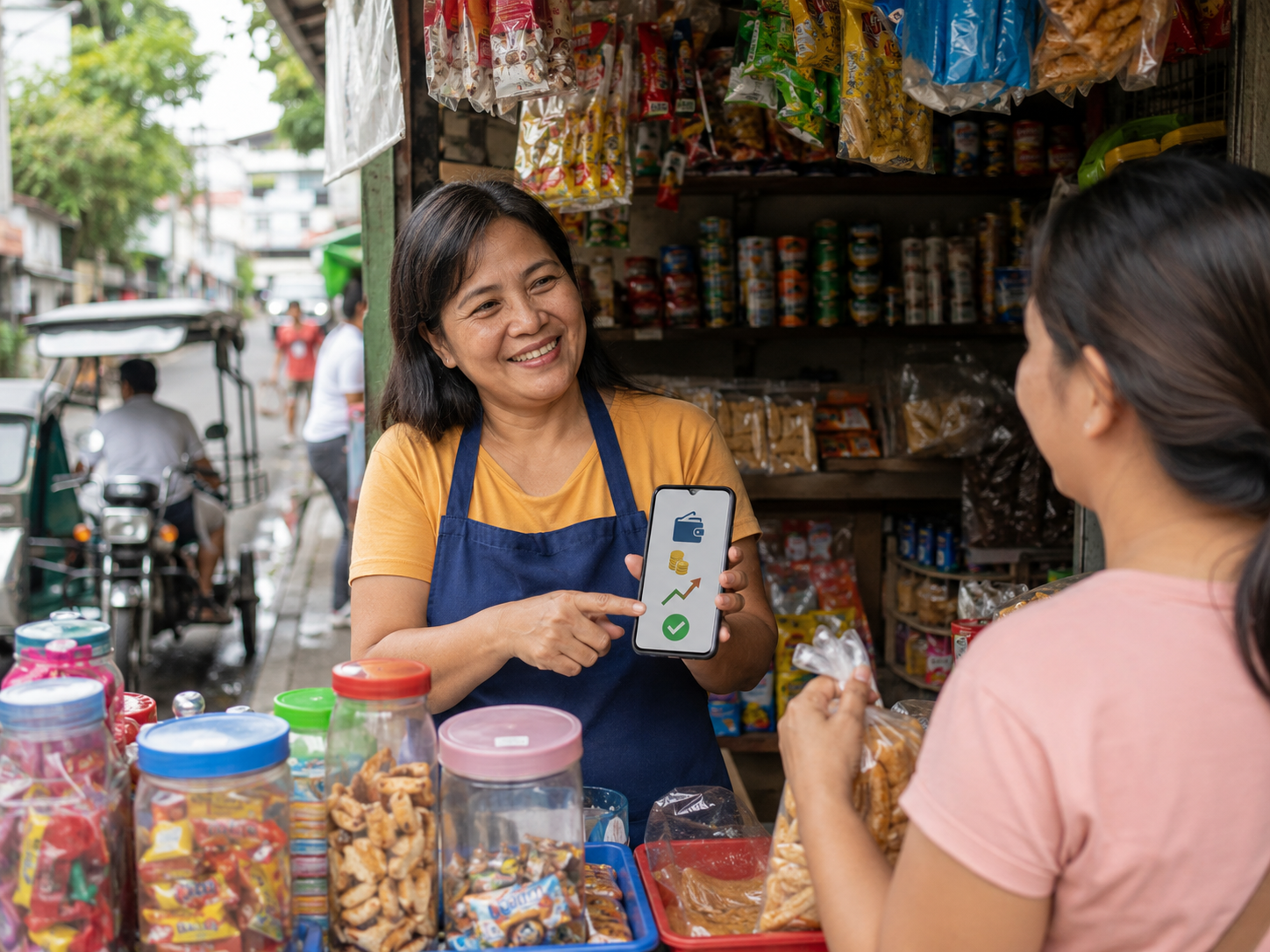
While the competition is great for wealthy and middle-class savers, it also highlights the challenge of financial inclusion. The unbanked population often cannot access these high-yield digital accounts due to a lack of digital literacy or valid IDs.
However, the ripple effect is positive. To compete with digital banks, traditional banks are forced to lower the barriers to entry for savings accounts, often removing maintaining balance requirements. This pressure is helping to democratize access to financial services, allowing more Filipinos to grow their money regardless of their income level.
Looking Ahead
The sustainability of these high-interest rates depends on the banks’ ability to profitably deploy these funds. If the demand for loans slows down, we may see a retraction in these attractive rates. However, for now, the “Digital Uprising” has created a golden era for the Filipino depositor, forcing an industry giant to wake up and compete for every peso.










Leave a Reply