

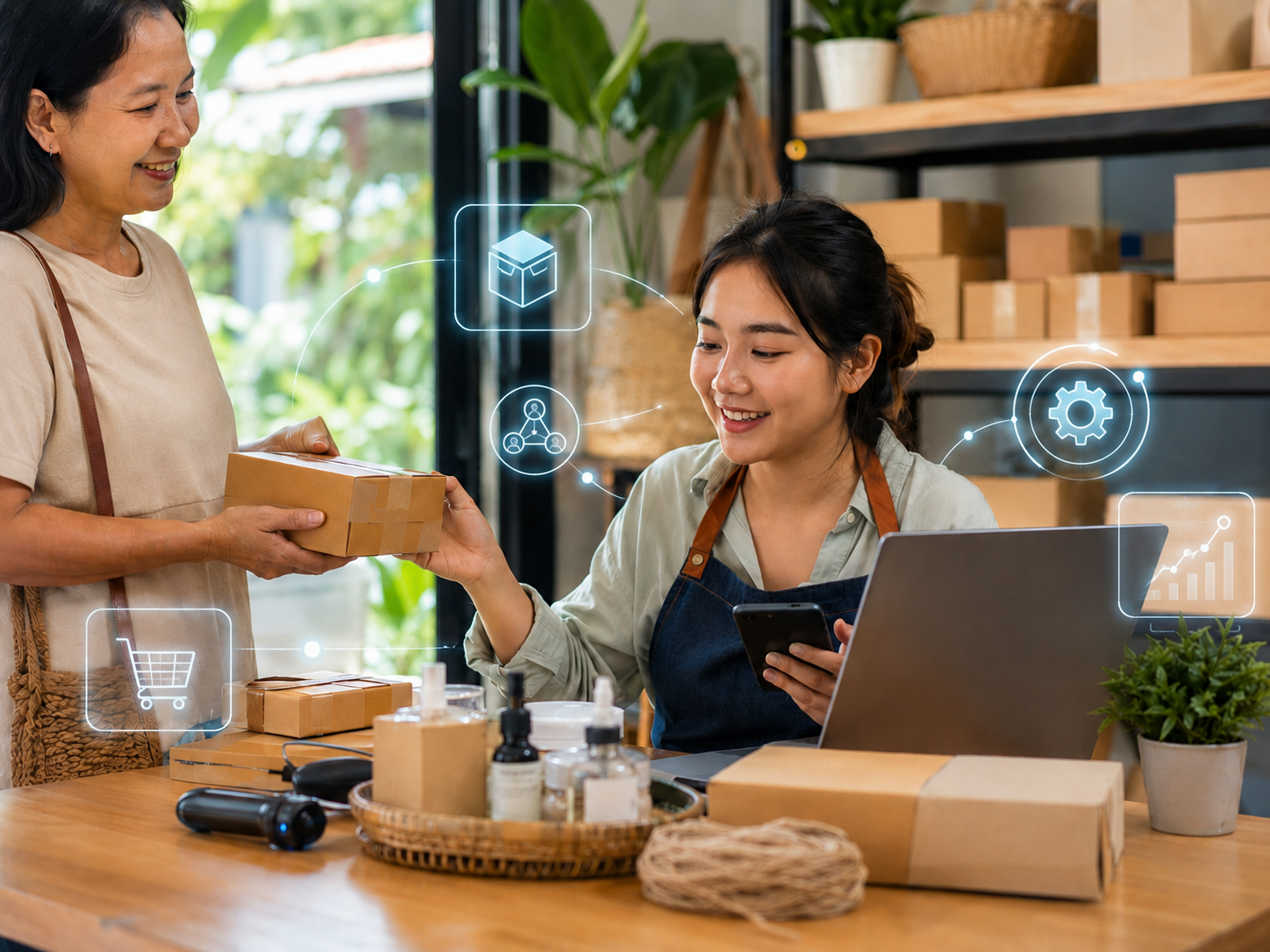
The pandemic permanently changed how businesses in the Philippines operate. While many consumers have returned to physical shopping and traditional services, their expectations have changed significantly. Customers now demand faster service, online accessibility, digital payment options, and convenient purchasing experiences.
This shift has encouraged Philippine MSMEs to develop hybrid business models that combine offline operations with digital solutions.
From Physical Stores to Omnichannel Businesses
Before COVID-19, many Filipino entrepreneurs measured success through store locations, customer visits, and local reputation. However, pandemic restrictions exposed the limitations of relying only on physical establishments.
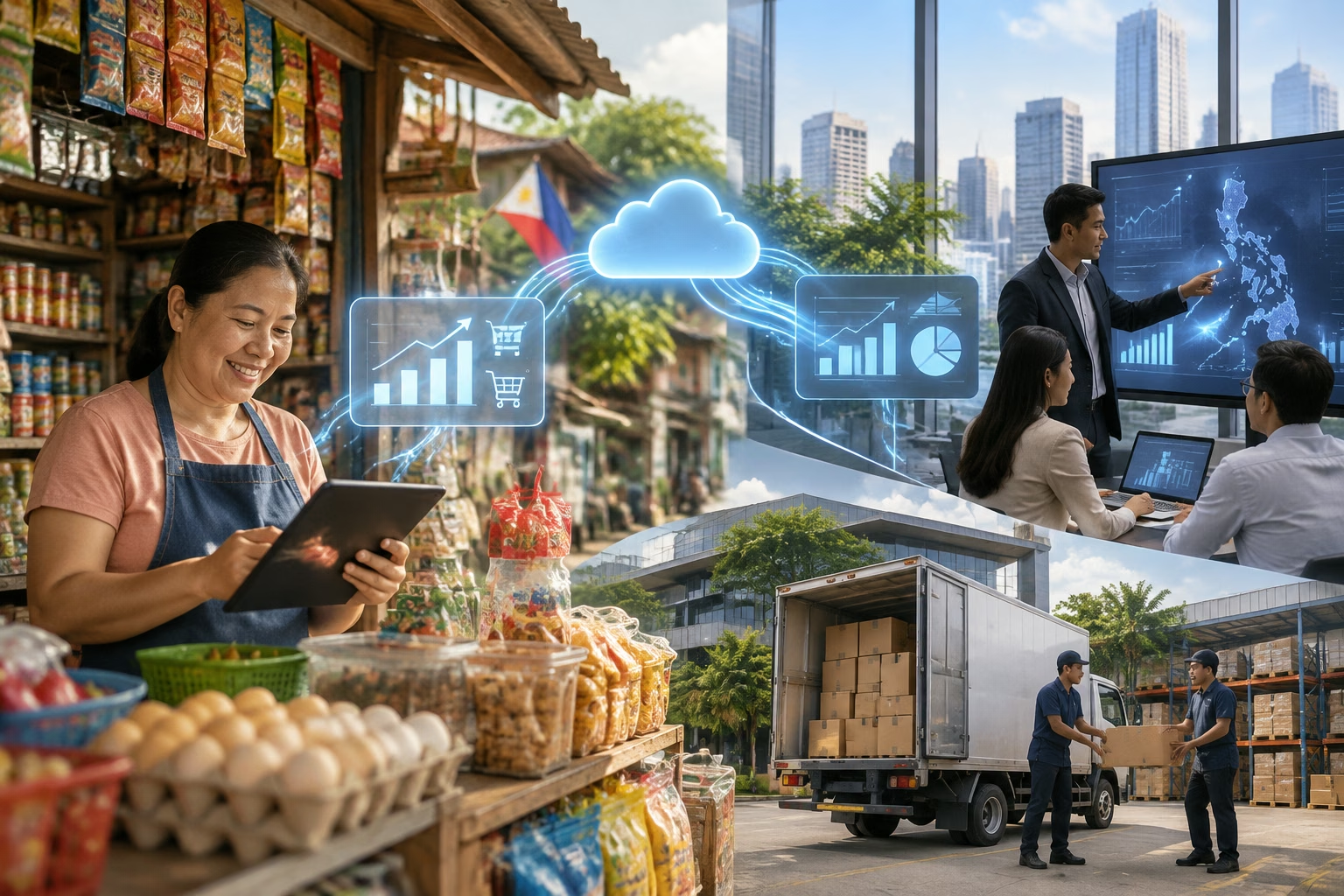
Today, many MSMEs operate through an omnichannel approach. A small clothing store may maintain a physical boutique while selling products through Facebook, Instagram, Shopee, and its own website.
This approach creates multiple customer touchpoints and reduces dependency on one revenue source.
A customer may discover a product through social media, purchase it through an online platform, and receive customer support through messaging applications. This interconnected experience has become a competitive advantage.
Local Businesses Adopt Technology-Based Solutions
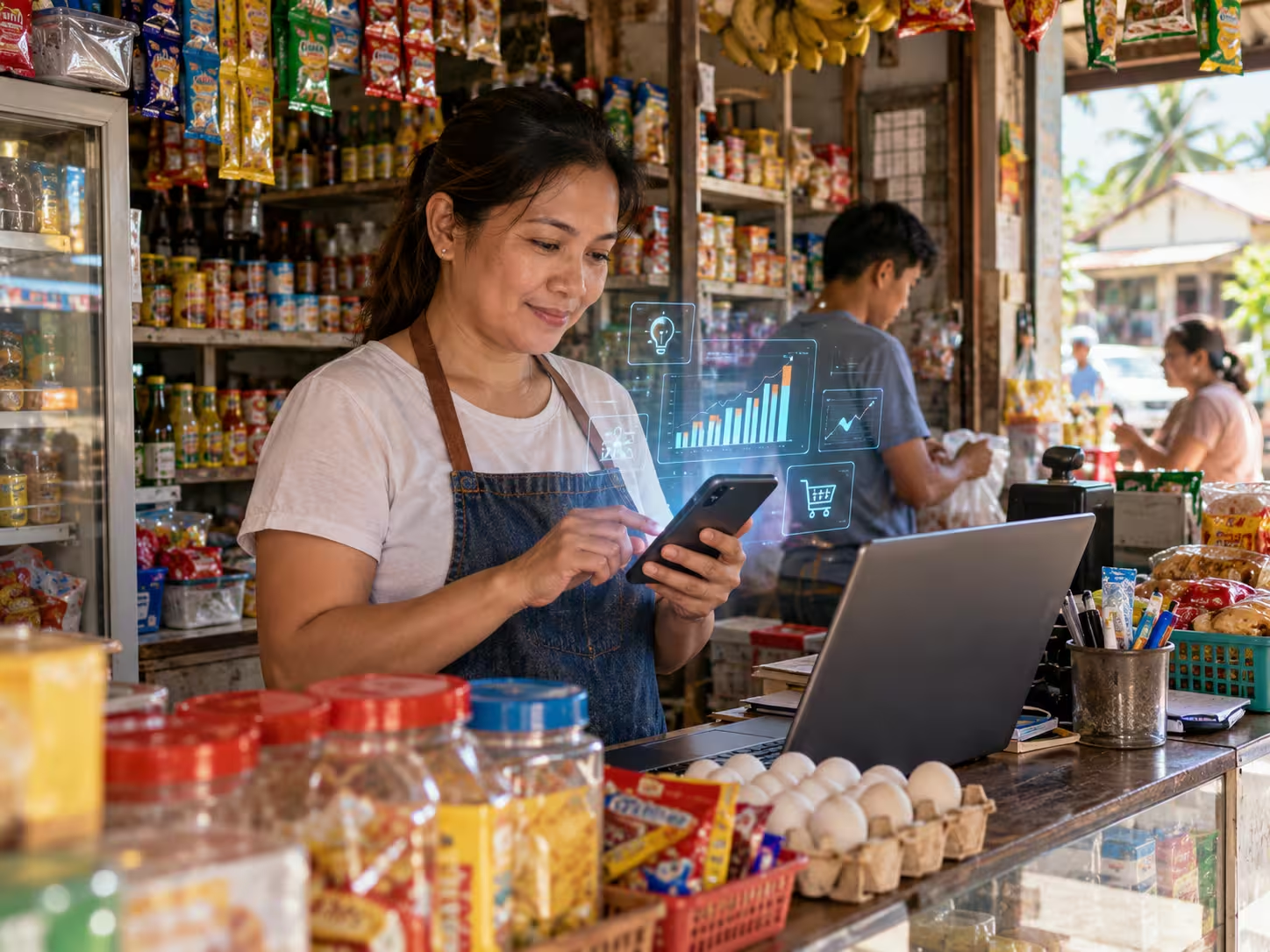
Technology adoption has become one of the strongest drivers of business transformation. Small restaurants, salons, retailers, and service providers increasingly use digital tools for inventory management, online booking, customer communication, and marketing analytics.
For example, a local restaurant can now analyze customer preferences through online ordering data and adjust menus according to demand patterns.
The Philippine Department of Trade and Industry has actively supported MSME digitalization programs, helping entrepreneurs improve online capabilities and market access.
Reference:
https://www.dti.gov.ph
Subscription and Membership Models Gain Attention
Another emerging business model among Philippine MSMEs is subscription-based services. Businesses are moving beyond one-time purchases by creating recurring revenue opportunities.
Examples include monthly food packages, coffee subscriptions, beauty product deliveries, and digital membership communities.
This model provides more predictable income while strengthening relationships with customers.
Small businesses that understand customer habits can design personalized subscriptions that create long-term value.
Community-Based Entrepreneurship Expands
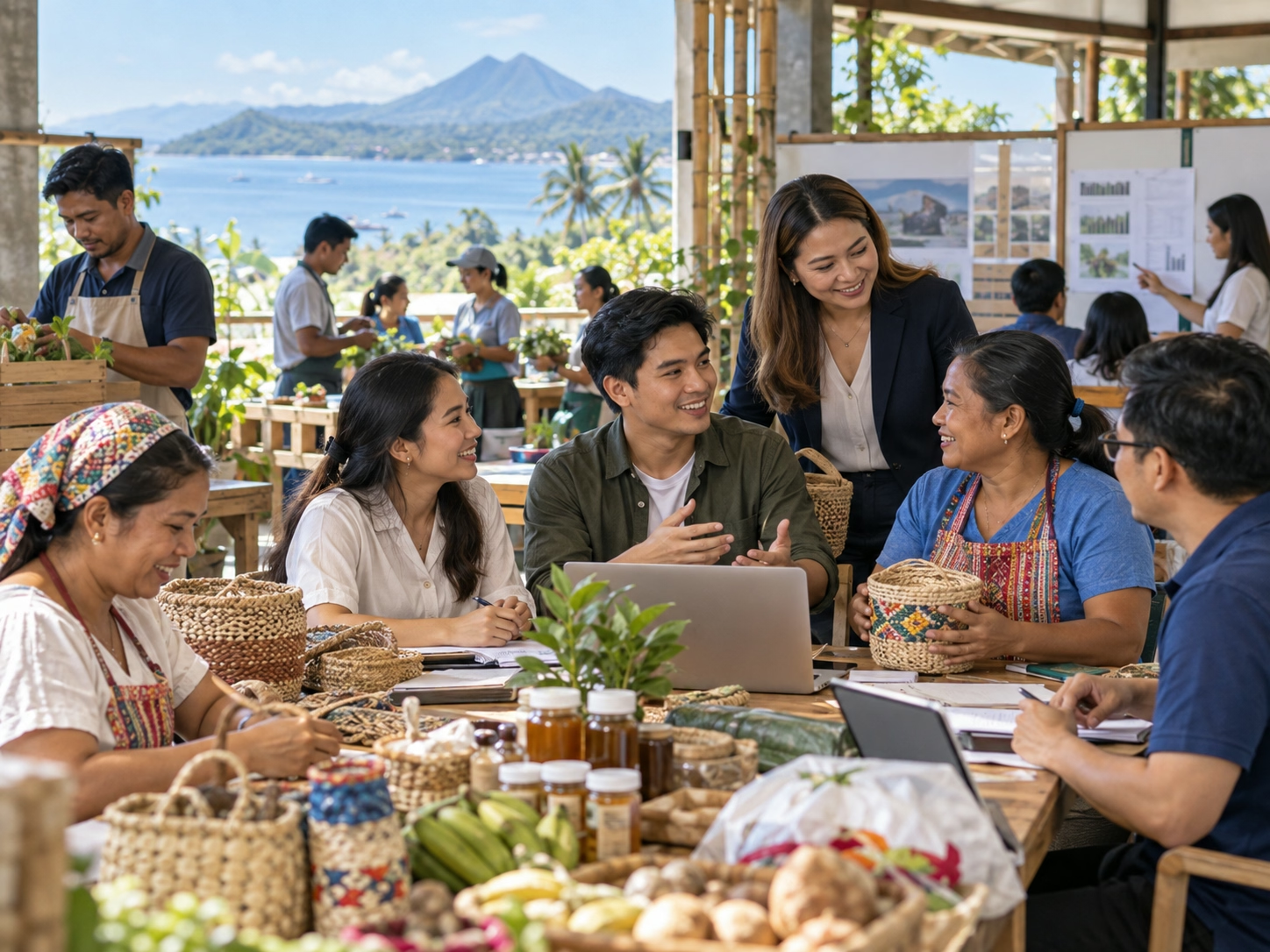
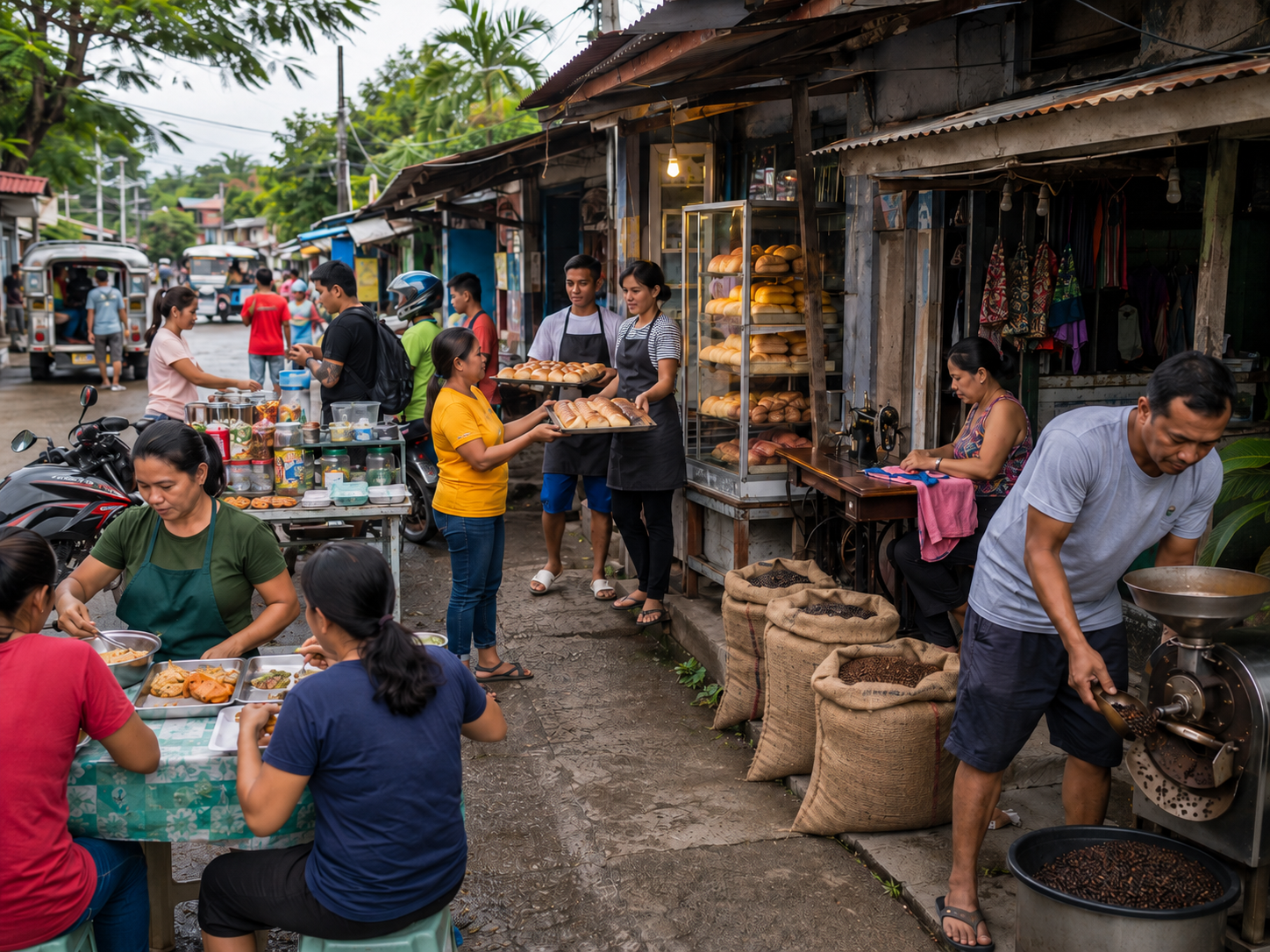
Filipino entrepreneurs are also developing community-driven business models. Many MSMEs focus on local identity, cultural products, and social connections to differentiate themselves.
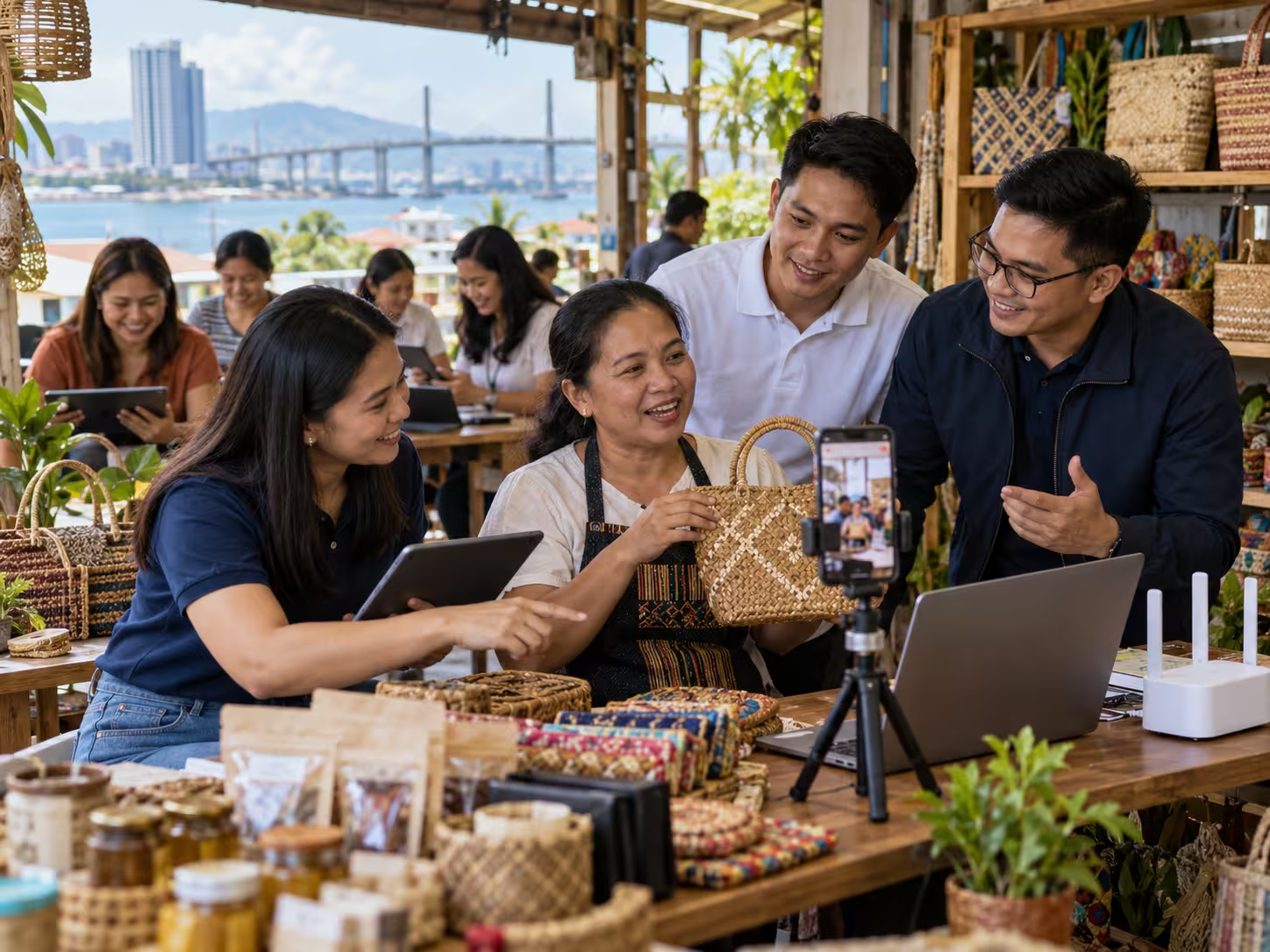
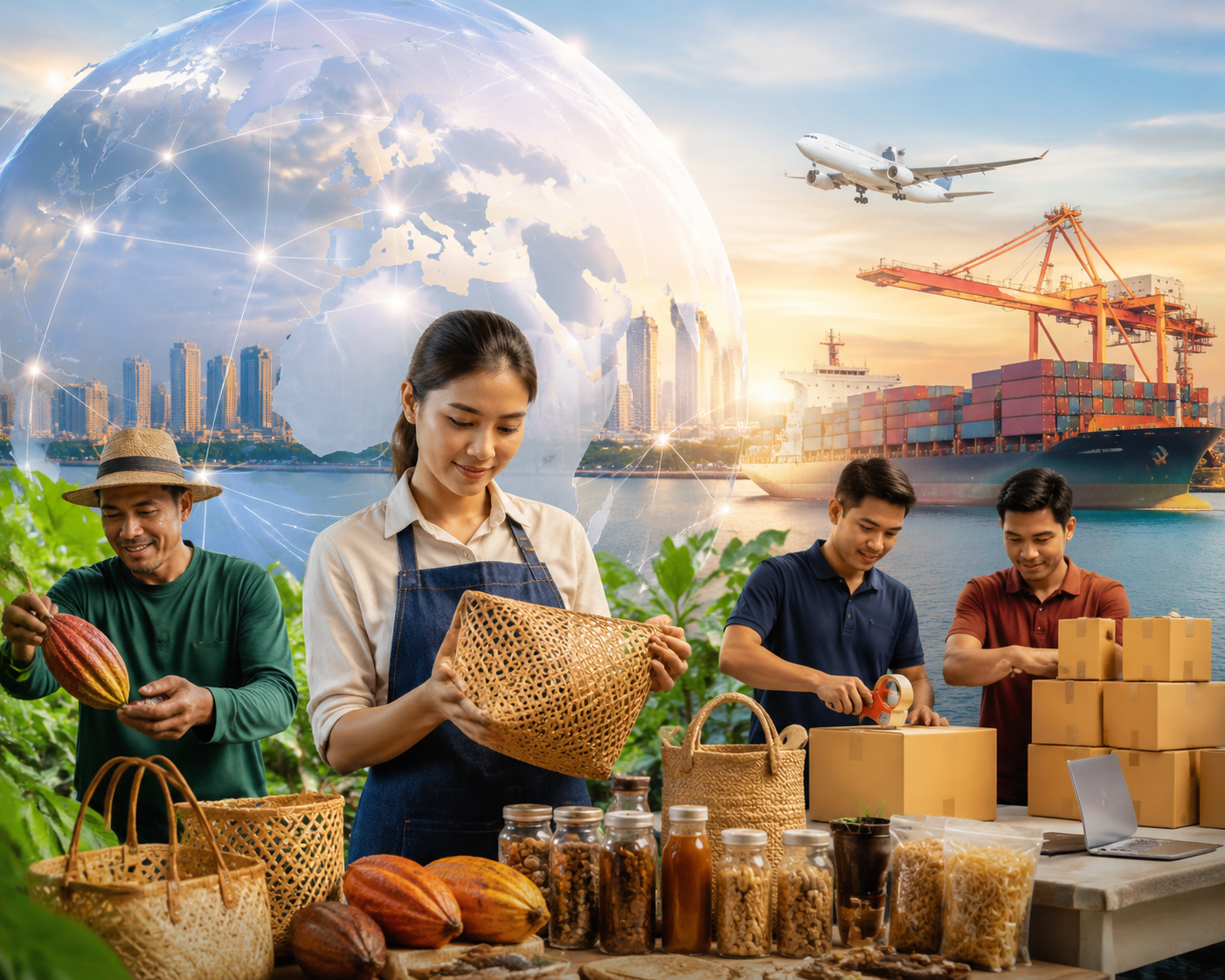
Small agricultural producers, handicraft creators, and regional food brands increasingly use digital storytelling to promote their products.
A local product is no longer limited to a local market. Through online platforms, Filipino heritage products can reach customers across the country and overseas.
Challenges Facing Hybrid MSMEs
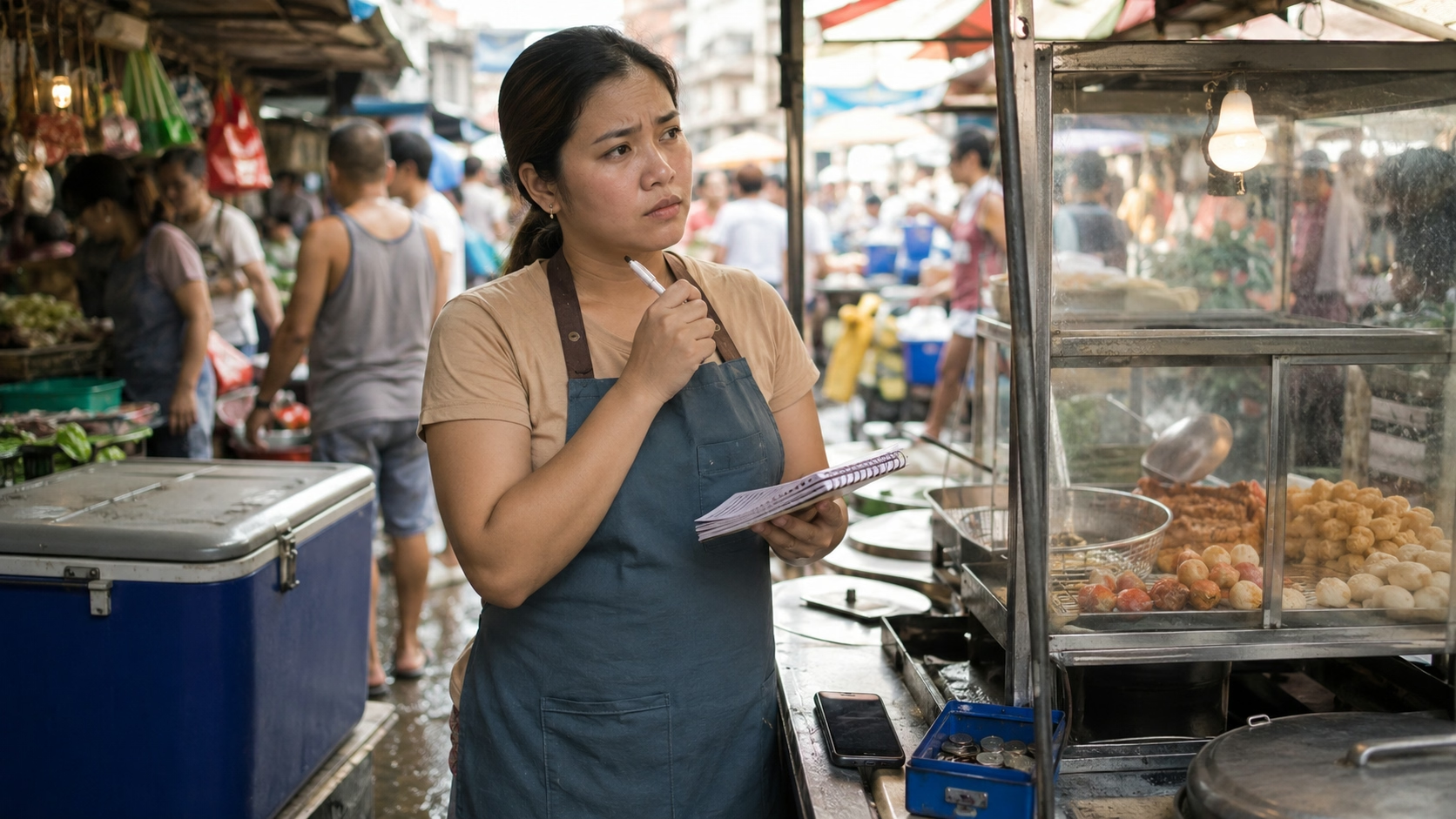
Although digital transformation creates opportunities, challenges remain. Many small businesses still struggle with technology costs, digital skills, cybersecurity concerns, and competition from larger online sellers.
To succeed, MSMEs need continuous learning and strategic investment. Digital tools should not only be adopted because they are popular but because they solve specific business problems.
The most successful entrepreneurs are those who combine traditional relationship-building with modern technology.
New Opportunities for Philippine Entrepreneurs
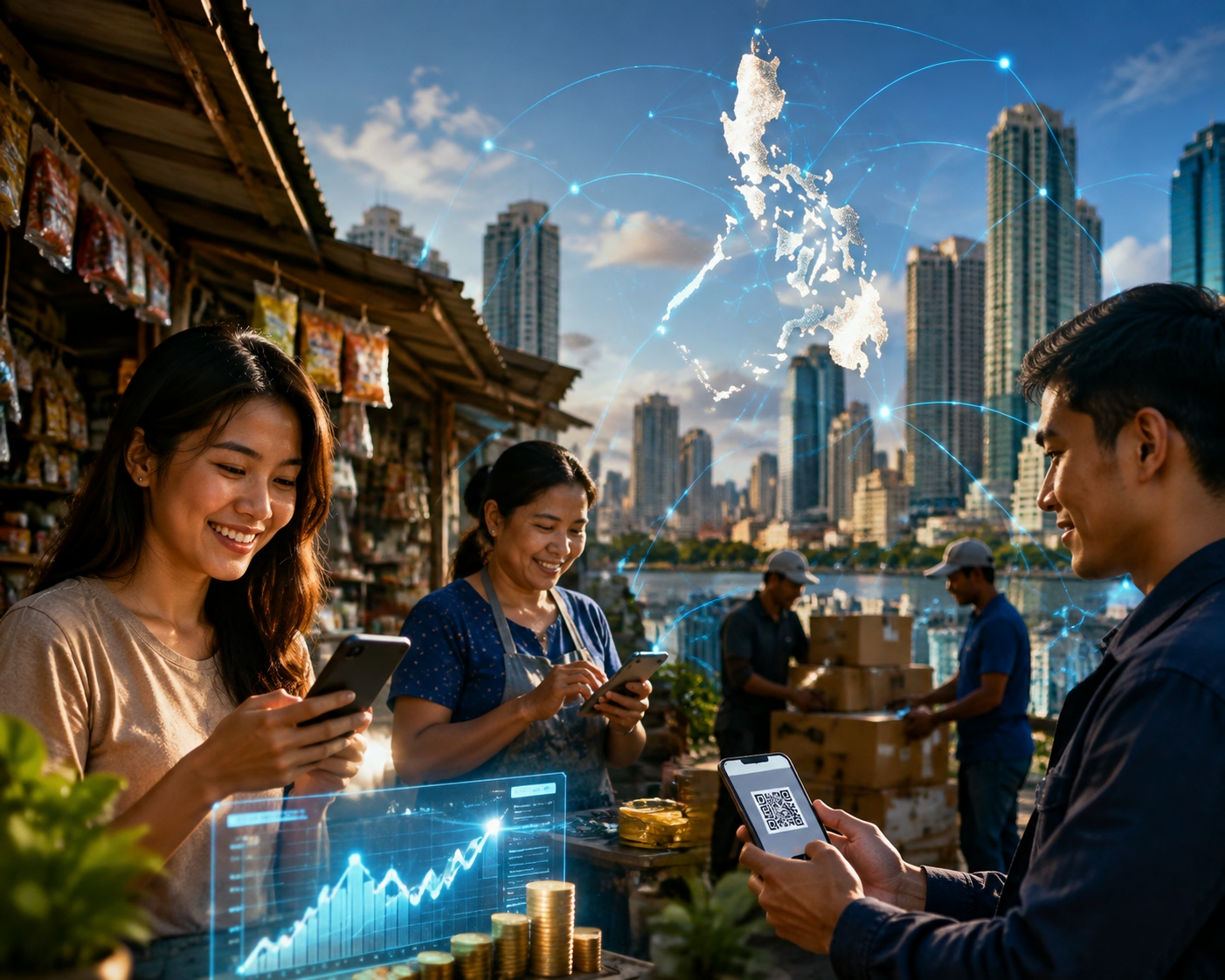
Hybrid business models represent a major evolution in the Philippine MSME sector. Businesses are no longer choosing between physical and digital operations. Instead, they are combining both approaches to create stronger, more adaptable enterprises.
The future of Philippine entrepreneurship will likely depend on businesses that understand consumer behavior, use technology effectively, and maintain authentic connections with their communities.



Leave a Reply