


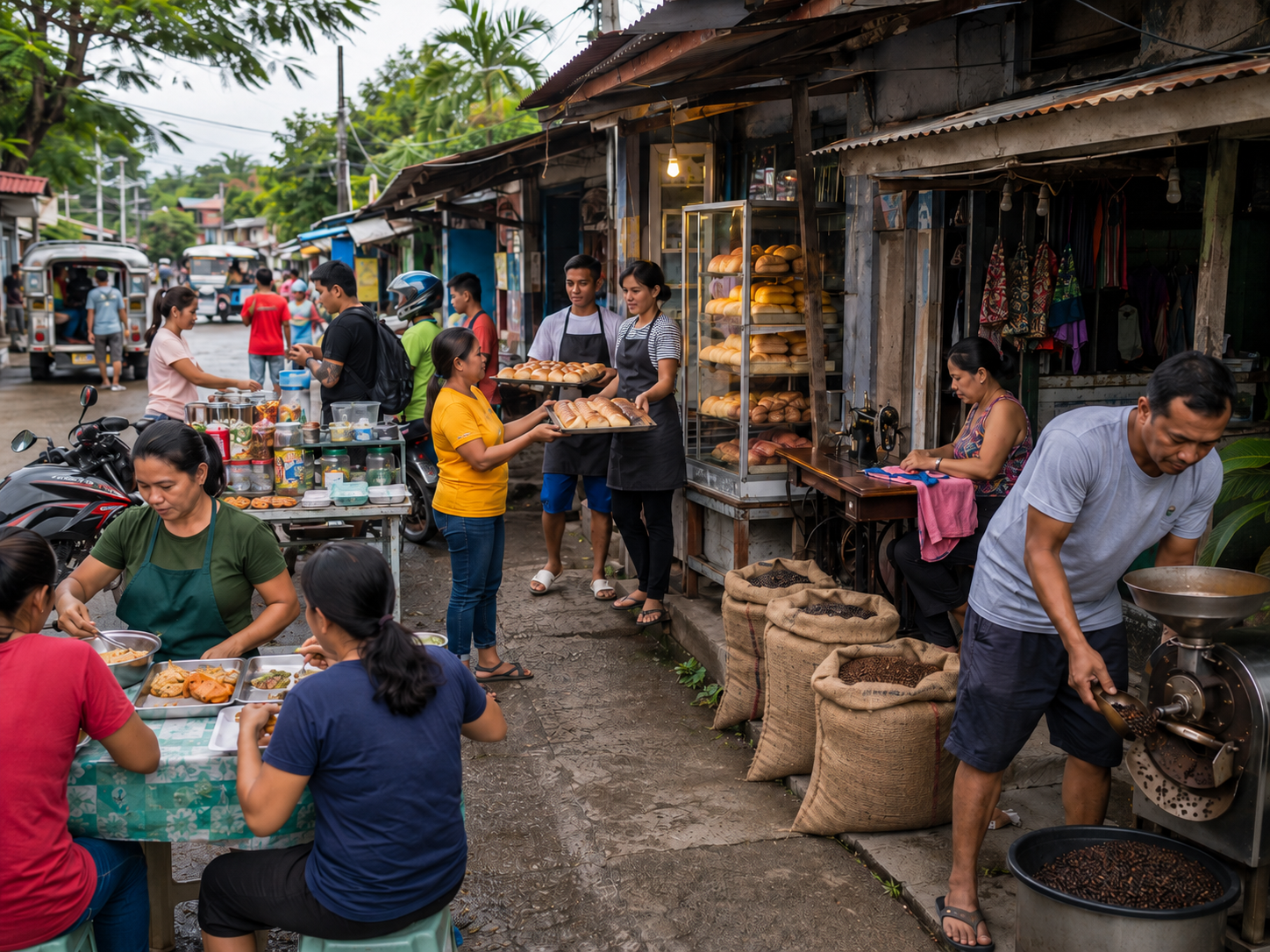
For many young Filipinos, entrepreneurship is more than a career path. It is a chance to create opportunities, gain independence, and solve problems in their communities. Yet building a business from nothing is rarely straightforward. Behind every startup dream are challenges involving money, knowledge, systems, and personal endurance.
The first barrier most young entrepreneurs face is financing. Starting a business requires money for raw materials, product development, packaging, transportation, permits, and promotion. In the Philippines, obtaining business capital can be difficult for young founders who do not own property or have a stable financial record. Because of this, many promising ideas never move beyond the planning stage. One effective way around this is bootstrapping. By using personal savings, pre-orders, or low-cost pilot launches, young entrepreneurs can validate a business idea without taking on heavy debt. They can also explore local startup contests, small enterprise support programs, or partnerships with family members and trusted collaborators.
A second obstacle is unfamiliarity with business management. Passion alone does not automatically lead to good decisions. Many young founders make mistakes in budgeting, inventory control, pricing, and cash flow management. Some focus only on sales and forget to monitor expenses, which can quickly damage the business. A useful solution is to treat entrepreneurship as a skill that must be studied. Learning bookkeeping basics, understanding profit margins, and using simple tracking tools can greatly improve decision-making. Even free spreadsheet systems or mobile apps can help organize records and prevent confusion.
Young entrepreneurs in the Philippines must also deal with structural and administrative difficulties. Business registration, taxes, barangay clearances, and permits can be time-consuming and intimidating. For someone just starting out, these requirements may feel like unnecessary obstacles. Still, ignoring legal compliance creates bigger risks later. The best approach is to handle formalization step by step. Entrepreneurs can begin by understanding which permits are necessary for their business type, then create a checklist to make the process more manageable. Consulting local government offices or small business support centers can save time and reduce costly mistakes.
Competition is another serious challenge. The Philippine market is filled with established brands, budget sellers, and highly active online businesses. New entrepreneurs can struggle to attract attention, especially when customers often compare prices first. To address this, young founders need a clear value proposition. They must answer a simple question: why should a customer choose this business over others? The answer could be better service, more reliable quality, a specialized product, or a stronger emotional connection with the brand. Businesses that understand their target audience tend to market more effectively and build stronger loyalty.
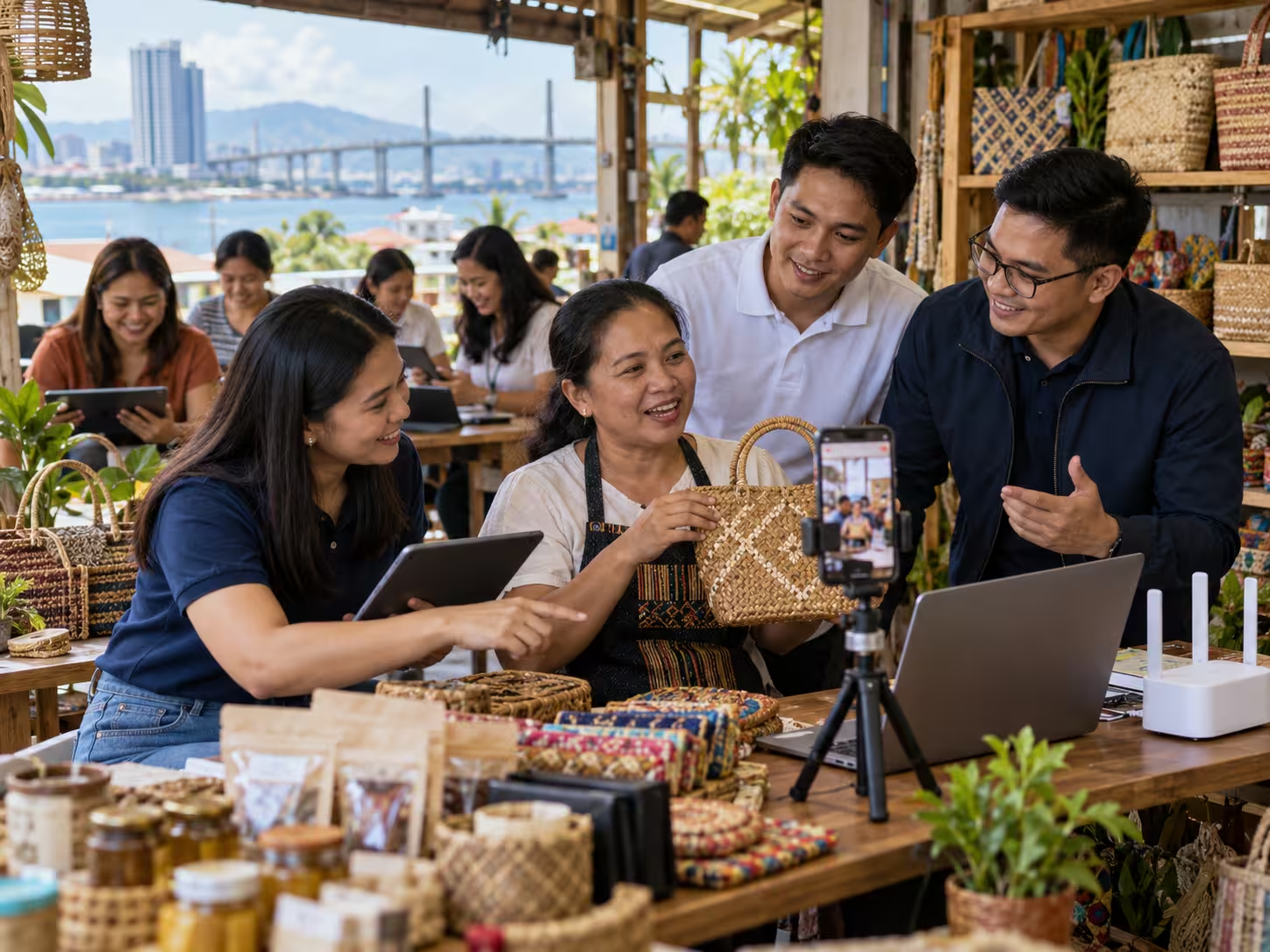
Technology also plays a major role in modern entrepreneurship. Customers increasingly discover products through Facebook, TikTok, Instagram, and online marketplaces. A business with weak online presence may be invisible, even if the product itself is excellent. Fortunately, digital growth is possible even with a small budget. Young entrepreneurs can learn how to create engaging posts, use storytelling, share behind-the-scenes content, and build customer trust through honest communication. In many cases, authenticity performs better than expensive advertising.
There is also a personal challenge that often receives less attention: mental and emotional strain. Starting from zero can be exhausting. Sales may be unpredictable, and progress can feel slow. Young entrepreneurs often balance business with studies, jobs, or family obligations. To remain effective, they need discipline and emotional resilience. Building routines, celebrating small wins, and staying connected with supportive people can help maintain motivation during difficult periods.
Entrepreneurship in the Philippines offers meaningful possibilities for the youth, but success depends on more than a good idea. It requires practical planning, financial discipline, adaptability, and courage. Those who begin with limited resources can still grow a strong business when they stay focused, keep learning, and respond wisely to each challenge along the way.









Leave a Reply