

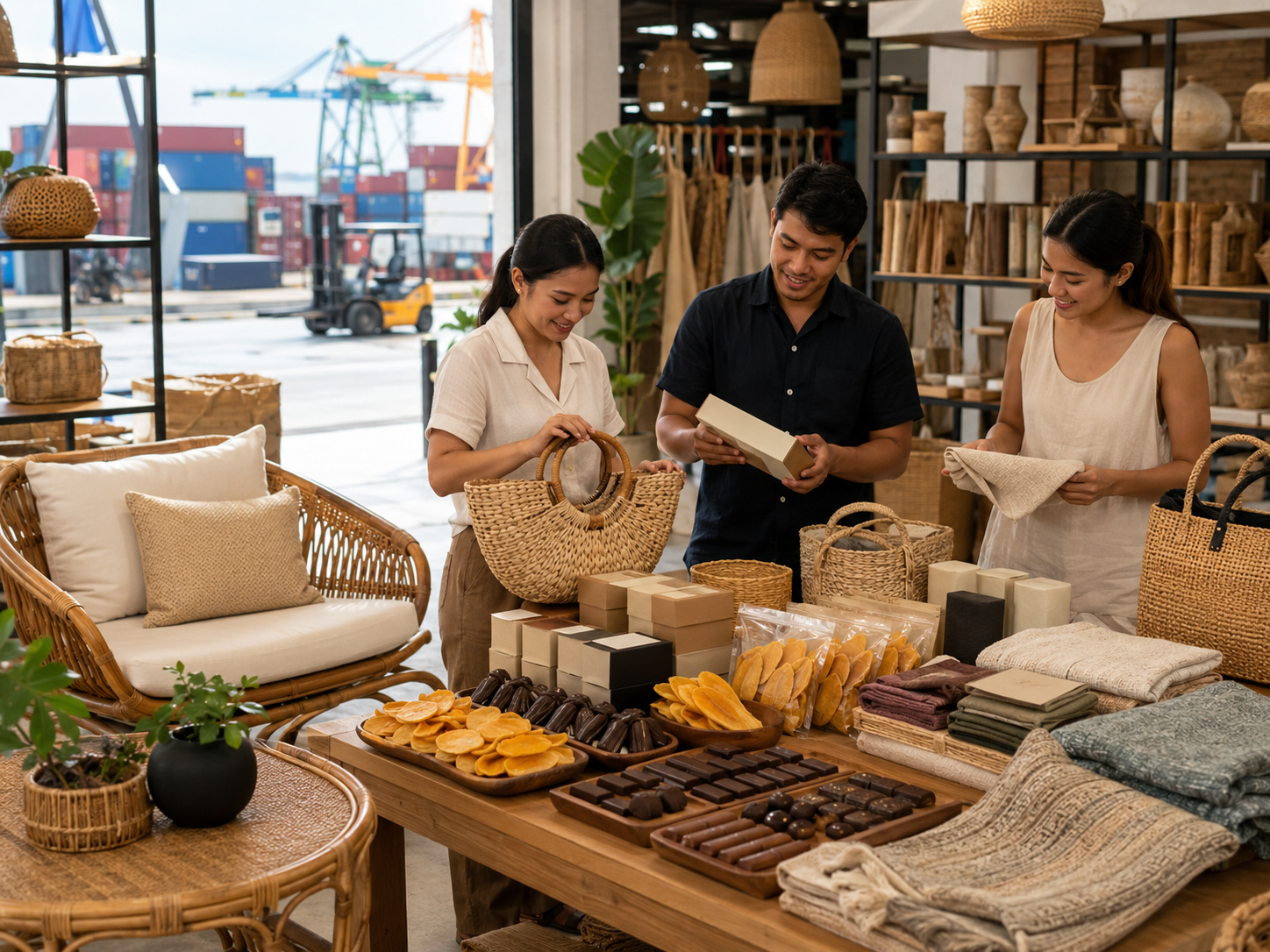
The rise of Filipino entrepreneurs in the export sector reflects a powerful shift in how local products are developed and marketed. Instead of selling traditional goods in simple or generic forms, many business owners in the Philippines have upgraded them through design, branding, processing, and international market research. This approach has allowed local products to reach buyers outside the country and compete in more demanding global markets.
A clear illustration of this is Kenneth Cobonpue, whose furniture designs helped place Philippine craftsmanship on the world stage. His work uses materials commonly found in the country, including rattan, bamboo, abaca, and other natural fibers. However, he does not treat these materials as basic or outdated. Through innovative shapes and modern production techniques, he transforms them into high-end furniture pieces. This strategy helped change the perception of Philippine furniture from ordinary handmade goods into globally desirable design products.
Social enterprise has also become an important path for export growth. Rags2Riches, co-founded by Reese Fernandez-Ruiz, built its identity around recycled textiles and artisan-made products. The company works with local craft communities, especially women artisans, to produce bags, accessories, and lifestyle items. Its export appeal comes from the combination of good design and meaningful impact. For many global consumers, especially in developed markets, products that support sustainability and fair livelihood carry additional value.
Food entrepreneurs have followed a similar path by turning agricultural strengths into export-ready products. The Philippines has long been known for tropical fruits, but raw fruit exports can face challenges such as spoilage and strict import rules. Processed food businesses, such as those producing dried mangoes and other fruit-based snacks, helped solve this problem. Entrepreneurs like Justin Uy of Profood International demonstrated that local fruits could become internationally recognized packaged products when supported by proper processing, food safety systems, and strong distribution networks.
Another important development is the growth of Philippine-made premium chocolate. Brands such as Auro Chocolate have helped introduce local cacao to global consumers in a more refined form. Rather than depending only on the export of raw cacao beans, Filipino entrepreneurs have created finished chocolate products with higher value. This benefits the brand, the farmers, and the image of the Philippines as a source of quality ingredients.
The common factor among these successful exporters is their ability to add value. They do not merely sell what is already available. They improve product design, strengthen packaging, meet international standards, and create a brand story that foreign buyers can understand. This is important because global markets are highly competitive. A product must be attractive, reliable, and clearly different from alternatives offered by other countries.
Their achievements also show that export success requires patience. Entrepreneurs must build relationships with buyers, participate in trade fairs, respond to feedback, and adjust to regulations in different countries. The process is not instant, but the rewards can be significant. Export growth brings income to local communities, creates employment, and increases recognition for Philippine culture and resources.
Filipino entrepreneurs who have expanded exports prove that local products can become global assets. Through creativity, quality, and purpose-driven branding, they have shown that Philippine-made goods can earn a strong place in international markets.






Leave a Reply