

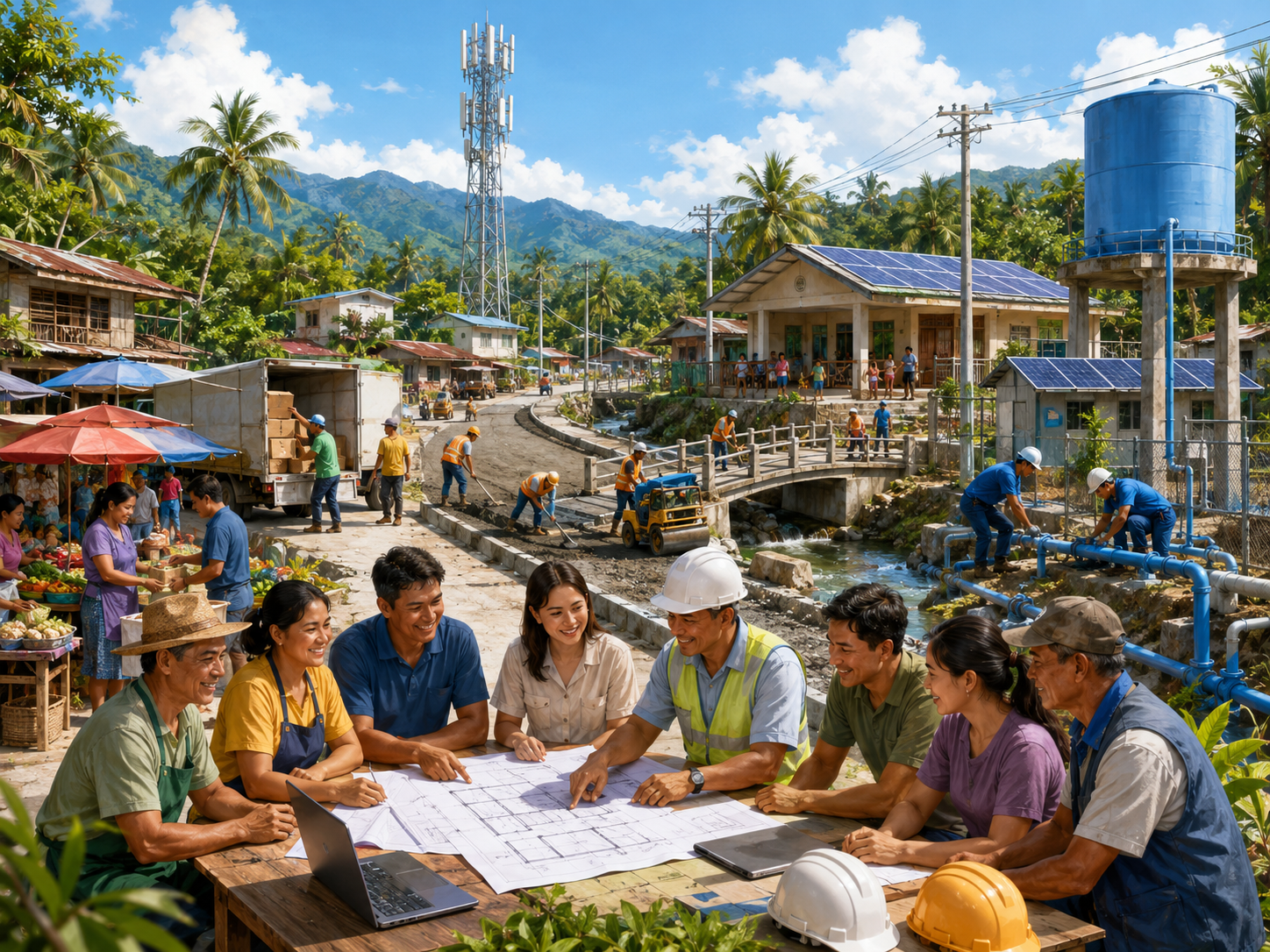
Small and medium-sized enterprises (SMEs) are increasingly recognized as vital contributors to local infrastructure growth in the Philippines. While their primary function is economic—generating employment and boosting local income—their influence often extends into shaping public infrastructure and community facilities. Across the archipelago, SMEs play an essential role in ensuring that local development meets the practical needs of residents and businesses alike.
One of the primary ways SMEs affect infrastructure is through partnerships with local governments. These collaborations can range from direct investments in public facilities to joint ventures in utility projects and transportation systems. By leveraging the flexibility and local knowledge of SMEs, municipalities can implement infrastructure projects more efficiently and responsively. For instance, small construction and engineering firms often take on tasks that larger contractors may overlook, such as upgrading rural roads or improving local drainage systems, which directly enhances connectivity and public safety.
Beyond direct partnerships, SMEs also influence infrastructure development indirectly through the creation of economic demand. As small enterprises expand—whether in retail, manufacturing, or service sectors—they require functional roads, reliable power supply, water systems, and communication networks. This increased demand often motivates local authorities to prioritize infrastructure upgrades, creating a cycle where business growth and public development reinforce each other. A small food processing business in a provincial town, for example, might spur improvements to nearby roads to facilitate the distribution of its products, benefitting the entire community.
Innovation is another significant contribution of SMEs to local infrastructure. In regions where conventional solutions are impractical due to budgetary or logistical constraints, small enterprises often introduce cost-effective alternatives. These may include modular housing, community solar projects, localized water treatment, or small-scale transport solutions. Such innovations not only fill gaps left by large-scale infrastructure projects but also ensure that improvements are tailored to the needs and realities of local communities.
SMEs also contribute financially to infrastructure through social responsibility initiatives. Many local businesses invest in community-focused projects, such as building school facilities, repairing streets, or installing sanitation systems. These contributions not only improve the living environment but also cultivate goodwill and a stable operational context for businesses. In turn, communities with stronger infrastructure attract more enterprises, stimulating broader economic development.
Finally, SMEs act as mediators between policy objectives and community priorities. By participating in local planning and project execution, they help ensure that infrastructure investments reflect the genuine needs of residents. This engagement fosters inclusivity, transparency, and sustainability in development processes, demonstrating that small businesses are essential partners in national and regional infrastructure agendas.
In sum, SMEs in the Philippines serve as crucial agents of local infrastructure development. Through partnerships, innovation, financial support, and indirect economic influence, they ensure that infrastructure growth aligns with the needs of both the business sector and local communities. Their contributions underscore the importance of integrating SMEs into planning strategies to achieve sustainable, inclusive development.









Leave a Reply