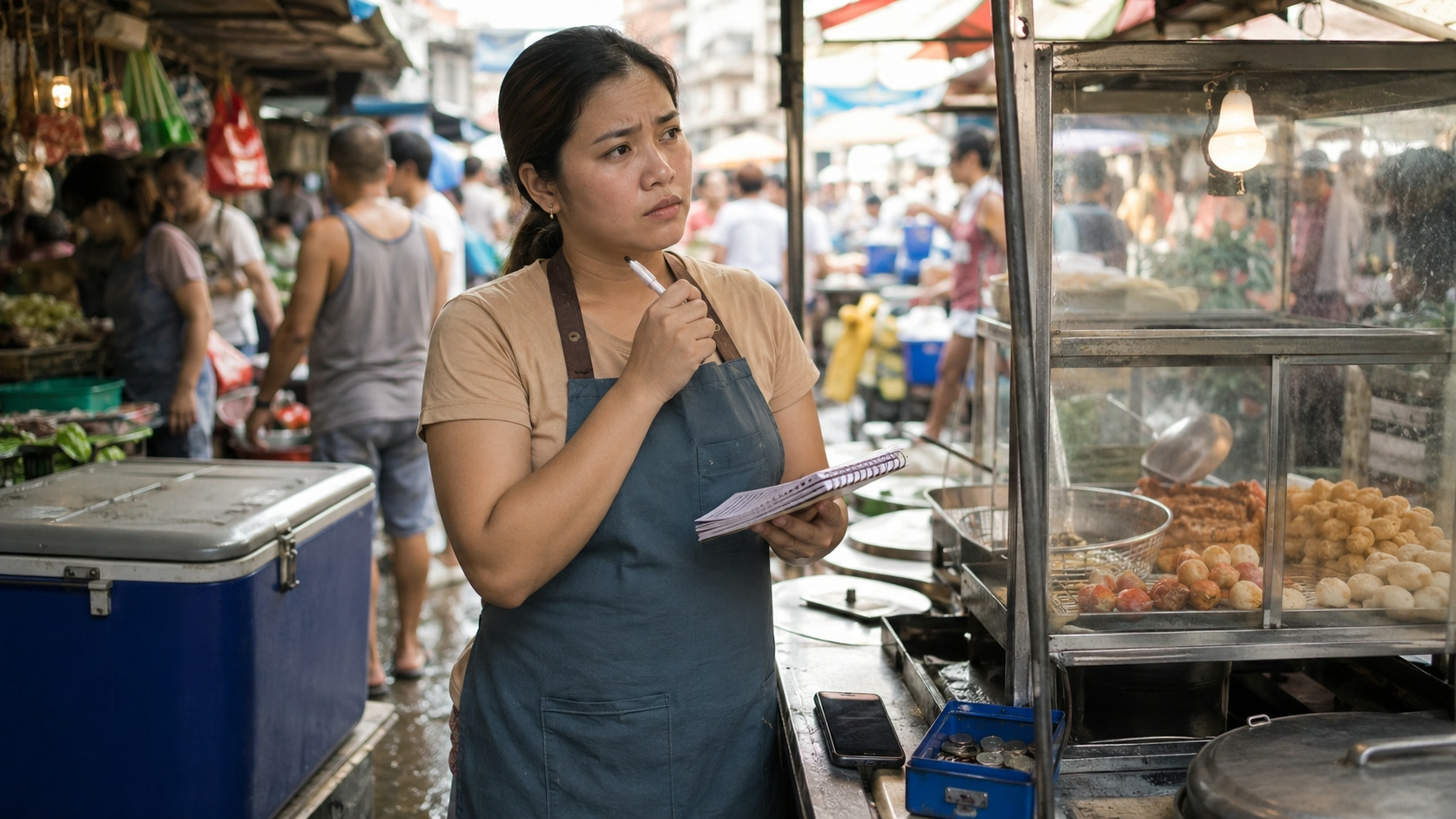
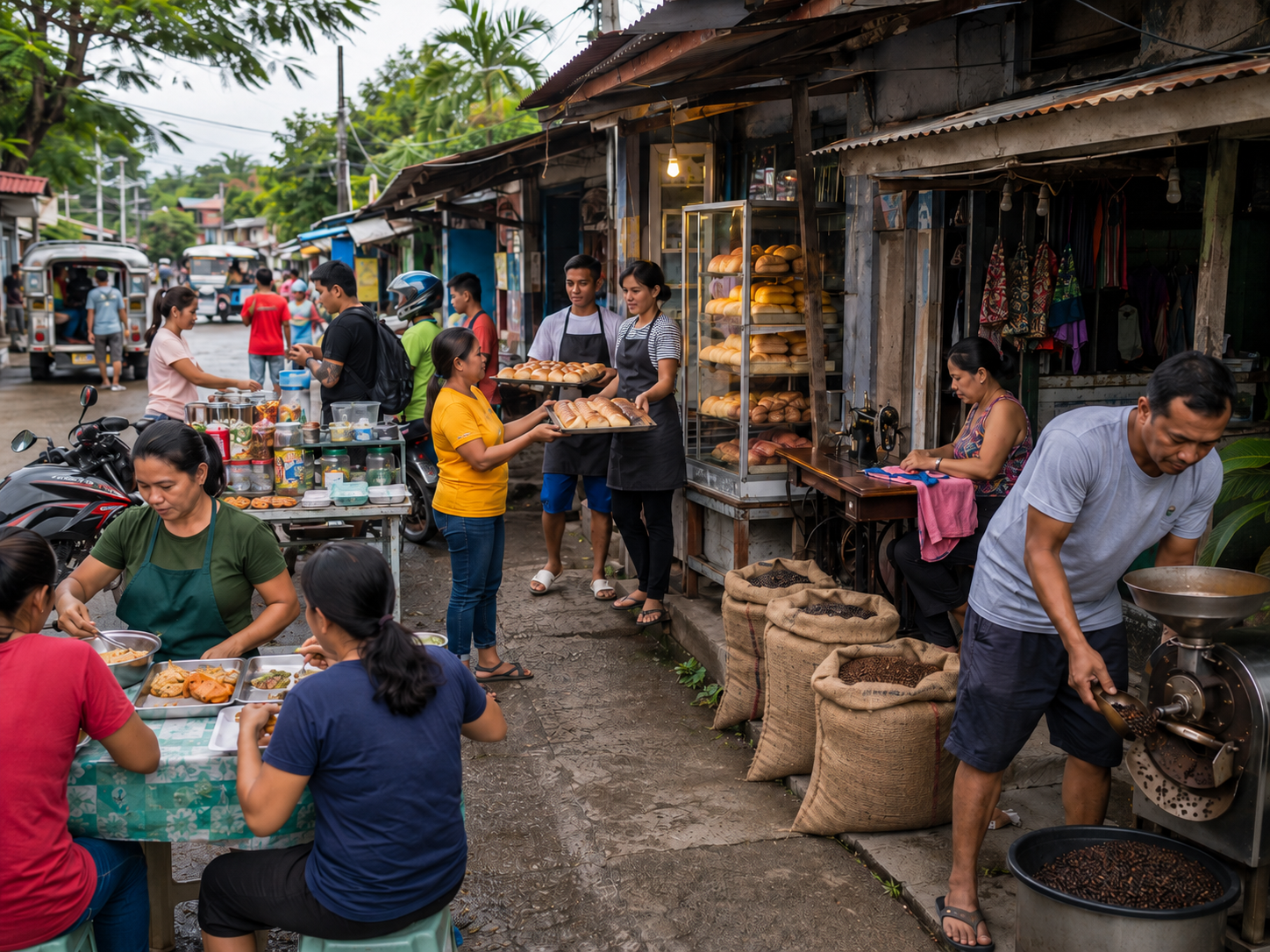
The Philippines, with its dynamic economy and growing population, has recognized the essential role of small and medium-sized enterprises (SMEs) in driving employment and contributing to GDP growth. The Philippine government has thus prioritized initiatives to support entrepreneurs and help SMEs thrive. This commitment is reflected in both policy changes and the establishment of key programs aimed at fostering entrepreneurship.
The Department of Trade and Industry (DTI) is one of the primary government bodies offering support to SMEs. The DTI provides a wealth of resources for entrepreneurs, from facilitating business registrations to helping with market access and product development. Entrepreneurs are offered assistance in scaling their businesses through comprehensive programs that focus on improving their competitiveness and sustainability.
The Philippine government has also made strides in simplifying business processes through technology. The establishment of the Philippine Business Registry (PBR) allows entrepreneurs to complete various requirements online, eliminating time-consuming procedures and enabling them to start businesses faster. The PBR is part of a broader initiative to digitalize government services, streamlining interactions for entrepreneurs and reducing bureaucratic delays.
Additionally, the government supports SMEs through physical infrastructure such as the Negosyo Centers. These centers serve as business hubs where entrepreneurs can seek advice, financial guidance, and networking opportunities. The DTI has set up numerous centers across the country, making it easier for aspiring entrepreneurs to access information and resources that will help them navigate the challenges of starting and maintaining a business.
Another vital element of government support is access to funding. Through partnerships with both public and private financial institutions, the government provides various loan programs tailored specifically to SMEs. One such initiative is the DTI’s Small Business Corporation (SBCorp), which offers financial aid in the form of low-interest loans. In response to the financial struggles of businesses due to the COVID-19 pandemic, the government also introduced emergency relief programs, providing SMEs with financial support to ensure they could recover and continue operations.
Tax reforms also play a crucial role in supporting SMEs. The Tax Reform for Acceleration and Inclusion (TRAIN) Law has provided numerous benefits for small businesses, including tax exemptions and lower tax rates. These changes have made it more affordable for entrepreneurs to sustain their operations, invest in growth, and increase their profitability.
In conclusion, the Philippine government’s support for entrepreneurs and SMEs is multi-faceted, addressing financial, regulatory, and operational challenges. With a variety of initiatives designed to ease the process of business creation and growth, the government has made it clear that entrepreneurship is a priority for the nation’s economic future.