

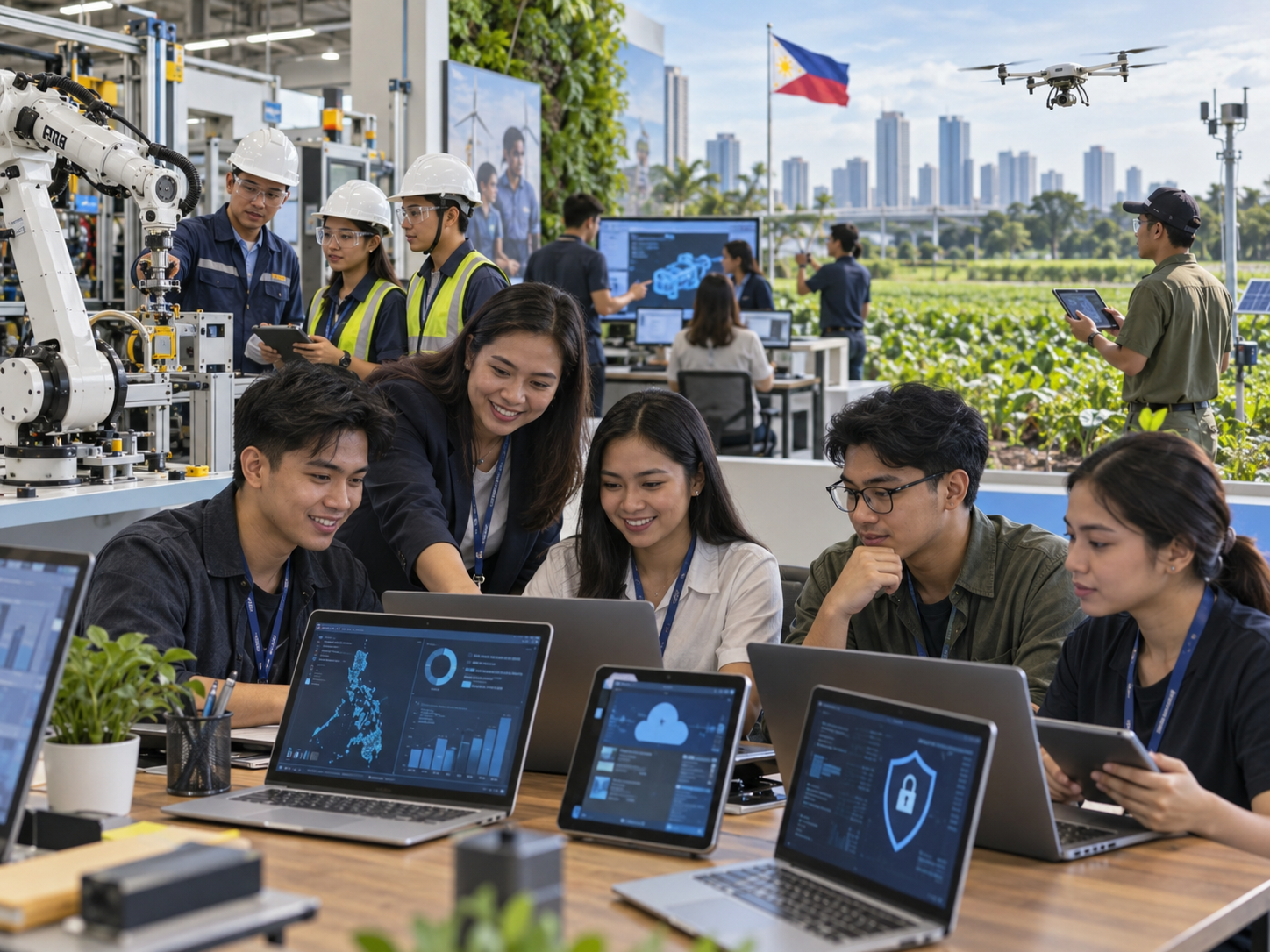
The archetype of the Filipino worker is being rewritten. Gone are the days when professional growth was tethered to physical proximity to Metro Manila. By 2026, the archipelago’s educational infrastructure has been democratized by ones and zeros—digital-first training programs. This shift is not merely a trend but a necessity, driven by the nation’s geography and the global shift toward remote and hybrid work ecosystems.
Erasing the Archipelago Divide: Education Without Borders
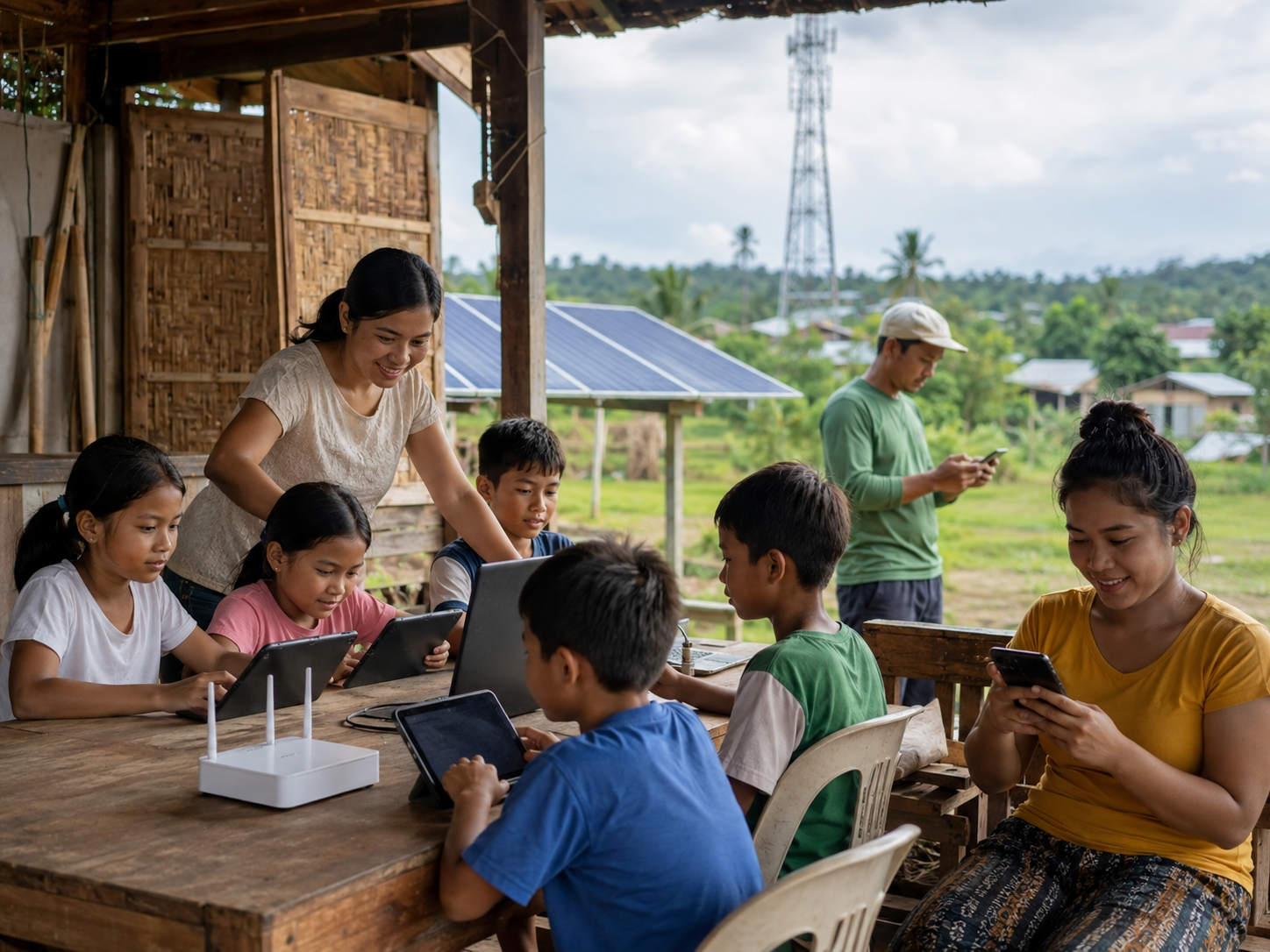
The Philippines consists of over 7,000 islands, a geographic reality that historically concentrated opportunity in urban centers. However, 2026 marks a year where location is losing relevance. High-speed internet penetration, bolstered by government initiatives and private sector investment in satellite technology, has unlocked the potential of the provinces.
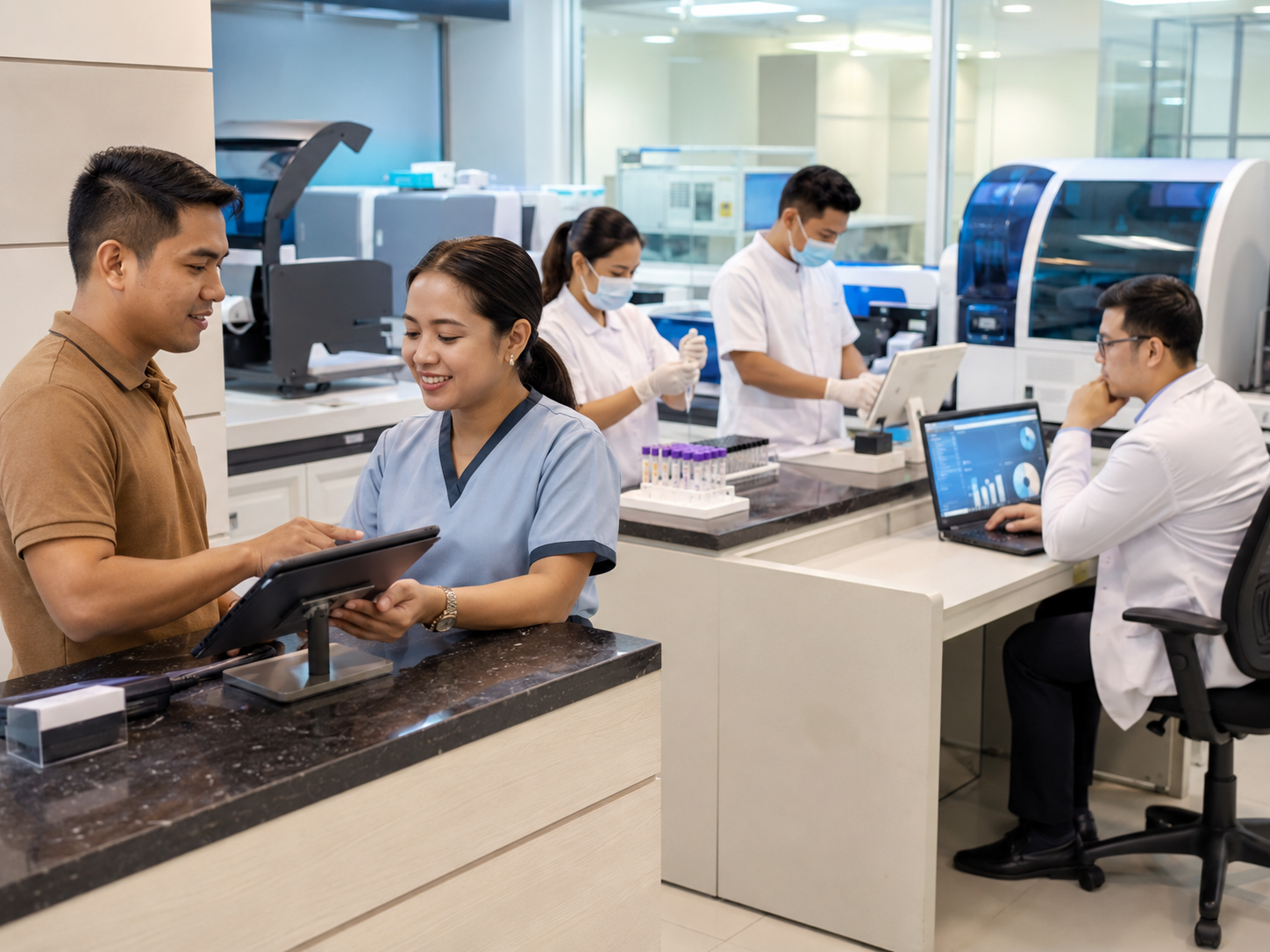
Training institutions are now leveraging sophisticated Learning Management Systems (LMS) to deliver content to learners in Tacloban, Davao, and Baguio with the same fidelity as those in Bonifacio Global City. This is particularly transformative for the healthcare sector. Aspiring nurses and medical technicians in rural areas can now access simulation-based training modules that prepare them for international certifications, such as the NCLEX, without needing to relocate for review centers. This “education without borders” model is slowing the “brain drain” of talent to the capital, distributing economic growth more evenly across regions.
The Hybrid Apprenticeship Model
While online learning offers flexibility, it cannot replace the tactile necessity of skilled trades. The solution dominating the 2026 landscape is the Hybrid Apprenticeship Model.
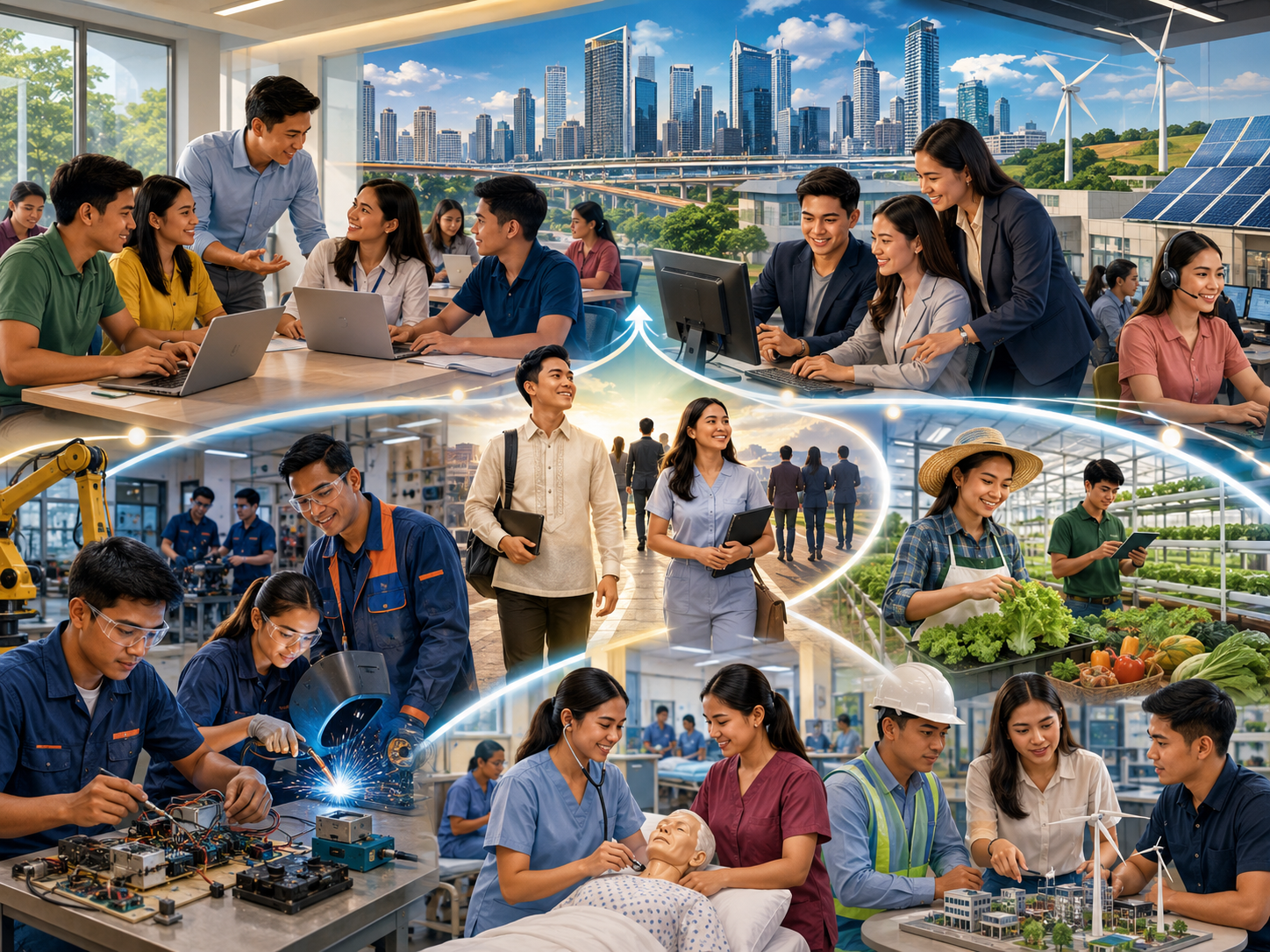
This model blends the theoretical rigor of online coursework with the practical application of in-person workshops. Consider the construction industry, which is experiencing a boom due to the “Build, Better, More” infrastructure program. Welders and electricians are now completing safety protocols and blueprint reading online, reserving their physical presence for high-risk, hands-on assessments in accredited regional training centers. This significantly reduces travel costs and time away from work, making professional advancement more accessible for the working class.
Soft Skills and the Filipino Advantage
In an automated world, the intrinsic value of Filipino “people skills” remains high. However, 2026 training programs are refining these innate traits into professional competencies.
Customer service training has evolved beyond script-reading. Modules now focus on Emotional Intelligence (EQ), crisis de-escalation, and cultural nuance for international markets. The global shift to remote work has placed a premium on employees who can communicate effectively across time zones and digital interfaces. As a result, corporate training providers are integrating advanced communication analytics, using AI to analyze tone and empathy in simulated customer interactions. This ensures that the Filipino workforce retains its competitive edge as the world’s preferred choice for high-touch outsourcing.
Validation and Standardization
Ensuring the quality of these decentralized programs is paramount. The Philippine Qualifications Framework (PQF) has been strengthened to align with the ASEAN Qualifications Reference Framework (AQRF). This means a certification earned in a remote barrio in 2026 holds the same weight as one earned in Singapore or Malaysia. This standardization is crucial for mobility.
According to data from the Department of Labor and Employment (DOLE) in their 2025-2026 labor market projections, there is a clear correlation between PQF-aligned certifications and increased wage potential. By ensuring that digital and hybrid training meets rigorous national standards, the Philippines is protecting the value of its human capital exports.


Leave a Reply