


As the Philippines accelerates toward its digital transformation goals, a critical gap remains between the tech-savvy urban centers and the traditional micro-entrepreneurs who form the backbone of the local economy. Looking ahead to 2026, the narrative is shifting from competition to convergence, where Big Tech firms and large corporations are actively pulling micro-enterprises into the digital fold to unlock new growth avenues.
Democratizing Access Through Super-Apps
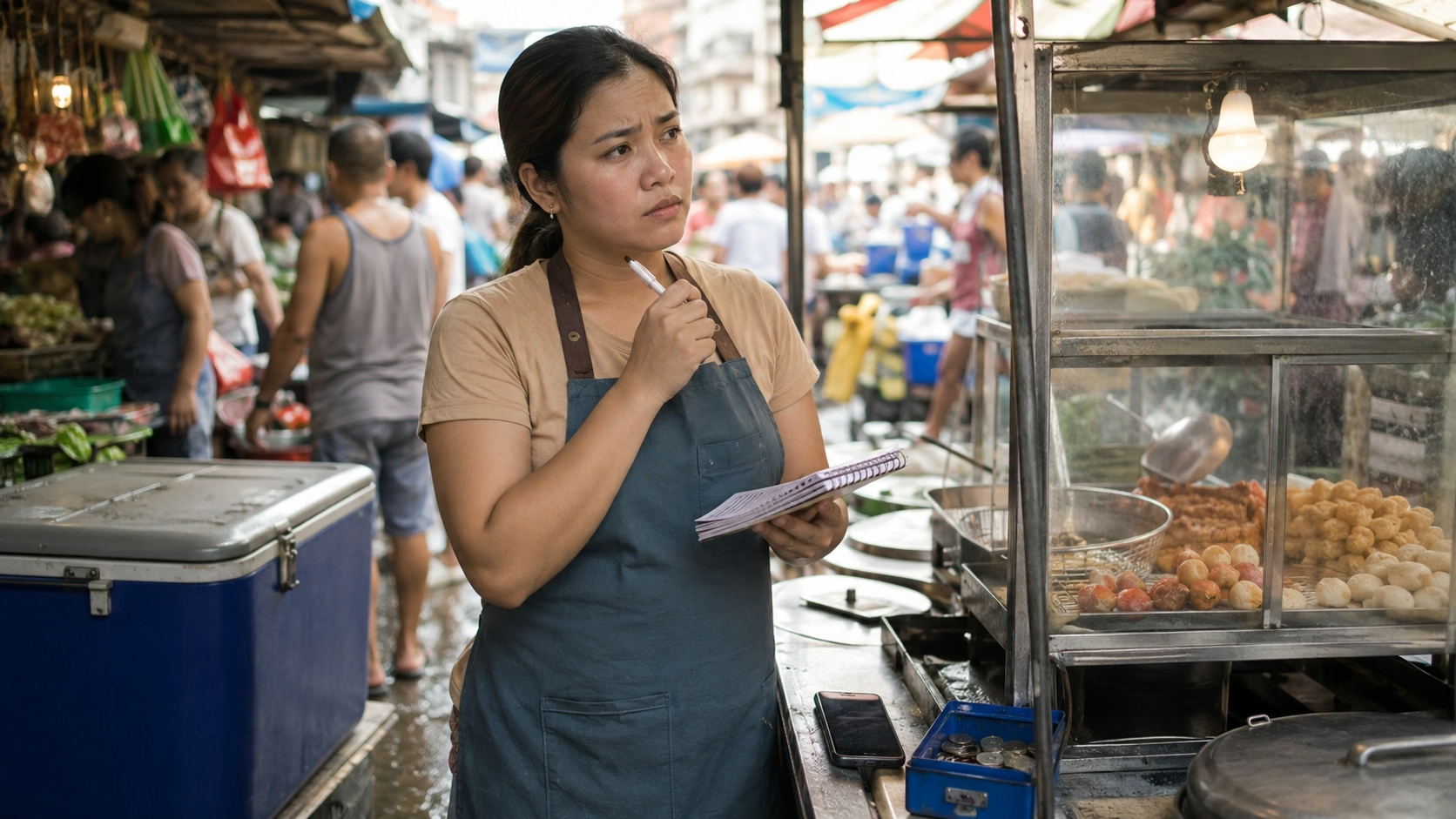
The rise of “super-apps” like GCash and Maya has already revolutionized financial transactions in the Philippines. By 2026, these platforms are expected to evolve into full-fledged business enablers. Collaboration between these fintech giants and micro-entrepreneurs goes beyond payment processing. We are seeing the integration of micro-lending, inventory management tools, and even chat commerce features directly into the apps that vendors already use daily. This eliminates the friction of adopting expensive POS systems, allowing even the smallest carinderia or market stall to participate in the digital economy seamlessly.
Corporate Social Responsibility to Corporate Shared Value
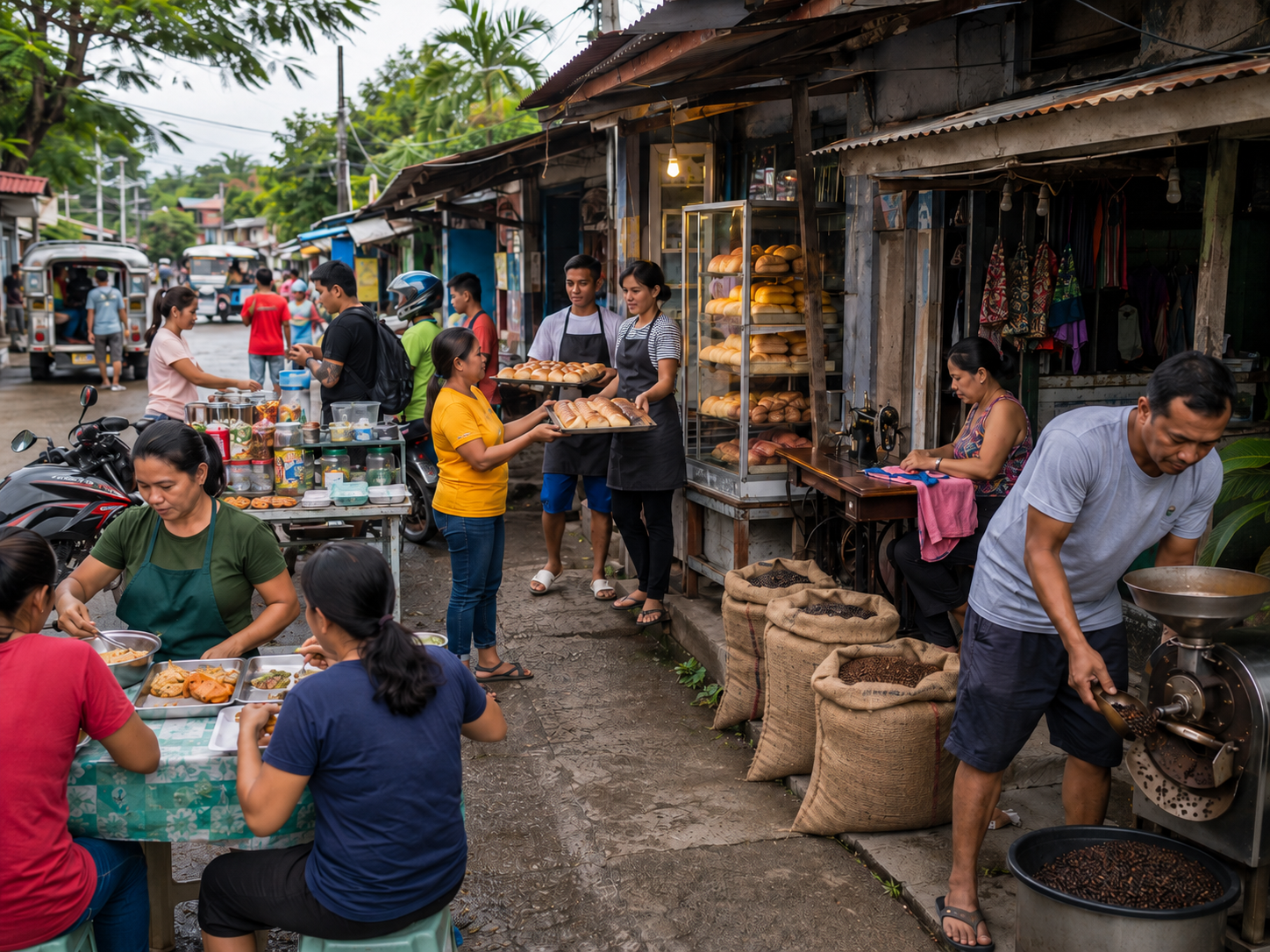
There is a noticeable pivot in the strategy of large Philippine corporations. Philanthropic Corporate Social Responsibility (CSR) programs are being replaced by Corporate Shared Value (CSV) initiatives. In 2026, large agribusiness companies, for instance, are not just donating to farmer cooperatives; they are embedding agronomists and tech support into these communities. The goal is to ensure the raw materials supplied by these micro-producers meet global export standards. This creates a win-win scenario: the corporation secures a high-quality, traceable supply chain, and the micro-entrepreneur gains access to international markets and fair pricing structures.
Training the Hybrid Workforce
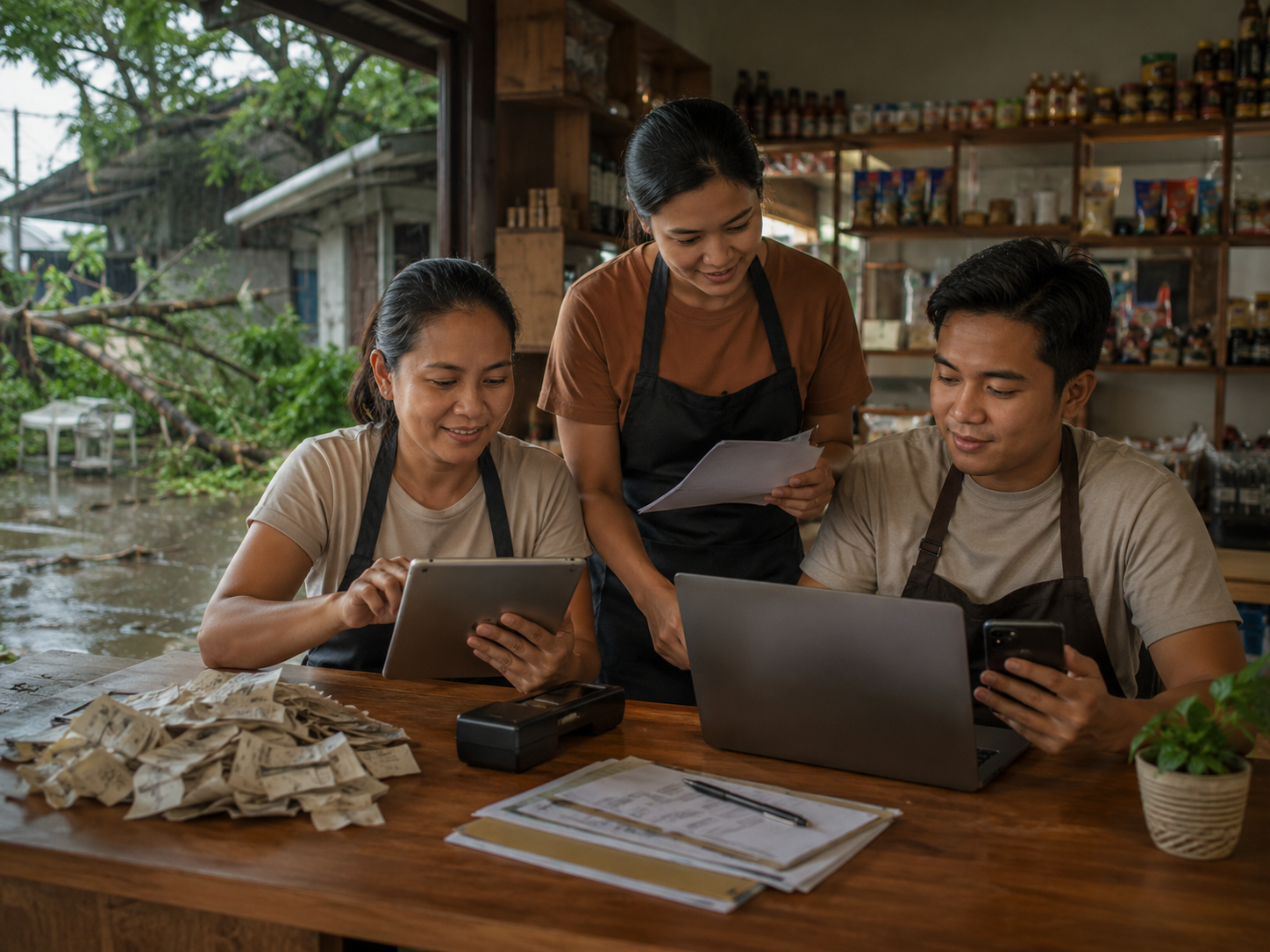
Technology adoption without proper education often leads to failure. Recognizing this, collaborations in 2026 are placing a heavy emphasis on upskilling. Initiatives like Google’s “MSME Caravan” or similar programs by local conglomerates focus on teaching digital literacy, online safety, and customer relationship management. Large companies are leveraging their marketing expertise to teach small business owners how to optimize their listings on Shopee or Lazada and how to create compelling content for TikTok Shop. This transfer of knowledge ensures that the digital tools provided are actually utilized effectively to drive revenue.
The Asian Development Bank (ADB) has consistently emphasized the need for such digital inclusion to sustain economic growth in the region. Their ongoing studies on the Philippine digital economy provide a robust framework for understanding these collaborative efforts in 2026. More details can be found at https://www.adb.org/what-we-do/topics/digital-technology.
By dismantling the technical and educational barriers, the synergy between tech giants, large traditional companies, and micro-entrepreneurs is set to create a more equitable and robust economic landscape in the Philippines for 2026.








Leave a Reply