

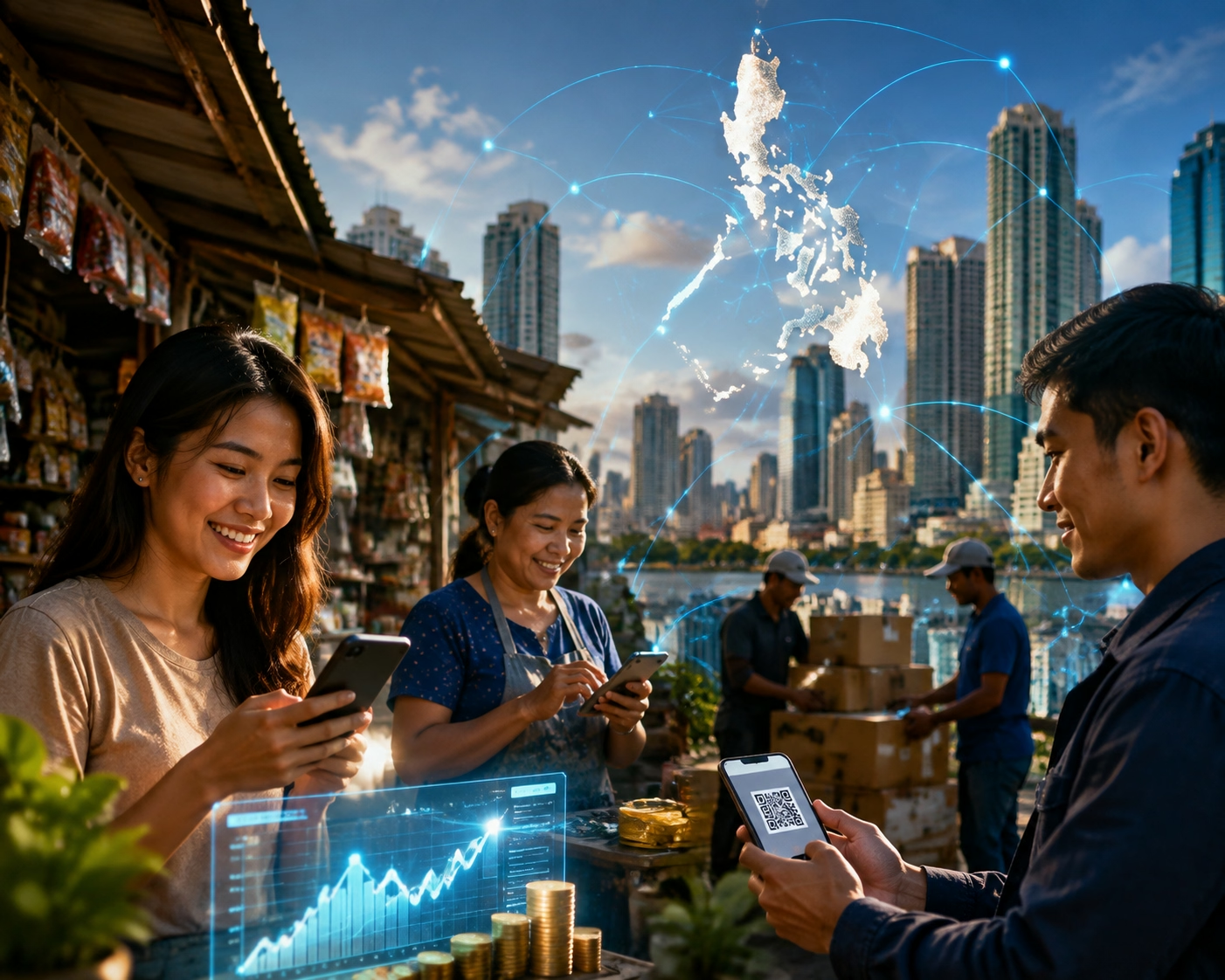
The romanticized image of the “sari-sari” store—a tiny, colorful shop attached to a Filipino home—is undergoing a radical technological makeover. In 2026, a new breed of B2B startups is recognizing these micro-retailers not as relics of the past, but as the most efficient last-mile distribution network in the country. By digitizing the supply chain of these neighborhood stores, local founders are solving the “last mile” problem that has historically plagued e-commerce in the archipelago.
Empowering the Nanay Entrepreneurs
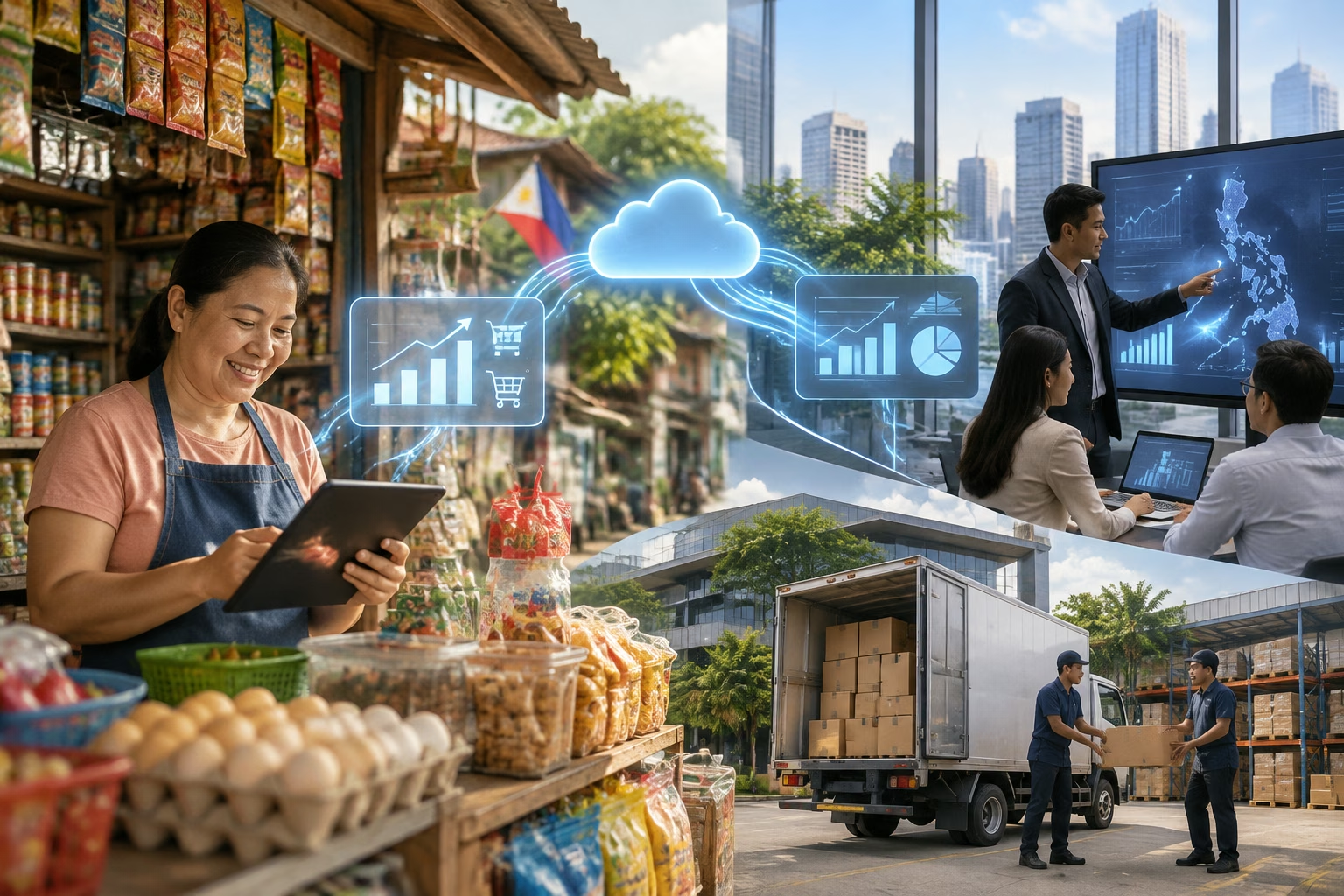
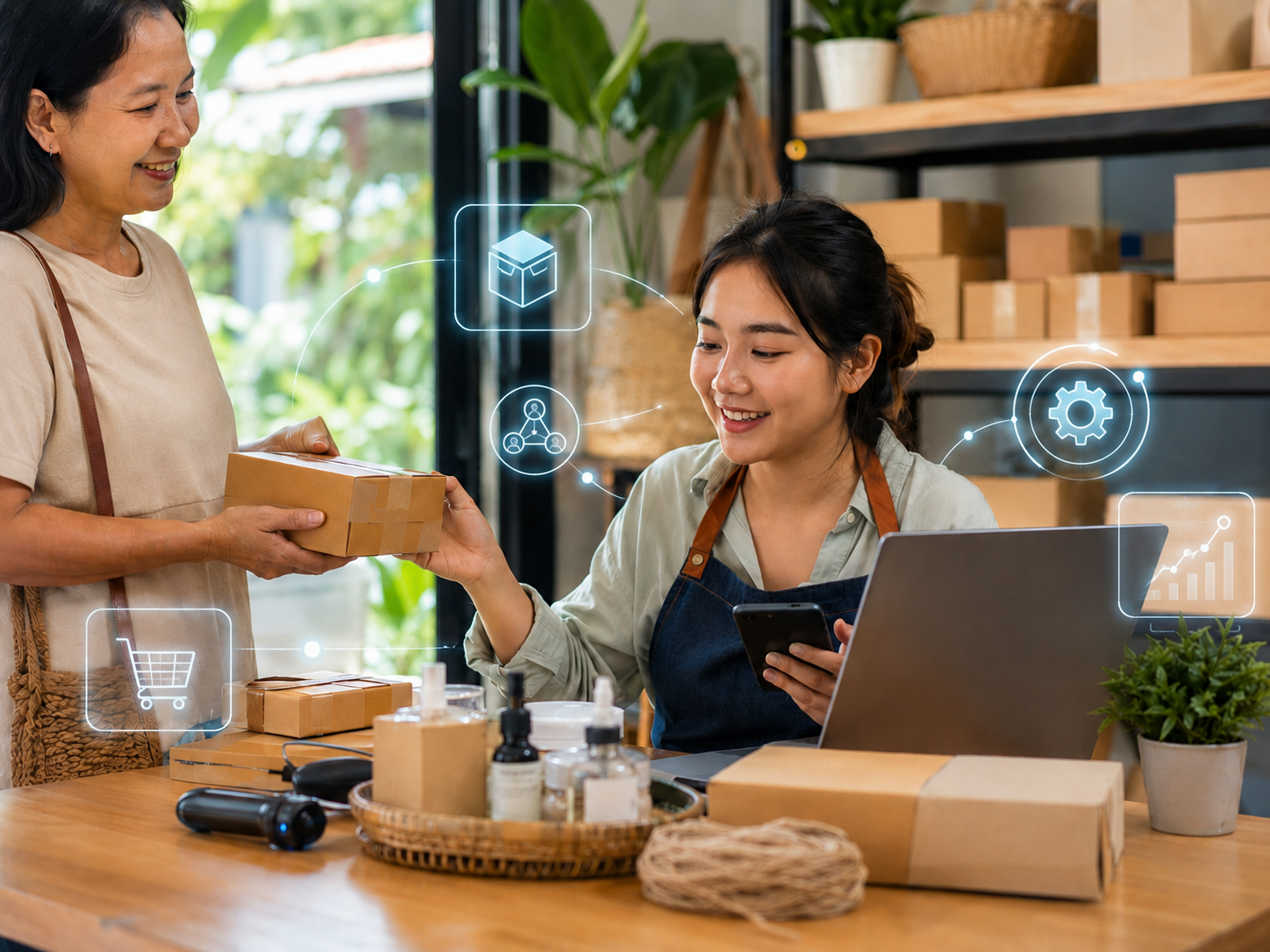
The primary demographic running these stores are mothers (“Nanay”) looking to supplement family income. Startups have created intuitive, low-bandwidth apps that allow these store owners to order inventory directly from manufacturers, bypassing layers of distributors that previously eroded their profit margins.
These platforms often include embedded credit scoring based on purchase history, allowing store owners to buy stock on credit (“utang”) digitally, formalizing a system that was previously based purely on personal trust. This financial inclusion is turning micro-retailers into savvy business operators.
The Logistics Data Goldmine
For logistics startups, these digitized stores are the missing link. In 2026, several local logistics aggregators have partnered with sari-sari stores to act as “micro-fulfillment centers.” Instead of a courier attempting three deliveries to a high-rise condo, they drop off bulk parcels at a verified local store where residents can pick them up at their convenience.
This “click-and-mortar” hybrid model drastically reduces carbon emissions and failed delivery rates. The data generated by these transactions—peak buying hours, popular SKUs in specific barangays—is now a commodity that FMCG (Fast-Moving Consumer Goods) companies purchase from startups to refine their marketing strategies.
Challenging the Giants
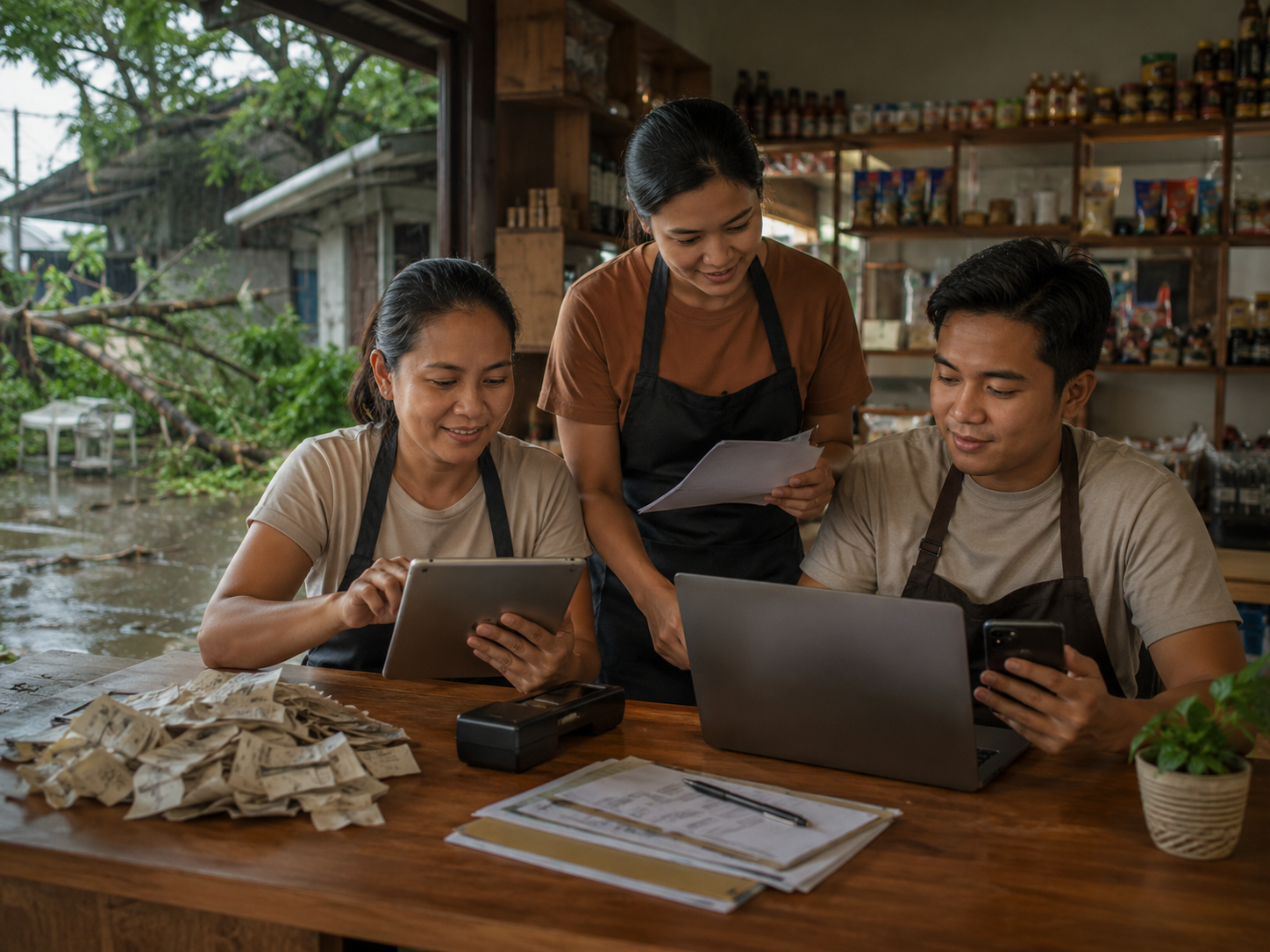
While international platforms like Shopee and Lazada dominate the headlines, the grassroots digitization of supply chains is proving that local startups know the terrain best. They understand the traffic patterns of Manila, the fiesta schedules in Cebu, and the typhoon seasons in Tacloban.
According to the Department of Trade and Industry, digitization efforts among micro-retailers have surged, contributing to the resilience of the local economy. For official statistics and updates on this initiative, refer to the DTI E-Commerce Roadmap.
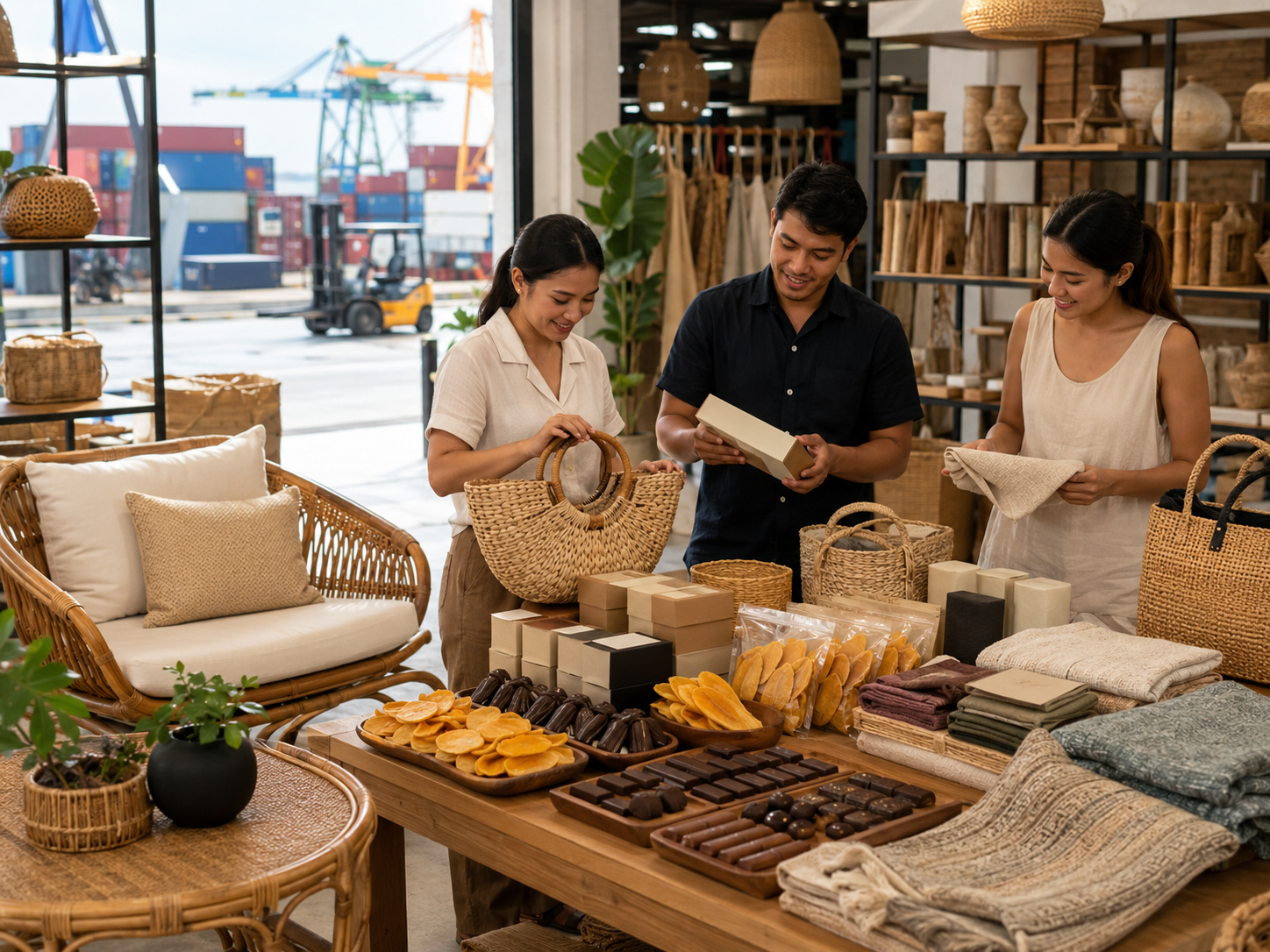
By 2026, the competitive advantage lies not in flashy marketing, but in the granular, hyper-local data that these startups possess. They have turned the fragmented retail landscape into a cohesive, digital network.





Leave a Reply