

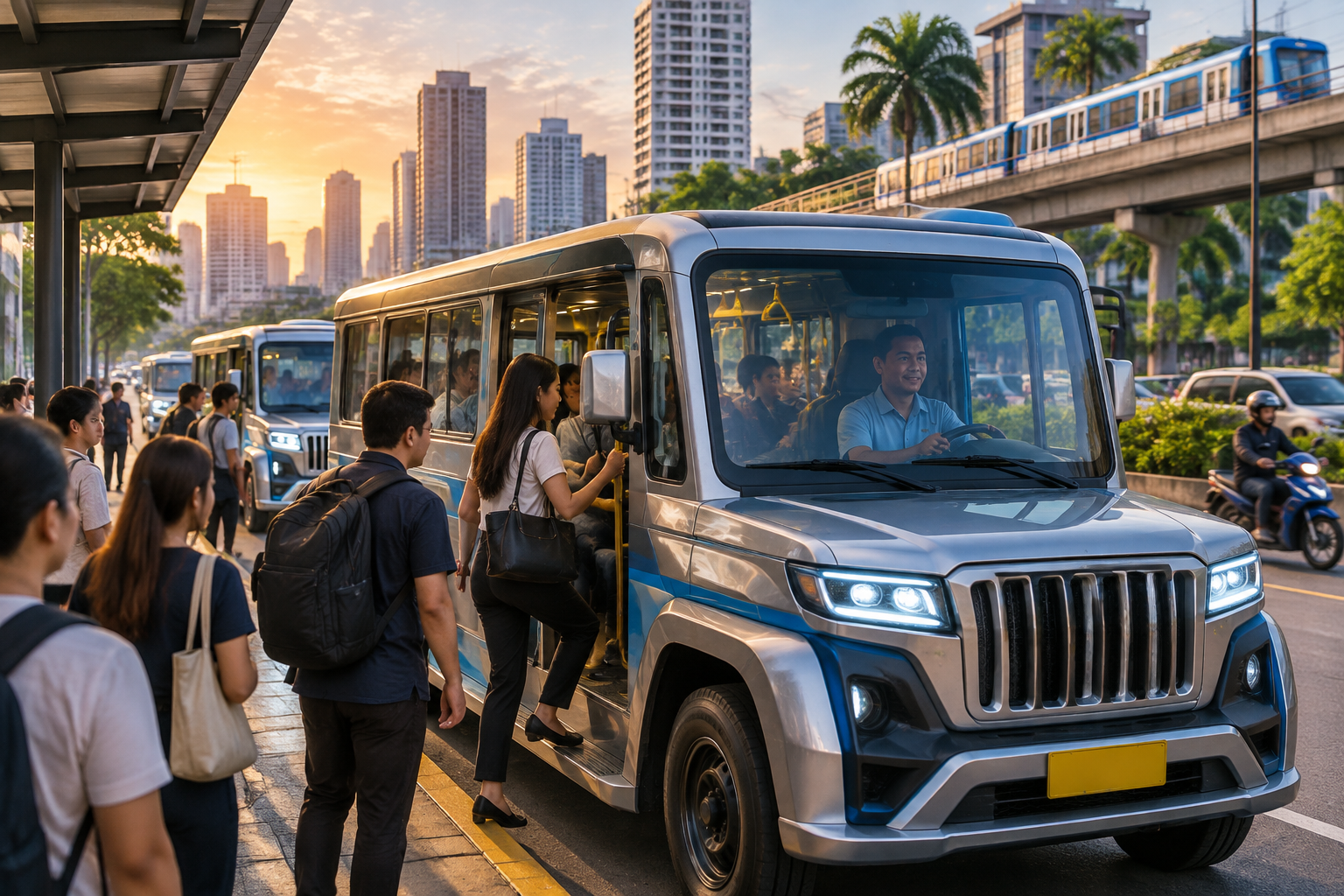
Metro Manila’s streets tell a story of adaptation. With traffic congestion costing the Philippine economy billions of pesos annually, commuters increasingly turn to ride-hailing apps and motorcycle taxis as viable alternatives to traditional public transport. In 2026, the regulatory landscape for these services continues to evolve, creating both opportunities and obstacles for operators.
The Motorcycle Taxi Puzzle
Motorcycle taxis—led by players like Angkas, Joyride, and MoveIt—have become a fixture in Philippine cities. What began as a pilot program has, by 2026, transformed into a semi-permanent fixture, though regulatory frameworks remain fluid. The Department of Transportation (DOTr) and the Land Transportation Franchising and Regulatory Board (LTFRB) have expanded the allowable fleet sizes and service areas, but debates over safety, insurance, and fair competition persist.
Riders often cite speed and cost as primary motivations. A motorcycle taxi can weave through gridlock, turning a one-hour car journey into twenty minutes. For many, the trade-off—exposure to weather and perceived safety risks—is acceptable given the time saved.
Ride-Hailing Giants and New Entrants
Grab remains the dominant ride-hailing platform, but its dominance is no longer absolute. New entrants, including InDrive and local startups, have carved out niches by offering lower commissions or alternative pricing models. The LTFRB has continued to grant accreditations to new transport network vehicle service (TNVS) operators, though the supply of vehicles still lags behind demand in key areas.
Driver Economics in 2026
Drivers face their own challenges. Fuel costs, vehicle maintenance, and platform commissions eat into earnings. Some have shifted to electric vehicles (EVs) to reduce operating expenses, supported by government incentives and private financing programs.
Regulatory Pressures and Consumer Protections
In 2026, regulators are focusing on consumer protection. Stricter rules on fare transparency, driver background checks, and complaint resolution mechanisms have been introduced. The LTFRB’s online portal (https://ltfrb.gov.ph) provides updated guidelines and accreditation procedures for TNVS and motorcycle taxi operators.
For commuters, the promise of reliability remains uneven. Surge pricing during peak hours and rainy days can make ride-hailing prohibitively expensive. Motorcycle taxis, while cheaper, are not immune to surge multipliers.
Infrastructure and the Bigger Picture
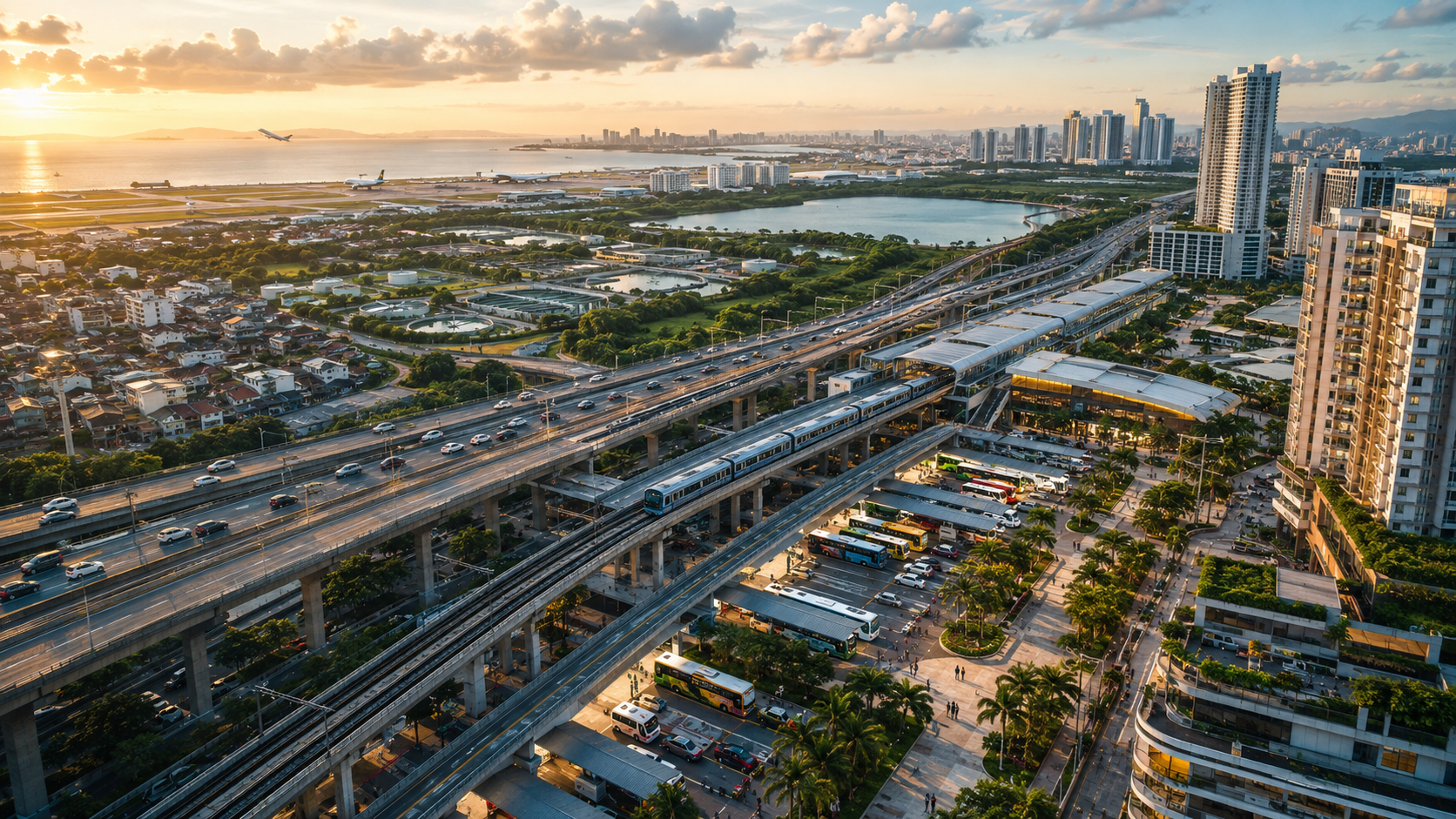
The underlying challenge is infrastructure. Metro Manila’s road network was not designed for current vehicle volumes. The Metro Manila Subway and MRT-7, once operational, may alleviate some pressure, but their full impact is years away.
In the meantime, ride-hailing and motorcycle taxis serve as essential stopgaps. They fill gaps left by inadequate public transport and offer flexibility that traditional modes cannot match.
What’s Next for Commuters
As 2026 progresses, expect continued experimentation. Regulators may pilot new frameworks for electric motorcycle taxis, while platforms invest in AI-driven dispatch and dynamic route optimization. The goal, at least in principle, is to create a multimodal ecosystem where ride-hailing, motorcycle taxis, and public transport complement rather than compete.
For now, Metro Manila’s commuters will continue to vote with their apps, choosing whatever gets them to their destination fastest—and at a price they can bear.






Leave a Reply