

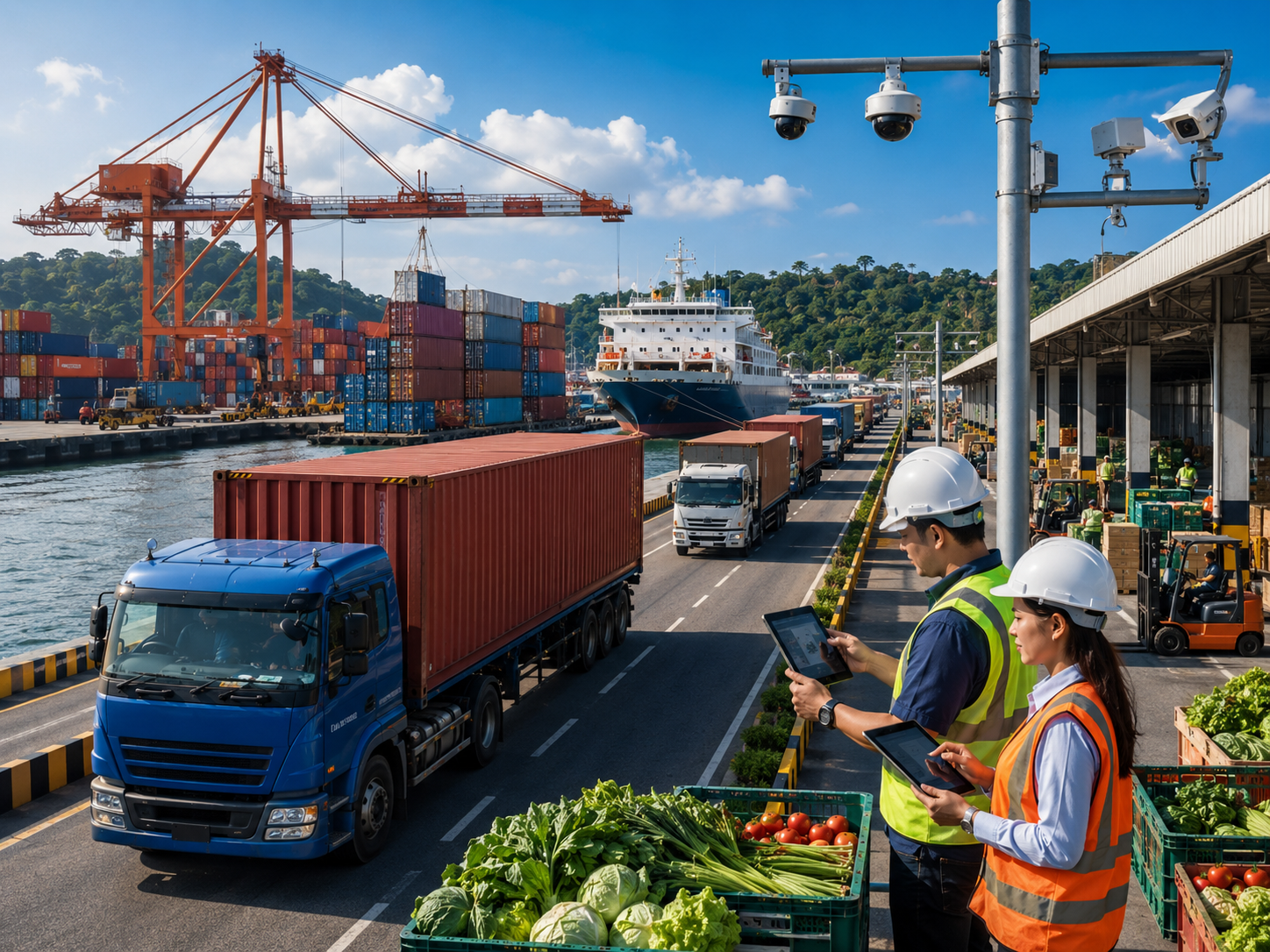
The Philippine archipelago, with its unique geography, has always made the movement of goods a costly and complex puzzle. However, a confluence of two powerful forces in 2026—explosive e-commerce growth and a surging need for temperature-controlled logistics—is rewriting the rules, pushing freight operators to embrace innovation faster than ever before.
The Digital Storefront Boom
Online retail in the Philippines has entered a hyper-growth phase, driven by the dominance of platforms like Lazada, Shopee, and the rapidly scaling TikTok Shop. This shift has moved consumer expectations from “days” to “hours,” placing immense pressure on the freight backbone. The Philippine Statistics Authority noted that the transportation and storage sector’s contribution to GDP inched up to 5.3% in the first quarter of 2026, reflecting intensified economic activity directly tied to parcel delivery and supply chain services. [Link: https://psa.gov.ph/national-accounts]
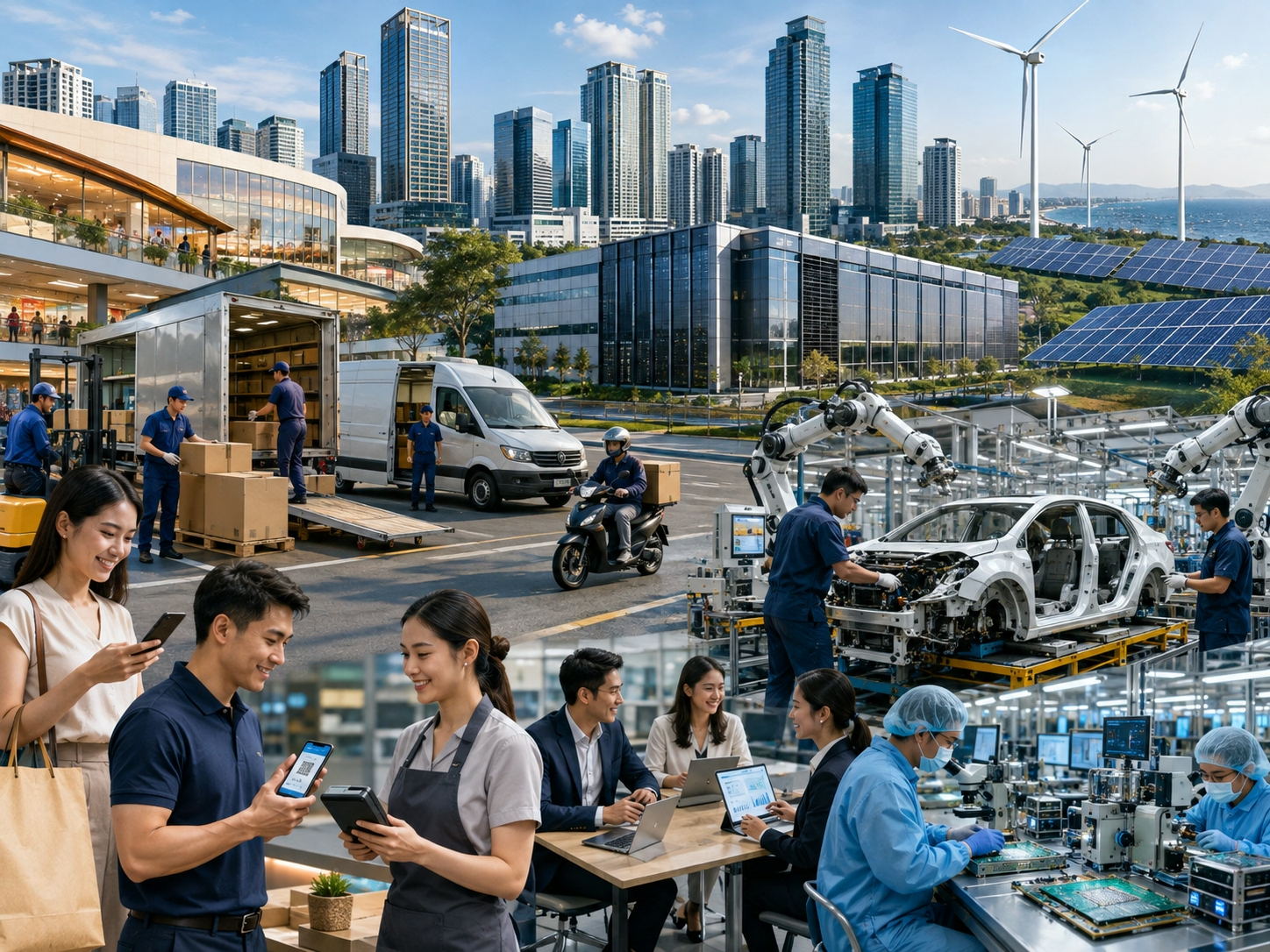
This digital surge has fundamentally altered real estate demand. The old model of fragmented, low-ceiling warehouses in urban Manila is giving way to strategically located, high-bay logistics parks in Calabarzon (Cavite, Laguna, Batangas, Rizal, Quezon) and Central Luzon. Companies are investing heavily in automated sorting systems to handle millions of parcels daily, a necessity when a single flash sale can generate a volume spike that crashes unprepared networks.
The Cold Chain Revolution
Parallel to parcel delivery, the demand for cold chain logistics has skyrocketed. The pandemic-era acceleration of food delivery apps and a growing middle class craving imported meats, dairy, and fresh produce have made refrigerated warehouses and reefers non-negotiable. In 2026, pharmaceutical logistics has added another layer of urgency, with stricter regulations for vaccines, insulin, and biologics requiring end-to-end temperature visibility.
Local giant Royal Cargo, along with new entrants like ORCA Cold Chain Solutions, has been aggressively expanding storage capacity in key cities including Davao and Cebu. The investment isn’t just in physical reefers; it encompasses IoT sensors that transmit real-time temperature data to clients’ smartphones. This digitization of the cold chain ensures compliance and reduces spoilage, a critical advantage in a tropical country where ambient humidity and heat are constant threats.
Innovating the Last Mile
The final leg of delivery remains the most fragmented and expensive. To solve this, hybrid models have emerged. Mober, a Filipino green logistics startup, secured fresh capital in early 2026 to expand its EV fleet, which now handles deliveries for global brands like IKEA. This move not only cuts carbon emissions but sidesteps the volatility of fuel prices, offering long-term cost predictability. Meanwhile, community-based “pudo” (pick-up and drop-off) centers in residential barangays and sari-sari stores have become critical nodes, reducing the failure rate of home deliveries in hard-to-find addresses.
The freight industry in the Philippines is no longer just about transporting a box from point A to B. It’s about creating a seamless, temperature-controlled, and increasingly green ecosystem that connects a digitized consumer base spread across thousands of islands, proving that the country’s geography is a challenge to be engineered around, not a barrier to progress.


Leave a Reply