

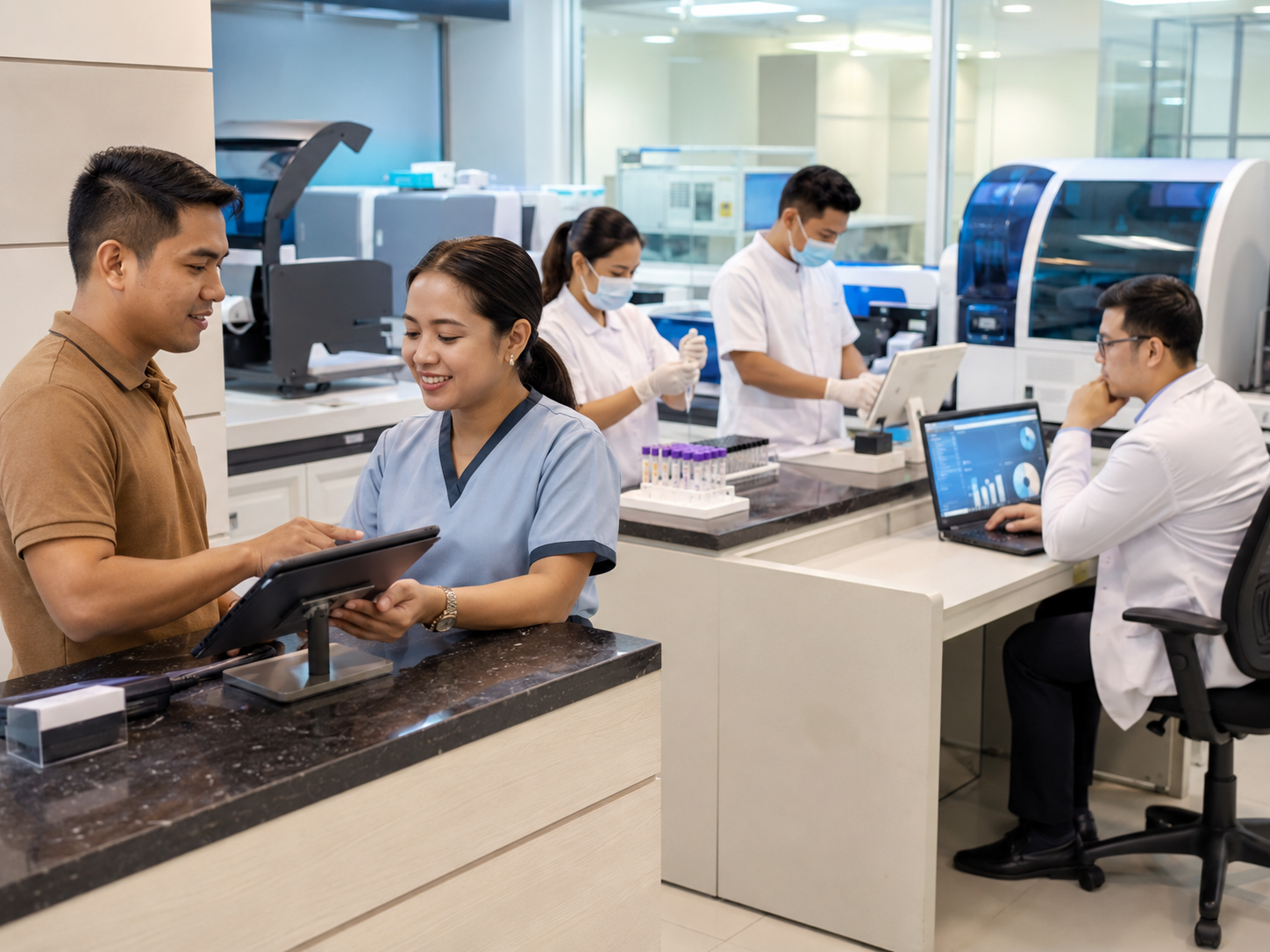
Many healthcare systems are designed to respond after a patient becomes sick. Digital health companies in the Philippines are attempting to change that pattern by giving users tools that encourage earlier consultations, regular health monitoring, and preventive decision-making.
A prominent example is mWell, the digital healthcare platform associated with Metro Pacific Investments Corporation. Information about its healthcare ecosystem and available services can be found on its official website at https://www.mwell.com.ph/.
Rather than presenting telemedicine as an isolated service, mWell has positioned digital technology as part of a broader health and wellness journey. This reflects a growing industry belief that healthcare applications must remain useful even when users are not experiencing an immediate illness.
The Value of an Integrated Health Application
Combining Medical Access With Everyday Wellness
A preventive healthcare platform may include online doctor consultations, digital health information, activity tracking, wellness assessments, and access to affiliated medical services. The objective is to help users understand their health before symptoms become serious.
Consider a middle-aged office worker who has limited time for hospital visits. A digital platform can make it easier to consult a physician about recurring fatigue, review lifestyle risks, and receive guidance on appropriate laboratory tests.
The same platform may also encourage users to monitor exercise, sleep, or other health indicators. These features do not provide a diagnosis, but they can help users identify patterns and decide when professional medical advice is necessary.
For Philippine companies, the strategic opportunity is to create a platform that patients use regularly rather than only during medical emergencies.
Connecting Digital Care With Physical Facilities
Metro Pacific’s broader involvement in hospitals and healthcare services gives mWell an important real-world context. Digital platforms become more valuable when they can connect users with physical clinics, diagnostic centers, or hospitals whenever in-person care is required.
This hybrid model addresses one of the main limitations of purely virtual healthcare. A physician may identify a potential problem during an online consultation, but the patient still needs a reliable pathway for laboratory testing, imaging, or specialist treatment.
An integrated ecosystem can reduce the confusion that often occurs after a virtual consultation. Instead of leaving patients to locate the next provider independently, the platform can guide them toward an appropriate service.
Opportunities for Employers and Local Communities
Preventive digital healthcare also has applications in corporate wellness. Employers may use online consultations and wellness programs to help workers address health concerns before they lead to extended absences.
Companies can offer healthcare access to employees working in different locations without constructing physical clinics at every site. This is particularly relevant for businesses with distributed teams, provincial branches, or hybrid work arrangements.
Digital platforms may also collaborate with local governments and community organizations to extend health education and basic consultations to underserved areas. Mobile healthcare events supported by digital registration and electronic records can improve continuity after the event ends.
Risks Behind Health Tracking Technology
Preventive platforms must avoid presenting automated wellness scores as replacements for professional medical evaluation. Health indicators can be useful, but they may oversimplify complicated medical conditions.
Patient privacy is equally important. Applications that collect information about symptoms, lifestyle, consultations, and medical history must explain how that data is stored and used.
Healthcare companies also need to prevent digital inequality. Premium devices and high-speed internet should not become requirements for receiving basic healthcare support.
A Broader Definition of Digital Health
The long-term relevance of platforms such as mWell will depend on whether they can turn digital engagement into measurable improvements in patient behavior and healthcare access.
The strongest model is not an application filled with disconnected features. It is a coordinated system that helps users recognize health risks, consult qualified professionals, access physical care when needed, and maintain reliable medical records over time.











Leave a Reply