Fintech is revolutionizing the financial landscape in the Philippines, enabling more people to access financial services through digital means. Historically, the Philippines has faced significant challenges related to financial inclusion. With a large portion of the population living in rural areas and many lacking access to traditional banking services, the country’s unbanked population remains a key issue. However, with the advent of fintech, digital financial services are now making it easier for Filipinos to engage in the economy.
The growth of mobile and internet connectivity in the Philippines has created fertile ground for fintech solutions. Around 67 million people in the country have internet access, and more than 100 million mobile phone subscriptions are in circulation. This widespread connectivity has paved the way for digital financial services such as mobile wallets, online lending, and money transfers.
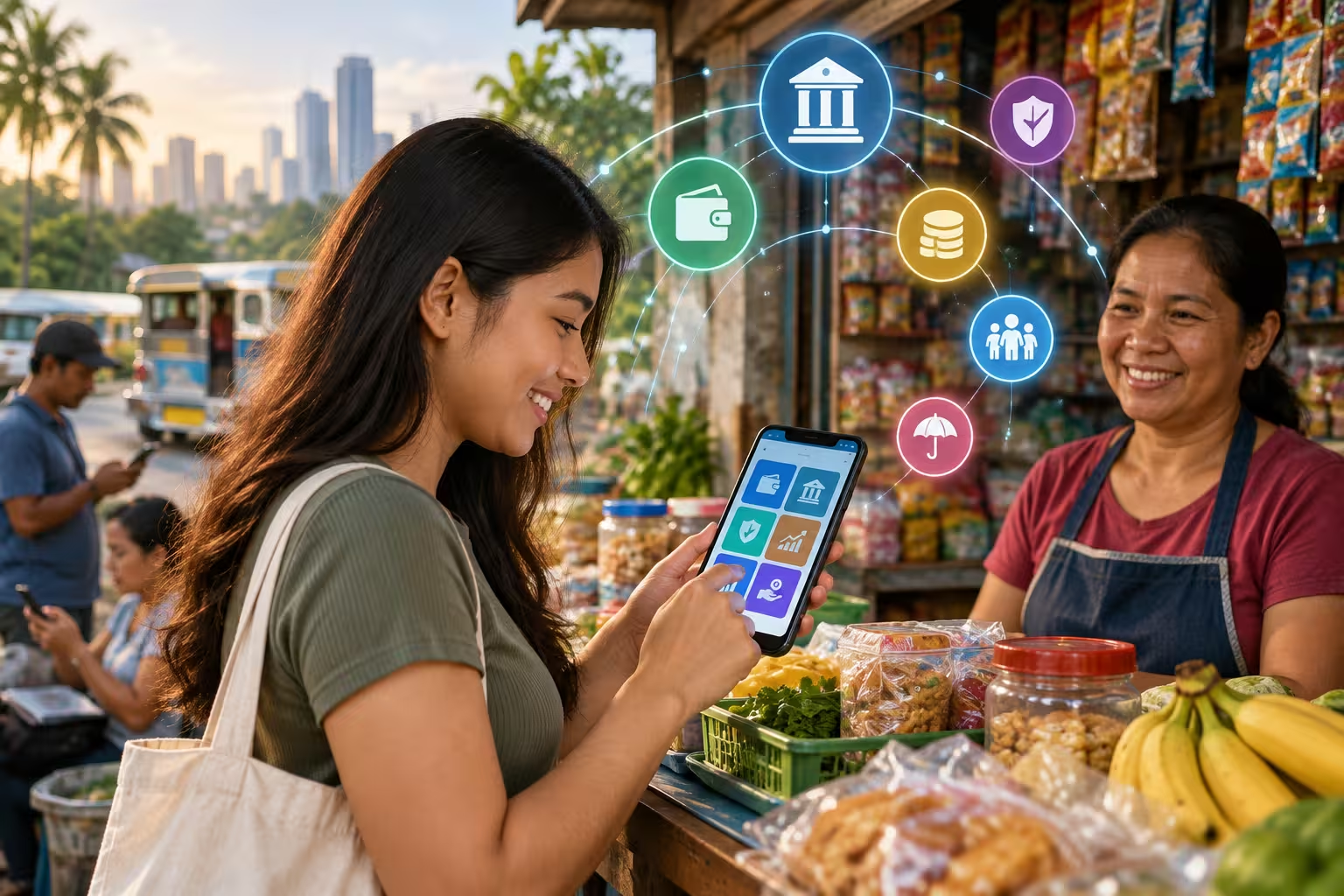
One of the leaders in this digital transformation is GCash, which offers a range of services, from bill payments to online shopping. Through GCash, users can conduct financial transactions using only their mobile phones, making financial services more accessible, especially for people who live in remote areas. GCash also provides users with the ability to save money, invest in digital financial products, and even access insurance services.
Another fintech platform, PayMaya, offers a similar suite of services, focusing on creating a cashless environment for both consumers and businesses. PayMaya’s ability to integrate with various payment systems, including QR codes, and offer digital lending products, has made it a significant player in the Philippine fintech space.
Moreover, the emergence of digital lending platforms has provided an alternative to traditional loans, which are often out of reach for many Filipinos. These platforms, such as Tala and Cashalo, leverage technology to offer quick, small loans to borrowers who may not have the credit history required by traditional banks. By using alternative data sources to assess creditworthiness, these platforms are able to provide access to capital to people who would otherwise be excluded from the formal financial sector.
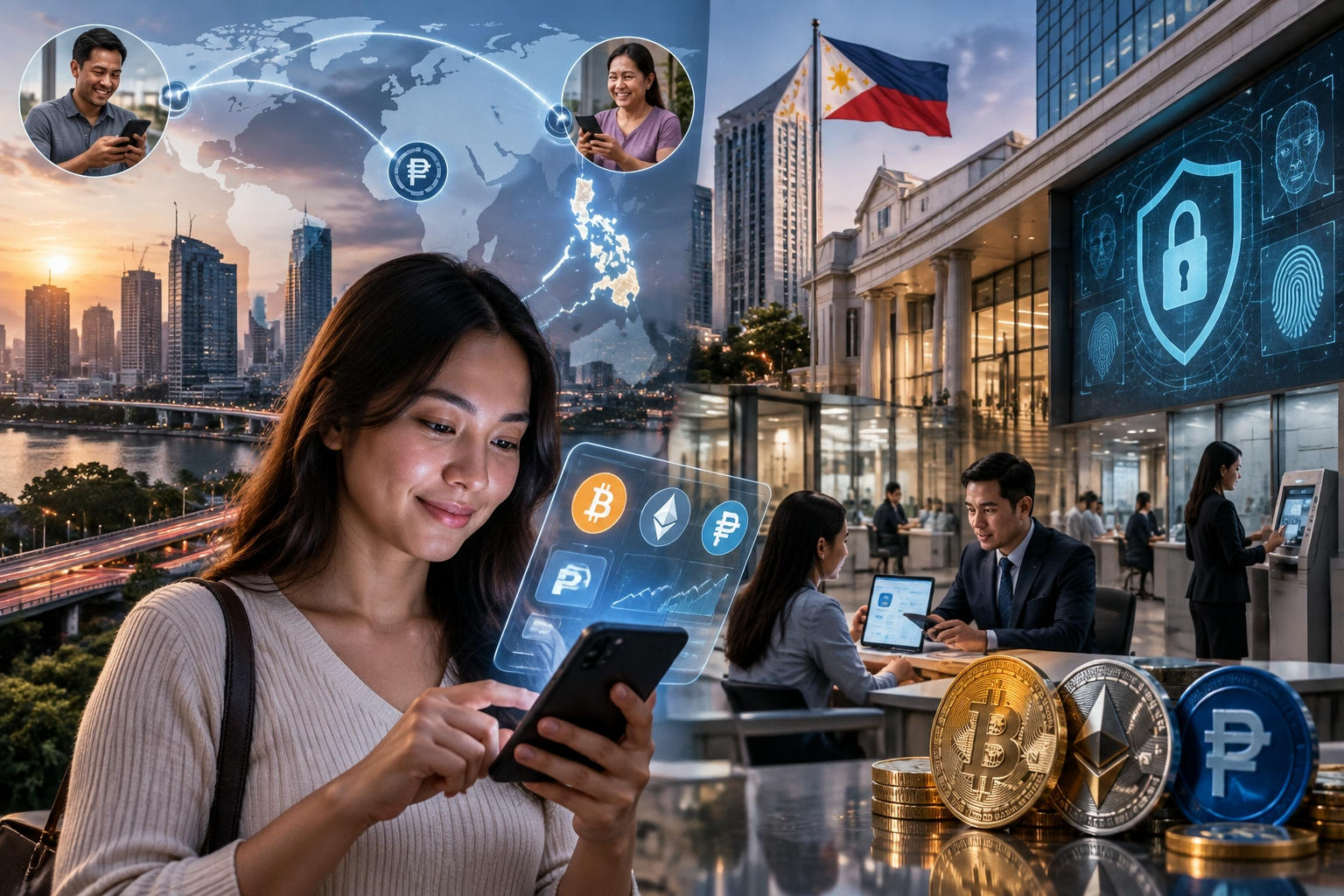
The role of regulatory authorities in fostering fintech growth in the Philippines is also essential. The Bangko Sentral ng Pilipinas (BSP) has introduced initiatives like the National Strategy for Financial Inclusion to support the development of digital financial services. This strategy focuses on improving access to digital banking, improving digital literacy, and ensuring the security and privacy of financial transactions.
In conclusion, fintech in the Philippines is not just a trend but a catalyst for financial inclusion. By making financial services more accessible, affordable, and convenient, fintech is enabling millions of Filipinos to participate in the formal economy. As the sector continues to grow, it will play an increasingly important role in driving economic development and reducing poverty in the Philippines.