


The Philippine financial landscape has undergone a remarkable transformation in recent years, particularly with the emergence of real-time payment (RTP) systems. These systems have revolutionized the way both individuals and businesses handle financial transactions by providing instant fund transfers and reducing reliance on traditional, slower banking channels.
At the forefront of this transformation is the Bangko Sentral ng Pilipinas (BSP), which has played a critical role in promoting the modernization of payment systems. The BSP introduced the National Retail Payment System (NRPS) in 2018 as a framework to support safer, faster, and more convenient electronic transactions. Among the key components of this initiative is InstaPay, a platform designed to facilitate low-value, immediate fund transfers, as well as the Philippine Clearing House Corporation’s PhilPaSS+, which enables real-time settlement for high-value transactions. These innovations aim to support financial inclusion while boosting the efficiency of payment operations nationwide.
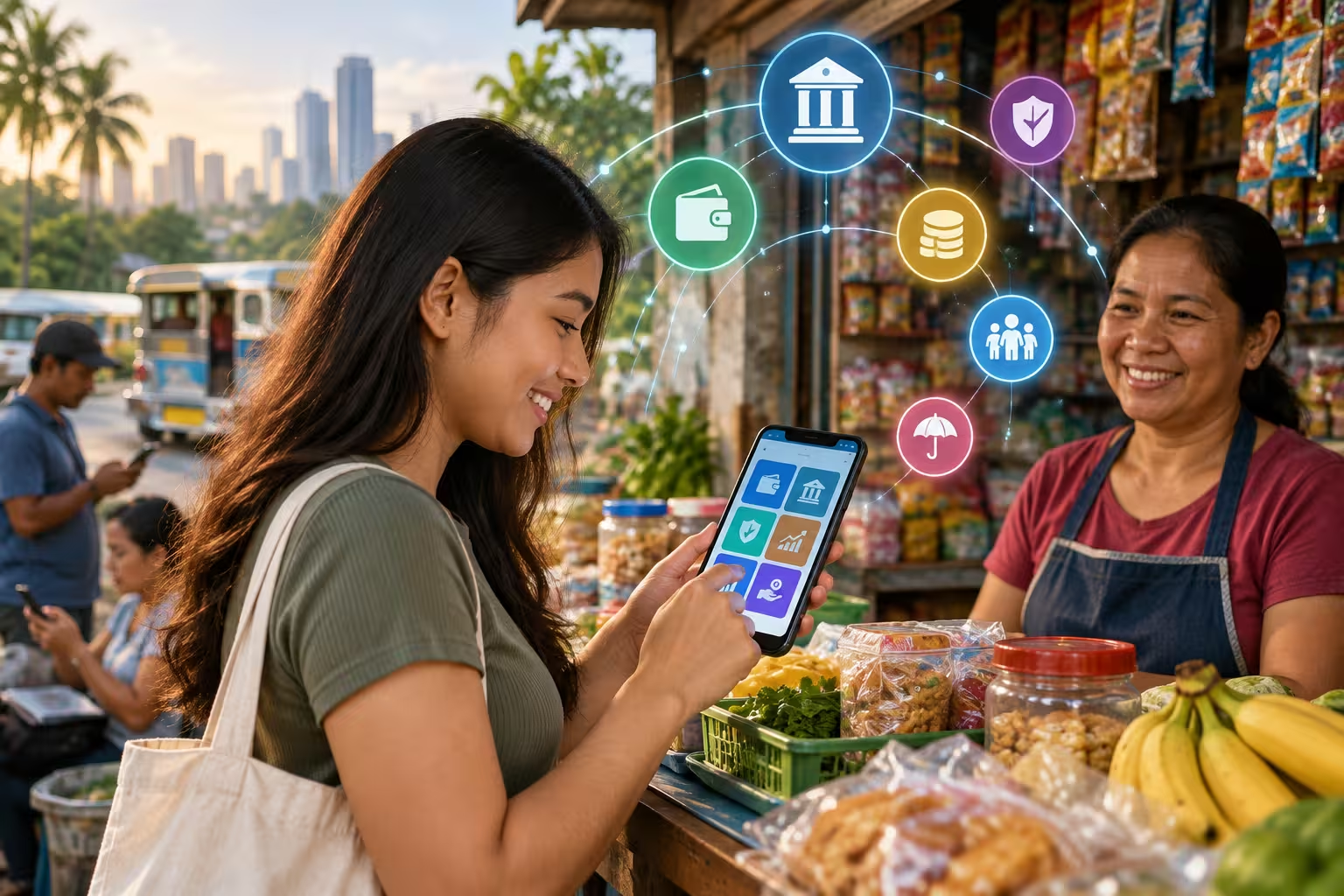
InstaPay, in particular, has become highly popular due to its simplicity and accessibility. Users can transfer funds using mobile phone numbers, email addresses, or bank account numbers, eliminating the need to memorize complicated account details. This feature is especially significant in the Philippines, where a large portion of the population relies on mobile phones for financial access but may not have easy access to traditional banking institutions. The integration of RTP platforms with mobile wallets and online banking applications has significantly expanded access to financial services, especially for rural communities.
For businesses, real-time payment systems have proven transformative. Small and medium-sized enterprises (SMEs) benefit from faster payroll distribution, supplier payments, and refunds, which in turn enhances operational efficiency. The transparency and traceability of RTP systems also contribute to better regulatory compliance, helping businesses align with anti-money laundering requirements and reducing the risk of transaction errors. Additionally, government programs have leveraged these systems to distribute social assistance, tax rebates, and emergency aid, highlighting their utility beyond conventional banking.
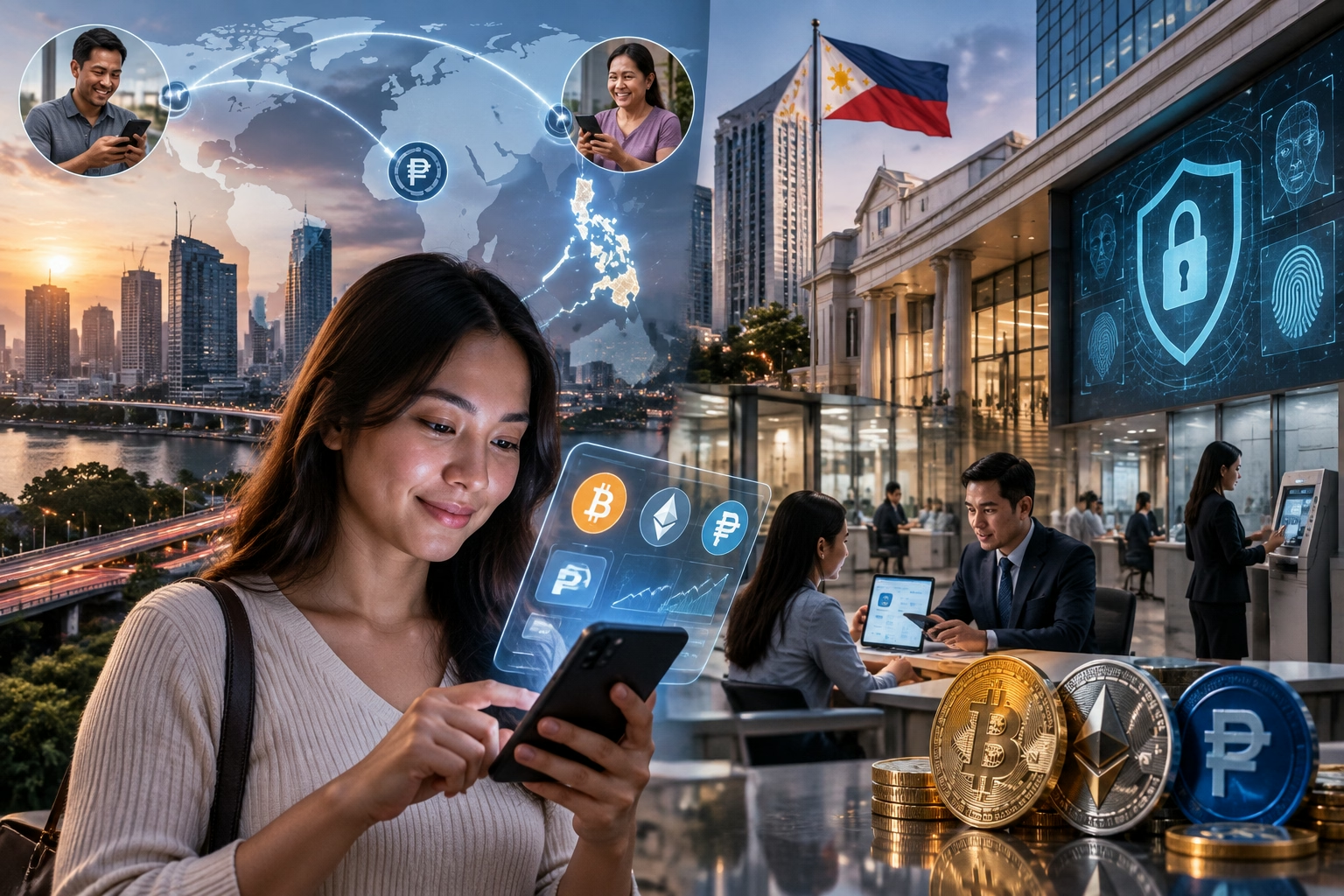
Security and reliability have been paramount in the development of RTP systems in the Philippines. Platforms like InstaPay employ advanced encryption, multi-factor authentication, and real-time monitoring to protect transactions from fraud and cyber threats. The Philippine financial sector continues to adopt international best practices, ensuring that the rapid growth of digital payments is matched by robust safeguards for users.
Challenges remain, however. Ensuring interoperability between various banks, payment service providers, and e-wallet platforms is an ongoing task. Additionally, transaction limits and occasional network disruptions can hinder seamless adoption. Despite these hurdles, the overall trajectory indicates strong growth in digital payment adoption, with Filipinos increasingly trusting online financial platforms for everyday transactions.
The rise of real-time payment systems in the Philippines represents a broader trend toward a digital-first economy. By combining government support, technological innovation, and user-friendly solutions, the country is gradually moving toward a financial ecosystem where instantaneous payments are not just convenient but expected. This evolution underscores the potential of RTP systems to drive financial inclusion, operational efficiency, and economic modernization across the Philippines.









Leave a Reply