

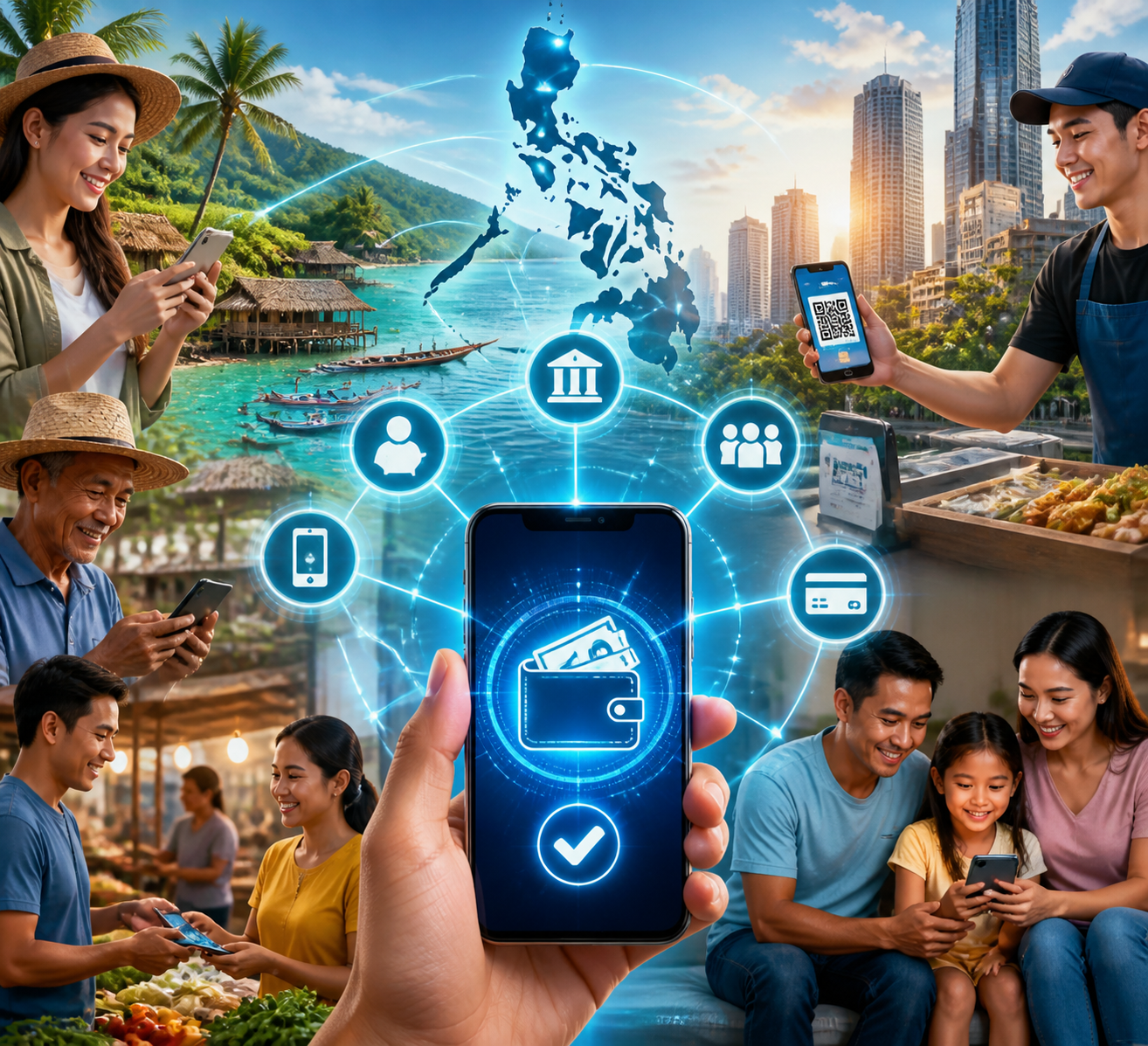
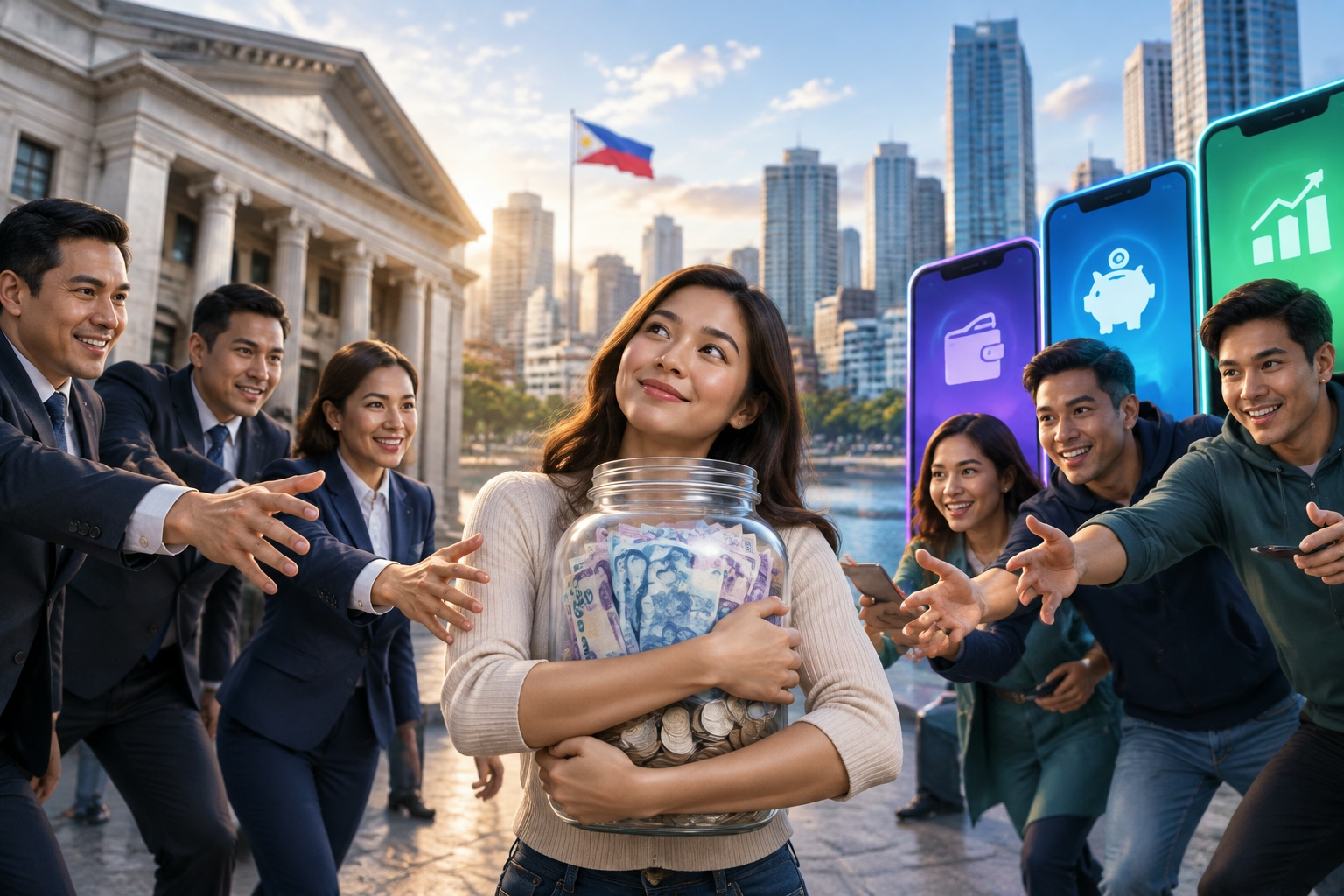
In recent years, the Philippines has experienced a transformative shift in how its citizens access financial services, thanks in large part to the rise of digital payment systems. The country, which has a vast population spread across its many islands, has long struggled with providing accessible financial services to everyone. However, with mobile phones now in the hands of millions, digital payment platforms have become a key tool in improving financial inclusion for all Filipinos.
The development of digital payment systems in the Philippines is largely driven by the collaboration between the government and the private sector. With initiatives like the “National Strategy for Financial Inclusion” introduced by the Bangko Sentral ng Pilipinas (BSP), the Philippines has worked towards enhancing financial literacy and ensuring access to a variety of financial products. These digital platforms are bridging gaps by offering services that were once only accessible to those with bank accounts.
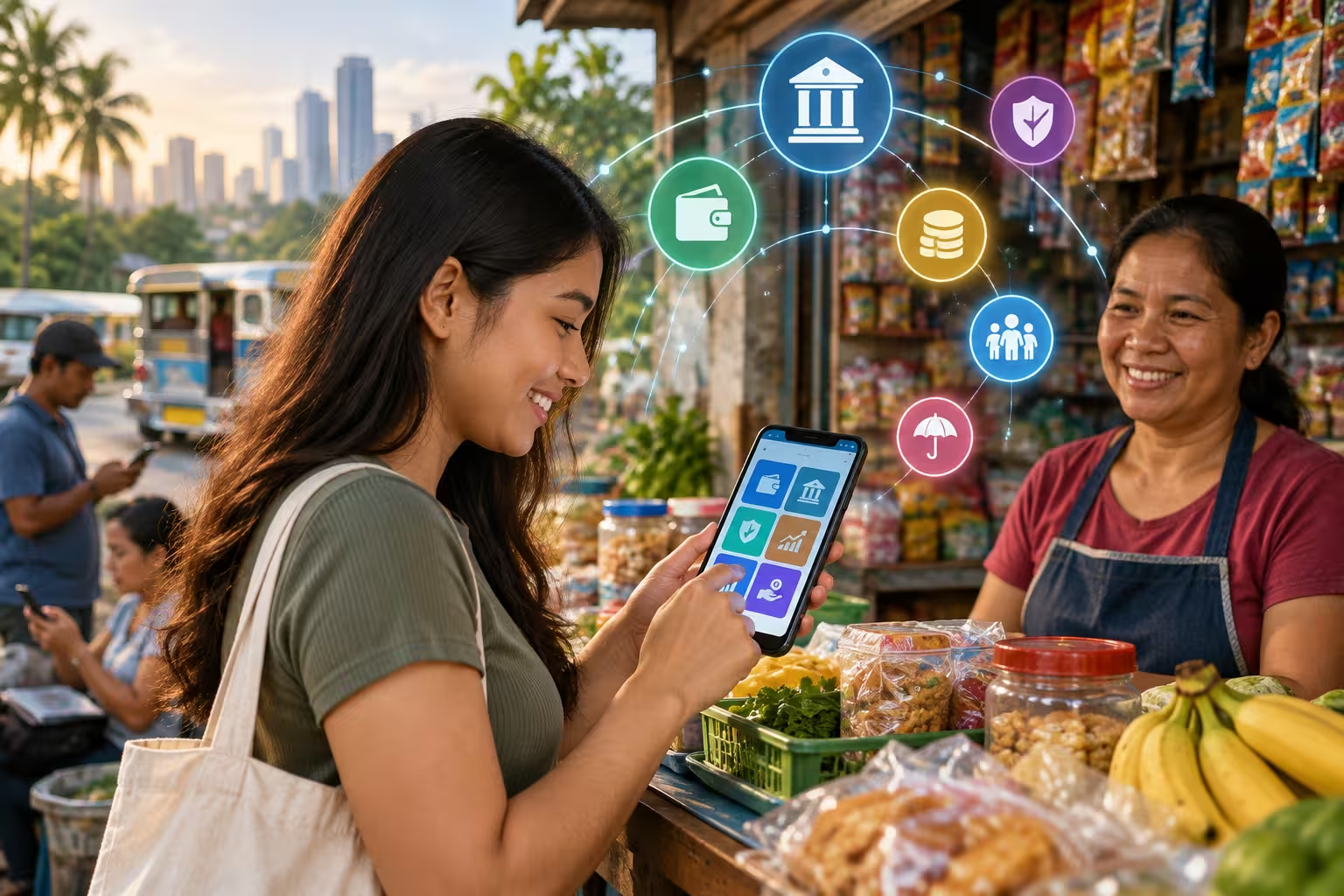
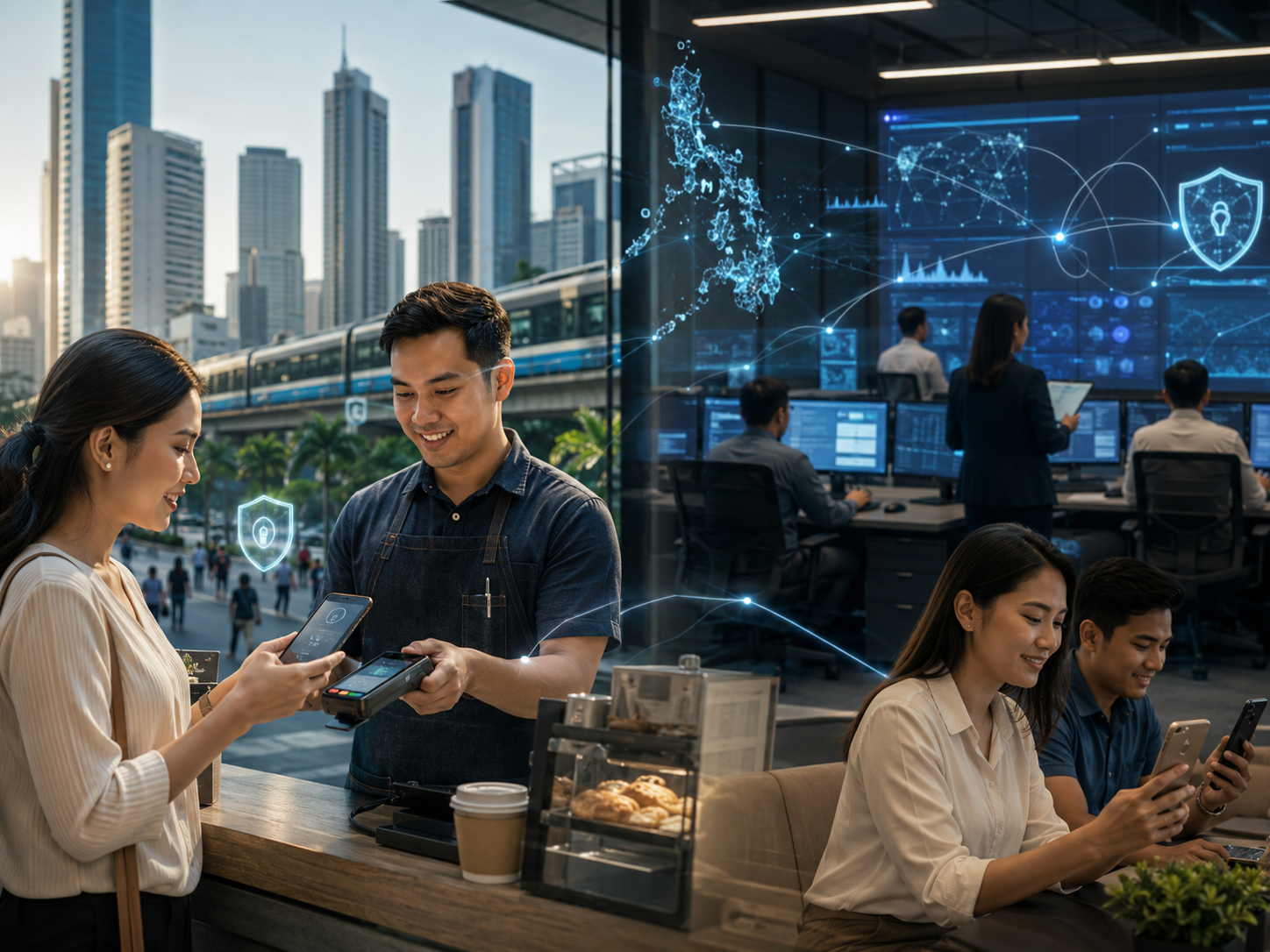
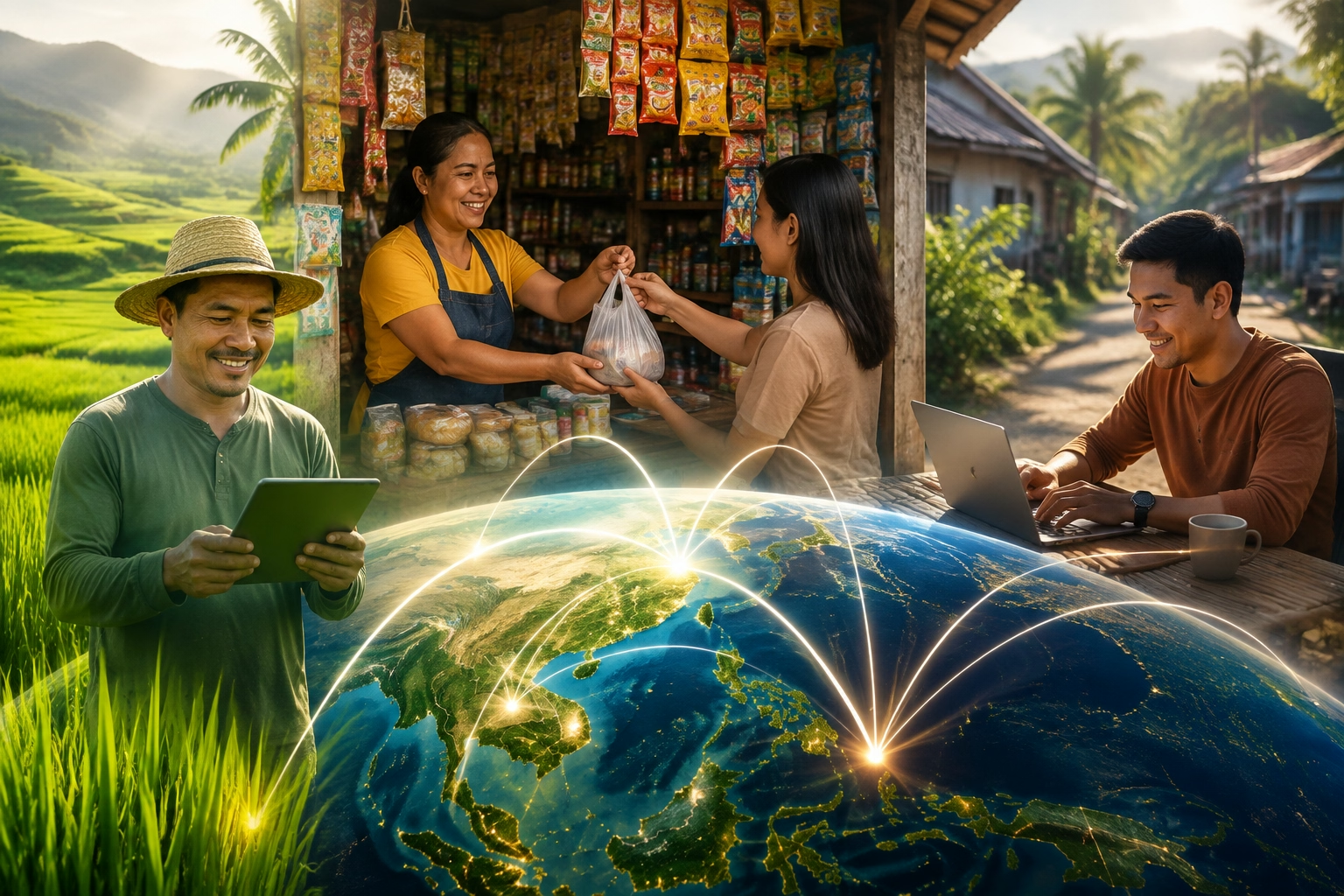
Among the most popular platforms are GCash and PayMaya, which allow users to pay bills, send money, buy goods online, and access microloans, all via mobile phones. These services are vital for the unbanked population, which historically had limited access to the formal financial sector. By using mobile wallets, Filipinos are now able to make secure transactions, which has proven especially important in rural areas where brick-and-mortar bank branches are scarce.
The COVID-19 pandemic significantly accelerated the adoption of digital payments across the country. In an effort to reduce physical contact and mitigate the spread of the virus, more people turned to online transactions for their day-to-day needs. In response, even local markets and small businesses started accepting digital payments, expanding the reach of mobile platforms.
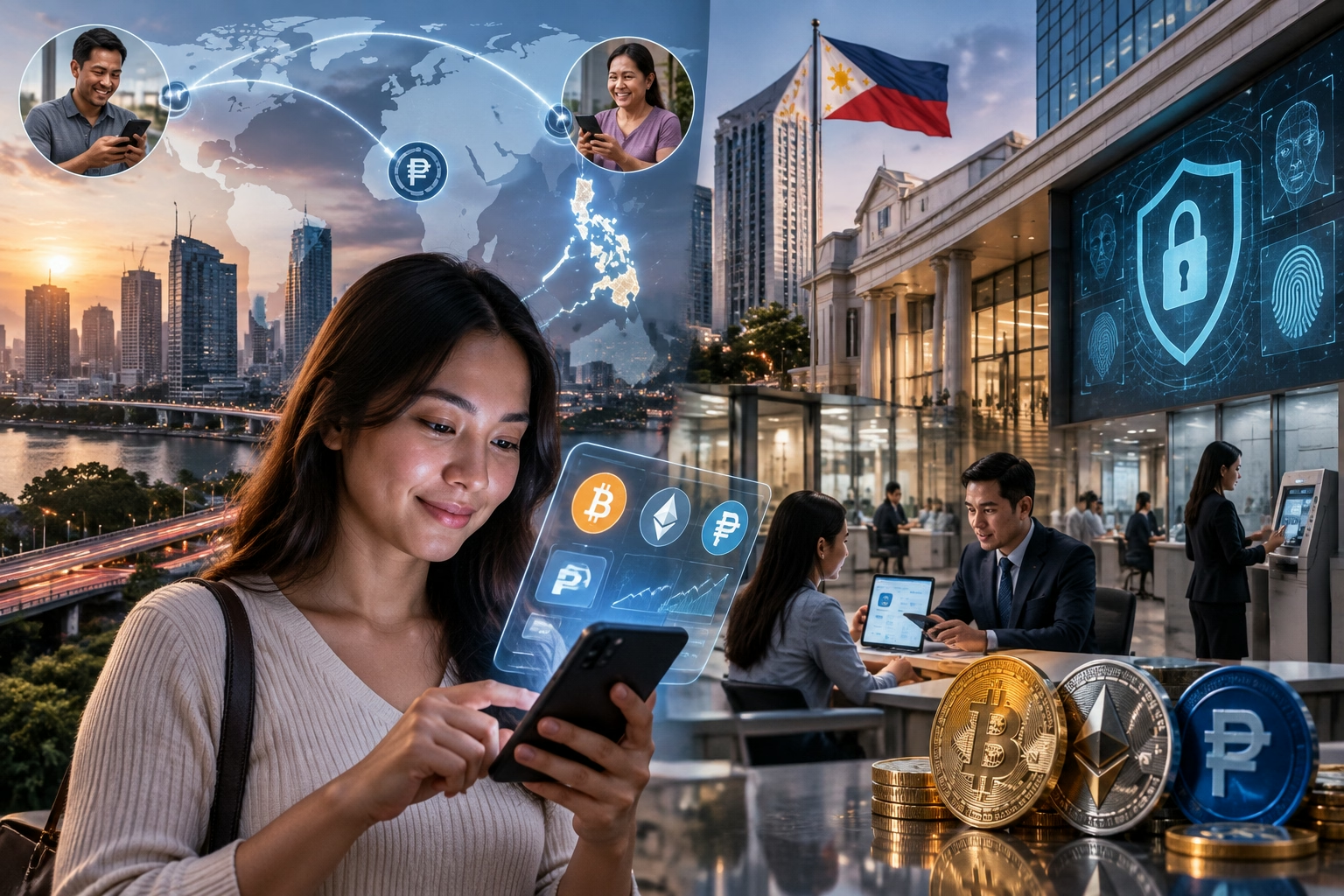
Digital payments have also opened up new financial opportunities for Filipinos, especially in terms of access to remittances. The Philippines is one of the largest remittance-receiving countries in the world, with millions of Filipinos working abroad and sending money home. Digital remittance services have made it easier and faster for families to receive money, reducing dependency on expensive traditional remittance agents.
The Philippines’ digital payment ecosystem is also enhancing the government’s efforts to formalize the economy. As digital payments become more ubiquitous, the country’s informal sectors, such as street vendors and small enterprises, are gradually transitioning to the formal economy. This shift helps businesses maintain a digital footprint, increasing transparency and accountability, while also helping the government collect taxes more efficiently.
As more people embrace digital payments, the Philippines is on track to achieving a more inclusive and robust financial ecosystem. The rise of these platforms is setting the stage for long-term growth, ultimately empowering millions of Filipinos to take control of their financial futures.



Leave a Reply