

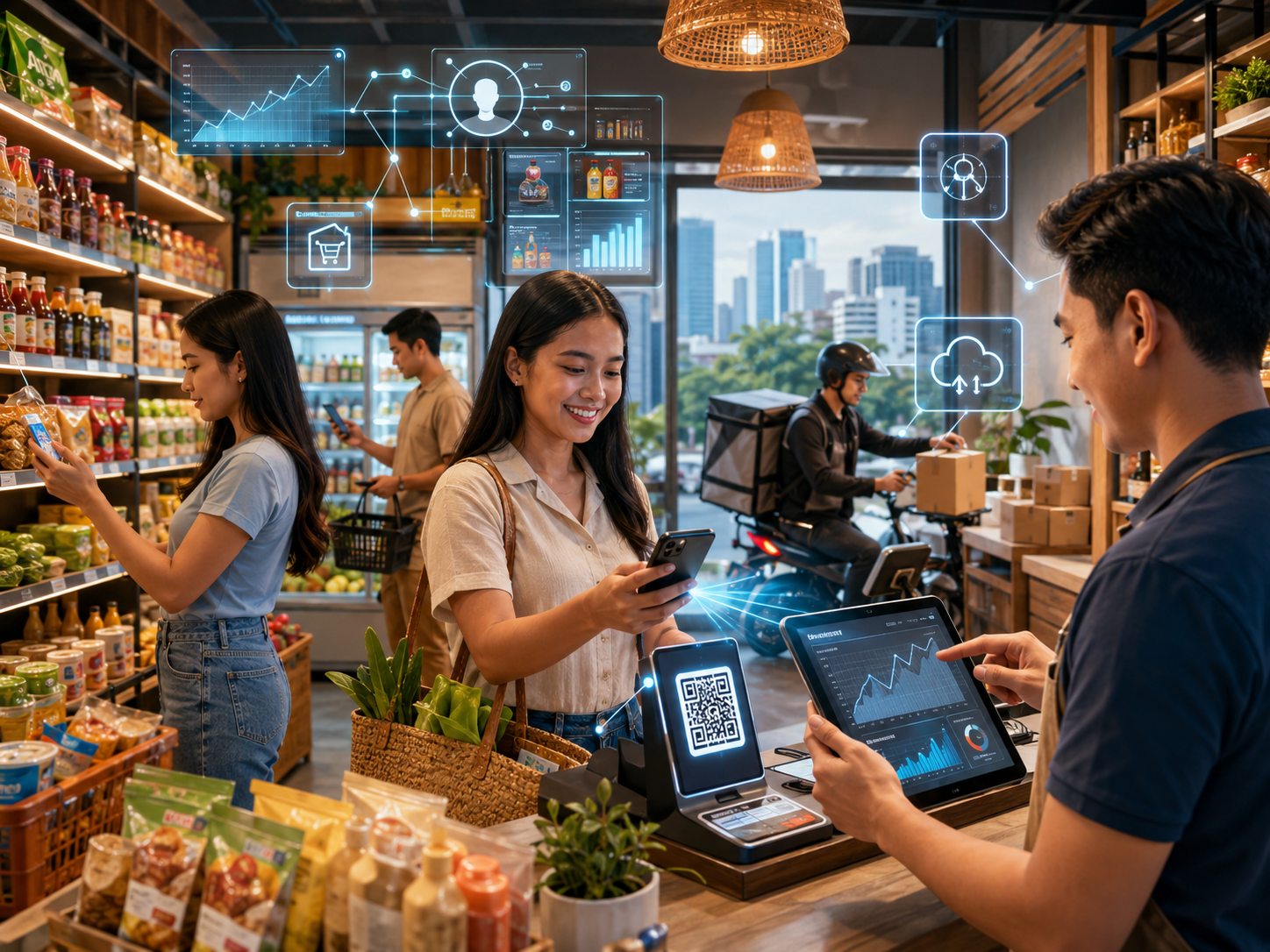
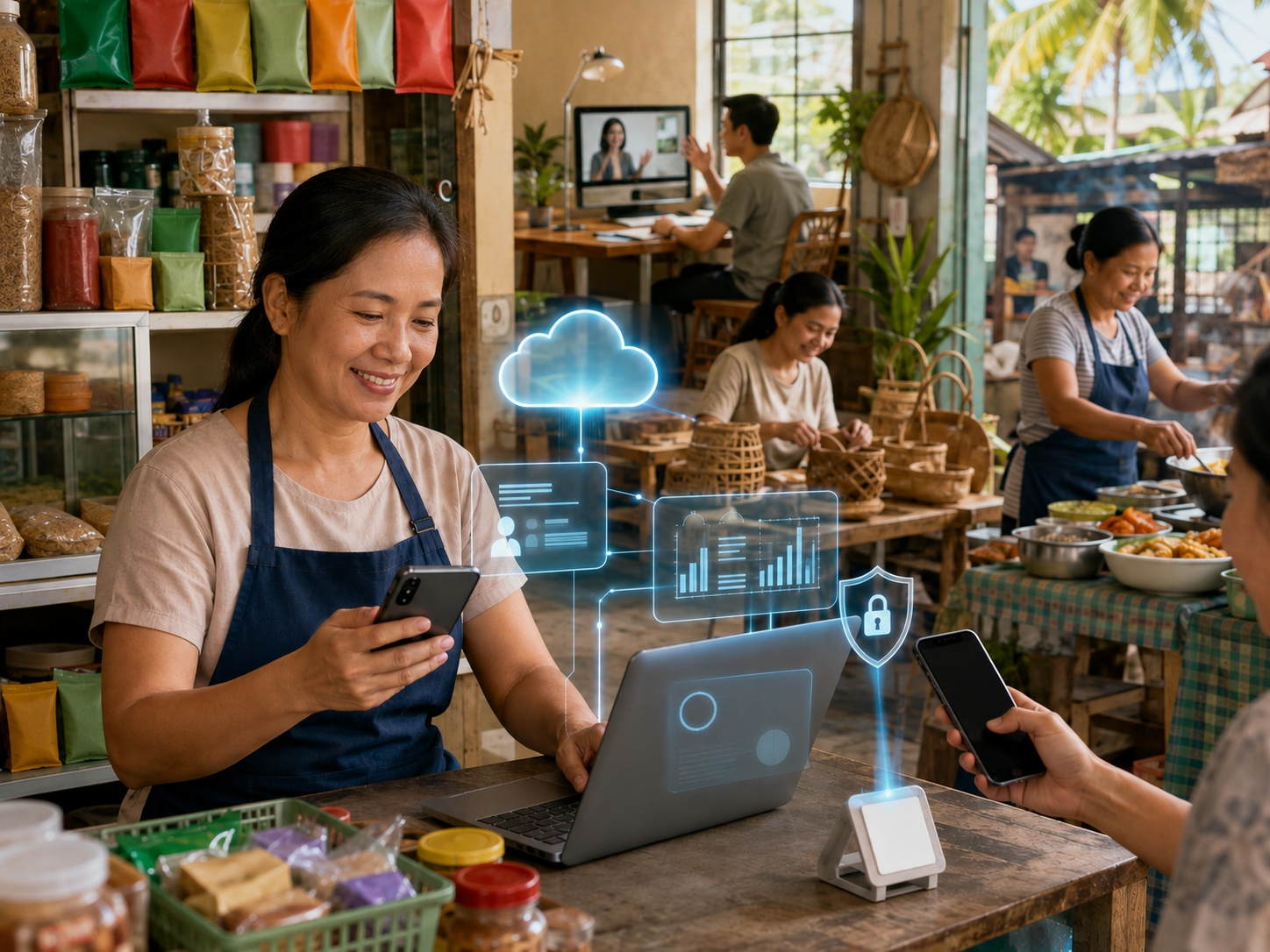
The Philippine retail sector is undergoing a major shift as digital technologies redefine both consumer experiences and business operations. Increasing smartphone usage, widespread internet access, and evolving customer expectations are driving this transformation. For technology startups, this presents a wealth of opportunities to offer innovative solutions tailored to the modern retail landscape.
E-commerce growth is one of the primary catalysts behind this digital evolution. Recent data shows that online retail in the Philippines has grown exponentially, particularly following the COVID-19 pandemic, which pushed more consumers toward digital channels. Shoppers are now seeking convenience, personalized experiences, and secure transactions. Startups can capitalize on this trend by developing mobile shopping applications, AI-based product recommendations, and seamless payment integrations, all designed to enhance the digital shopping journey.
Physical stores are also integrating technology to stay competitive. Retailers increasingly rely on advanced POS systems, inventory management platforms, and CRM software to optimize operations and customer engagement. These tools provide real-time insights, helping businesses reduce stockouts, forecast demand, and craft personalized marketing campaigns. Startups offering analytics platforms, automated inventory solutions, or smart retail management software have a prime opportunity to support these digital initiatives.
Digital payments are another sector experiencing rapid expansion. The adoption of mobile wallets, QR payments, and other cashless solutions is accelerating, especially among younger consumers. Startups can explore opportunities in creating secure payment gateways, anti-fraud tools, or integrated loyalty programs. These solutions not only streamline transactions but also strengthen customer trust and brand loyalty.
Data analytics and marketing automation have become central to retail strategies. Leveraging consumer data allows businesses to understand purchase patterns, identify trends, and deliver personalized marketing content. Startups developing AI-driven marketing platforms, predictive analytics software, and automated recommendation engines can provide retailers with actionable insights that increase engagement and sales.
Lastly, efficient logistics and delivery services are essential in a digital-first retail environment. Online shoppers expect timely and reliable delivery, making last-mile solutions critical. Startups focusing on route optimization, real-time tracking, or smart warehouse management can provide significant value to retailers looking to enhance efficiency and customer satisfaction.
Overall, the ongoing digitalization of Philippine retail creates numerous avenues for technology startups. From e-commerce platforms and digital payments to AI analytics and smart logistics, the demand for innovative tech solutions is increasing. Startups that address these needs effectively can play a vital role in shaping the future of retail in the Philippines.







Leave a Reply