

The Loan Application That Doesn’t Fit the Template
A loan application in the Philippines doesn’t always arrive with crisp bank statements. It may be a blurry rural bank form, a handwritten record folded too many times, or screenshots of GCash transactions from someone outside the formal banking system. Somewhere in that jumble is evidence that the borrower can repay—but traditional credit software can’t read it.
Young Filipino founder Carmel Limcaoco wants AI to do the digging. Together with co-founder and Stanford classmate Rhea Malhotra, she built Kita, an AI platform that helps banks, fintech companies, and microfinance institutions process loan applications that global tools simply cannot parse.
How Vision-Language Models Handle Real Filipino Documents
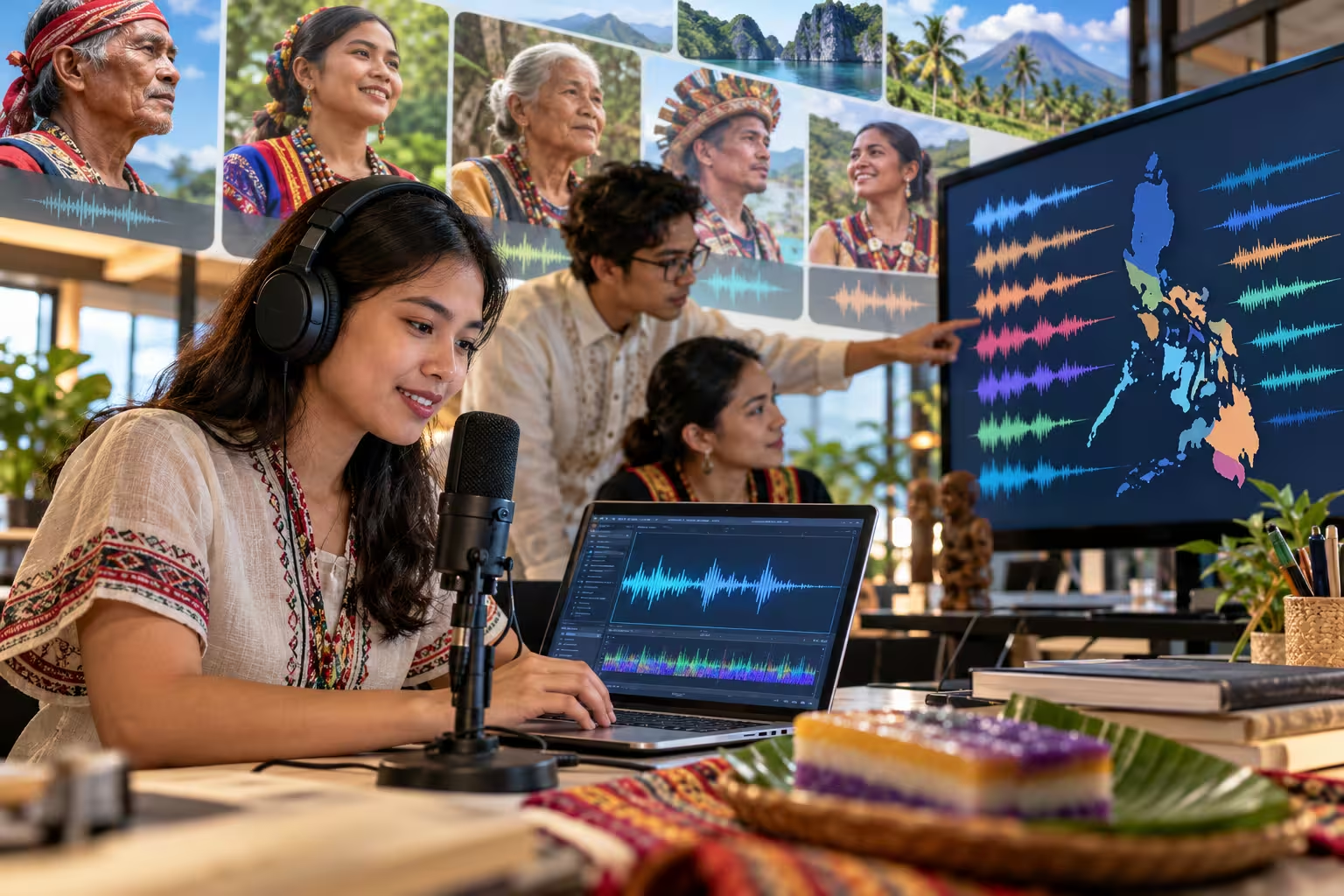
Kita’s technology reads more than 50 document types—from PDFs and e-wallet screenshots to handwritten notes and photos of crumpled paper. Using vision-language models, it understands Tagalog, Taglish, and Cebuano alongside Spanish and Bahasa. The system extracts figures, flags inconsistencies, applies the lender’s credit rules, and drafts a credit memo for human review. Every figure is linked back to its source document.
The results are concrete. In its first five months, Kita processed more than $130 million in loan volume, over 60% of it from the Philippines. One client, rural bank TRBank, had four years of lending history sitting in thousands of paper folders. Kita converted that archive into searchable data in under three days, with accuracy verified above 97%.
From a One-Bedroom Apartment to Y Combinator
Kita’s origin story is as specific as its technology. Limcaoco and Malhotra met in 2020 when the pandemic threw them into unusually close quarters. They later studied computer science at Stanford and began searching for something to build together. In Manila, they found it in loan paperwork.
That pedigree attracted heavyweight believers. Kita raised $4.5 million in a seed round led by BoxGroup, with Lisa Gokongwei-Cheng joining as an angel investor alongside Kaya Founders. Other backers include Apex Star Capital, the family office of Xiaomi co-founder Lin Bin. Kita also passed through Y Combinator, and Limcaoco became the first Filipina founder accepted into the program in more than five years.
Why This Matters Beyond Fintech
Kita’s core technical achievement—reading messy, multilingual, real-world documents—has applications far beyond credit. The same vision-language stack that deciphers a handwritten passbook in Cebuano could process medical records, government forms, or insurance claims. The Filipino-language AI advantage is not a niche feature. It is a durable moat that global models, trained predominantly on English and Mandarin, cannot easily replicate.










Leave a Reply