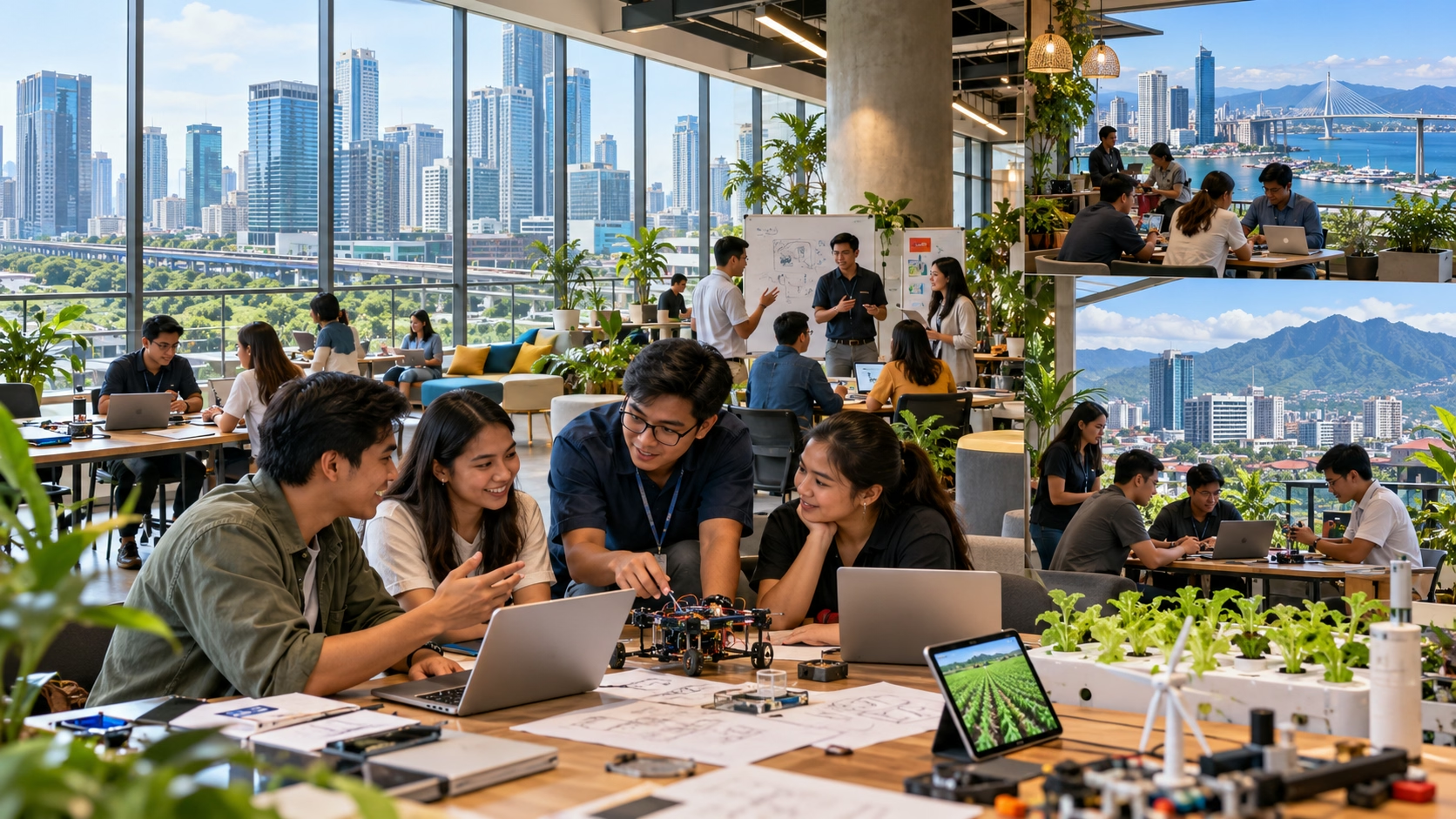
The Philippines is becoming an important player in the Southeast Asian tech landscape, particularly in the realm of startups. With Manila and Cebu at the forefront, the country has seen a surge in tech-based innovation, attracting entrepreneurs, investors, and talents from all over the globe. These two cities are emerging as pivotal hubs for technology, providing a rich ecosystem for the growth and development of digital startups.
Manila, as the capital city, serves as the core of the Philippine tech ecosystem. With its dynamic business landscape and proximity to key stakeholders, including government agencies, investors, and large enterprises, it is the most attractive destination for many budding entrepreneurs. The city boasts a well-established network of accelerators, incubators, and co-working spaces, making it easier for startups to find the necessary resources to succeed. For example, QBO Innovation Hub offers mentorship and access to a network of investors and industry experts to guide emerging startups through their growth phases.
The influx of digital platforms has made Manila an attractive destination for tech talent. From software developers to UX/UI designers, the city has seen an increase in professionals seeking opportunities in the digital economy. Additionally, the rise of digital agencies and tech consultancies in Manila supports the local startup ecosystem by providing businesses with a range of services, from product development to marketing strategies.
Cebu, often regarded as the “Queen City of the South,” is quickly gaining recognition for its own rapidly growing startup scene. The city has built a reputation as a hub for IT and business process outsourcing (BPO) companies, which creates a pool of skilled workers in fields such as software development, customer service, and digital marketing. These workers are increasingly transitioning to the startup world, bringing with them valuable expertise.
What sets Cebu apart is its more relaxed lifestyle and lower cost of living, which makes it an attractive choice for entrepreneurs looking for a more affordable place to establish their startups. In addition to this, Cebu’s strong tourism industry also contributes to the vibrancy of the local startup scene, as many international investors and tech professionals are drawn to the city’s lifestyle.
Both cities benefit from government initiatives designed to promote entrepreneurship. The Department of Trade and Industry (DTI) and the Department of Information and Communications Technology (DICT) have launched numerous programs aimed at supporting startups in the country. For instance, the government has been working to create a more favorable regulatory environment for startups, streamlining business permits and taxes, and increasing access to funding.
Startups in the Philippines are primarily focused on key sectors such as financial technology (fintech), e-commerce, health tech, and education technology (edtech). The fintech space, in particular, has witnessed rapid growth as Filipinos continue to embrace mobile payments and digital banking services. The growing unbanked population in the Philippines has led to the rise of platforms like PayMaya, which offers financial services through mobile apps.
The rise of e-commerce has also been a defining trend in the Philippine startup ecosystem. While global players like Lazada and Shopee dominate the market, local startups are capitalizing on the surge in online shopping, especially during the COVID-19 pandemic. These e-commerce startups cater to niche markets, providing unique offerings to Filipino consumers.
Additionally, health tech and edtech startups have found ample opportunities in the Philippines’ developing digital landscape. Companies such as MedGrocer and Edukasyon.ph are playing a significant role in addressing the evolving needs of the healthcare and education sectors, especially in times of crisis. With digital platforms becoming integral in these sectors, innovation is thriving as the demand for accessible, affordable, and reliable services increases.
In the years to come, both Manila and Cebu are expected to remain at the heart of the Philippine startup movement, continuing to evolve and adapt to the needs of a rapidly changing digital landscape. These cities are not just embracing innovation; they are actively shaping the future of the Philippine tech ecosystem.