

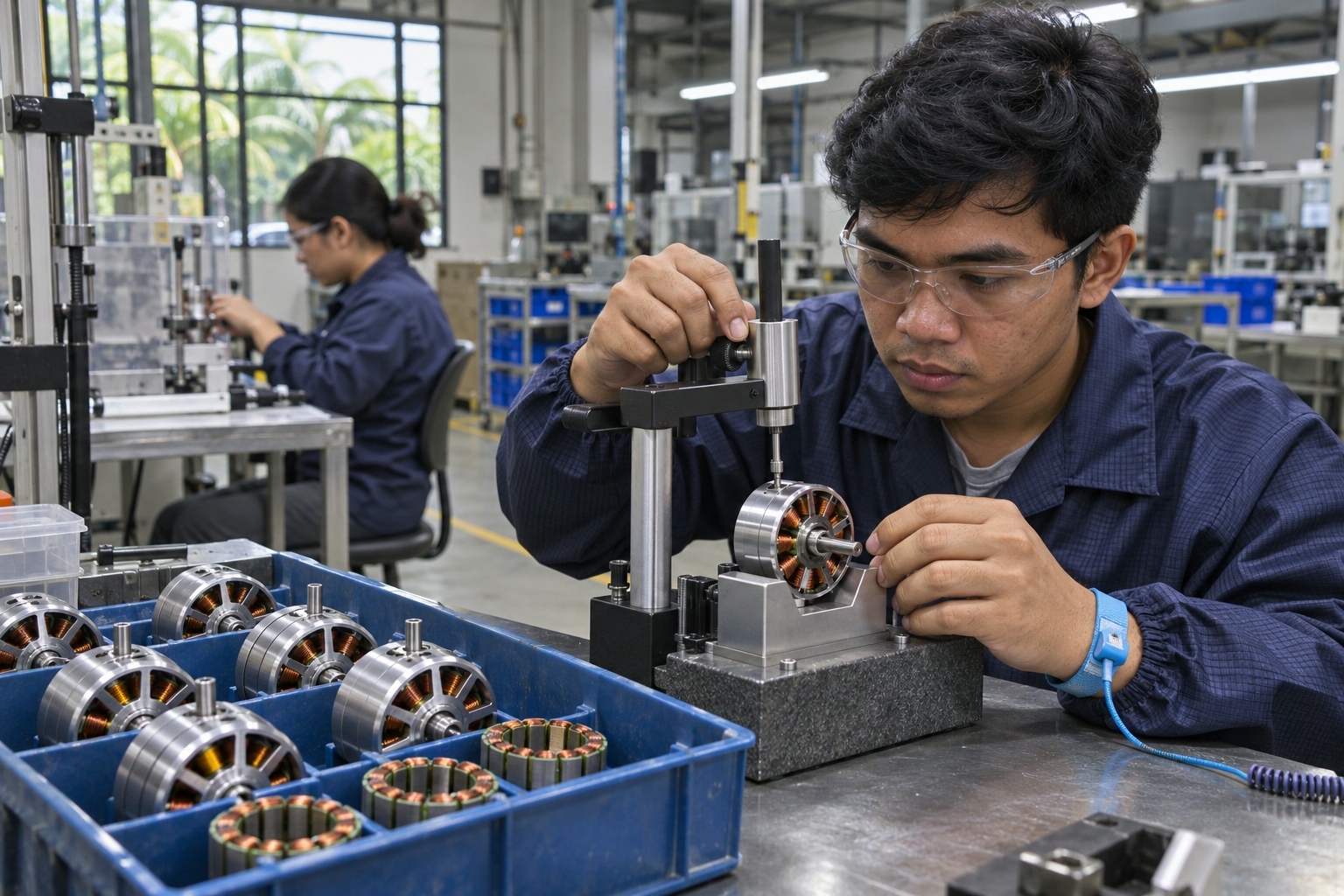
The Philippine Economic Zone Authority approved PHP 297.14 billion in investments from January to September 2026, a 92% jump year-on-year and roughly 99% of its full-year target. Manufacturing led the surge. But the composition of that manufacturing is shifting in ways that matter for robotics and logistics automation. PEZA Director General Tereso Panga has explicitly named artificial intelligence, robotics, factory automation, and advanced electronics as target sectors.
From Standard Factories to Specialized Facilities
Property consultants are already adjusting expectations. Savills Philippines Research Director Dino Palanca noted that industrial parks must now offer reliable power, stronger floor-loading capacity, specialized temperature controls, and advanced data infrastructure—not just land and standard factory shells. Colliers Philippines Research Director Joey Bondoc added that attracting technology-intensive locators requires proximity to seaports, airports, and cargo railways, plus modern warehouses and stable, competitively priced electricity.
The numbers support this urgency. Cavite, Laguna, and Batangas account for roughly 88% of listed standard factory space nationwide, with Laguna Technopark alone offering 237,000 square meters. Yet the pipeline for purpose-built robotics and automation facilities remains thin. PRIME Philippines recorded manufacturing inquiries in September covering up to 130,700 square meters across these provinces—demand that existing stock cannot fully absorb without upgrades.
The Clark Wildcard
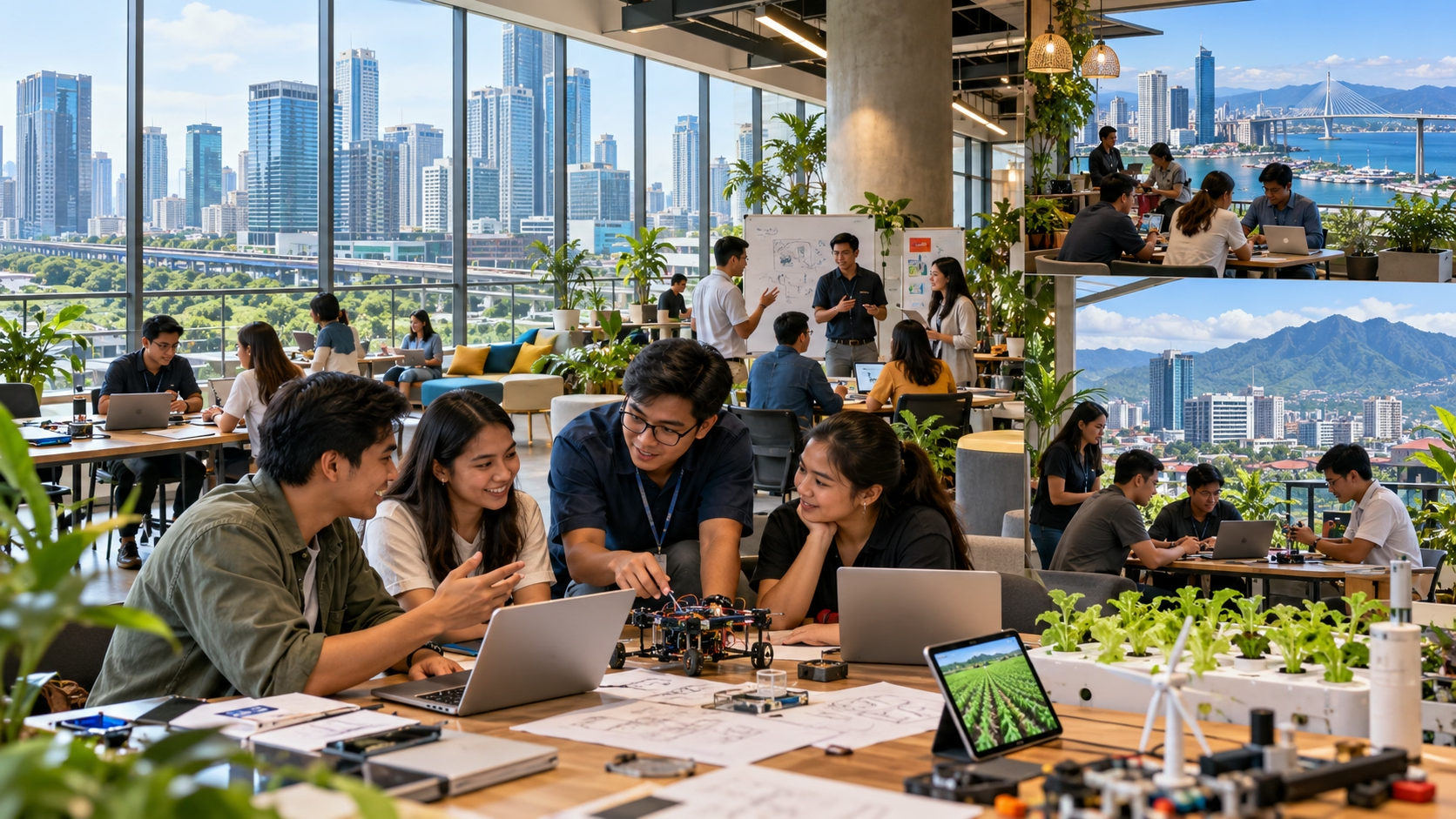
Beyond Laguna, Clark is emerging as a complementary node. The planned AI-native industrial hub in Clark is designed to integrate semiconductors, advanced manufacturing, and AI capabilities within one ecosystem. For robotics startups, this matters for two reasons. First, semiconductor adjacency reduces supply-chain friction for sensors, controllers, and power electronics. Second, the concentration of AI-focused firms creates a talent pool that individual startups cannot build alone. PEZA’s challenge is not attracting interest. It is retrofitting infrastructure fast enough to convert interest into operational facilities before investors look elsewhere.










Leave a Reply