The Philippines, a thriving economy in Southeast Asia, has garnered increasing attention from global investors in recent years. With its strategic location, favorable demographic trends, and robust economic growth, the country offers numerous investment opportunities. However, investors should also be aware of the unique challenges in this developing market.
Key Investment Opportunities
- Continued Economic Growth
The Philippines’ economy has remained one of the fastest-growing in Asia, driven by consumption, investments in infrastructure, and a burgeoning services sector. The government’s commitment to improving infrastructure, through initiatives like the “Build, Build, Build” program, has been a key driver of this growth. Continued economic expansion promises to create further opportunities in sectors such as energy, transport, and retail. - Young and Expanding Workforce
With a young and increasingly urbanized population, the Philippines offers investors access to a large and growing labor force. The country has a demographic dividend, which supports sustained growth in sectors such as consumer goods, healthcare, and financial services. A youthful population also indicates the potential for increased demand in technology-driven sectors like e-commerce and fintech. - Growth in the Stock Market
The Philippine Stock Exchange (PSE) has shown a steady rise in recent years, with both local and foreign investors participating in its growth. With a diverse range of companies listed on the exchange, investors can access various sectors including banking, retail, infrastructure, and real estate. Notably, the banking sector is one of the strongest performers, with institutions such as BDO Unibank and Metrobank continuing to show solid returns. - Real Estate Boom
The real estate market in the Philippines is experiencing rapid growth, particularly in Metro Manila and other key cities. This is fueled by rising urbanization, increased foreign direct investment, and the strong demand for both residential and commercial properties. The government’s emphasis on infrastructure projects further enhances the potential of this sector. REITs have also gained traction, offering an opportunity for investors to diversify their portfolios into the real estate sector without directly owning property. - Digital Transformation
The rise of technology and digital innovation in the Philippines is another attractive opportunity for investors. With an increasingly tech-savvy population, industries such as e-commerce, fintech, and digital payments are growing at a rapid pace. Government policies that aim to promote digital literacy and improve internet infrastructure further create a favorable environment for digital investments.
Major Challenges for Investors
- Political Instability and Regulatory Issues
Investors in the Philippines must contend with political and regulatory risks. Political instability, corruption, and frequent changes in government policies can create uncertainty for investors. Despite efforts to improve the business environment, the regulatory landscape remains complex, and changes in laws and taxes may impact investment returns. - Inflation and Currency Instability
The Philippines has faced inflationary pressures, which could reduce purchasing power and impact the returns on investments. The country’s currency, the Philippine Peso, is also subject to fluctuations, which could affect the value of foreign investments and make long-term financial planning more difficult. - Infrastructure Gaps
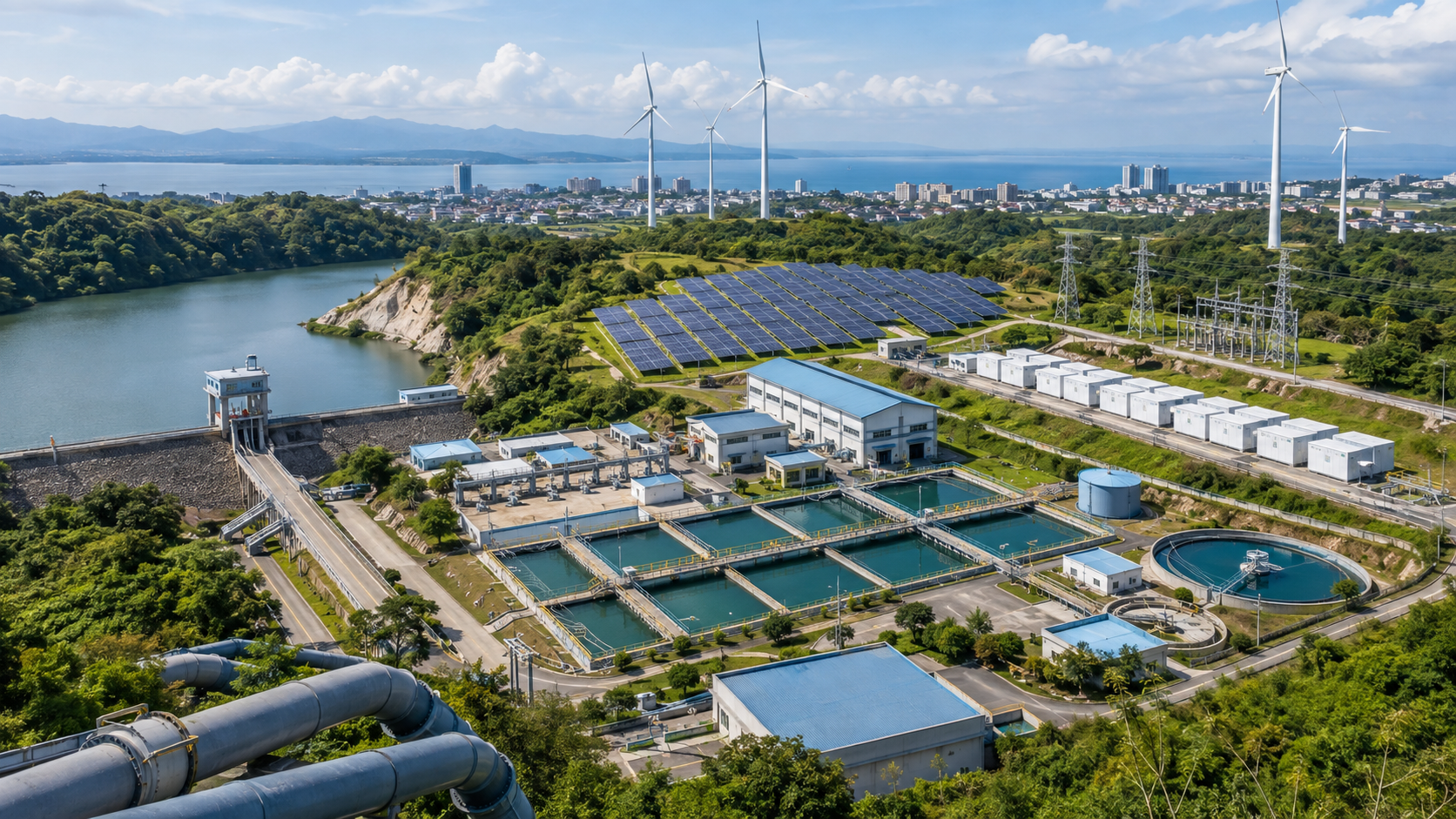
While the government is investing heavily in infrastructure development, the country still faces challenges in terms of transportation, energy, and water infrastructure. These gaps could slow down business operations, especially in regional areas, and add additional costs to businesses operating in the country. - Natural Disaster Vulnerability
The Philippines is located in a region prone to natural disasters, such as typhoons, earthquakes, and volcanic eruptions. These disasters can disrupt supply chains, damage infrastructure, and negatively impact the economy. Investors in sectors like agriculture, manufacturing, and construction need to consider these risks when making investment decisions. - Limited Market Liquidity
Liquidity in the Philippine market, especially in smaller stocks, can be a concern. This can result in increased volatility and challenges for investors looking to enter or exit positions without affecting the market price. Liquidity risk is especially important for short-term traders and those looking for more liquid investments.
Conclusion
While the Philippines offers significant investment opportunities across sectors such as real estate, banking, and technology, investors must also be mindful of the risks associated with political uncertainty, regulatory challenges, and natural disasters. Careful consideration of these factors, along with a long-term investment strategy, can help investors take advantage of the country’s growth potential while managing the associated risks.