Micro, Small, and Medium Enterprises (MSMEs) are crucial to the Philippine economy, contributing to job creation, poverty reduction, and regional development. With the sector comprising the majority of businesses in the country, it plays a pivotal role in shaping the national economic landscape. However, while MSMEs provide a wealth of opportunities, they also face significant obstacles that limit their potential. In this article, we explore the contributions of MSMEs, the challenges they encounter, and the emerging opportunities for future growth.
Contributions of MSMEs to the Philippine Economy
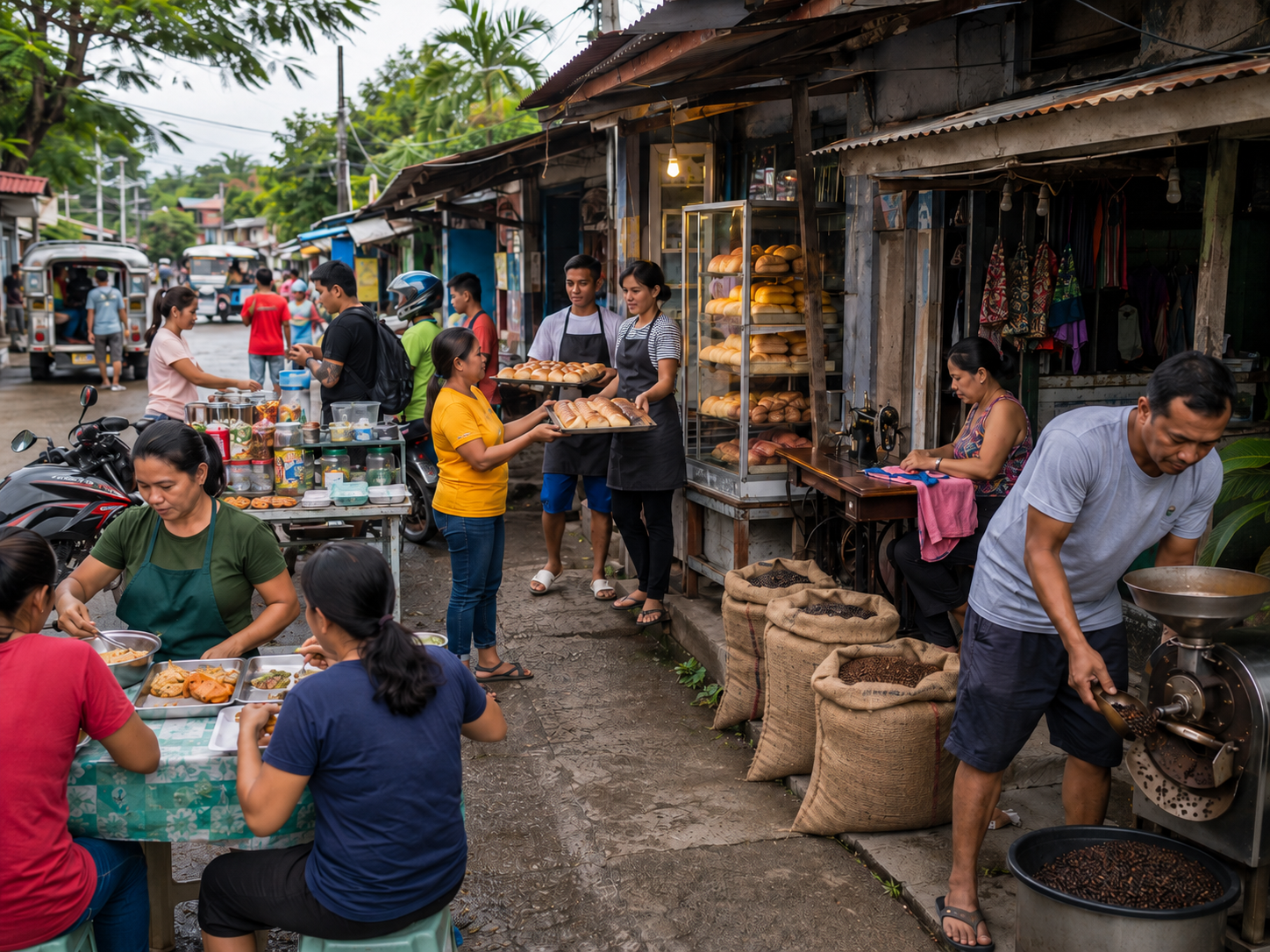
MSMEs are the cornerstone of the Philippine economy, with over 90% of the total business population falling under this category. The sector employs millions of Filipinos, significantly contributing to job creation. It is estimated that MSMEs account for about 61% of the workforce in the country, playing an indispensable role in alleviating unemployment rates.
In terms of economic output, MSMEs contribute approximately 35% to the national GDP. This highlights the crucial role they play in driving economic activity across various sectors, including agriculture, trade, services, and manufacturing. By generating goods and services for local markets and exporting to international buyers, MSMEs stimulate trade and commerce, further supporting national economic growth.
Challenges Confronting MSMEs
- Limited Financial Resources
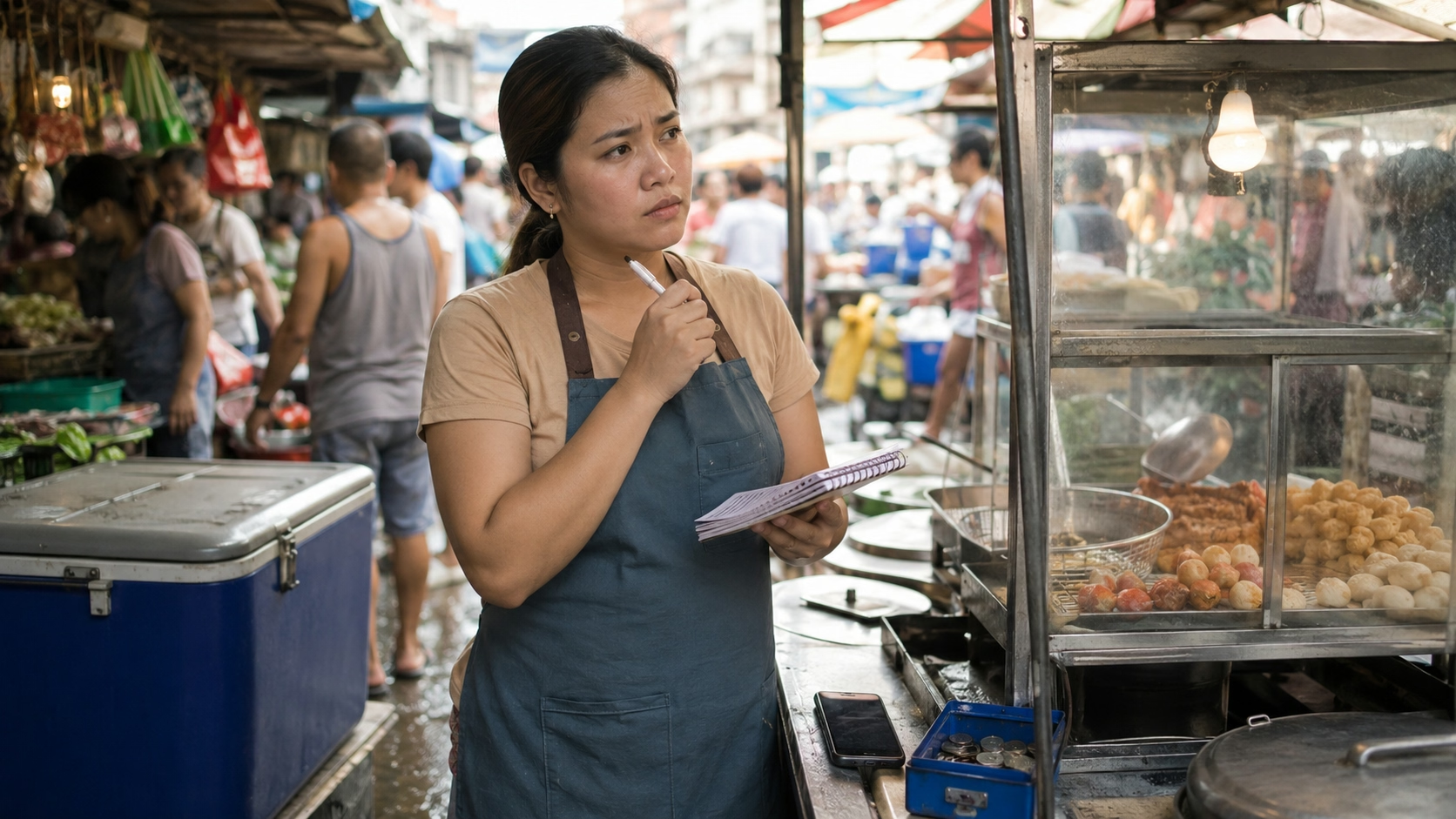
Access to capital remains one of the most significant challenges for MSMEs. Despite the availability of financial institutions, many small businesses struggle to obtain the necessary funds to grow or even sustain their operations. Financial institutions often require collateral and impose strict criteria, which many MSMEs cannot meet, leading to a credit gap. - Complex Regulatory Environment
Navigating the complex regulatory landscape is another barrier for MSMEs. The processes involved in obtaining permits, complying with tax regulations, and adhering to local ordinances can be cumbersome, particularly for smaller enterprises that lack the resources to manage compliance. Simplifying these procedures and providing easier access to business information would significantly improve the business environment for MSMEs. - Lack of Innovation and Technology
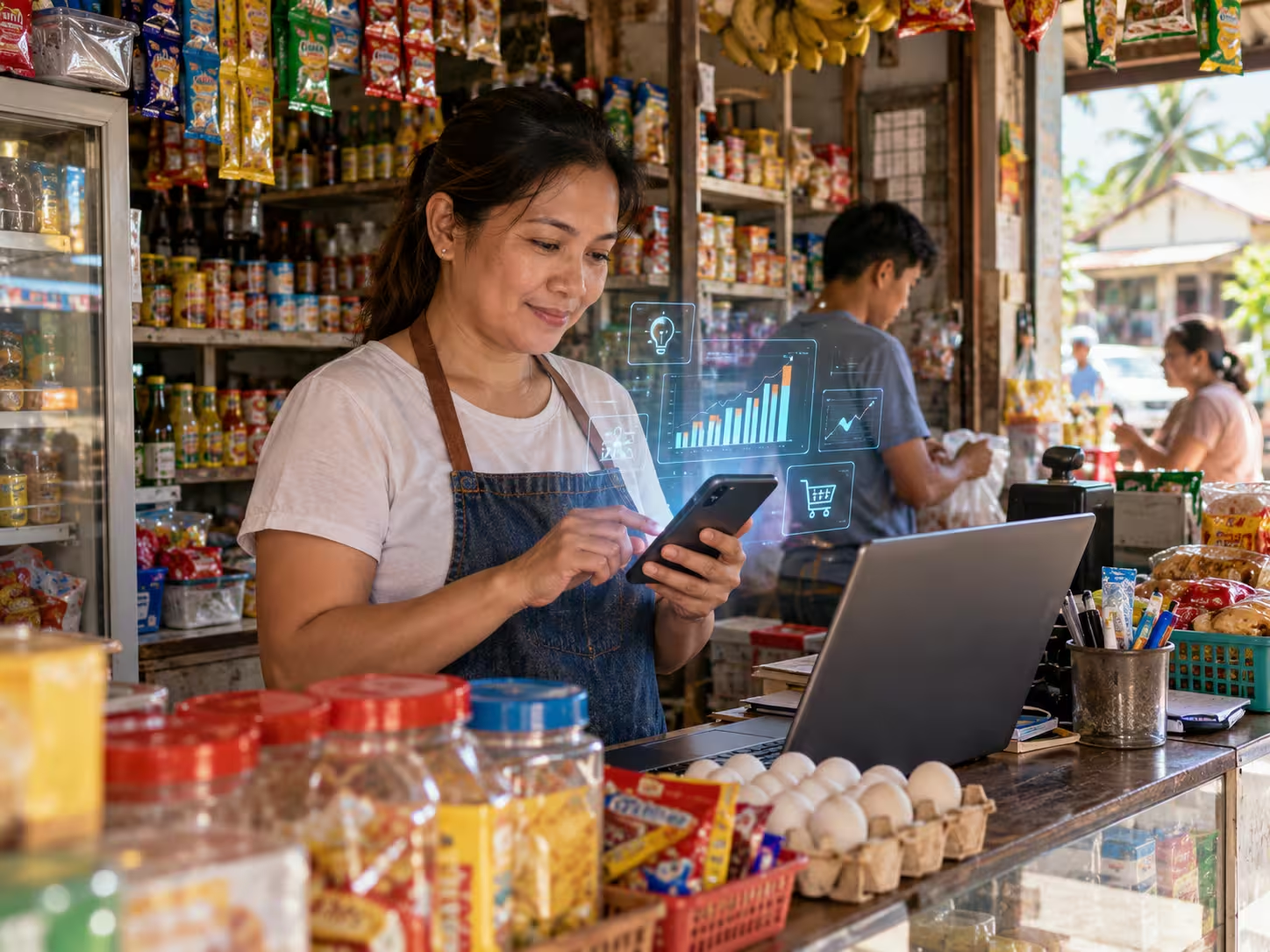
Many MSMEs lag in adopting new technologies and innovative business practices. This limits their ability to scale operations, increase productivity, and compete effectively in the market. Innovation is critical to maintaining competitiveness, and MSMEs must find ways to integrate technology into their business models to remain relevant.
Opportunities for MSME Growth
- E-Commerce and Digital Platforms
The rise of e-commerce presents significant growth opportunities for MSMEs. With online shopping becoming increasingly popular, MSMEs can tap into broader markets through digital platforms, such as Lazada, Shopee, and their own e-commerce websites. These platforms not only allow businesses to reach national and international consumers but also offer affordable marketing tools to enhance visibility and customer engagement. - Public-Private Partnerships (PPPs)
The Philippine government has been taking steps to foster collaboration between the public and private sectors to promote MSME growth. Programs such as the Small Business Corporation (SBC) and the Department of Trade and Industry (DTI) offer financial assistance, training programs, and market access. These initiatives create valuable opportunities for MSMEs to access resources that can help them expand their businesses. - Green and Sustainable Practices
As sustainability becomes a global priority, MSMEs have the chance to capitalize on environmentally friendly practices. Adopting sustainable sourcing, reducing waste, and using renewable energy sources can provide MSMEs with a competitive edge. Additionally, businesses that embrace green technologies may find new market opportunities, particularly with eco-conscious consumers.
Conclusion
MSMEs are a driving force in the Philippine economy, with their contributions to employment, innovation, and economic growth undeniable. However, to fully unlock their potential, challenges such as limited financing, regulatory barriers, and the adoption of technology must be addressed. By leveraging opportunities in e-commerce, public-private partnerships, and sustainability, MSMEs can overcome these obstacles and continue to be a key engine of growth for the Philippine economy.