In recent years, the role of technology in the development of Small and Medium Enterprises (SMEs) in the Philippines has become increasingly evident. The rapid evolution of digital tools has enabled these businesses to enhance their productivity, reach larger audiences, and compete in global markets. For many SMEs in the country, technology is no longer an optional add-on but a crucial element for survival and growth.
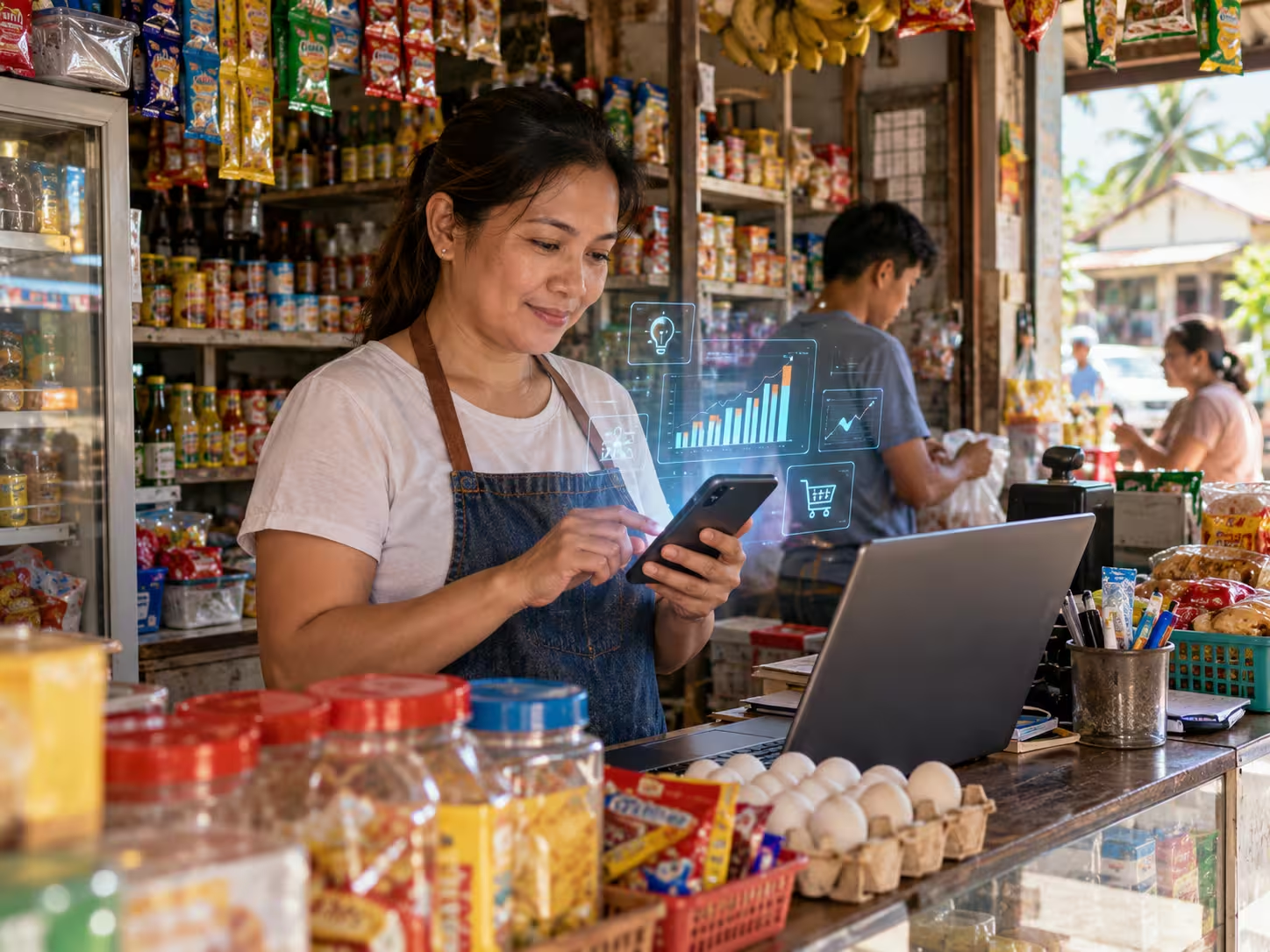
The internet and mobile devices have revolutionized how SMEs in the Philippines interact with their customers. With affordable smartphones and internet services, entrepreneurs can now market their products, manage customer relationships, and even offer services remotely. E-commerce platforms like Shopee and Lazada have provided these businesses with a virtual storefront, allowing them to sell products to customers across the country and even internationally. This digital marketplace has opened doors that were previously out of reach due to limited physical infrastructure.
Social media has also played a key role in the success of many Filipino SMEs. Platforms such as Facebook, Instagram, and YouTube allow businesses to build a direct relationship with their audience by engaging in real-time communication and promoting brand awareness. The rise of influencer marketing has allowed even the smallest businesses to collaborate with popular online personalities, increasing brand visibility. This kind of marketing strategy is especially valuable for SMEs with limited budgets, offering a cost-effective way to expand their reach.
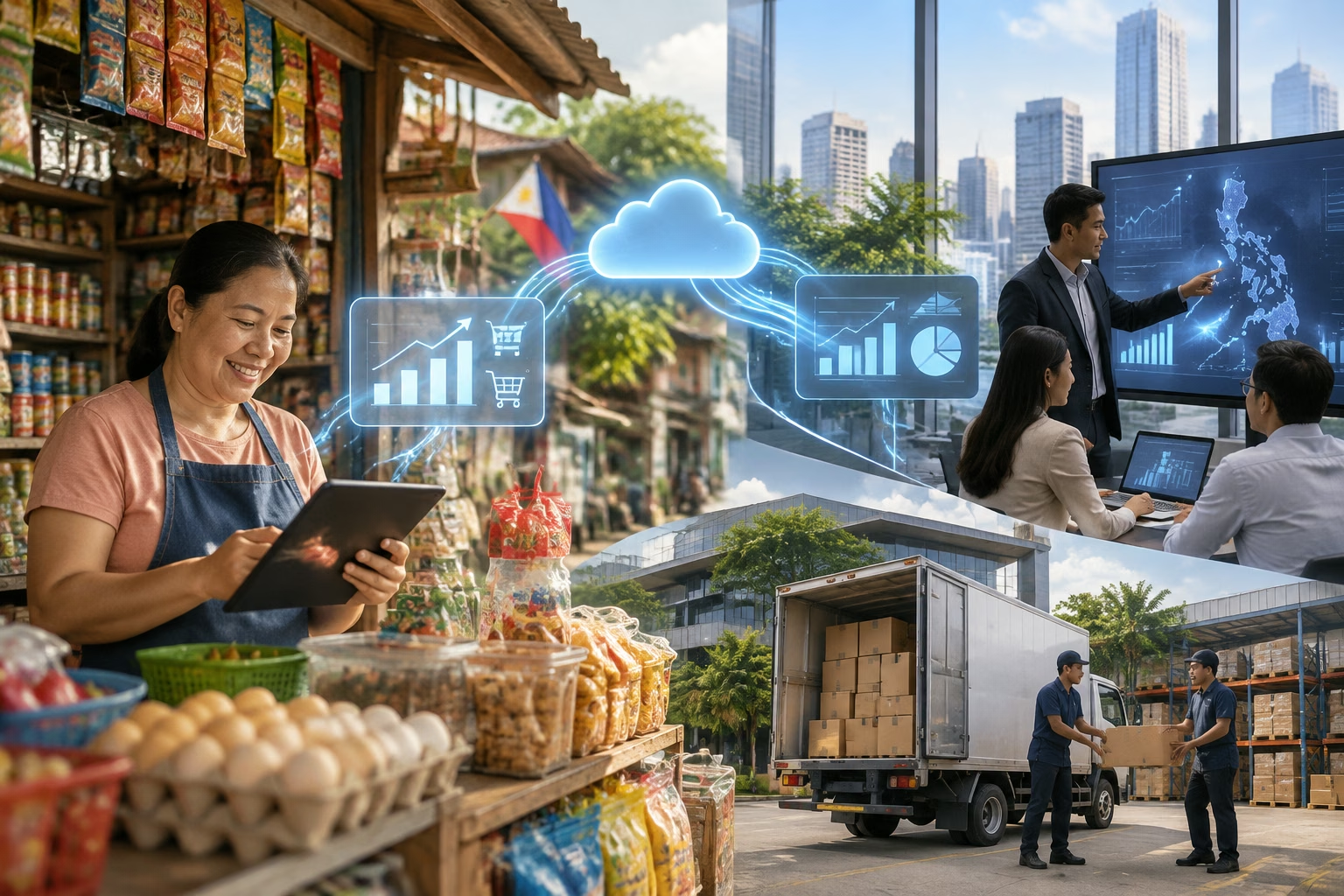
Cloud technology has made it easier for small business owners to manage various aspects of their operations, from accounting to inventory management. Cloud-based platforms allow for the centralization of data and real-time updates, which significantly reduces the chances of human error and mismanagement. For instance, cloud-based accounting software enables business owners to monitor their financials with ease and efficiency. These tools make running a business more organized and less time-consuming, freeing up valuable time that can be spent on growth and innovation.
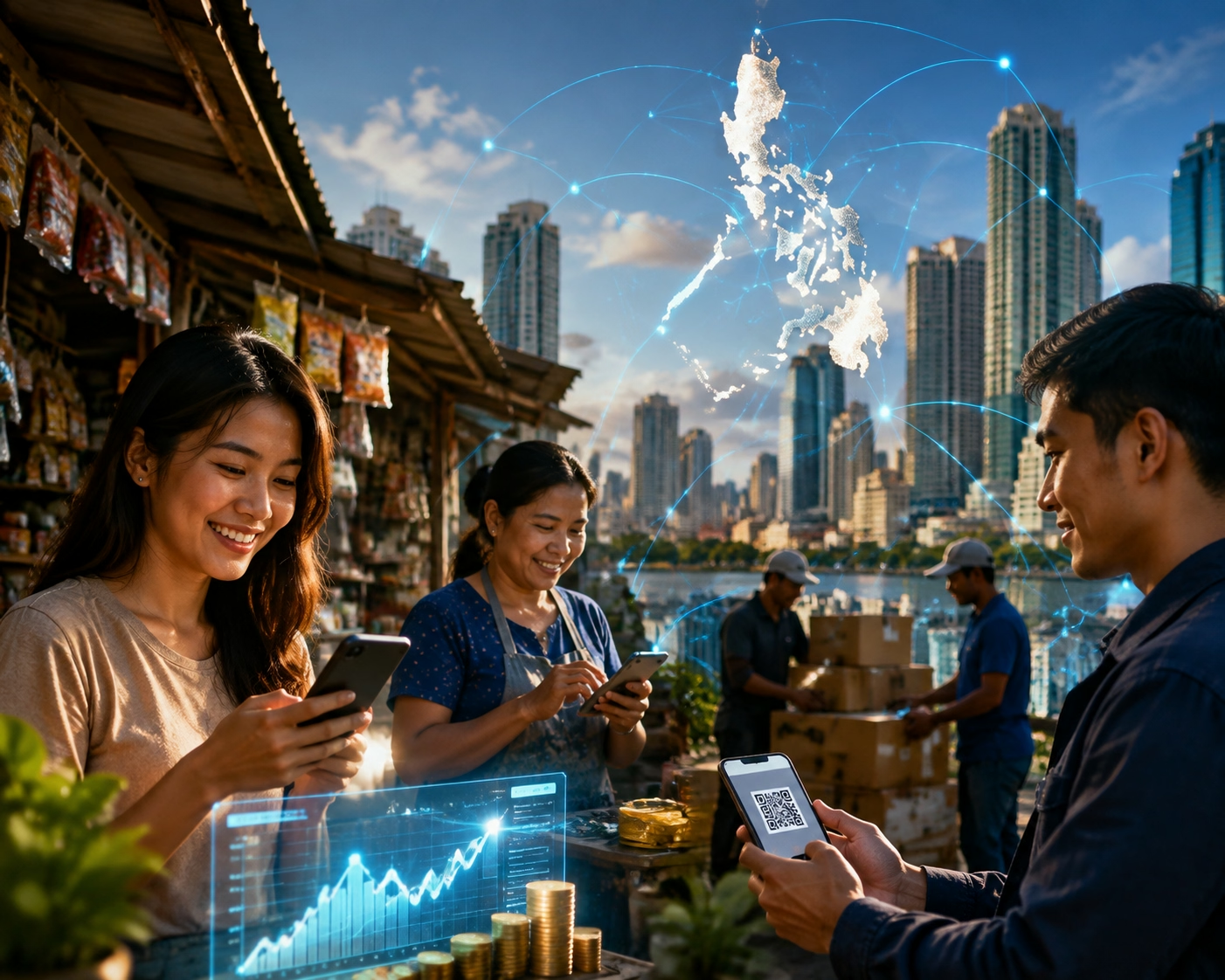
Another technological advancement that has had a significant effect on SMEs in the Philippines is digital payment systems. The use of mobile wallets, digital banking, and online payment gateways has streamlined the payment process for both businesses and consumers. These payment methods provide security and convenience, making transactions smoother and more reliable. The government’s push to increase financial inclusion and reduce reliance on cash has further accelerated the adoption of these digital payment systems.
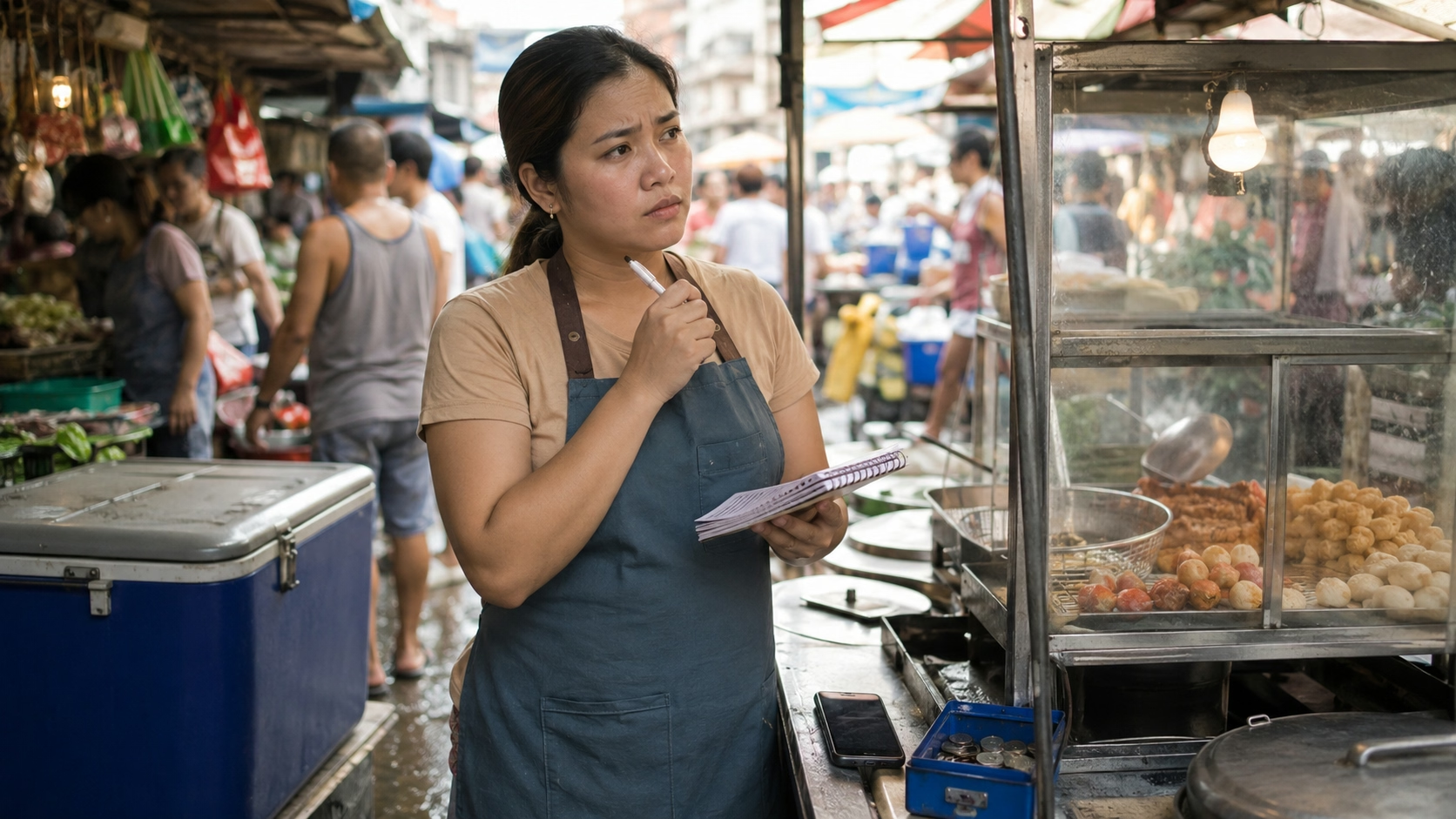
Despite these benefits, not all SMEs in the Philippines are equally equipped to take full advantage of technology. Some businesses, particularly those in rural areas, face challenges in terms of access to reliable internet and the necessary skills to implement these tools effectively. Furthermore, the costs of technology adoption can be a significant barrier for small businesses with limited capital. However, with continued government support and the growing availability of affordable technology solutions, these challenges are becoming easier to overcome.
To address these barriers, the Philippine government has introduced initiatives aimed at fostering digital literacy and providing financial assistance to SMEs. Programs such as the “DigitalJobsPH” initiative by the Department of Information and Communications Technology (DICT) aim to equip Filipino entrepreneurs with the skills they need to leverage technology. These initiatives are crucial in ensuring that all SMEs, regardless of location or size, can benefit from the opportunities that technology provides.
In summary, technology has proven to be a powerful enabler for the growth of SMEs in the Philippines. With the right tools and resources, small businesses are able to overcome traditional limitations and thrive in an increasingly digital world. As the country continues to embrace digital transformation, the future looks bright for SMEs in the Philippines.