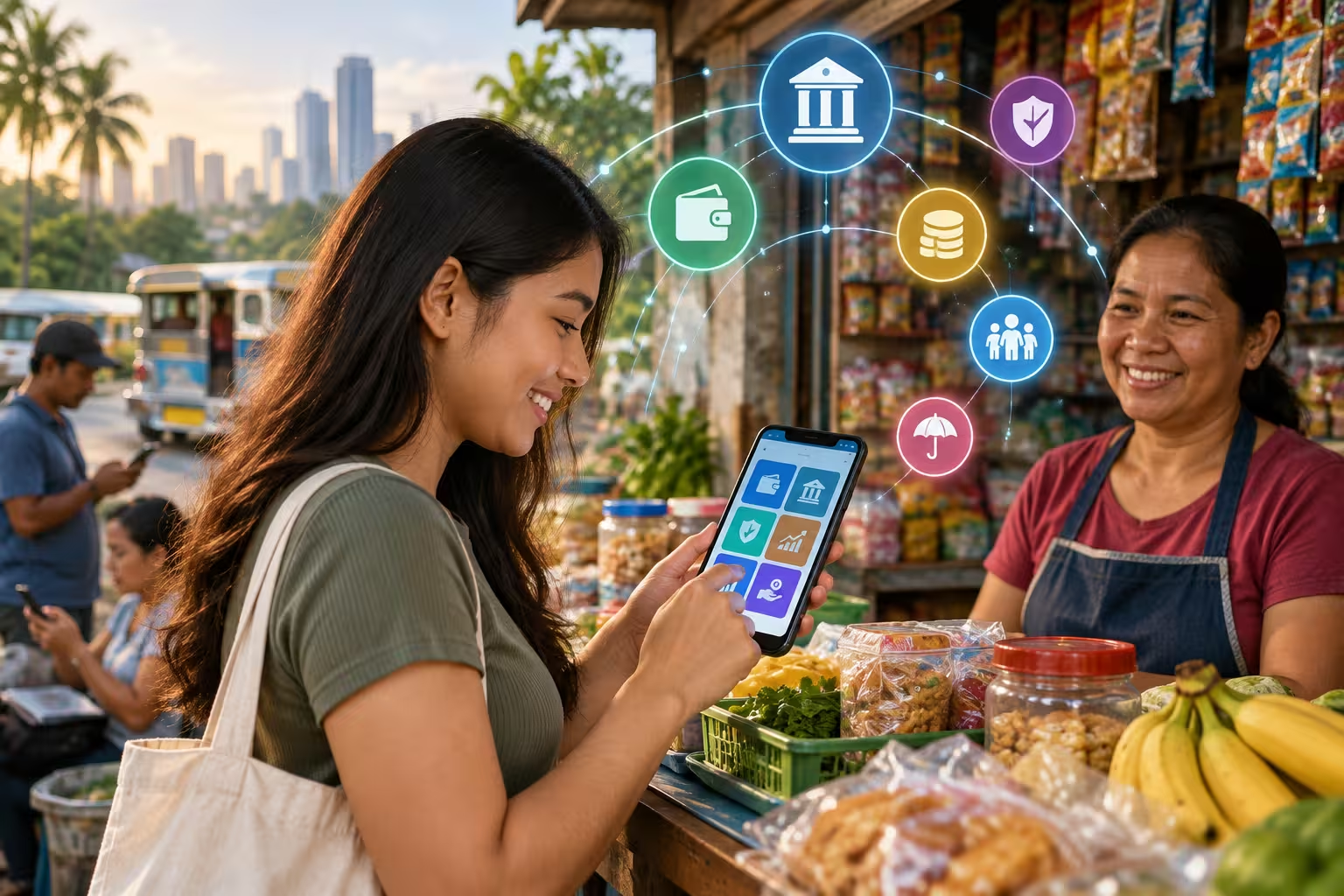
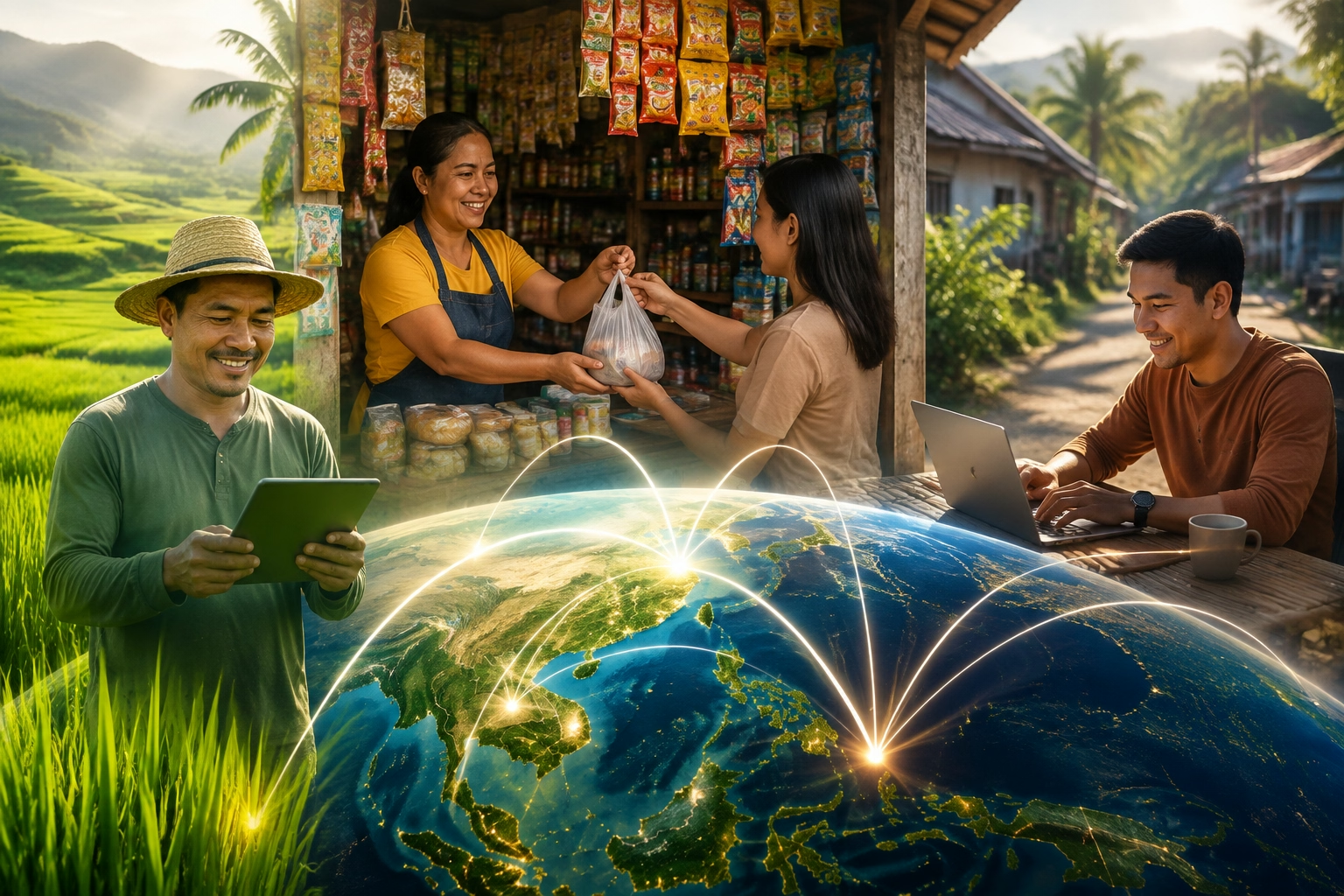
In the Philippines, microcredit has become a powerful instrument for economic empowerment, particularly for the disadvantaged and underbanked sectors of society. Microcredit involves providing small loans to individuals who do not have access to conventional banking services, allowing them to engage in income-generating activities. This financial support is particularly beneficial in rural areas where traditional financial institutions are often absent or inaccessible.
One of the most significant outcomes of microcredit in the Philippines is its positive effect on entrepreneurship. The loans provided through microcredit initiatives allow individuals to start or expand small businesses, which might otherwise be impossible without access to capital. These businesses range from retail ventures to agriculture, services, and handicrafts, and they serve as a foundation for families to build better economic futures. In turn, these businesses contribute to local economic development, generating jobs, fostering innovation, and promoting market competition.
A critical aspect of microcredit in the Philippines is its focus on marginalized groups, particularly women. Many microfinance institutions (MFIs) in the country target women as primary beneficiaries, offering them the opportunity to become economically independent. In rural communities, where gender inequality is often more pronounced, the ability to access microcredit empowers women to participate in the economy. This empowerment is not only beneficial for the women themselves but also for their families and communities, as it increases household income and contributes to improved living standards.
Microcredit also plays a role in community development. When individuals are empowered financially, they are more likely to reinvest their earnings back into their communities. This reinvestment can take the form of improving local infrastructure, supporting schools, or investing in public health initiatives. As a result, the impact of microcredit extends far beyond the individual borrower, contributing to the broader economic and social fabric of rural areas in the Philippines.
Additionally, microcredit enables better access to education and healthcare. By increasing household income, families can afford to send their children to school, invest in health insurance, and improve their living conditions. This holistic improvement in the quality of life is essential for long-term economic growth and social development.
While microcredit offers numerous benefits, it is not without its challenges. High-interest rates, although necessary for the sustainability of microfinance institutions, can sometimes burden borrowers. Moreover, there is a need for better financial education to ensure that recipients of microcredit loans can manage their finances effectively and avoid falling into debt traps.
Despite these challenges, microcredit remains a key player in promoting economic welfare in the Philippines. By continuing to address these issues, the country can unlock even greater potential for its citizens, particularly those in rural and underserved areas, to thrive financially.