The fintech industry in the Philippines has witnessed rapid growth in recent years, as startups continue to disrupt traditional financial services. As one of the most populous countries in Southeast Asia, the Philippines presents significant opportunities for fintech companies to address a number of pressing challenges, including financial inclusion, accessibility, and affordability of services. The combination of a large unbanked population, a youthful demographic, and increasing smartphone usage makes the Philippines a prime destination for fintech innovation.
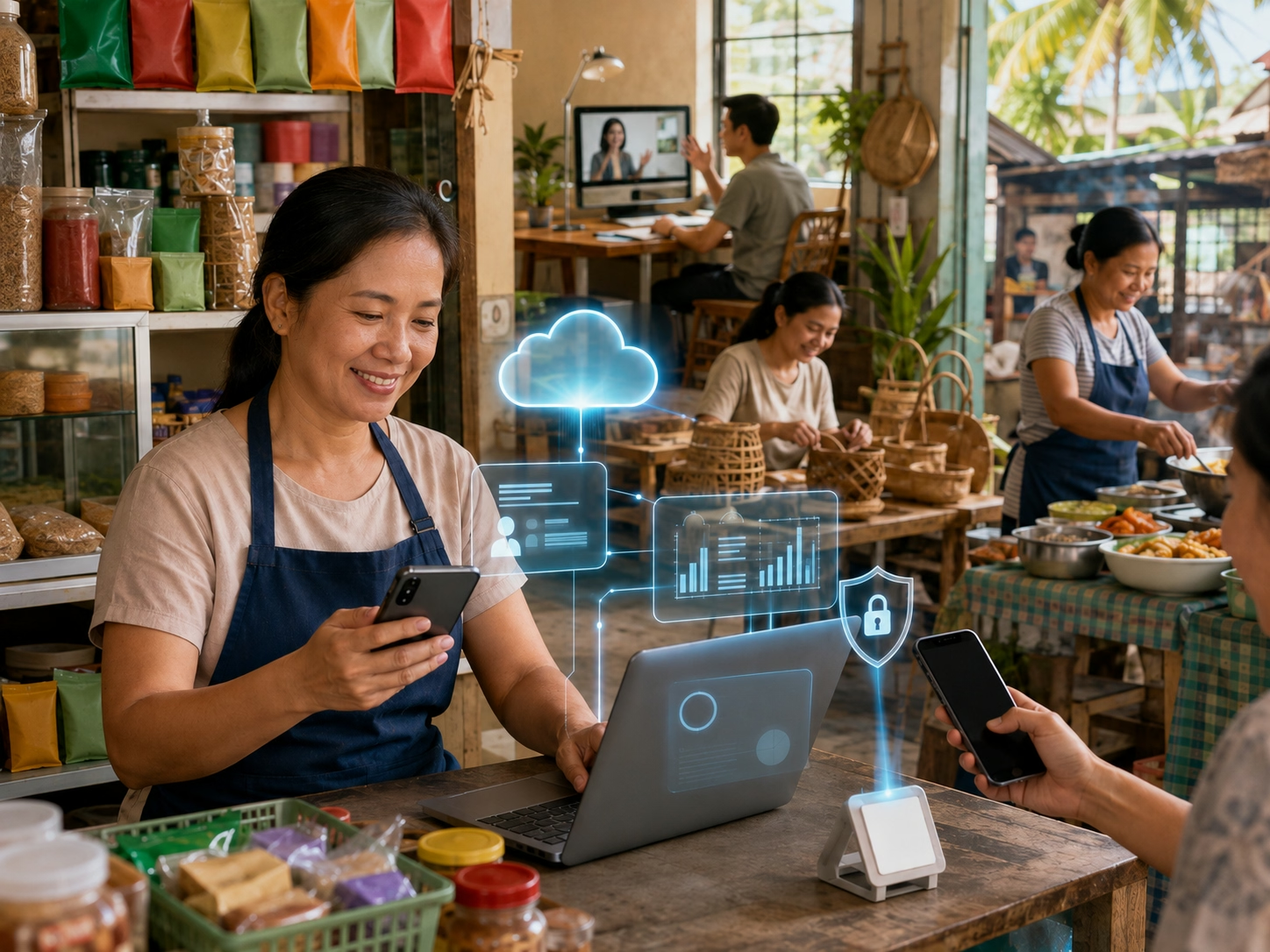
Financial inclusion has long been a challenge in the Philippines, with millions of Filipinos lacking access to traditional banking services. According to the Asian Development Bank, about 50 million Filipinos are unbanked, and many others face limited access to credit, insurance, and other financial products. Fintech startups are bridging this gap by providing digital financial solutions that cater to underserved populations, including those living in remote areas and those without formal bank accounts.
A key area where fintech startups have made significant strides is mobile payments. In the Philippines, mobile wallets like GCash and PayMaya have gained widespread adoption, enabling users to send money, pay bills, shop online, and even access loans through their smartphones. These services have proven especially beneficial in the wake of the COVID-19 pandemic, as they provide a safer, contactless way for Filipinos to conduct financial transactions.
In addition to mobile payments, fintech startups in the Philippines have also disrupted traditional lending practices. Companies like Tala and Cashalo are offering digital microloans to individuals who lack access to traditional credit. By using alternative data sources such as mobile phone usage and online activity, these startups are able to assess creditworthiness and provide loans to people who would otherwise be excluded from the financial system.
Another important aspect of the fintech revolution in the Philippines is the rise of insurtech. Traditional insurance providers have often struggled to offer affordable and accessible products to the general population, particularly in rural areas. However, insurtech companies like Singlife and GoBear are leveraging technology to simplify the insurance process, reduce costs, and offer more flexible and affordable policies. By making insurance more accessible and user-friendly, these companies are helping to increase the financial security of Filipinos.
The role of the Philippine government in supporting fintech startups cannot be overstated. The Bangko Sentral ng Pilipinas (BSP) has been actively promoting financial inclusion through initiatives like the Digital Payment Transformation Roadmap, which aims to convert 50% of the country’s total payments into digital form by 2023. The BSP has also worked to establish a regulatory framework that encourages innovation while ensuring the security and stability of the financial system. This proactive approach has created an environment where fintech startups can thrive.
Despite the significant progress made, challenges remain for the fintech industry in the Philippines. Cybersecurity threats, data privacy concerns, and the need for more digital literacy are some of the key obstacles that fintech startups must overcome. Additionally, there is a need for continued collaboration between the public and private sectors to develop comprehensive policies that support sustainable growth and innovation.
Nonetheless, the future of fintech in the Philippines looks promising. As technology continues to evolve and the demand for digital financial services grows, fintech startups are well-positioned to drive the next wave of financial inclusion in the country. By continuing to innovate and addressing the needs of underserved populations, these startups will play a crucial role in transforming the Philippine financial landscape.