

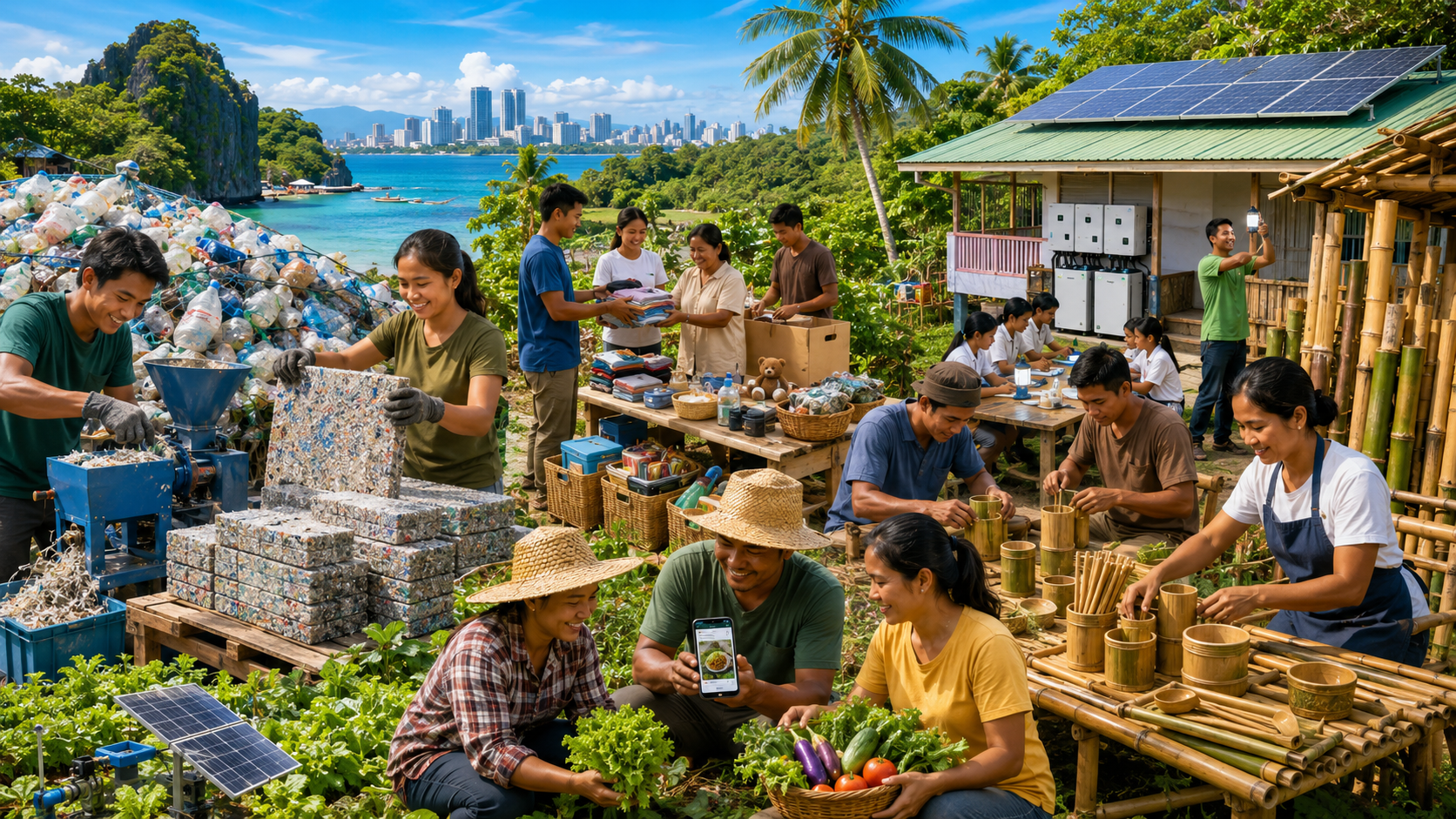
The environmental startup scene in the Philippines is becoming more relevant as the country faces serious ecological challenges. Plastic pollution, rising temperatures, flooding, waste disposal problems, and inefficient supply chains affect both large cities and island communities. These issues have encouraged entrepreneurs to build technology-driven businesses that solve environmental problems while also supporting jobs, livelihoods, and long-term resilience.
A major focus of Philippine environmental startups is the circular economy. Instead of following the traditional pattern of producing, consuming, and throwing away, circular businesses try to keep materials useful for as long as possible. Humble Sustainability is an example of this approach. Through a digital platform, it helps companies handle surplus goods, unsold products, and returned items. These products can then be resold, donated, or redirected instead of being discarded. This reduces unnecessary waste and helps businesses become more responsible with their inventory.
Plastic waste is another urgent issue. In many parts of the Philippines, plastic packaging ends up in rivers, streets, drainage systems, and coastal waters. Green Antz Builders addresses this problem by converting plastic waste into construction materials such as eco-bricks and pavers. This type of innovation is powerful because it creates demand for waste materials that would otherwise have little value. It also encourages communities and companies to participate in collection systems.
Sustainable product startups are also growing. Bamboo-based enterprises, including Bambuhay, show how local materials can replace harmful single-use plastics. Bamboo is widely available, fast-growing, and useful for many consumer products. When made into items such as straws, toothbrushes, and packaging, it becomes part of a broader movement toward low-waste living. These businesses often combine environmental work with social impact by creating income opportunities for local communities.
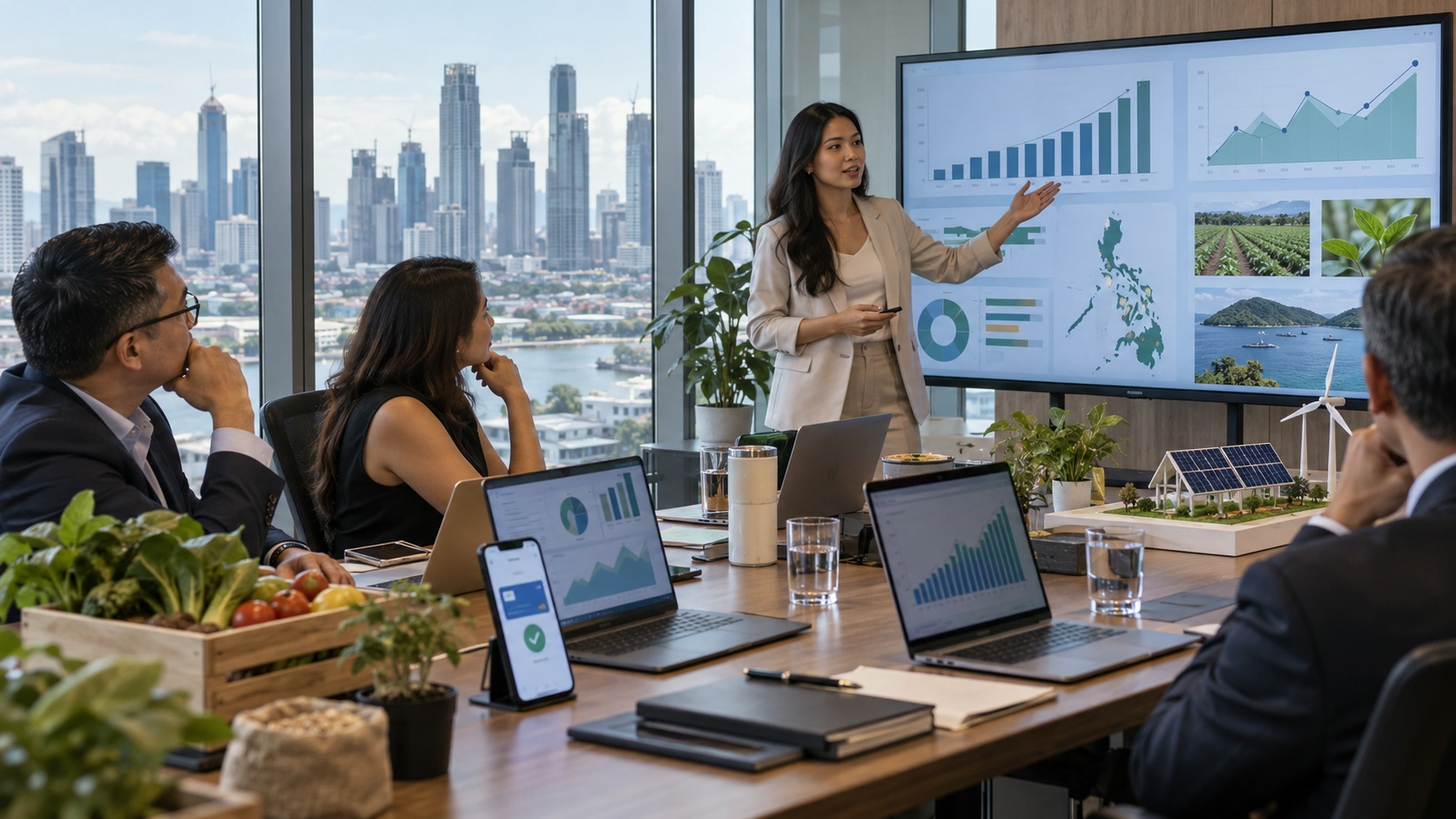
Food and agriculture technology can also contribute to environmental protection. In the Philippines, small farmers often face problems related to market access, spoilage, and inefficient distribution. Digital platforms that connect farmers, buyers, and logistics providers can help reduce food waste and improve the movement of goods. Better agricultural supply chains mean fewer wasted crops, more predictable income for farmers, and less environmental pressure from inefficient transport and storage.
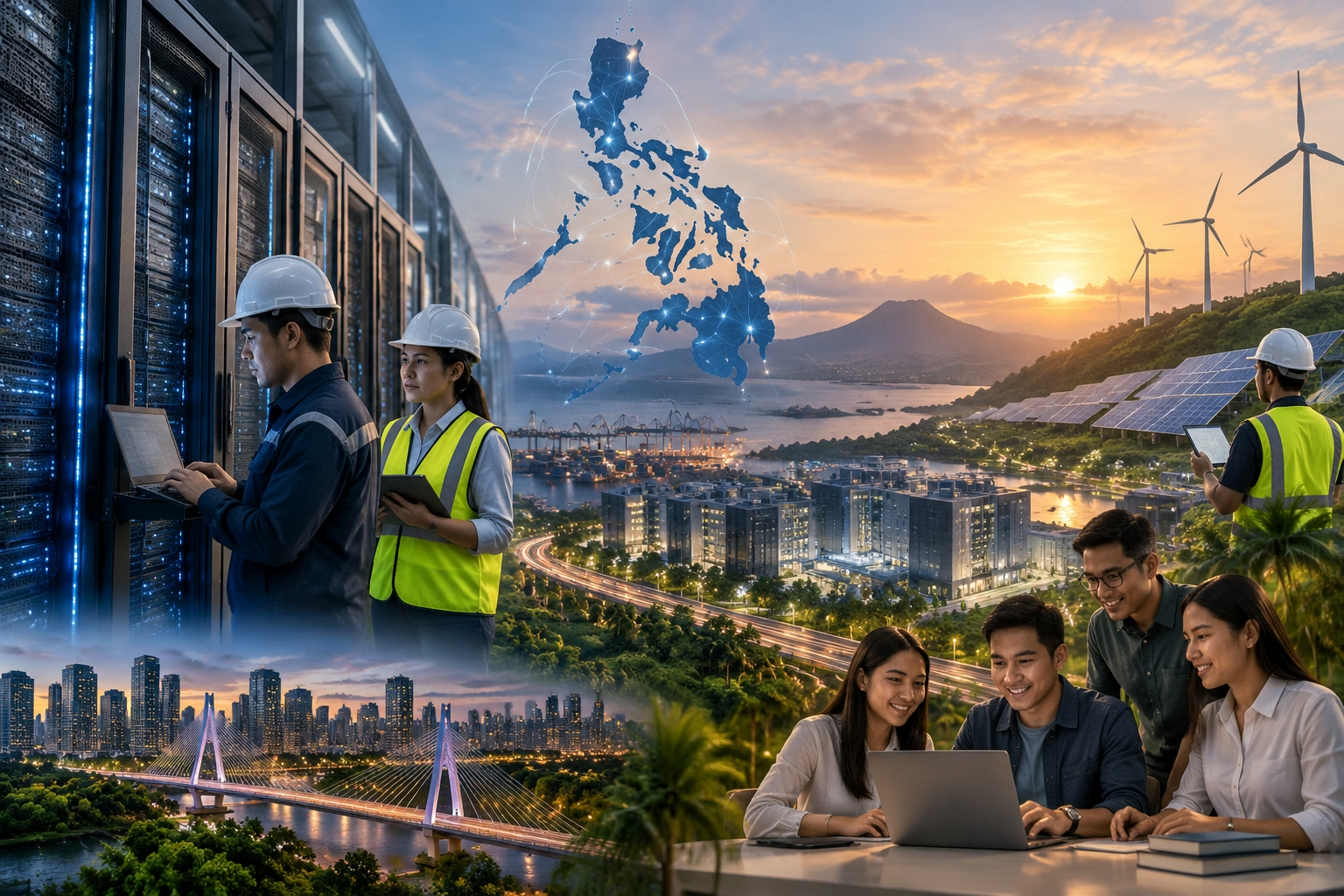
Clean energy startups and technology-enabled energy projects are another important part of the landscape. Solar solutions, energy-efficient systems, and off-grid power tools are especially useful in remote areas where electricity is expensive or unreliable. In an archipelago, centralized infrastructure is often difficult to deliver to every community. Clean, decentralized energy systems can help households, schools, and small businesses operate with lower emissions and greater independence.
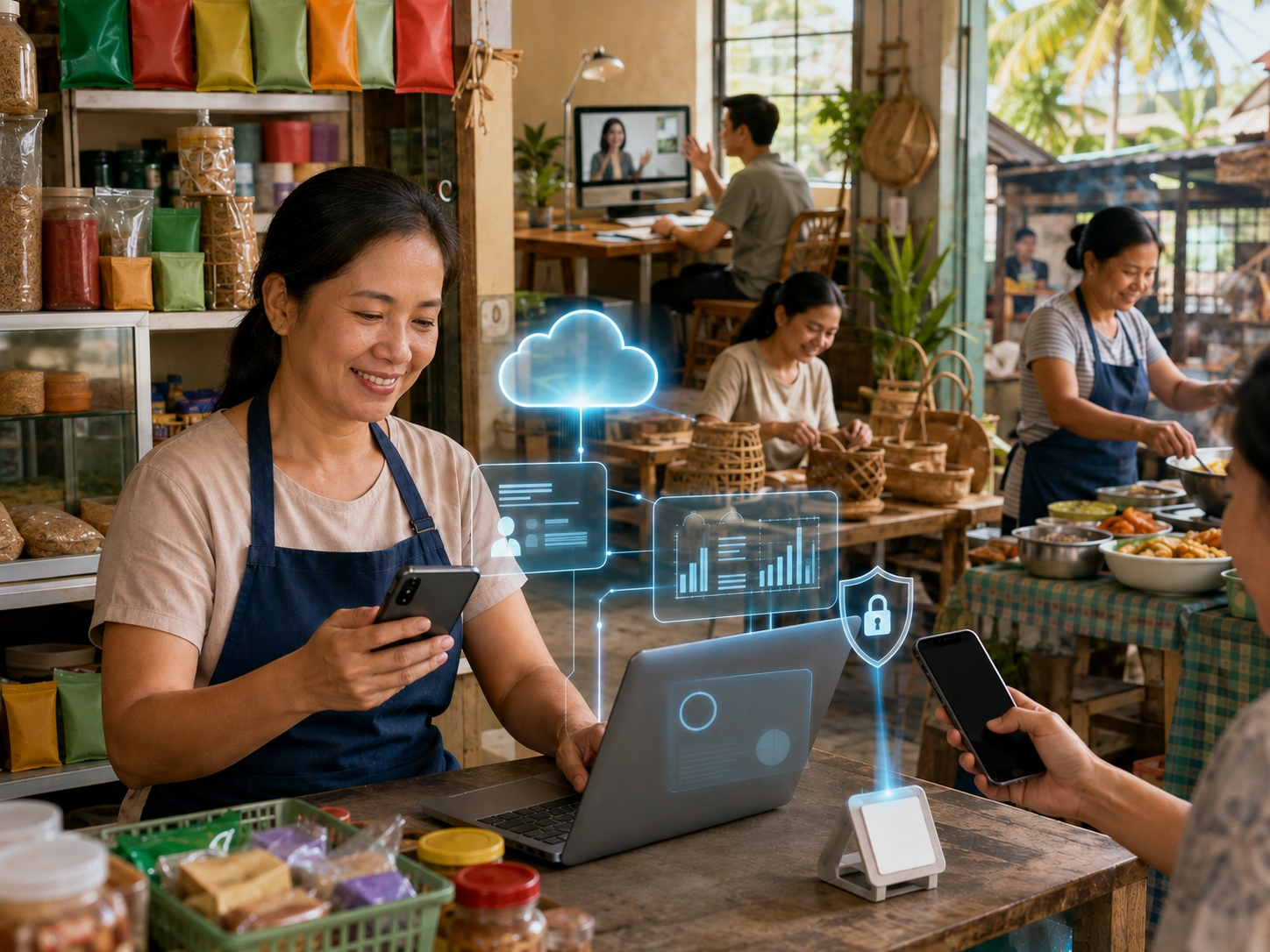
The strength of Philippine environmental startups comes from their practical design. Many founders understand that solutions must be affordable, easy to use, and suitable for local conditions. A waste management system that works in a wealthy city may not work in a barangay with limited collection services. A farming app must consider smallholder realities. A clean energy solution must function during storms and power interruptions.
As public awareness of climate change grows, green startups in the Philippines have a chance to influence both business culture and everyday habits. Their work shows that environmental protection is not only a government responsibility. It can also be a field for innovation, entrepreneurship, and community-building.





Leave a Reply