

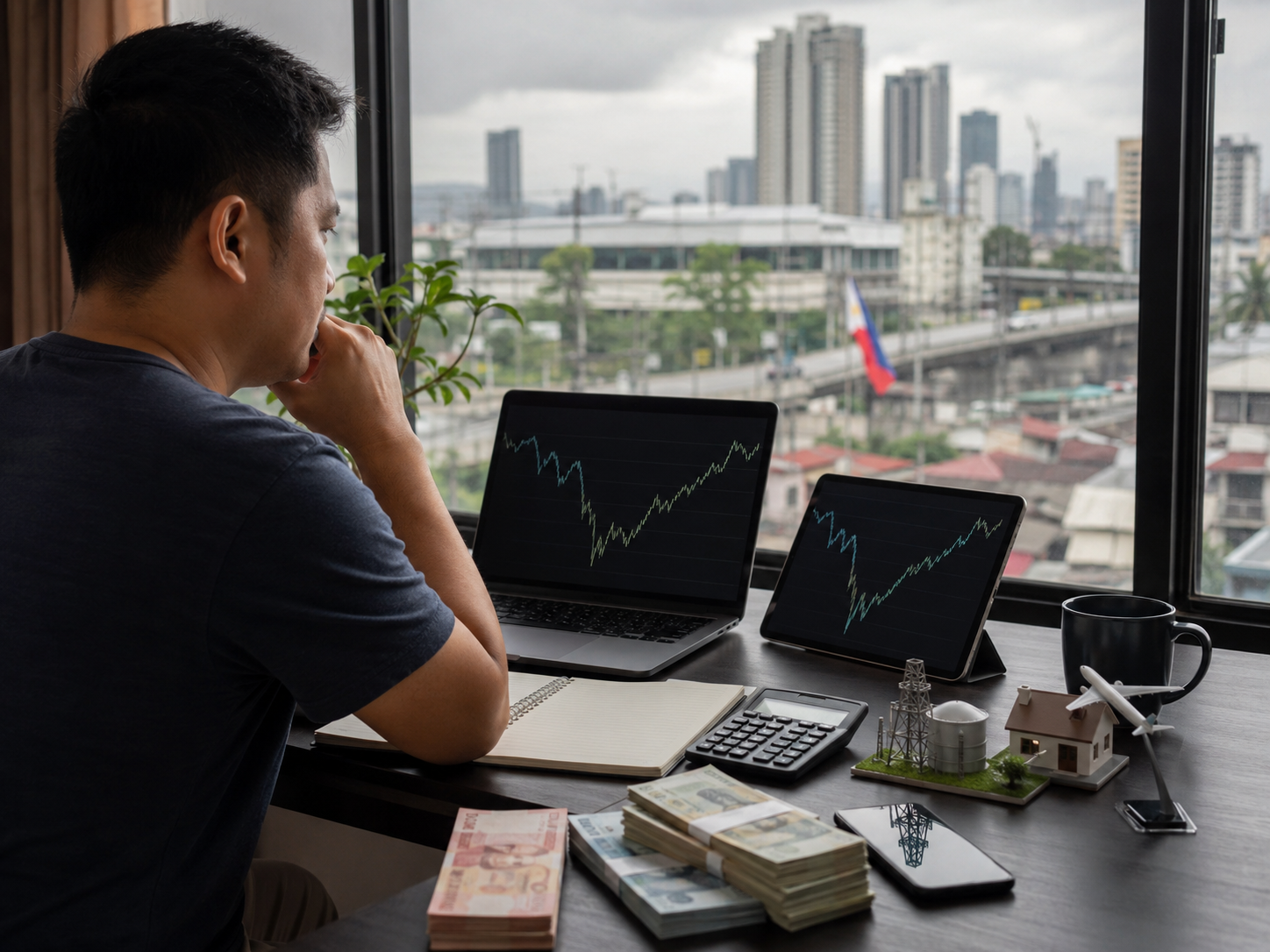
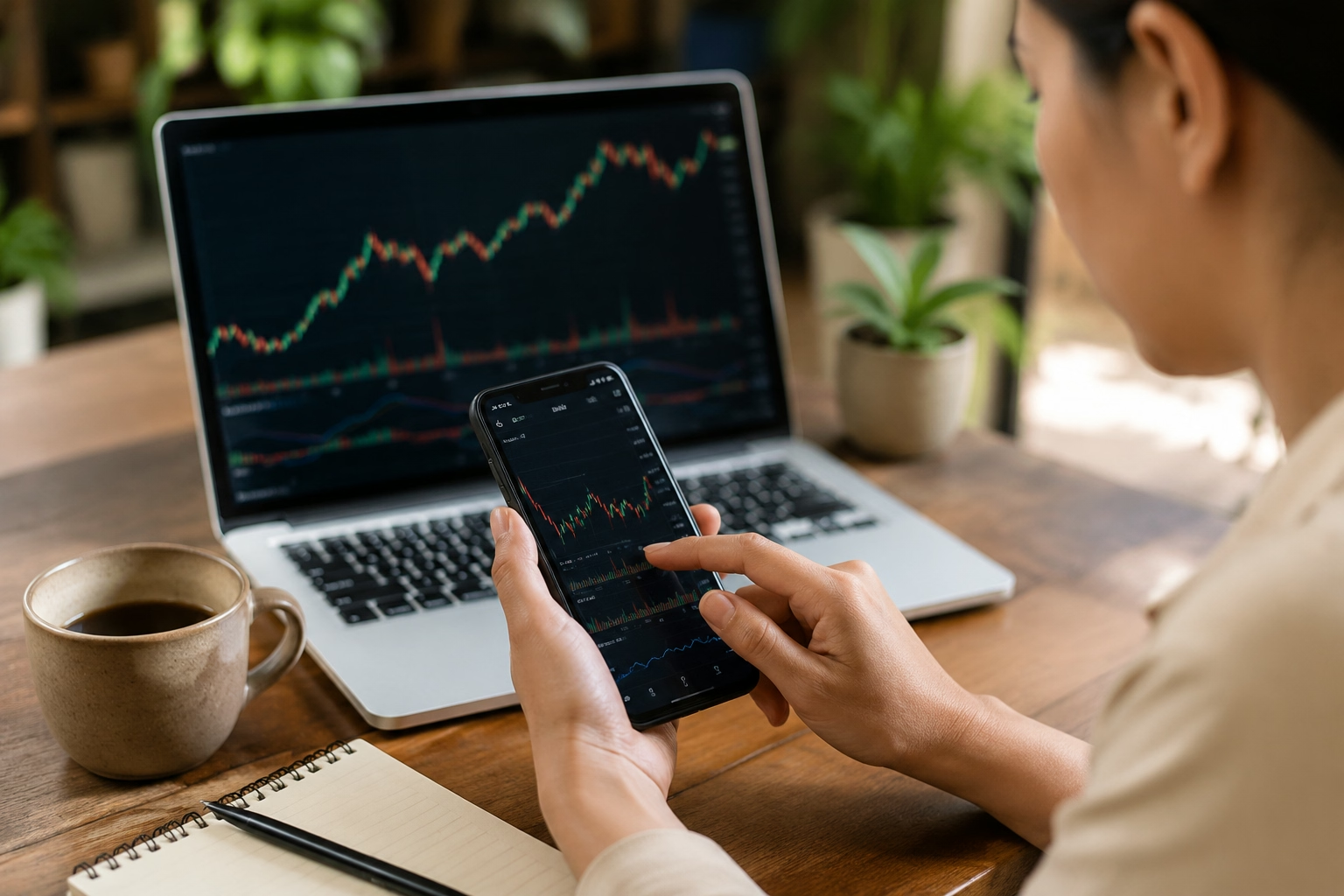
The COVID-19 crisis produced one of the most dramatic shifts in Philippine investing history. While the initial market collapse triggered widespread fear, the months that followed encouraged more Filipinos to explore online stock trading.
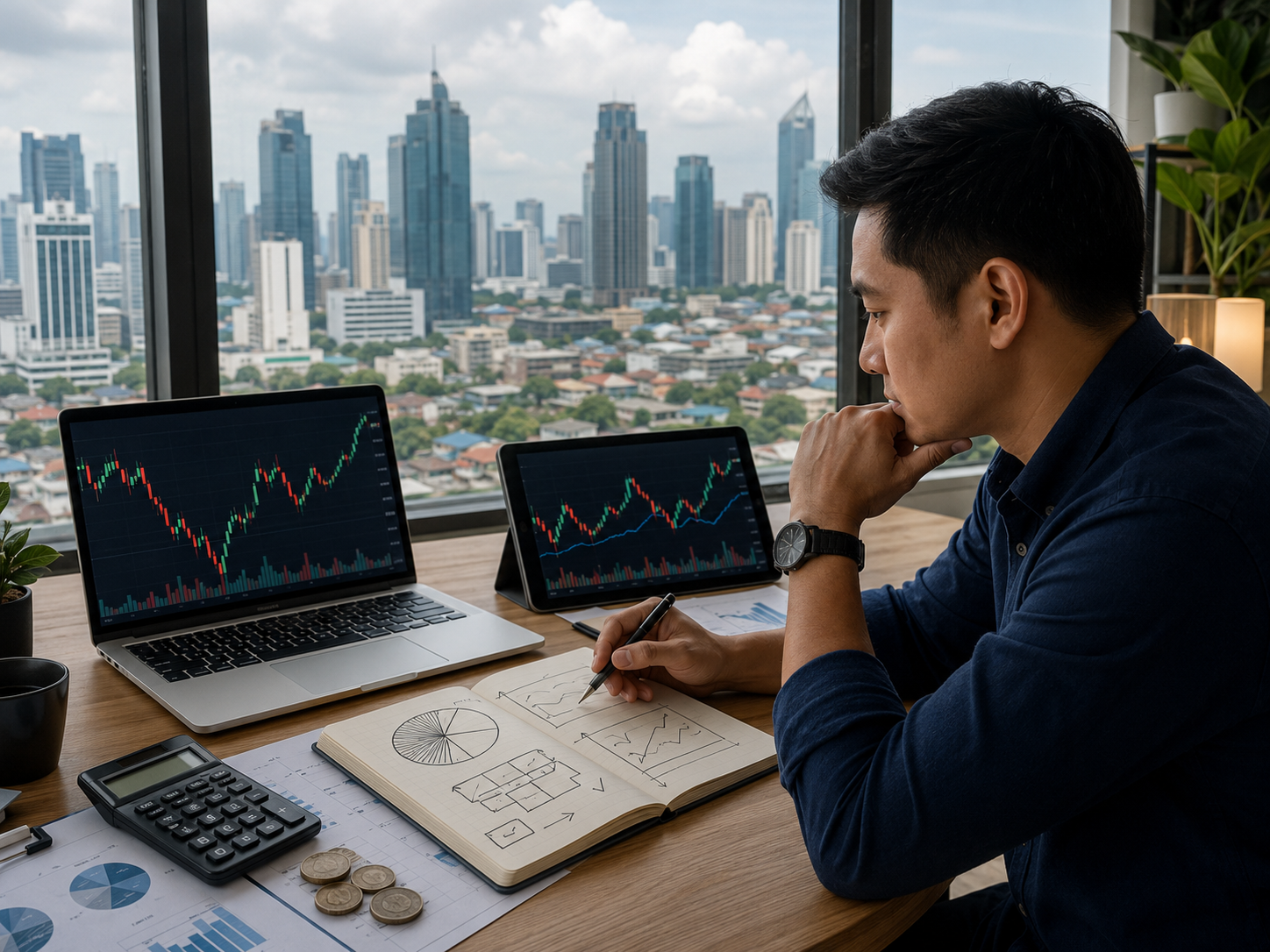
Lockdowns limited access to bank branches, brokerage offices, and traditional financial services. At the same time, people spent more hours online and became increasingly exposed to financial content through social media, video platforms, investment communities, and mobile applications.
This environment lowered the psychological barrier to entering the stock market. Investors who previously believed equities were accessible only to wealthy individuals could open online brokerage accounts and begin with relatively small amounts of capital.
Market information and official disclosures remain available through the Philippine Stock Exchange website, where investors can review company announcements, trading data, and educational resources.
Volatility Attracted Both Investors and Speculators
The steep decline in Philippine share prices during March 2020 created the impression that many well-known companies were available at unusually low valuations.
Some investors purchased shares based on long-term expectations of economic reopening. Others entered the market because rapid price movements appeared to offer opportunities for short-term profit.
The difference between investing and speculation became increasingly important. Investors who studied earnings, debt levels, industry conditions, and cash flow were operating with a measurable framework. Traders who followed rumors or social-media recommendations often had little protection when prices reversed.
Cheap Shares Were Not Always Good Investments
A stock trading far below its previous price could still be expensive if its earnings had deteriorated severely. Airlines, hotels, restaurants, gaming companies, and commercial property businesses faced prolonged uncertainty because their operations depended on mobility and consumer traffic.
By contrast, some companies with higher share-price valuations remained attractive because they had strong balance sheets, defensive revenue, or exposure to digital growth.
The crisis therefore taught investors to evaluate business quality instead of assuming that every large price decline represented a bargain.
Low Interest Rates Influenced Investment Decisions
The Bangko Sentral ng Pilipinas reduced interest rates and introduced liquidity-support measures during the pandemic. Lower returns on traditional savings products encouraged some individuals to consider equities, bonds, and real estate investment trusts.
The listing of AREIT in 2020 also expanded interest in dividend-oriented securities. REITs offered a structure through which investors could gain exposure to income-generating real estate without purchasing an entire property.
However, the search for yield also created new risks. Investors sometimes focused on dividend percentages without examining whether rental income, occupancy, and cash distributions were sustainable.
Digital Access Improved Participation but Increased Behavioral Risk
Online trading made investment participation faster and more convenient. It also made emotional decisions easier to execute.
During periods of market stress, an investor could sell an entire position within seconds. During speculative rallies, the same investor could purchase a rapidly rising stock without reading its disclosures.
This combination of access and speed magnified behavioral biases such as fear of missing out, panic selling, overconfidence, and herd behavior.
Responsible digital investing therefore requires rules. Position limits, written investment reasons, target valuations, and predetermined risk levels can reduce the influence of emotional market movements.
The Lasting Lesson for Investors in 2026
The pandemic democratized access to Philippine equities, but access alone does not guarantee better financial outcomes.
Investors entering the market in 2026 can learn from those who experienced both the 2020 collapse and the subsequent rebound. The most durable advantages came from financial literacy, patience, diversification, and the ability to separate verified disclosures from online speculation.
Technology may continue to change how Filipinos trade, but the basic principles remain unchanged. Investors still need to understand what they own, why they own it, and how much they can afford to lose during an unexpected market shock.

Leave a Reply