


For many Filipino households, the stock market used to mean speculative trading in blue chips. By 2026, a different narrative has taken hold: investing for dividends through real estate investment trusts. REITs have become one of the most effective on-ramps for retail investors seeking income-generating assets on the Philippine Stock Exchange.
Why REITs Appeal to First-Time Filipino Investors
REITs solve a specific problem: they allow ordinary Filipinos to own a slice of commercial properties—office towers, malls, industrial parks—without needing millions of pesos. Philippine REIT rules require the distribution of at least 90 percent of distributable income to shareholders. This high payout ratio gives investors visible, recurring cash flow. Compared with the unpredictable price movements of ordinary stocks, a REIT’s dividend stream provides a more intuitive entry point. The success of AREIT, the country’s first REIT listed in 2020, showed that retail demand could be sustained by quarterly dividends rather than short-term price appreciation. Other names such as RCR, MREIT, and CREIT have followed.
The Dividend Reinvestment Cycle and Market Depth
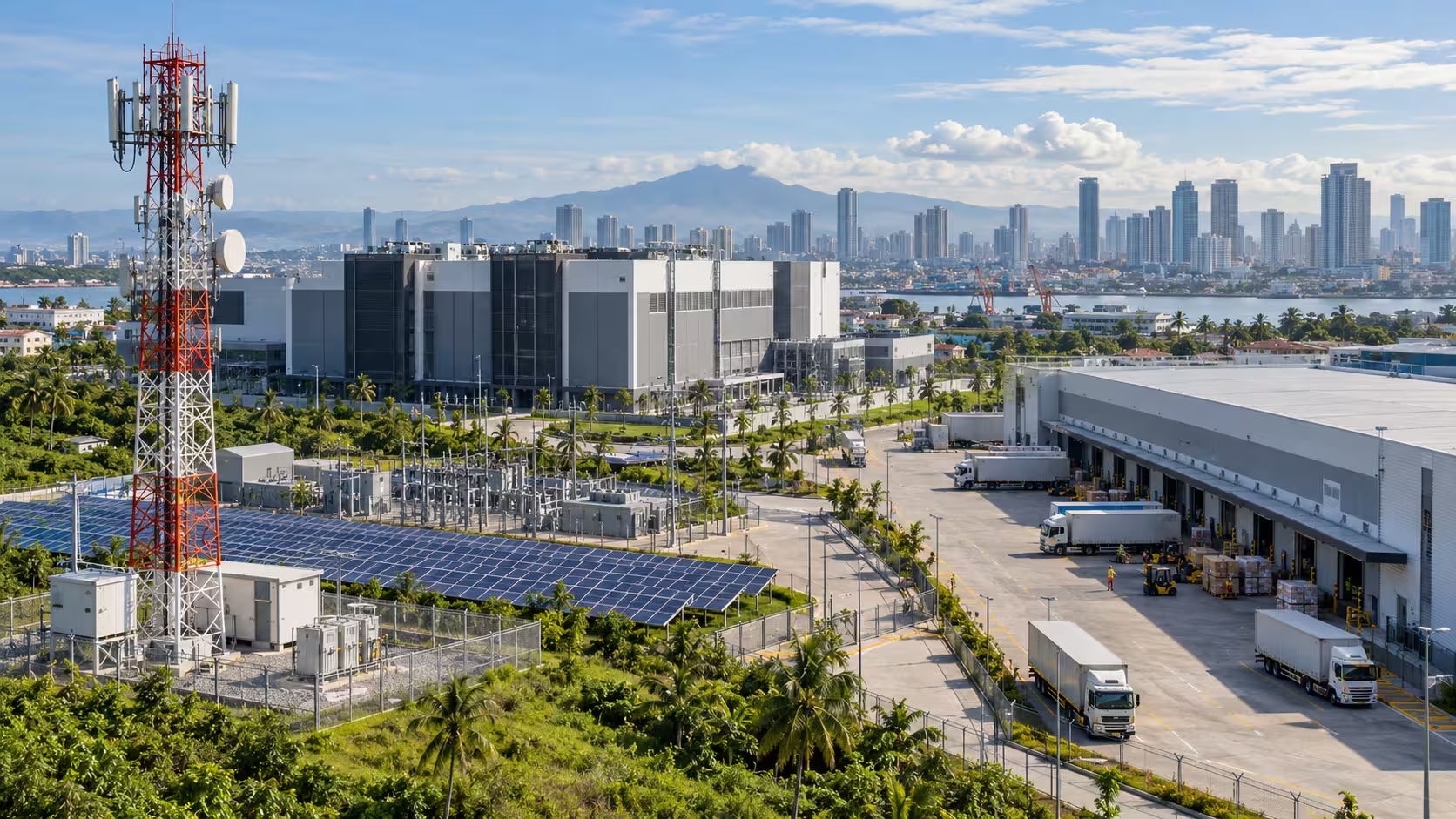
Retail investors who receive dividends often reinvest them into additional shares. This creates a slow but steady compounding effect. On the PSE, this behavior deepens market liquidity because reinvestment increases the number of buy orders spread throughout the year. The Philippine Stock Exchange’s REIT sector directory, accessed August 2026, shows an expanded REIT sector that now covers logistics, data centers, and hospitality assets. That diversification allows retail investors to build a property-linked portfolio without direct real estate ownership.
A Real Case: AREIT and the Mall REIT Wave
How a Modest Investment Changed the Conversation
AREIT’s listing marked a turning point. It demonstrated that a small investor could buy into Ayala Land’s commercial assets with a modest sum. The success encouraged the SEC and PSE to approve more REIT listings, including those backed by Robinsons, Megaworld, and Vista Land. For retail investors, the appeal is straightforward: a mall REIT pays dividends partly funded by tenants’ rent. As long as malls and offices remain occupied, shareholders receive a share of that cash flow. This is easier to understand than complex growth metrics.
How Retail Appetite Shapes REIT Valuations and New Listings
Retail demand has made REITs more liquid, reducing the cost of capital for property developers. When developers see strong retail uptake, they are more willing to list new REIT vehicles or inject additional assets into existing ones. This creates a positive feedback loop: more retail capital lowers the spread between property yields and REIT yields, making it attractive for sponsors to grow the sector. The 2026 PSE data show that REITs have become a major component of retail-heavy portfolios, especially among investors who prioritize passive income.
The structural appeal of Philippine REITs suggests that retail investors are not simply trading real estate exposure; they are building long-term savings vehicles. As the sector expands into modern infrastructure assets, this dividend-first behavior will likely keep new capital flowing into the PSE.









Leave a Reply