Micro, Small, and Medium Enterprises (MSMEs) are crucial to the economic health of the Philippines, representing the vast majority of businesses and contributing significantly to job creation and economic development. Despite their importance, MSMEs in the country face numerous barriers that limit their growth. However, there are also ample opportunities for improvement, provided that key challenges are addressed strategically. This article delves into both the hurdles and the potential avenues for growth available to MSMEs in the Philippines.
MSMEs’ Economic Impact in the Philippines
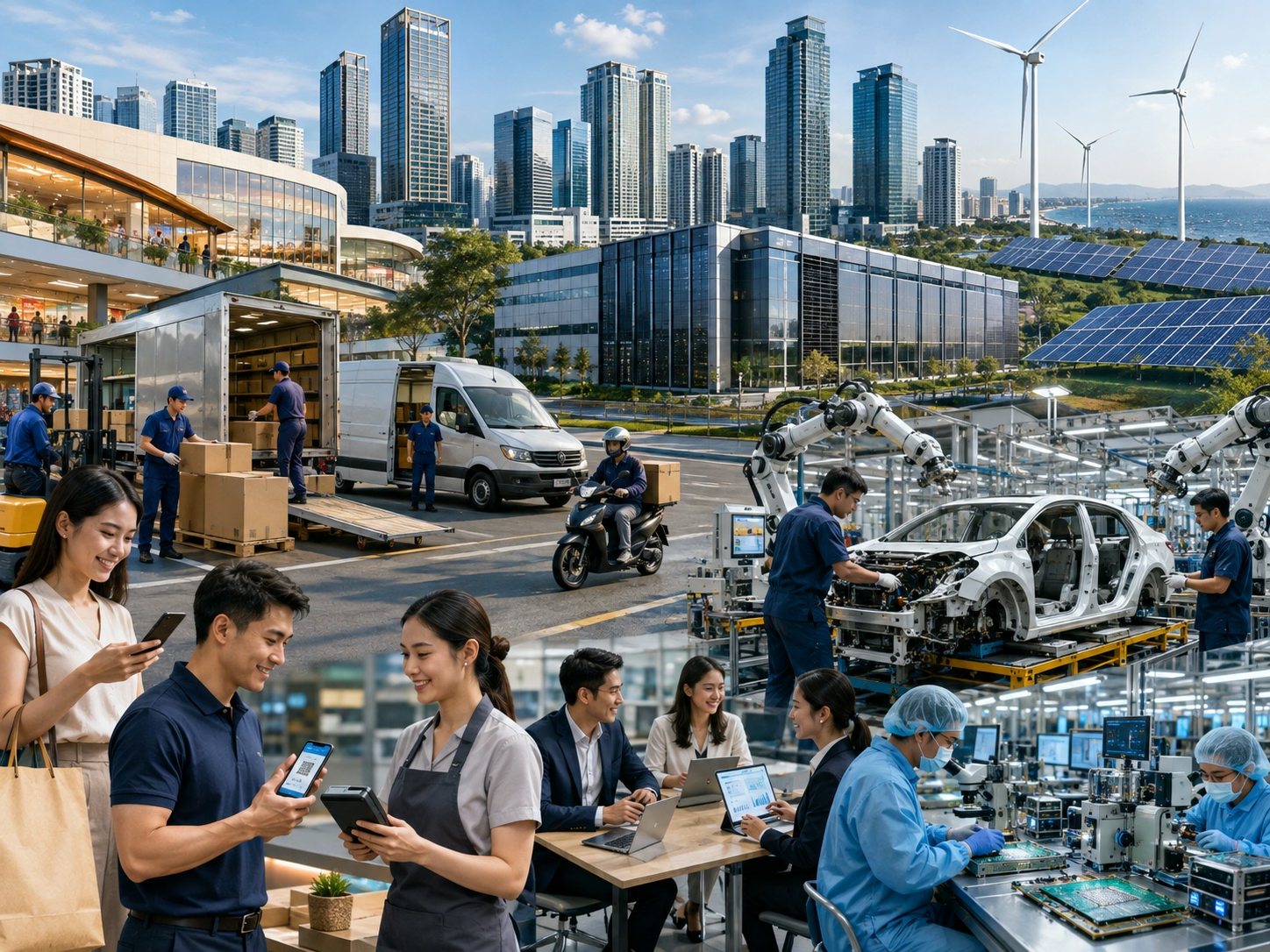
The role of MSMEs in the Philippines cannot be overstated. These businesses account for about 99.5% of all registered businesses in the country and provide employment for a large portion of the workforce. From small retail shops to innovative tech startups, MSMEs contribute greatly to local economies, particularly in regional areas where they serve as the main source of livelihood for many families. As such, MSMEs not only drive economic growth but also contribute to the social and cultural development of their communities.
Despite their importance, MSMEs face challenges that affect their ability to scale and remain competitive. Understanding these challenges is key to unlocking their potential and ensuring long-term economic stability for the Philippines.
Challenges Confronting MSMEs
One of the major obstacles for MSMEs in the Philippines is their limited access to financing. Small businesses are often considered high-risk by traditional banks, resulting in high rejection rates for loan applications. Without proper access to credit or funding, MSMEs struggle to make necessary investments in infrastructure, human resources, and technology, which ultimately impedes their growth.
In addition to financial difficulties, many MSMEs face challenges related to government regulations. Bureaucratic inefficiencies and complicated procedures can delay business operations and lead to higher operational costs. For instance, obtaining permits and complying with tax regulations can be time-consuming and expensive, especially for small business owners with limited resources.
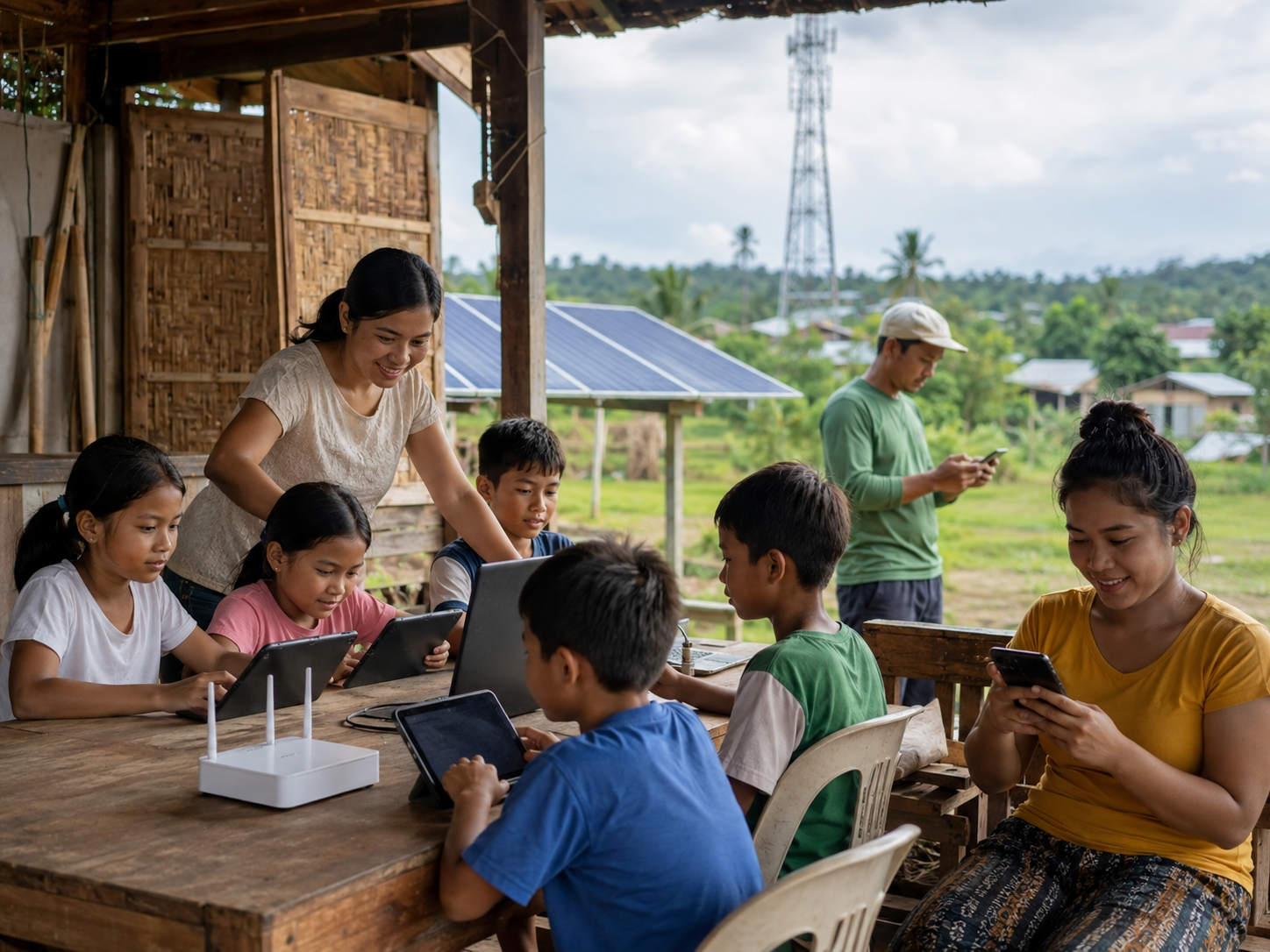
The lack of infrastructure and support systems for MSMEs is another significant issue. Many small businesses, especially those based in rural areas, lack access to modern technology, digital tools, and reliable supply chains. Without access to these resources, MSMEs are often left behind in the competitive global market, unable to take advantage of opportunities presented by digitalization and international trade.
Harnessing Opportunities for MSME Growth
Despite these challenges, MSMEs in the Philippines have several opportunities to enhance their growth prospects. One of the most promising opportunities lies in the growing digital economy. With internet access becoming more widespread, businesses have the chance to reach a broader market through e-commerce platforms and online marketing tools. By embracing digital technologies, MSMEs can increase their visibility, streamline operations, and engage with a more extensive consumer base both locally and internationally.
Additionally, the increasing global demand for sustainable products and services offers a significant opportunity for MSMEs in the Philippines. Businesses that prioritize environmental sustainability, fair trade practices, and ethical production methods can differentiate themselves in the market. This shift towards sustainability aligns with global consumer trends, and small businesses can leverage this demand to attract conscientious customers.
The government has also introduced various programs to support MSME growth, including funding initiatives, business development training, and tax incentives. These initiatives can provide small businesses with the resources they need to overcome obstacles and thrive. As part of the government’s “Ease of Doing Business” Act, simplifying administrative processes and reducing red tape can make it easier for MSMEs to operate more efficiently and reduce costs.
The Role of Collaboration and Innovation
Partnerships with other businesses, both large and small, can also provide MSMEs with the resources, expertise, and networks necessary to expand. By collaborating with larger companies, MSMEs can access new markets, benefit from supply chain efficiencies, and obtain mentorship from experienced entrepreneurs.
Innovative approaches to business models, such as social enterprises or cooperatives, can also support the growth of MSMEs by fostering a community-driven approach. These models allow businesses to pool resources, share risks, and collectively tackle challenges while pursuing common goals.
Looking to the Future
In conclusion, while MSMEs in the Philippines face several challenges, there are significant opportunities for growth and development. By embracing digital technologies, focusing on sustainable practices, and accessing available government support, small businesses can unlock new avenues for success. By addressing these challenges head-on, MSMEs can continue to contribute to the Philippine economy, ensuring their growth and sustainability for years to come.