The Philippines has emerged as one of Southeast Asia’s leading markets for digital payments, showing remarkable progress in integrating technology into its financial systems. As mobile phone usage continues to rise, and internet access expands, more Filipinos are gaining access to a variety of digital financial services, which have had a transformative effect on the country’s economic landscape.
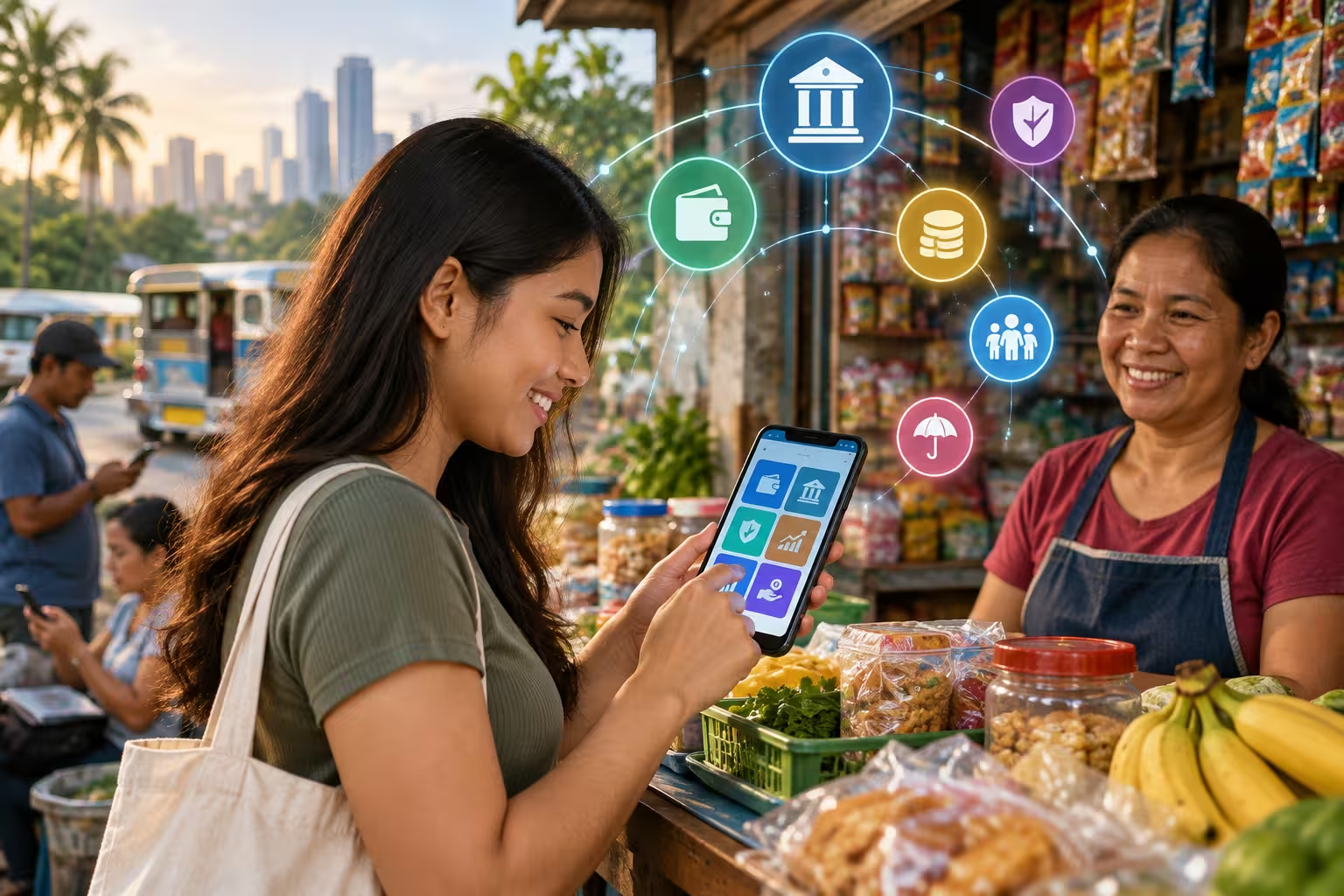
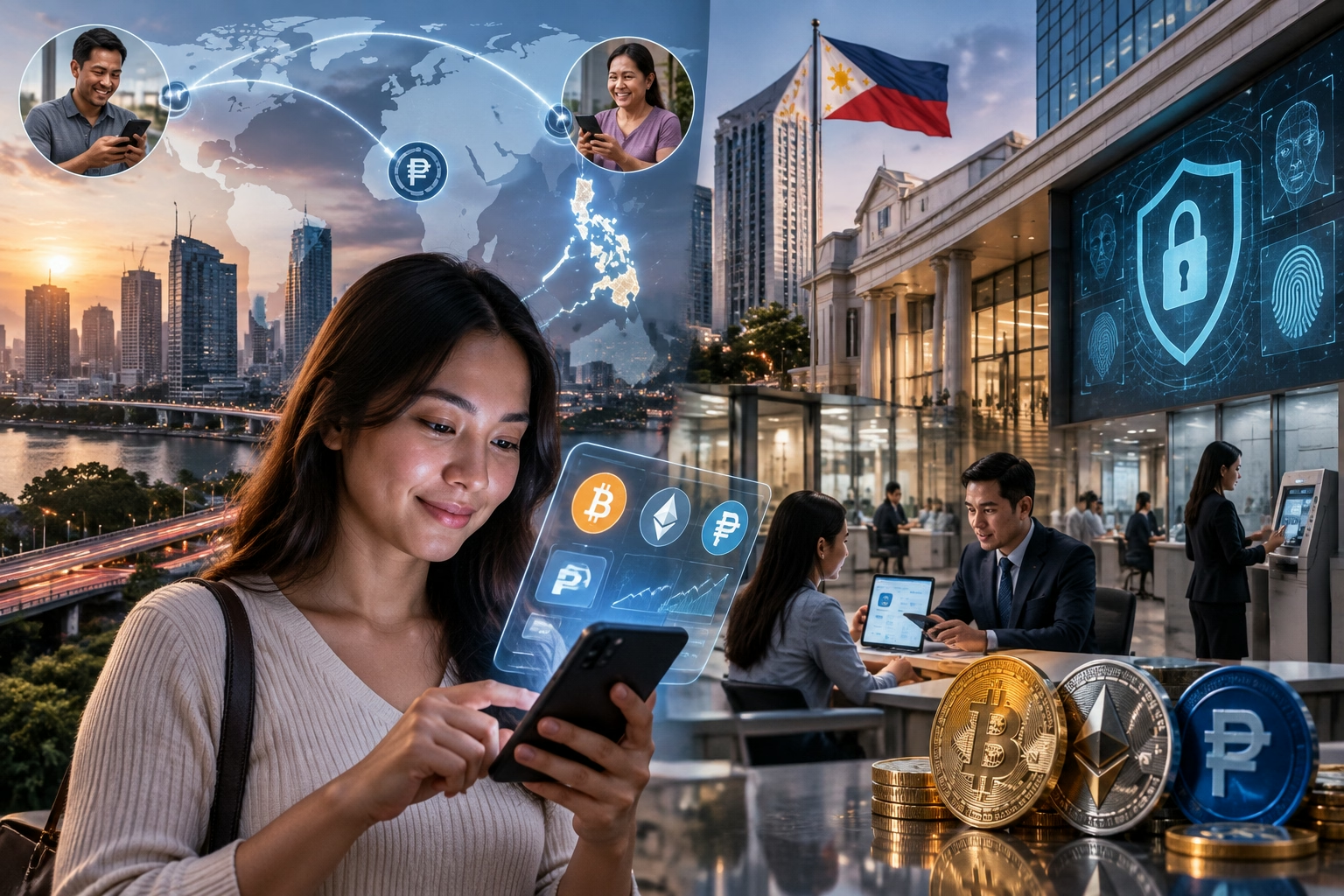
The development of digital payments has been supported by government policies that aim to enhance financial inclusion. The Bangko Sentral ng Pilipinas (BSP) has played a pivotal role in this transformation through its initiatives, such as the Digital Payment Transformation Roadmap, which aims to digitize 50% of total retail payments by 2023. These efforts have led to the proliferation of mobile wallets like GCash, PayMaya, and bank-based mobile apps that cater to a wide spectrum of financial needs.
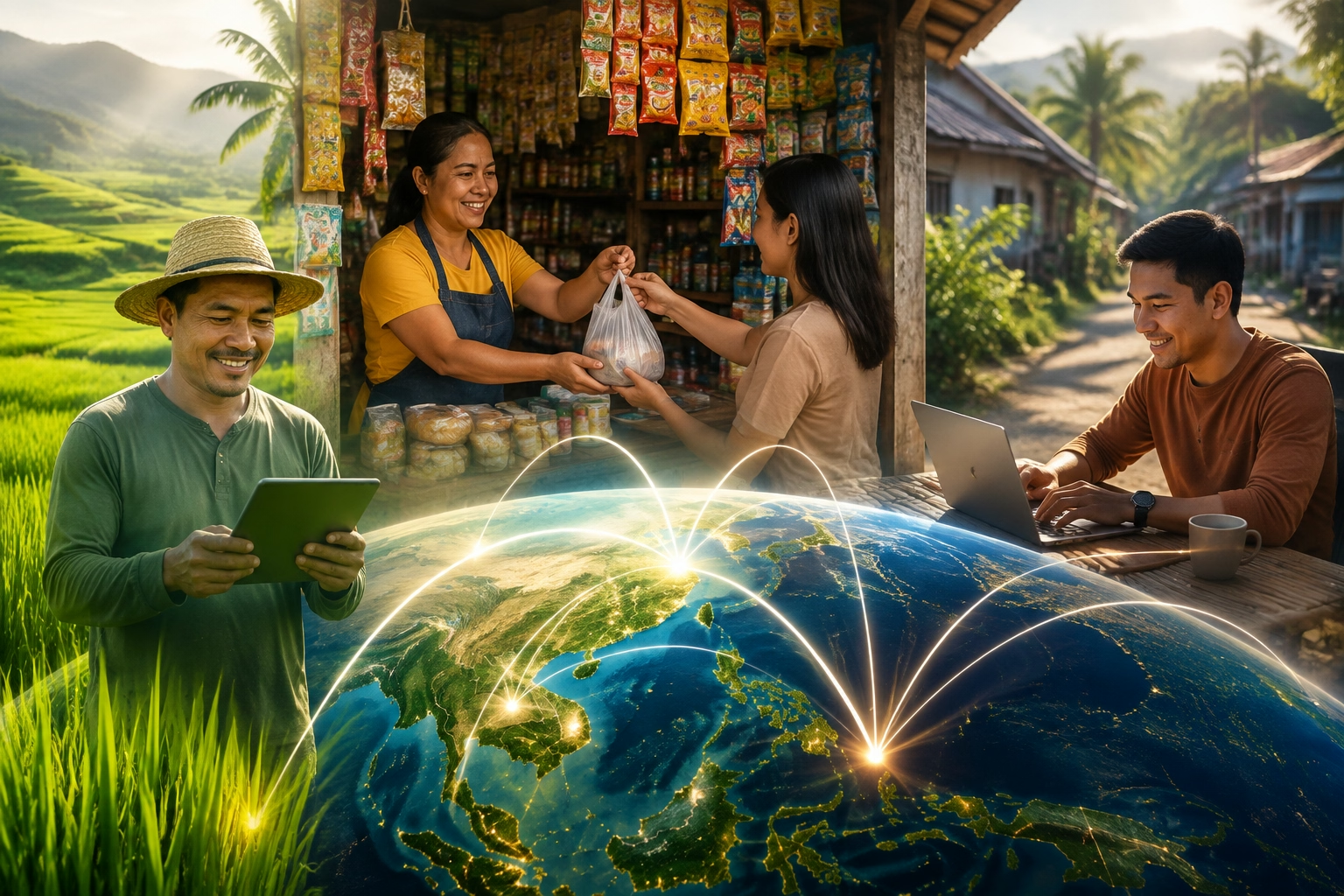
For many Filipinos, digital payment platforms have bridged the gap between them and the financial system. Before the rise of digital payments, millions of Filipinos were excluded from formal banking systems, either due to a lack of access to physical bank branches or because of the complexity of traditional banking processes. Digital payments have simplified transactions, enabling individuals in remote areas, as well as the unbanked population, to access financial services directly from their smartphones.
This access is not just limited to basic transactions. With mobile wallets, users can pay for goods and services, send money, apply for loans, and even save money—all without needing to visit a bank. This opens up new opportunities for the underserved, enabling them to save, borrow, and invest in ways that were previously unimaginable.
Small businesses in the Philippines have also benefited from the digital payment revolution. By adopting mobile payment systems, these businesses are able to increase their customer base, streamline their operations, and boost their financial security. Digital transactions provide a safe and transparent way for businesses to keep track of revenue and expenditures, helping them grow and become more competitive in an increasingly digital economy.
Despite the progress, challenges remain. The digital divide, particularly in rural areas, continues to hinder broader adoption. While urban centers have seen a significant increase in digital payments, there is still a considerable portion of the population without reliable internet or smartphone access. To address this issue, continued investment in digital infrastructure and financial literacy programs is crucial.
Nonetheless, the rise of digital payments in the Philippines has undoubtedly contributed to greater financial inclusion. The ability to conduct transactions without relying on cash has opened up numerous economic opportunities for both individuals and businesses, positioning the Philippines as a leader in the digital payment space within the region.