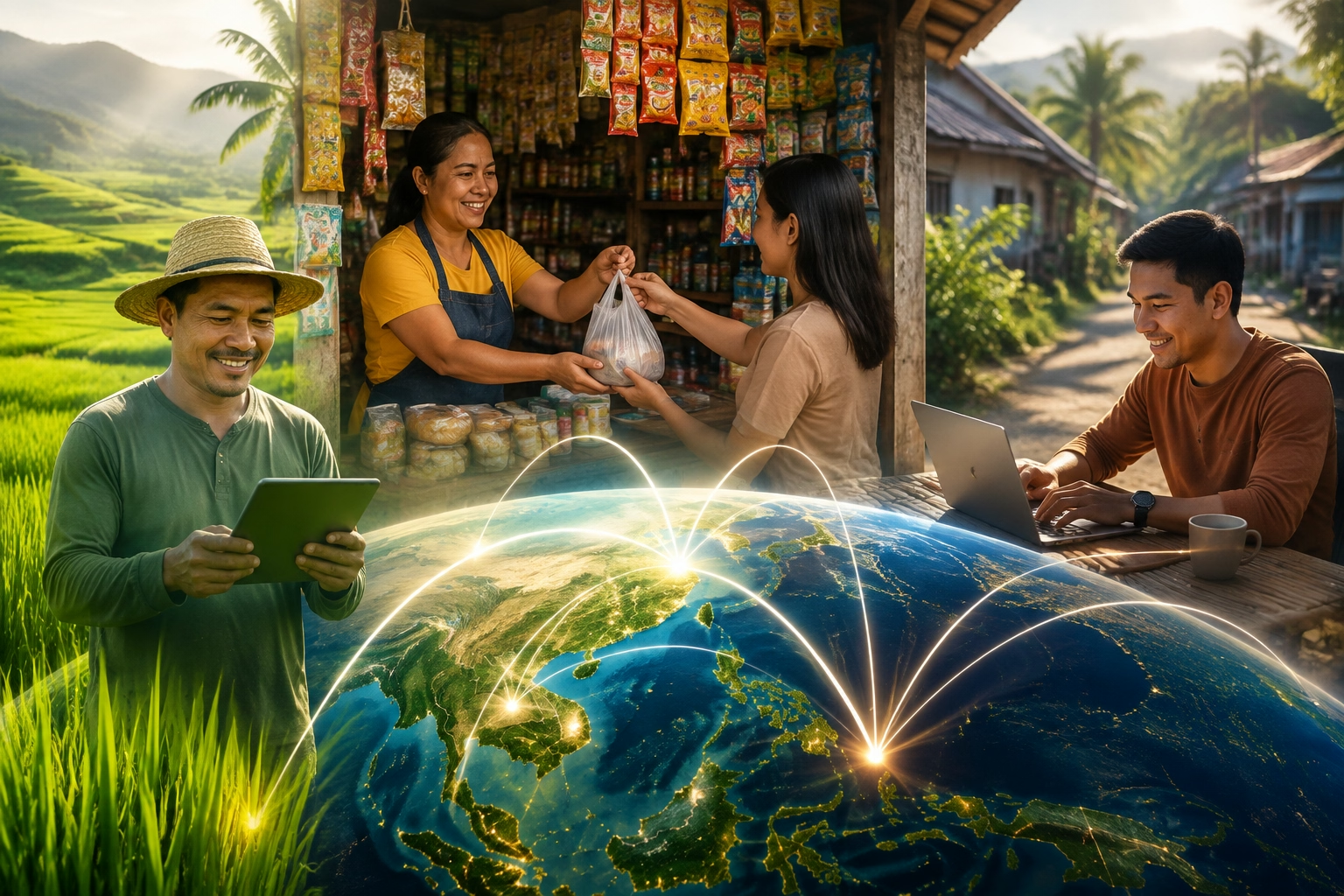
Financial inclusion remains a pressing issue in the Philippines, especially for individuals residing in the country’s most remote and isolated communities. Despite recent advancements in financial technology and government-backed initiatives, many Filipinos in rural areas still face significant barriers in accessing basic financial services such as savings accounts, credit facilities, and insurance.
A large proportion of the population in these regions lacks access to formal financial institutions, with rural banks and ATMs being few and far between. According to data from the World Bank, roughly 7 out of 10 Filipinos do not have access to any kind of formal financial services. This lack of access is not only a barrier to personal financial growth but also to broader economic development in rural regions.
The Philippine government has recognized the importance of promoting financial inclusion and developed a comprehensive National Financial Inclusion Strategy (NFIS), which was launched to ensure that all Filipinos, regardless of their location, have access to affordable and appropriate financial products and services. The NFIS focuses on promoting digital financial services, as mobile phones and internet connectivity become more widespread even in rural areas.
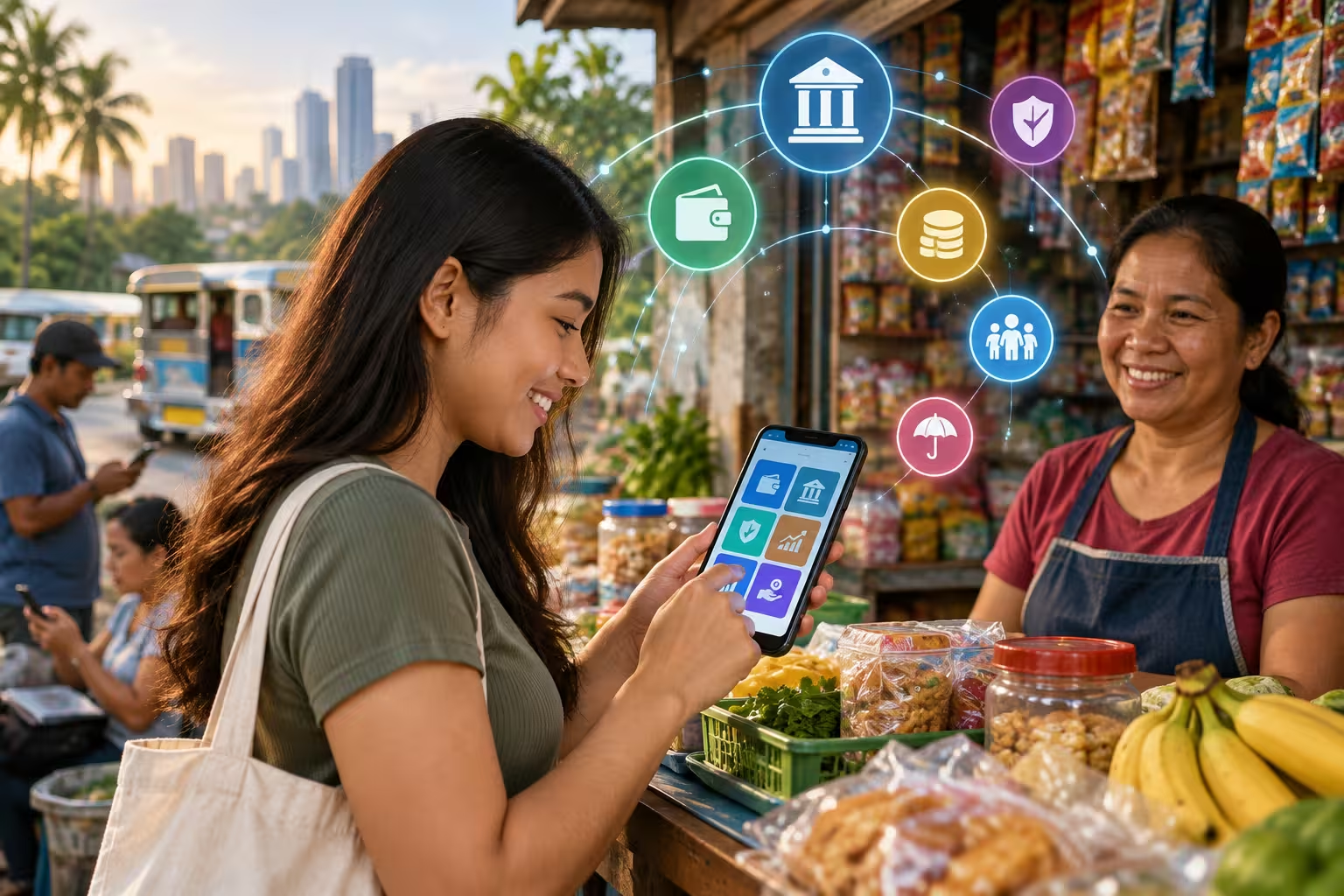
One of the most successful digital innovations is the proliferation of mobile wallets such as GCash and PayMaya. These services have enabled people in even the most remote villages to conduct transactions, pay bills, and transfer money with just a smartphone. In fact, mobile wallets are seen as a game-changer for financial inclusion, particularly in areas where traditional banks are absent or inaccessible.
Additionally, microfinance institutions (MFIs) are instrumental in reaching underserved populations. They provide small loans to individuals, particularly women, to help them start or expand small businesses. These loans are often accompanied by financial education programs to improve financial literacy, enabling borrowers to make better financial decisions.
The role of cooperatives and local community organizations is also noteworthy. Many of these groups offer savings and loan products that are tailored to the needs of the local population. With the trust they have earned within their communities, these organizations are well-positioned to help bridge the gap in financial services.
Despite the advances made in digital payments and microfinance, there are still challenges to overcome. Internet connectivity remains inconsistent in rural areas, and many Filipinos, especially the elderly, are not familiar with using digital financial services. Additionally, the lack of financial literacy programs remains a significant hurdle. A multi-faceted approach that includes investments in infrastructure, mobile connectivity, and financial education is essential for expanding financial inclusion in the Philippines.