The integration of blockchain technology into the Philippine banking industry is poised to transform how financial institutions operate and interact with customers. Blockchain, a distributed ledger technology, allows for secure, transparent, and efficient transaction processing. With the increasing focus on digital transformation in the financial services sector, blockchain has become an essential tool for addressing the challenges faced by Philippine banks, particularly in areas like security, operational efficiency, and financial inclusion.
One of the most notable benefits of blockchain technology is its ability to bolster security and minimize fraud. In the Philippine banking sector, where concerns about data breaches and financial fraud are prevalent, blockchain offers a decentralized solution. Traditional banking systems often rely on centralized databases, which are vulnerable to hacking and unauthorized access. In contrast, blockchain’s distributed nature ensures that data is stored across multiple nodes, making it nearly impossible for cybercriminals to tamper with the information. Transactions on the blockchain are encrypted and immutable, providing an additional layer of protection for both banks and customers.
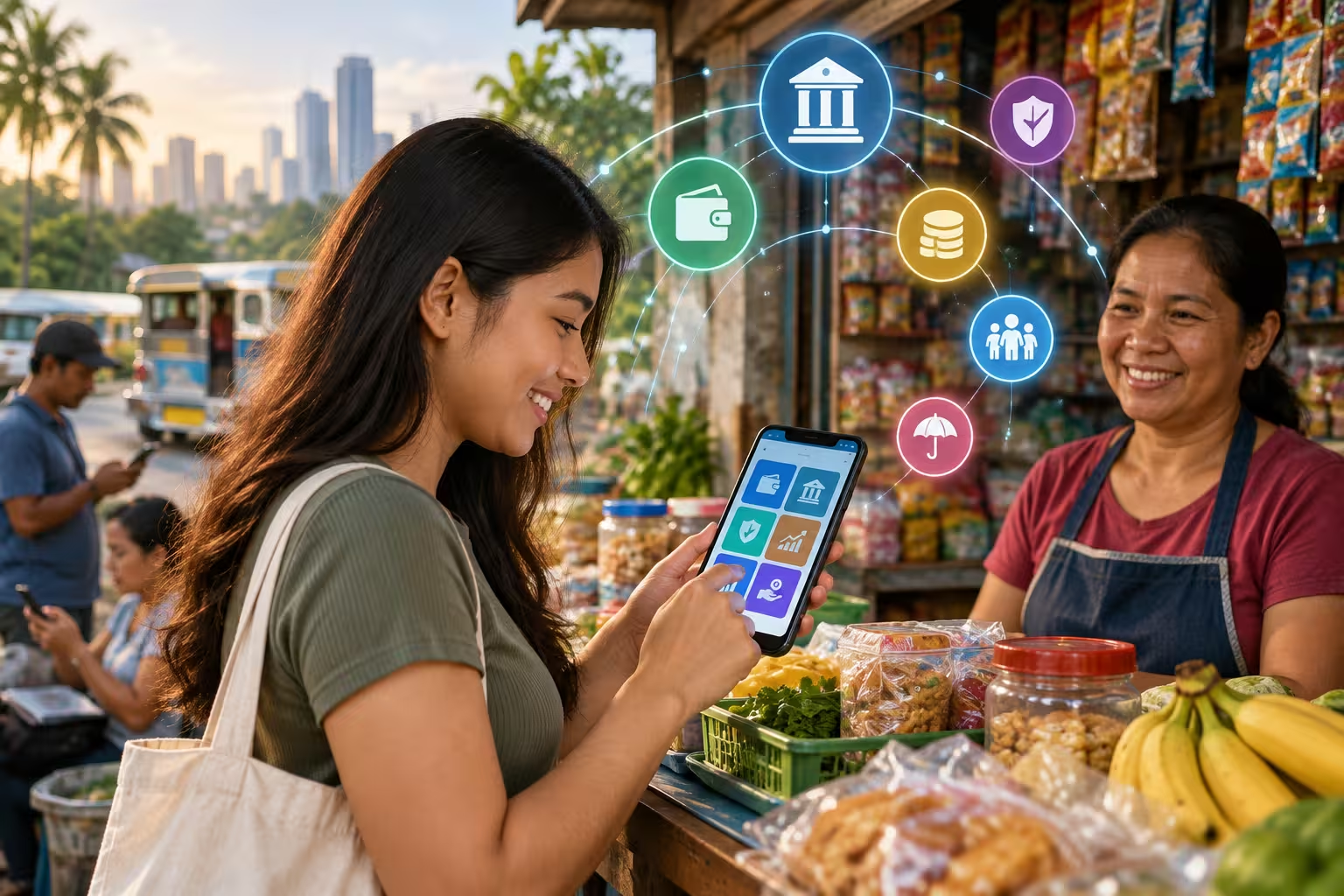
Blockchain technology also has the potential to drive financial inclusion in the Philippines. Despite a growing economy, a significant portion of the Filipino population remains unbanked, especially in rural areas. Blockchain can facilitate access to financial services by enabling the development of decentralized platforms and mobile applications that allow users to perform banking activities without the need for traditional brick-and-mortar branches. Through digital wallets and blockchain-based payment systems, individuals in remote areas can send and receive money, pay bills, and access credit, all without relying on physical infrastructure. This opens up new opportunities for the unbanked population to participate in the formal financial system.
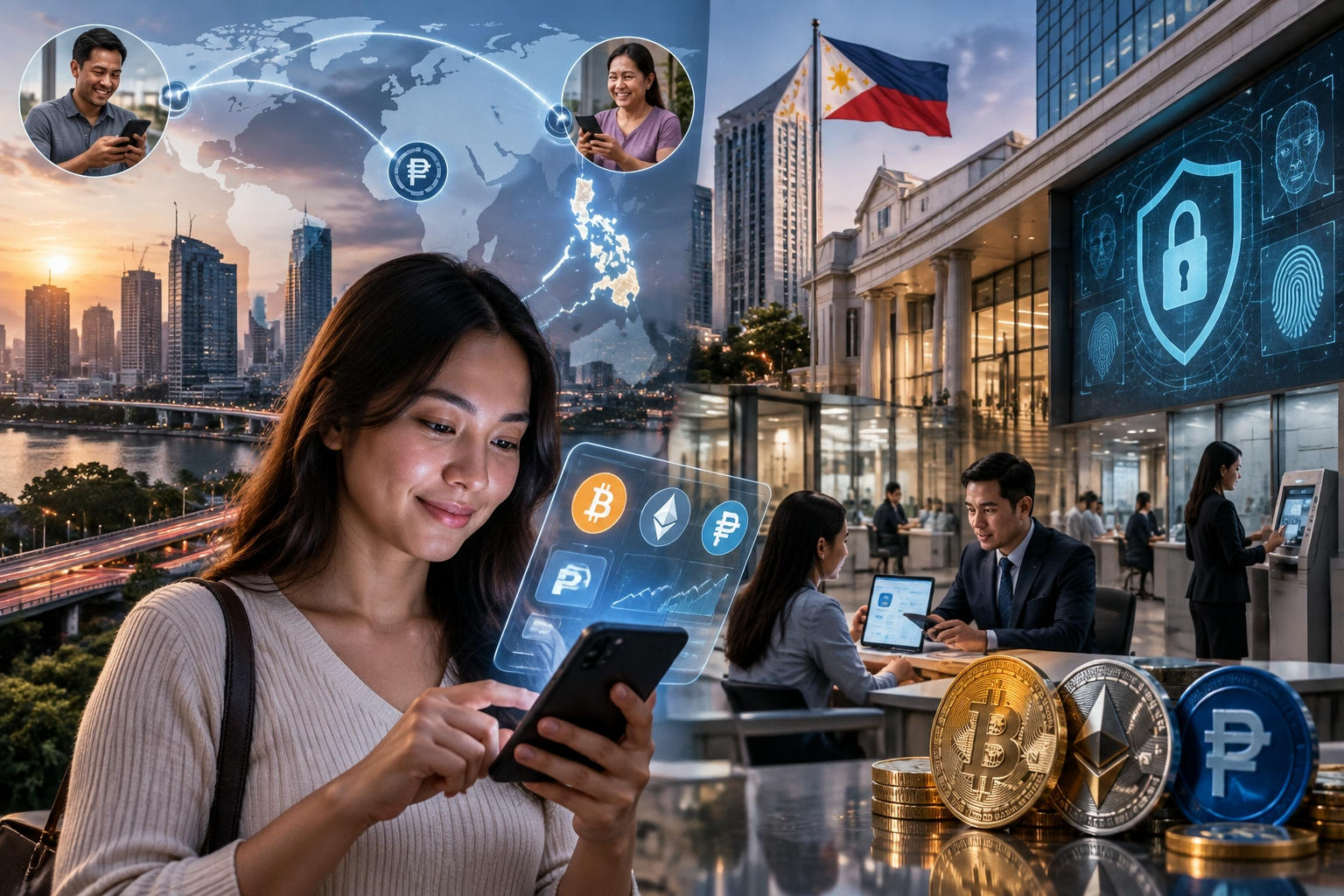
Additionally, blockchain is revolutionizing the cross-border payment system, which is a critical aspect of the Philippine economy. The country is one of the world’s top remittance recipients, with millions of overseas Filipino workers (OFWs) sending money back home. Traditional remittance services can be costly, slow, and opaque, leading to frustrations for both senders and receivers. Blockchain addresses these challenges by enabling faster, cheaper, and more transparent cross-border transactions. By using blockchain-based remittance platforms, Filipino workers abroad can send funds to their families back home in real-time, with reduced transaction fees and without the need for intermediary institutions. This not only benefits OFWs but also enhances the overall remittance ecosystem in the Philippines.
Beyond cross-border payments, blockchain can also streamline domestic payment systems in the Philippines. For businesses and consumers, blockchain can provide a faster and more cost-effective way to settle transactions. Traditional payment systems often involve multiple intermediaries, which can delay transactions and incur additional fees. Blockchain removes these intermediaries, allowing for faster settlement times and reduced transaction costs. This could improve the overall efficiency of the Philippine financial system and make payments more convenient for individuals and businesses alike.
The Bangko Sentral ng Pilipinas (BSP), the Philippines’ central bank, has recognized the potential of blockchain technology and has taken proactive steps to support its integration into the financial sector. The BSP has implemented regulatory frameworks that ensure the secure use of blockchain in financial services. These regulations encourage innovation while safeguarding the interests of consumers and ensuring compliance with international standards. The BSP’s efforts in creating a favorable regulatory environment for blockchain adoption make the Philippines an attractive destination for blockchain-related investments and fintech innovations.
Blockchain’s ability to increase transparency and accountability in financial transactions is another key advantage. In a country like the Philippines, where trust in financial institutions can sometimes be low, blockchain’s transparent and immutable nature can foster confidence in the banking system. Consumers can track transactions in real-time, knowing that the data cannot be altered, providing a sense of security and trust in the system.
With the growing interest in blockchain, the Philippine banking industry is well-positioned to leverage this technology to improve financial services and address systemic challenges. The technology promises to revolutionize how financial institutions operate, improve security, increase financial inclusion, and enhance the efficiency of cross-border payments. As more banks and fintech companies in the Philippines explore the potential of blockchain, the technology will continue to play an essential role in the modernization of the country’s banking sector.