


The Push to Bring Small Businesses Online
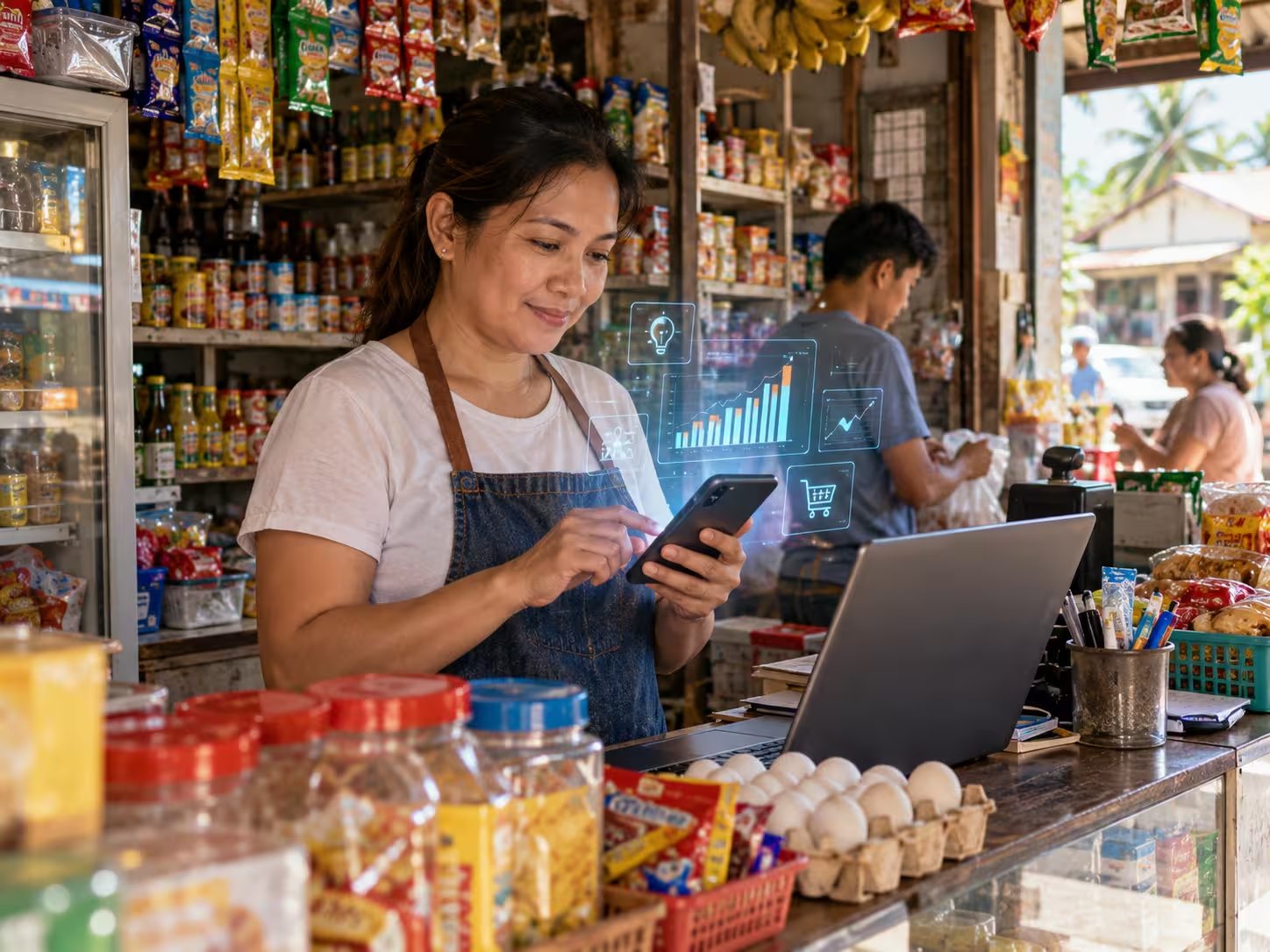
While national campaigns urge every sari-sari store to accept QR payments, many Philippine micro and small enterprises still struggle to connect to a reliable internet signal long enough to process an online order. The Department of Trade and Industry’s digitalization road map aims to onboard hundreds of thousands of MSMEs onto e-commerce platforms. Yet adoption remains uneven, with urban sellers moving faster than rural counterparts.
Infrastructure and Internet Reliability Gaps
In provinces outside Metro Manila, broadband speed and electricity interruptions make real-time selling difficult. A seller in Palawan may wait hours to upload product photos; a typhoon can cut connectivity for days. Even in urban centers, the cost of stable fiber internet—plus backup power—can be prohibitive for a micro business operating on thin margins. This infrastructure gap translates directly into lost orders and poor customer experience.
Case Study: A Cebu Handicraft Seller’s Platform Dilemma
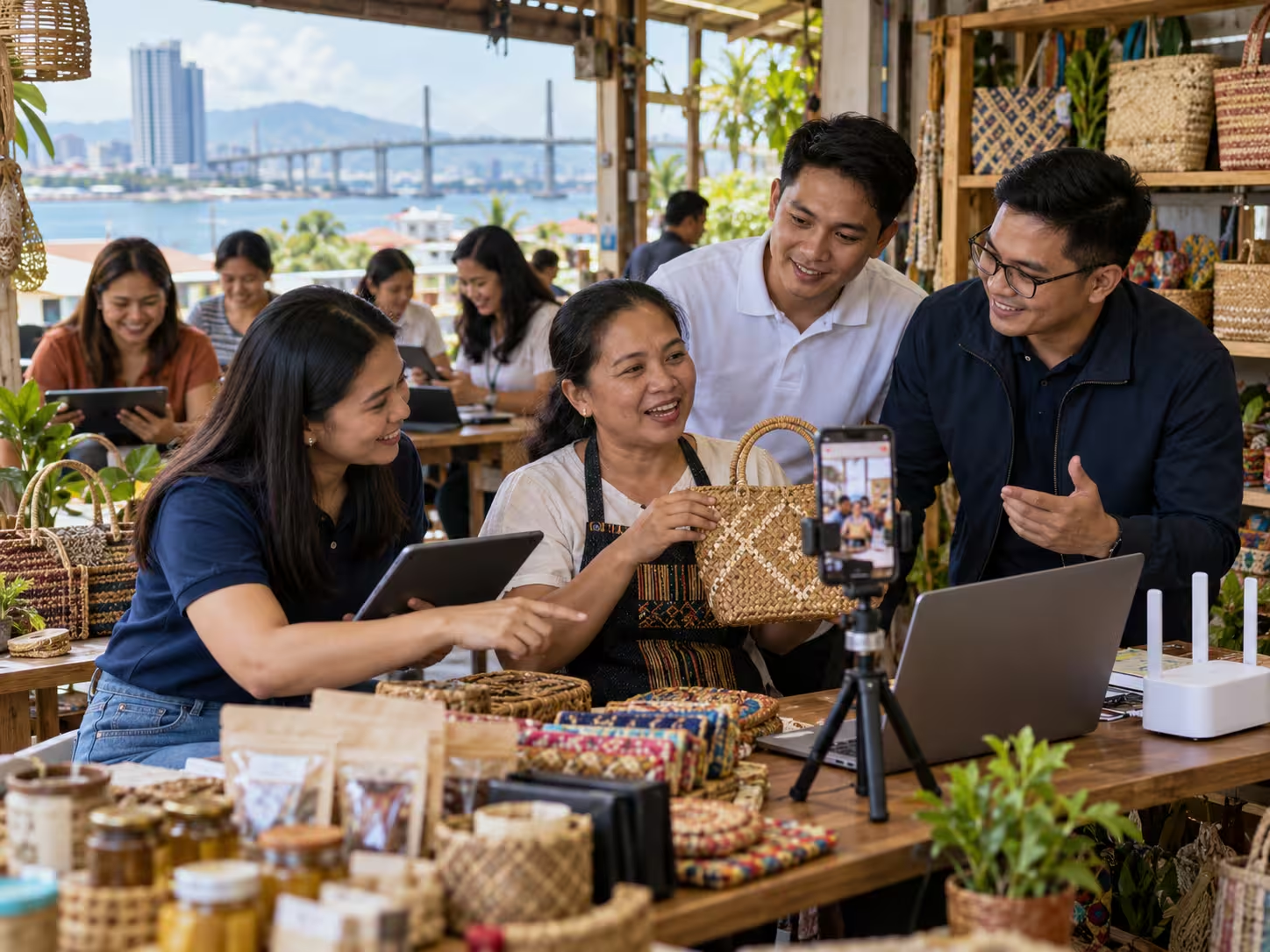
A Cebu-based handicraft exporter sells woven baskets to tourists and overseas buyers. She tried an international marketplace but was charged listing fees, transaction fees, and advertising costs that consumed 25 percent of revenue. The platform also required 24-hour response times; with intermittent internet, she lost the “Top Rated Seller” badge and visibility. Her sales dropped by 30 percent before she shifted back to social media selling through Facebook and Instagram.
2026 E-Commerce Data Highlights the Divide
The 2026 e-Conomy SEA report by Google, Temasek, and Bain & Company indicates that Philippine digital economy growth is driven heavily by urban consumption, while MSME digital participation in rural areas remains below regional averages. The report highlights that last-mile logistics and digital payment adoption are the top two friction points for small sellers. Explore the 2026 e-Conomy SEA report here.
Government and Private Sector Interventions
The DTI’s Pivot to Digital program offers free onboarding, subsidized internet vouchers, and digital literacy workshops in collaboration with local government units. Some platforms have introduced zero-commission periods for first-time sellers. However, analysts argue that infrastructure investment—such as shared e-commerce fulfillment hubs in key ports—will matter more than short-term incentives. Small businesses can improve their odds by starting with social commerce, using lightweight mobile apps, and joining local seller communities that share logistics and digital marketing resources.








Leave a Reply