

The Gender Dimension of Community Prosperity
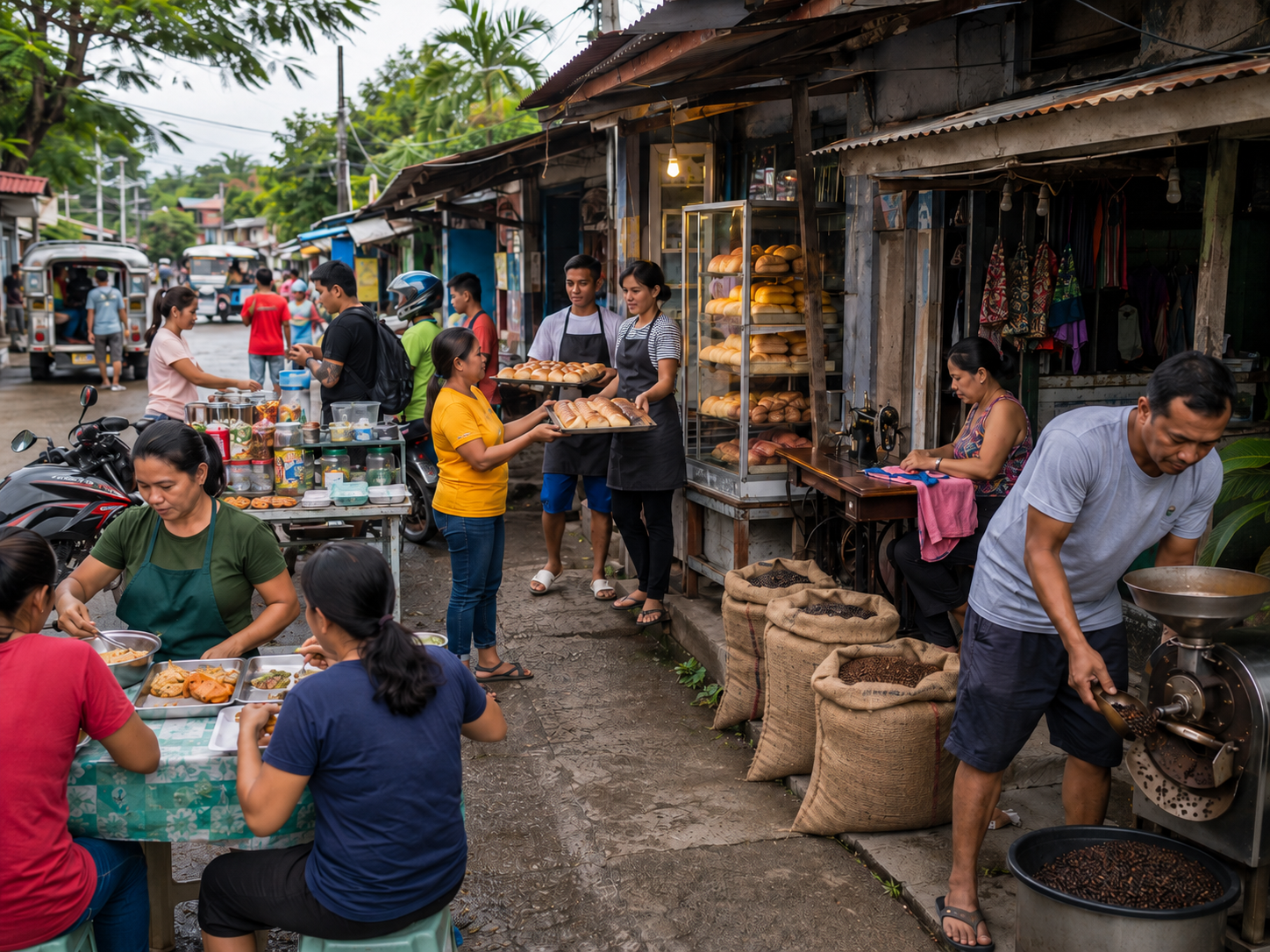
In Philippine communities, women operate a large share of micro enterprises, from corner sari-sari stores to home-based food production. The Philippine Commission on Women highlights that women own or manage the majority of microenterprises, especially in the informal economy. See Philippine Commission on Women. This pattern matters for welfare because studies consistently show that women tend to allocate a higher proportion of business income to children’s education, nutrition, and household savings than male counterparts.
The Sari-Sari Store as a Community Financial Hub
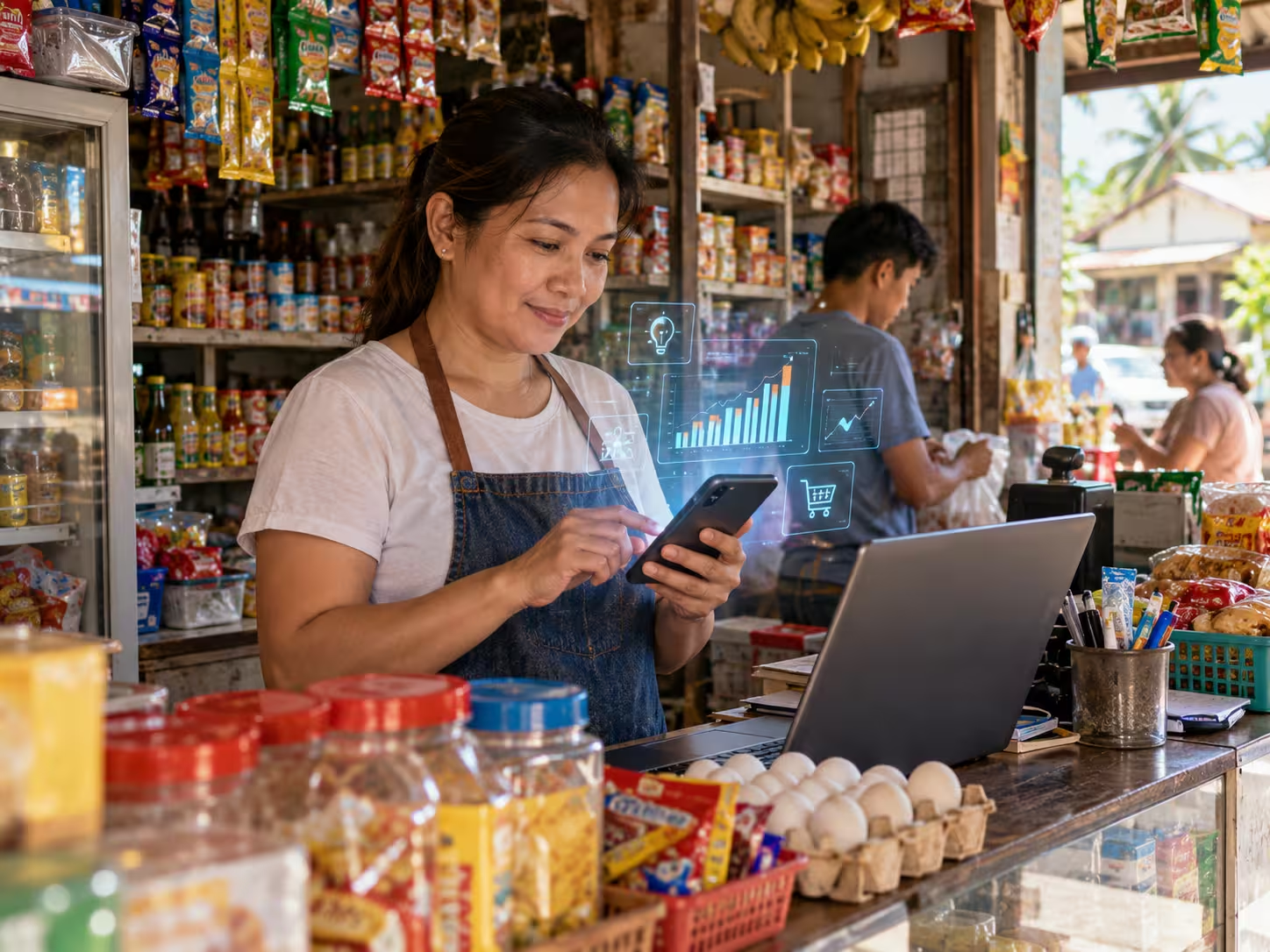
The sari-sari store—a small neighborhood retail outlet—is not just a business; it functions as an informal financial and social center. In many barangays, store owners extend short-term credit to neighbors, accept mobile wallet payments, and distribute subsidized goods during emergencies. In 2026, digital platforms such as GCash and Maya have partnered with sari-sari store networks to offer cash-in, cash-out, and micro-insurance services. This integration turns millions of tiny stores into last-mile financial access points, helping unbanked residents join the formal financial system.
Microcredit, Cooperatives, and Skill Upgrading
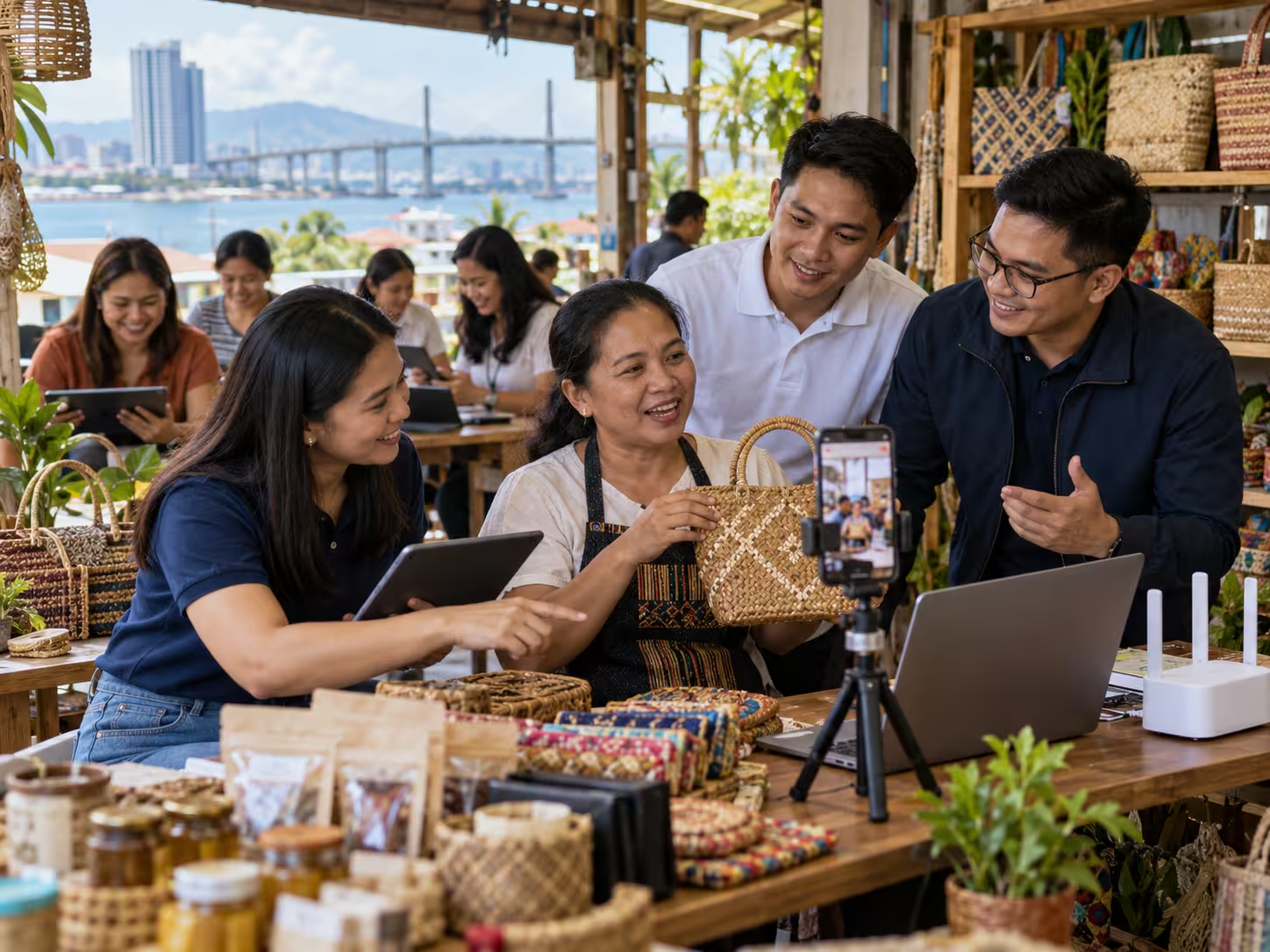
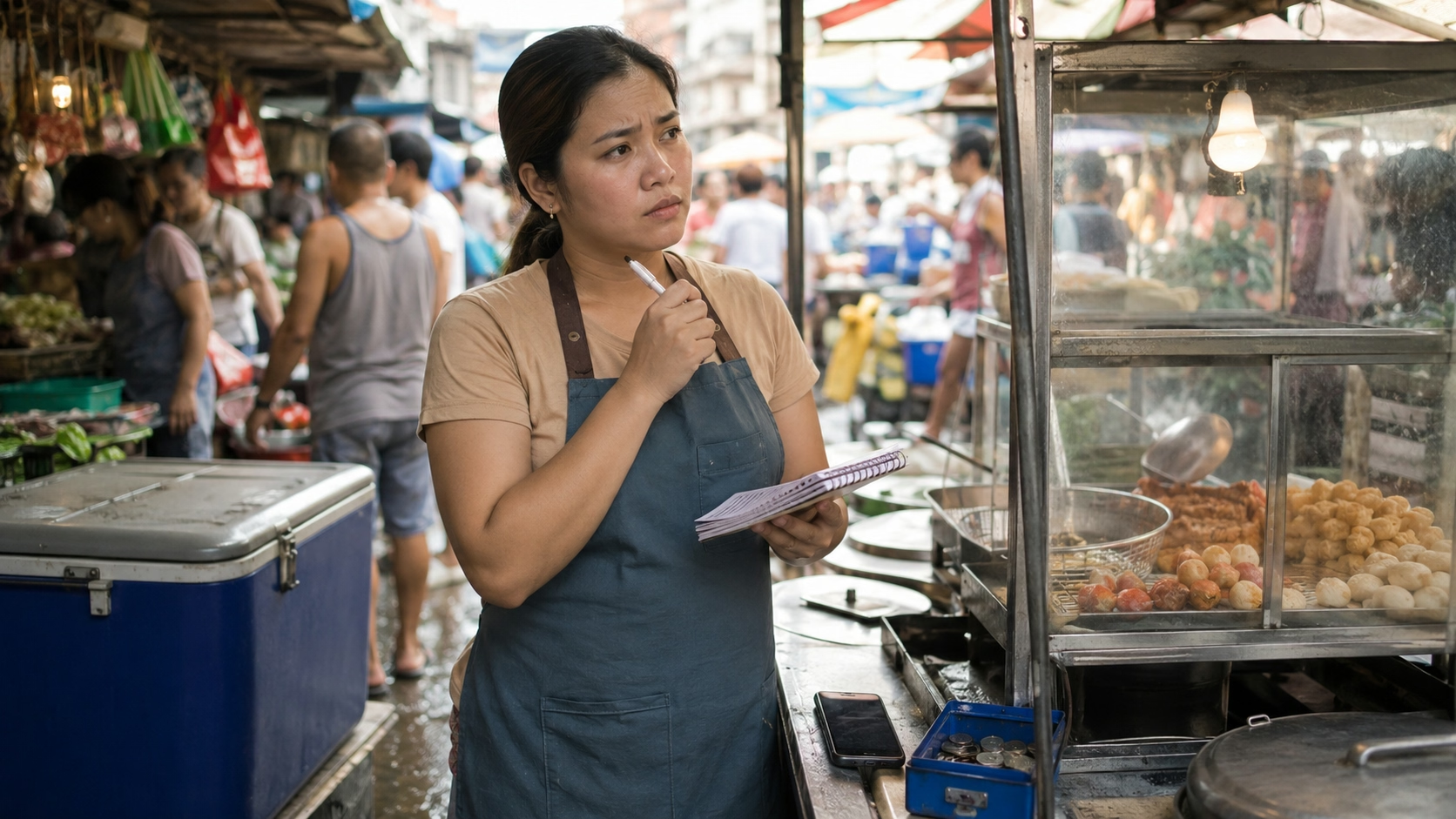
Access to capital remains a central challenge for women-led businesses. Community-based microfinance institutions and women’s cooperatives have filled the gap by providing loans as small as PHP 3,000 without collateral. In Quezon City, a group of 25 women food vendors formed a cooperative that pools savings and rotates credit; members have increased daily sales by 30 percent on average after buying bulk ingredients at lower prices. Government agencies and NGOs also offer training in digital marketing, food safety, and basic bookkeeping, which helps women move from informal survival trade to sustainable enterprises.
Beyond Income: Education, Health, and Social Stability
When a Filipina micro-entrepreneur earns stable income, the benefits extend beyond her household. Research from the Philippine Institute for Development Studies links women’s enterprise income to higher school enrollment and better maternal health outcomes. Moreover, women-led businesses often hire other women, creating flexible work opportunities that accommodate caregiving responsibilities. This social effect is especially powerful in rural areas, where formal childcare is rare and female labor force participation remains low.
As digital finance spreads and more local governments adopt gender-responsive economic policies, women-led MSMEs are likely to become the backbone of household welfare in the Philippines. Protecting their access to markets, credit, and technology will determine whether community prosperity becomes broadly shared or remains limited to urban centers.








Leave a Reply