In the Philippines, social and humanitarian organizations have become integral to addressing various issues affecting marginalized and vulnerable populations. These organizations serve as pillars of support in times of crisis, advocate for social justice, and work towards providing sustainable development in the country. The diverse landscape of social and humanitarian work in the Philippines is a testament to the nation’s commitment to improving the quality of life for its people, particularly the most disadvantaged.
Disaster Response and Relief Efforts
Due to its geographical location in the Pacific Ring of Fire and the typhoon belt, the Philippines faces recurring natural disasters. Humanitarian organizations in the country, such as the Philippine Red Cross (PRC), play a significant role in disaster preparedness, response, and recovery. The PRC is instrumental in delivering immediate relief to those affected by natural calamities, providing essential supplies like food, clothing, and medical assistance. Beyond immediate relief, these organizations also help in rebuilding communities, restoring infrastructure, and offering psychological support to survivors.
Aside from the Red Cross, other organizations such as Oxfam Philippines are also active in disaster response. Oxfam focuses on long-term solutions by helping affected communities develop resilience against future disasters, providing resources for sustainable livelihoods, and implementing programs on disaster risk reduction.
Tackling Poverty through Sustainable Development
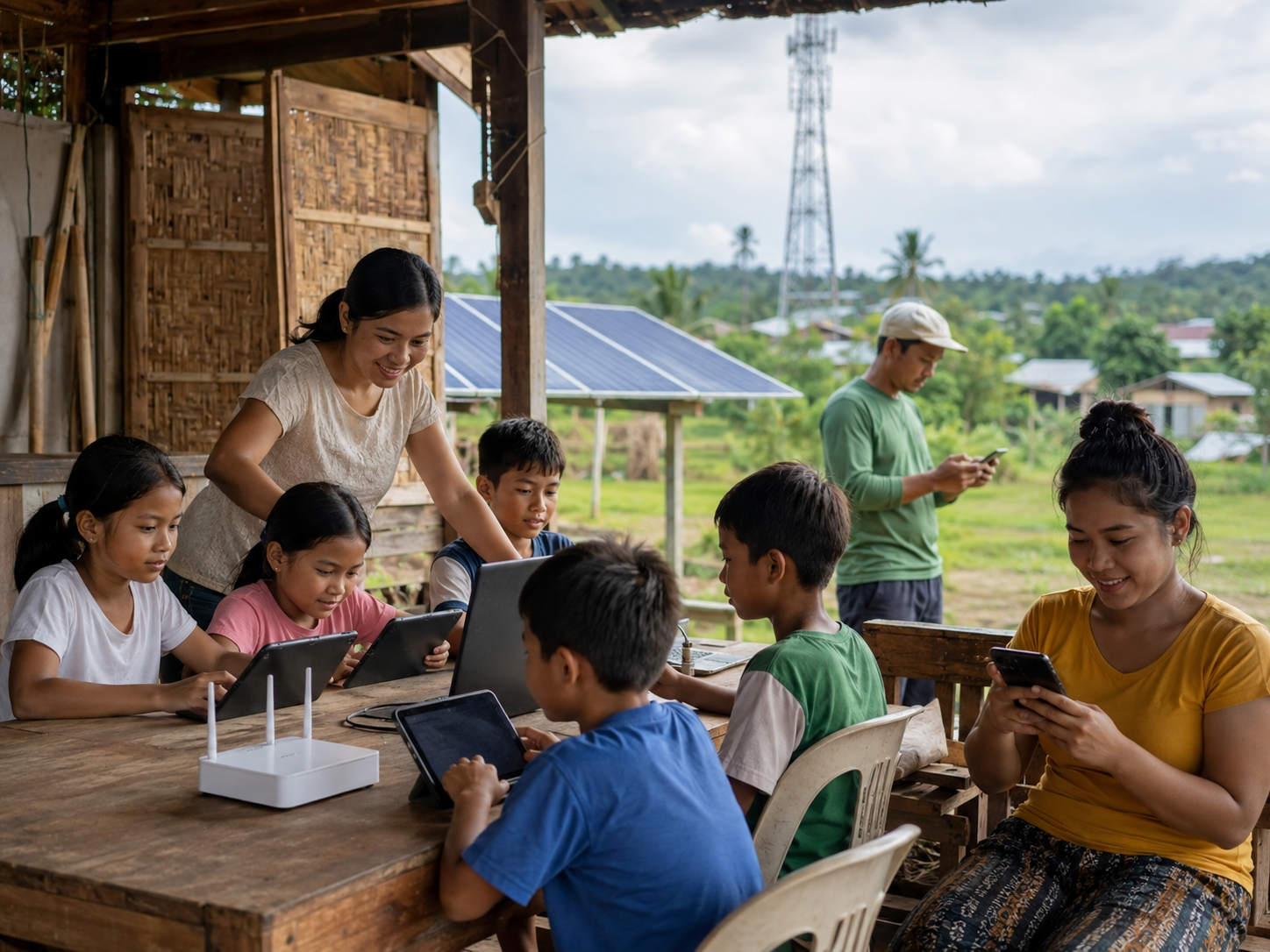
The fight against poverty is a central focus of many organizations in the Philippines. Groups like Gawad Kalinga have been at the forefront of poverty alleviation, working hand-in-hand with local communities to implement community-based development programs. Gawad Kalinga’s model revolves around transforming poor communities into vibrant, self-sustaining villages by providing resources such as affordable housing, education, healthcare, and livelihood opportunities.
Additionally, the PBSP has partnered with several corporate entities to fund social development programs aimed at reducing poverty in various regions of the Philippines. Through its programs, PBSP supports initiatives related to education, healthcare, environment, and rural development, significantly enhancing the well-being of disadvantaged populations.
Advocacy for Human Rights and Social Justice
Human rights advocacy remains a core mission for many organizations working in the Philippines. Groups like Karapatan and the Philippine Alliance of Human Rights Advocates (PAHRA) are working tirelessly to protect the civil rights of marginalized groups, including indigenous people, workers, and activists. These organizations provide legal assistance, document human rights violations, and campaign for social justice in the country.
Another key organization working to ensure the human rights of Filipinos is the Commission on Human Rights (CHR). The CHR investigates human rights abuses and advocates for legal reforms that protect the rights of citizens. In collaboration with civil society groups, the CHR promotes public awareness of human rights and pushes for greater accountability from government institutions.
Education for Empowerment and Equality
Access to education is crucial in addressing poverty and inequality in the Philippines. Several organizations focus on enhancing educational opportunities for the country’s underserved populations. Teach for the Philippines, for instance, recruits young professionals and trains them to teach in public schools in rural and urban poor communities, ensuring that children from disadvantaged backgrounds receive quality education.
Additionally, organizations like the Philippine Business for Social Progress (PBSP) support education and skills development programs that enable people from marginalized sectors to gain better employment opportunities and improve their socioeconomic status. These initiatives not only help individuals but also empower communities by creating a more educated and skilled workforce.
Conclusion
Social and humanitarian organizations are vital to addressing the systemic challenges faced by the Filipino people. Their work spans various areas, from disaster relief to poverty alleviation, human rights advocacy, and educational development. These organizations provide much-needed support, help individuals and communities overcome adversity, and pave the way for long-term social change. Through the collective efforts of these organizations, the Philippines can continue its journey towards greater equity and sustainable development.