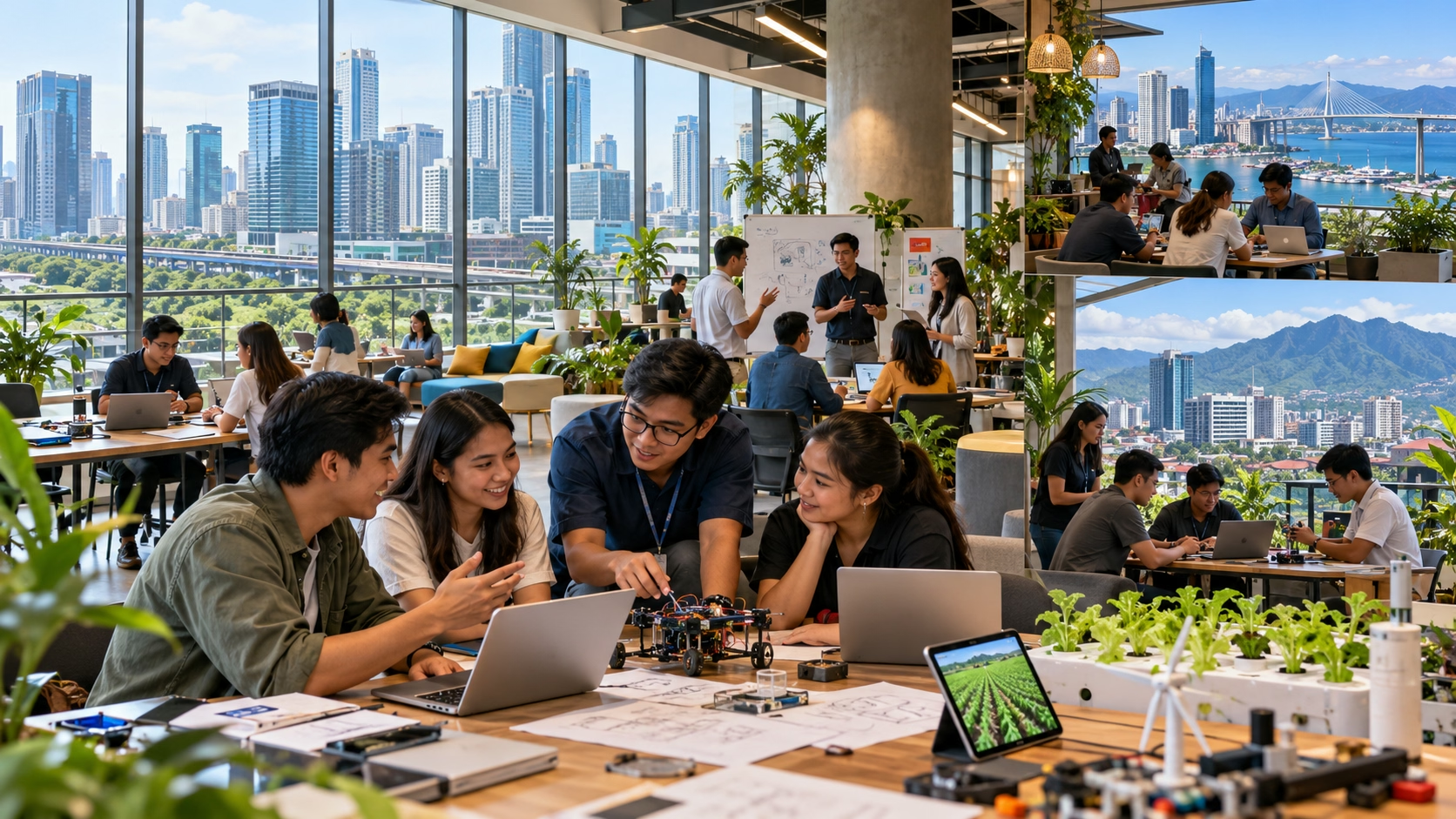
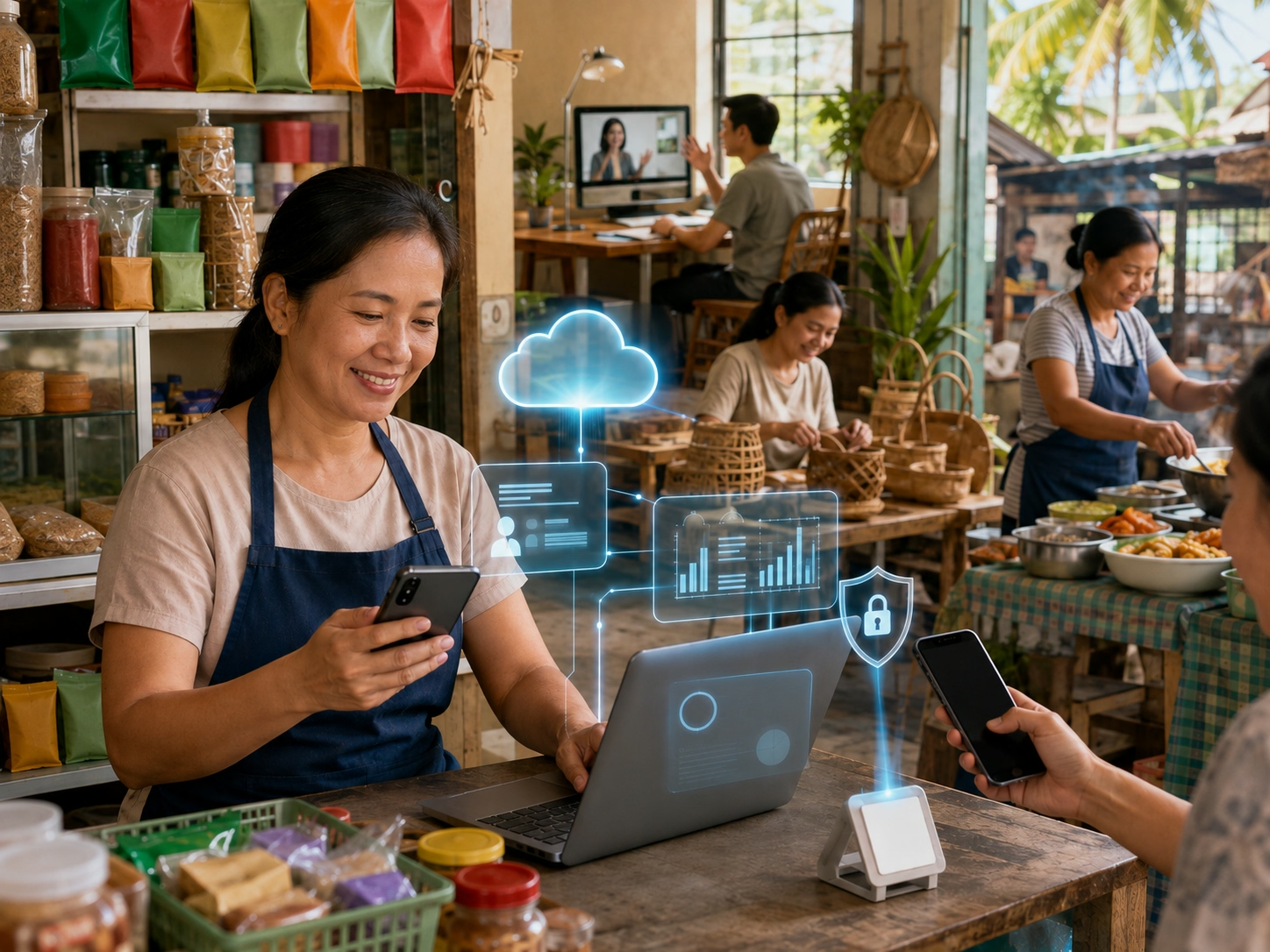
In recent years, the Philippines has seen a surge in startup businesses across various industries. Filipino entrepreneurs are embracing innovation, creating solutions to tackle problems unique to their local market, while also competing on a global scale. This article explores some of the most promising startups in the Philippines, as well as the obstacles that they must overcome in their journey toward success.
Noteworthy Filipino Startups
- Sprout Solutions
Sprout Solutions is a human resources technology company that simplifies HR tasks such as payroll, employee benefits, and timekeeping for businesses. With the increasing need for automation in the HR sector, Sprout’s cloud-based solution has gained rapid adoption among medium and large enterprises. The company has positioned itself as a leader in the HR-tech space in the Philippines. - Mober
Mober is a delivery service that aims to solve the challenges of transportation and logistics in the Philippines. It connects customers with a network of vehicles that can transport goods quickly and safely. Mober’s platform is particularly beneficial for small businesses that need a reliable and cost-effective way to ship products. - Maya (formerly PayMaya)
Maya has evolved from a digital payment platform into a full-fledged fintech ecosystem that offers mobile wallets, savings accounts, loans, and investments. It is a prime example of how fintech startups are reshaping the financial landscape in the Philippines. Maya’s success lies in its ability to simplify financial services and provide easy access to banking solutions for millions of unbanked Filipinos.
Obstacles Faced by Startups in the Philippines
Filipino startups face various challenges, but access to funding remains one of the most pressing issues. Although there is an increasing amount of venture capital flowing into Southeast Asia, many Filipino entrepreneurs still struggle to secure adequate financial backing for their ideas.
Additionally, the logistics infrastructure in the Philippines is often underdeveloped, making it difficult for startups, particularly in e-commerce and delivery, to operate efficiently. Poor transportation networks and unreliable shipping services can hinder business growth.
Moreover, the lack of strong mentorship is another challenge that many startups face. While there are programs and initiatives aimed at helping young businesses, the absence of experienced mentors with deep industry knowledge can result in avoidable mistakes during a startup’s early stages.
Conclusion
The Filipino startup scene is undoubtedly filled with opportunities for growth and development. With its rapidly growing economy, high internet penetration, and an increasingly tech-savvy population, the Philippines is an ideal place for innovative startups. However, to overcome the challenges, Filipino entrepreneurs need more access to funding, better logistics infrastructure, and stronger mentorship programs to help guide their ventures toward long-term success.